
What is the production process of cosmetic tube packaging?

The production process for cosmetic tube packaging encompasses raw material selection, manufacturing, processing, and finished product inspection and packaging. This process involves multiple steps, each requiring meticulous control.
Key Takeaways
- The production process for cosmetic tube packaging involves raw material preparation, tube body production, processing, and packaging.
- Material selection includes plastics, aluminum, and composites; each must undergo quality inspection.
- Tube processing features end cutting, body forming, and inner coating if necessary to protect contents.
- Printing and packaging design enhance aesthetics through surface treatments and decorative finishes.
- Quality inspection ensures functionality, including appearance checks and sealing tests, before packaging and distribution.

1. Raw Material Preparation
Material Selection: Select appropriate raw materials based on the properties of the cosmetic and packaging requirements. Common raw materials include plastics (PE, PP, PET), aluminum foil, and composite materials (such as aluminum-plastic composite tubes).
Material Inspection: Quality inspection of raw materials ensures they meet standards and requirements, such as compressive strength, transparency, and non-toxicity.
2. tube Body Production
Injection Molding (for Plastic tubes):
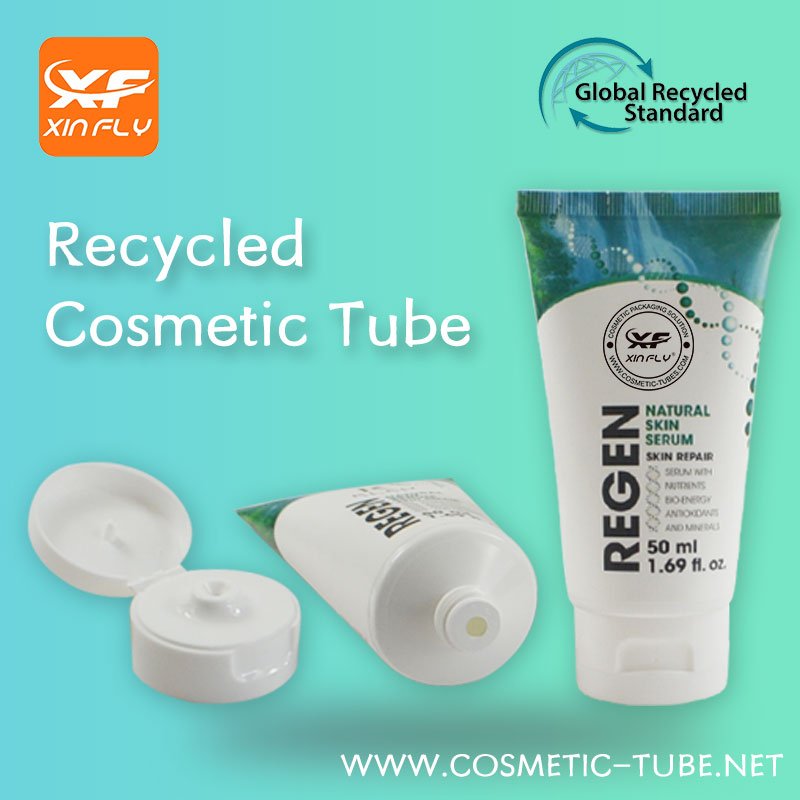
- Plastic granules (such as PE and PP) are heated and melted in an injection molding machine and extruded through a mold to form the tube body.
- For transparent plastic tubes (such as PE tubes), the raw materials require blow molding or injection molding before injection molding. Aluminum Tube Production (for aluminum tubes or aluminum-plastic composite tubes):
- For Aluminum tubes: Aluminum sheets are used through a calendering process or extrusion to produce thin aluminum tubes. For aluminum-plastic composite tubes, aluminum foil is typically combined with a plastic layer.
Composite Tube Production:
Composite tubes are typically formed by laminating different films (such as aluminum foil and plastic film) and then hot- or cold-pressing them to create a multi-layer structure. Common composite materials include aluminum-plastic composite tubes.
3. Tube Processing
- End Cutting: The opening of the tube is cut to the desired length and shape.
- Body Forming: The sides of the tube can be heated or cooled to ensure shape stability.
- End Treatment: This involves smoothing the edges of the tube opening to avoid unevenness that could affect packaging.
Inner Coating (if required): Certain cosmetics, especially ttube containing corrosive or oily ingredients, may require a protective coating on the inside of the tube to prevent reactions with the cosmetic.
4. Printing and Packaging Design

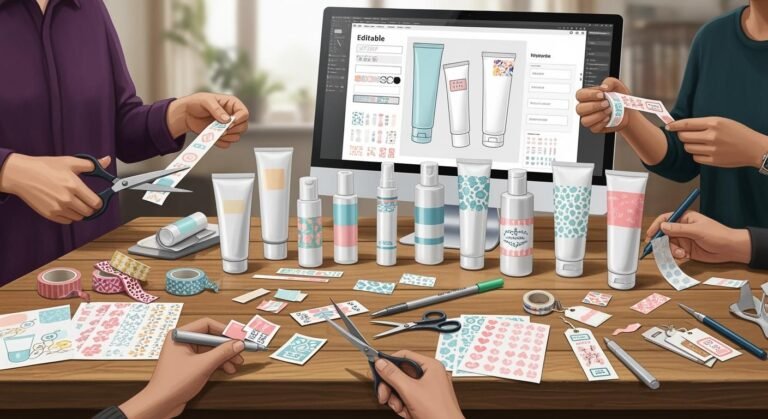
- tube Surface Treatment: The surface of the tube can be painted, printed, or labeled to enhance the product’s aesthetics and brand recognition.
- Screen Printing: Screen printing is used to print patterns or text on the tube surface. Suitable for simple designs or large-scale production.
- Flexographic Printing: Suitable for multi-color printing and more complex designs, resulting in a more refined effect.
- Hot Stamping: Hot stamping, such as hot stamping, can be applied to the tube to enhance the product’s premium feel.
- Decorative Finish: Depending on the brand’s requirements, special effects such as matte, glossy, or metallic may be added.
5. tube Closure and Sealing
- Heat Sealing: Heat-seal the tube opening to prevent leakage of the cosmetic contents.
- End Cap Installation: Install a suitable cap or nozzle at the tube end, as required by the design, to ensure convenient use. Common end caps include screw caps and push-on nozzles.
6. Quality Inspection
- Appearance Inspection: Inspect the tube surface for scratches, bubbles, or irregularities, and ensure the printing is flawless.
- Dimension Inspection: Check the tube dimensions, including length, width, and opening size, to ensure they meet requirements.
- Sealing Test: Test the tube’s sealing to ensure there are no air or liquid leaks. Common testing methods include water immersion testing and air tightness testing.
- Material Testing: Ensure that the raw materials meet safety and non-toxic requirements and are suitable for cosmetic packaging.
7. Packaging and Storage
- Finished Product Packaging: Qualified tubes are packaged, typically in batches or individually. Product instructions or additional materials may be included.
- Storage and Transportation: Store finished cosmetic tubes in a dry, temperature-controlled area, away from direct sunlight and humidity.
8. Factory Delivery and Distribution
- Shipping Preparation: After final inspection and confirmation, the tube packaging products are prepared for delivery.
- Logistics and Distribution: Depending on customer needs, the tube packaging materials are transported to the cosmetics manufacturer or directly to sales channels.
Every step in the production process of cosmetic tube packaging materials, from raw material selection to final quality inspection, to finished product packaging and delivery, is crucial to ensure that the product meets functional requirements while also satisfying market demands for aesthetics, environmental friendliness, and safety. The efficiency and precision of this process are crucial to the quality of the final product.
Cosmetic Tube Packaging Production Process – Frequently Asked Questions
Quick insights into extrusion, printing, decorating, sealing, inspection, packing and logistics for cosmetic tube manufacturing.
1) What are the main stages in cosmetic tube production?
2) How does tubing or extrusion work for plastic tubes?
3) When is heat-seal vs crimp vs screw-cap used?
4) How is decoration applied and when in line?
5) What testing happens during production?
6) How is packaging prepared for logistic efficiency?
7) What is the typical lead time for samples and bulk?
8) How do you ensure consistency across batches?
9) How do you manage waste and sustainability during production?
10) What packing options exist for international export?
11) How do you handle regulatory documentation and export compliance?
12) What happens if a defect is found post-shipment?
Ready to customize your packaging? Contact our team for detailed pricing, MOQ flexibility, and fast production samples.
You may like cosmetic tubes

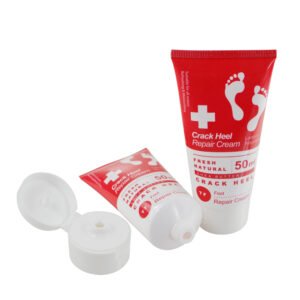
100ml Offset printing Plastic Hand Foot Cream Packaging with Flip Cap
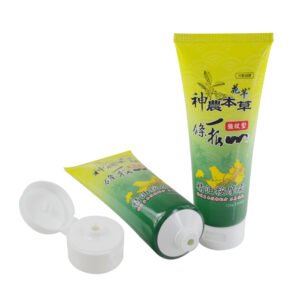
100ML Offset printing Plastic Lotion Cream Cosmetic Squeeze Tubes with Flip Cap
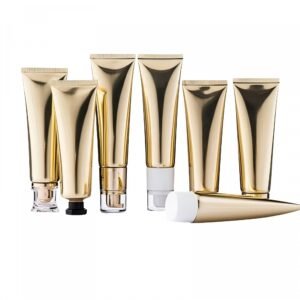
30ml 50ml 60ml 100ml 120ml ABL Shiny Gold Aluminum Plastic Cosmetic Tubes for Cream, Lotion & Facial Cleansing Packaging
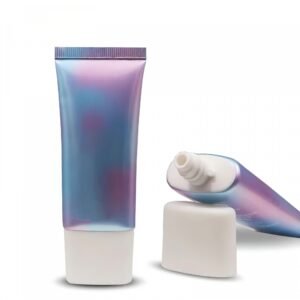
30ml 50ml 60ml Oval ABL Empty Aluminium Laminated Cosmetic Tubes for BB Cream & Lotion