
What is the Manufacturing Process of Plastic Tubes? (Step-by-Step Guide)

Plastic Tube Manufacturing
Plastic tubes are everywhere—from toothpaste containers to pharmaceutical packaging, from industrial pipes to cosmetic products. Their popularity comes from their durability, flexibility, and cost-effectiveness. But have you ever wondered how these plastic tubes are actually made?
The manufacturing process of plastic tubes is a fascinating blend of material science, engineering, and automation. It involves careful selection of raw materials, extrusion, cooling, cutting, printing, and strict quality control.
In this article, we’ll break down the step-by-step process, explore the types of plastics used, and look at the latest innovations in tube manufacturing.
Raw Materials Used in Plastic Tube Production
Types of Plastics Commonly Used
Not all plastics are suitable for tube manufacturing. The most common include:
- Polyethylene (PE): Lightweight, flexible, and widely used in cosmetic and medical tubes.
- Polypropylene (PP): Offers excellent chemical resistance, making it ideal for pharmaceutical and industrial applications.
- Polyvinyl Chloride (PVC): Durable and used in industrial pipes, though less favored for consumer packaging.
- Ethylene-Vinyl Alcohol (EVOH): Used in multilayer tubes to provide excellent barrier properties against oxygen and moisture.
Additives and Stabilizers in Plastic Tube Manufacturing
To enhance performance, additives are often mixed with base polymers, such as:
- UV stabilizers – protect tubes from sunlight.
- Plasticizers – improve flexibility.
- Colorants – add branding appeal.
- Antimicrobial agents – used in medical and cosmetic applications.

Step-by-Step Plastic Tube Manufacturing Process
Step 1: Resin Selection and Preparation
The journey begins with plastic resin pellets. These pellets are carefully selected based on the intended application. They are dried to remove moisture and then fed into the extrusion machine.
Step 2: Extrusion Process
Extrusion is the heart of plastic tube manufacturing. Here, plastic pellets are heated until molten and then pushed through a circular die that shapes them into hollow tubes.
Role of Extrusion Dies in Tube Formation
Extrusion dies determine the diameter, thickness, and shape of the tubes. Precision engineering ensures consistent quality across large-scale production.
Step 3: Cooling and Sizing of Tubes
Freshly extruded tubes are soft and must be cooled immediately. This is typically done using water baths or air cooling systems. Sizing devices ensure the tubes maintain uniform diameter and wall thickness.
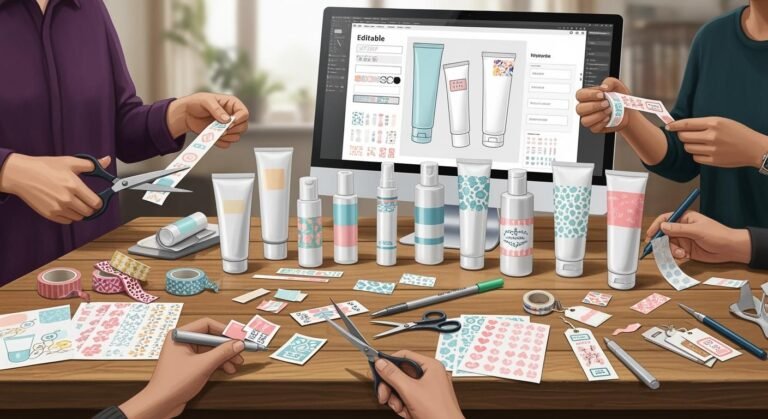
Step 4: Printing and Labeling
To make tubes brand-ready, they undergo printing processes such as:
- Offset printing
- Silk-screen printing
- Hot stamping
This step adds logos, product names, and regulatory details.
Step 5: Cutting and Finishing
Once printed, tubes are cut into specific lengths. The ends are sealed, threaded, or flared, depending on their final use.
Step 6: Quality Control and Inspection
Finally, tubes are tested for:
- Wall thickness
- Flexibility
- Leak resistance
- Print durability
This ensures the tubes meet both industry standards and customer requirements.
Advanced Plastic Tube Manufacturing Techniques
Co-Extrusion Technology
Co-extrusion allows multiple layers of plastic to be combined into a single tube, offering better barrier properties.
Multilayer Tubes and Their Benefits
These tubes combine different materials, ensuring:
- Longer shelf life
- Better protection against chemicals
- Improved aesthetics for premium products
Applications of Plastic Tubes in Different Industries
Packaging Industry
Used in toothpaste, lotions, and creams, plastic tubes provide durability and easy handling.
Medical and Pharmaceutical Applications
Sterile plastic tubes are crucial for ointments, gels, and liquid medicines.
Cosmetic and Personal Care Industry
Premium lip balm, foundation, and skincare products rely on tubes for convenience and hygiene.
Environmental Considerations in Plastic Tube Manufacturing
Recycling and Reuse of Plastic Tubes
Many companies now design tubes with recyclable plastics like mono-material polyethylene.
Eco-Friendly Alternatives and Bioplastics
Bioplastics made from corn starch or sugarcane are emerging as sustainable alternatives.
Latest Innovations in Plastic Tube Manufacturing
Smart Packaging
Some tubes now feature QR codes, NFC chips, or freshness indicators.
Sustainable Tube Designs
Lightweight designs and 100% recyclable mono-material tubes are gaining traction.
FAQs on Plastic Tube Manufacturing
Q1: What is the most common method of plastic tube manufacturing?
A: Extrusion is the most widely used process.
Q2: Which plastic is best for cosmetic tubes?
A: Polyethylene (PE) due to its flexibility and smooth finish.
Q3: Are plastic tubes recyclable?
A: Yes, especially mono-material tubes made from polyethylene or polypropylene.
Q4: How are labels added to plastic tubes?
A: Using printing techniques like silk-screening, offset, or hot stamping.
Q5: What industries use plastic tubes the most?
A: Packaging, cosmetics, pharmaceuticals, and industrial applications.
Q6: Are biodegradable plastic tubes available?
A: Yes, bioplastics are increasingly being used as eco-friendly alternatives.
Conclusion
The manufacturing process of plastic tubes is a combination of material science and precision engineering. From extrusion and cooling to printing and finishing, every step ensures that the final product is durable, functional, and aesthetically pleasing.
With the rise of eco-friendly innovations like bioplastics and recyclable designs, the future of plastic tube manufacturing is both sustainable and technologically advanced.
🔗 External Reference: Learn more about extrusion technology from Plastics Technology Online.
Ready to customize your packaging? Contact our team for detailed pricing, MOQ flexibility, and fast production samples.