
How Does AI Help Create Sustainable Cosmetic Tube Designs?

In today’s beauty industry, sustainability is no longer just a buzzword—it’s a movement that’s redefining how brands approach product packaging. With growing consumer demand for eco-friendly products, sustainable cosmetic tube designs are taking center stage. But how does artificial intelligence (AI) play a role in shaping these sustainable designs? Let’s dive into how AI cosmetic tube design is making waves in the beauty industry, offering solutions that not only reduce environmental impact but also enhance design precision, efficiency, and creativity.

The Growing Demand for Sustainable Packaging in Cosmetics
Why Sustainability Matters in the Beauty Industry
As the beauty industry evolves, so do consumer expectations. Eco-conscious customers are seeking products that align with their values, pushing brands to prioritize cosmetic packaging design AI solutions. Over the past few years, plastic pollution and non-recyclable packaging have sparked criticism, and this is where sustainable cosmetic tube designs come in.
Brands are now expected to deliver functional, visually appealing packaging that doesn’t harm the planet. And it’s not just about reducing waste; sustainability extends to using recyclable materials, minimizing carbon footprints, and embracing a circular economy. Cosmetic tube themes are shifting from plastic-heavy solutions to more sustainable materials like biodegradable plastics, paper, and plant-based options.
The Role of AI in Meeting Sustainability Goals
Artificial intelligence plays a pivotal role in helping brands navigate the sustainability challenge. By leveraging machine learning, AI enables brands to streamline the design process, reduce waste, and develop eco-friendly materials. With AI-powered tools, brands like Xinfly Packaging can predict material behavior, optimize design functionality, and forecast production costs, all while prioritizing sustainability.
AI-Driven Innovations in Cosmetic Tube Designs
AI Cosmetic Tube Design: A Game Changer for Creativity and Efficiency
AI’s integration into cosmetic packaging design AI is transforming the way beauty brands conceptualize packaging. Traditionally, packaging design was a slow, iterative process involving numerous trials and errors. With AI, designers can experiment with countless design variations in a fraction of the time. AI tools analyze vast amounts of data, including consumer preferences, environmental impact, and production limitations, to deliver the most efficient and sustainable packaging solutions.
Smart Material Selection
AI helps brands choose the right materials for sustainable cosmetic tube designs. By assessing factors like material durability, recyclability, and biodegradability, AI tools recommend the best options for each product. This reduces the environmental impact of packaging and helps brands align with their sustainability objectives. AI models also simulate material behavior in various conditions, predicting how it will hold up during transport, storage, and use, ensuring durability without compromising sustainability.
Optimized Design Templates
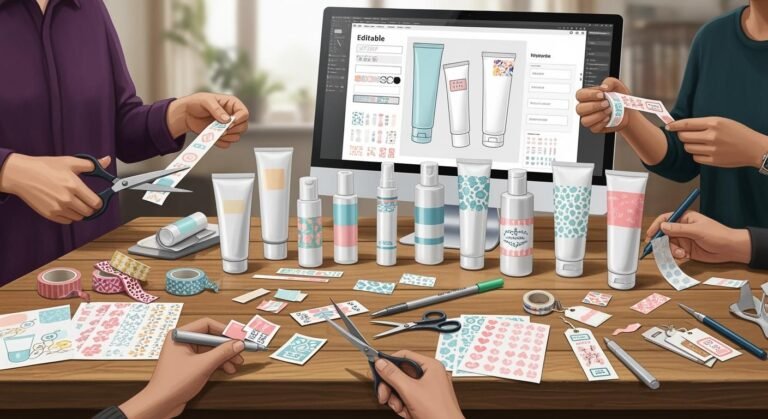
One of the standout features of AI in cosmetic tube designs is the ability to create cosmetic tube templates that are optimized for sustainability. AI can take into account the thickness of the tube walls, the weight of the packaging, and how the product will be dispensed. By refining these parameters, AI ensures that each design minimizes waste and material usage without sacrificing functionality or aesthetic appeal.
Reducing Waste and Energy Consumption
By optimizing designs with AI, brands can drastically reduce waste during the production process. AI’s ability to analyze production lines and predict the amount of material needed for each batch can minimize overproduction. This results in less excess material and energy consumption, making it easier for companies to adopt sustainable practices while still maintaining a high level of quality in their products.
Case Study: Xinfly Packaging’s AI-Driven Sustainable Designs
How Xinfly Packaging is Leading the Way in Eco-Friendly Tube Design
Xinfly Packaging has long been at the forefront of AI cosmetic tube design innovations. By integrating AI-powered tools, the company has successfully developed a wide range of sustainable packaging solutions. One key area where AI has played a significant role is in the optimization of the design process for cosmetic tube templates.
With the help of AI, Xinfly Packaging can offer brands fully customized, sustainable cosmetic tubes tailored to their needs. Through AI-driven simulations, the brand predicts the ideal materials and design features that minimize carbon footprints while ensuring the packaging is both functional and visually striking. Moreover, cosmetic packaging design AI tools help Xinfly Packaging stay ahead of the competition by delivering innovative solutions faster and more cost-effectively than traditional methods.
Reducing Carbon Footprints with AI Packaging Solutions
Xinfly Packaging has partnered with AI technology providers to create models that evaluate the environmental impact of packaging throughout its lifecycle—from production to disposal. This data-driven approach allows brands to make informed decisions that significantly reduce their carbon footprint, aligning with the growing demand for sustainable packaging.
How AI Enhances Sustainability in Cosmetic Tube Themes
Eco-Friendly Design Choices Through AI Analysis
AI helps designers refine cosmetic tube themes by focusing on minimalist, eco-friendly principles. With the help of AI algorithms, brands can avoid unnecessary packaging elements, such as excessive decoration or non-recyclable inserts. These insights lead to the creation of simple, yet elegant designs that reduce the overall environmental impact.
Customization and Personalization for Consumer Demand
AI-driven platforms allow brands to offer consumers personalized cosmetic tube designs while still adhering to sustainability standards. With machine learning algorithms, companies can analyze customer preferences and create designs that are both eco-conscious and tailored to individual tastes. This customization also reduces waste by eliminating generic, unsold inventory that may otherwise end up in landfills.
The Circular Economy and AI in Cosmetic Packaging
In the context of sustainable cosmetic tube designs, the circular economy model is gaining traction. AI plays a key role in facilitating this model by designing packaging that can be easily recycled or repurposed. Using AI’s predictive capabilities, designers can assess how a tube can be recycled or reused at the end of its life cycle, making it a crucial component in developing a sustainable packaging strategy.
The Future of AI in Sustainable Cosmetic Packaging Design
Innovations to Look Out For
As AI technology continues to evolve, the possibilities for cosmetic packaging design AI are endless. Here are some innovations we can expect in the coming years:
- AI-Enhanced Smart Packaging: Imagine cosmetic tubes that monitor product usage and track how much of the product is left, alerting customers when it’s time to repurchase.
- Biodegradable AI-Designed Tubes: Future AI tools will likely create even more advanced biodegradable packaging materials, offering brands new ways to reduce their environmental footprint.
- AI for Eco-Conscious Marketing: AI can even help brands create marketing materials that highlight the sustainability of their packaging, appealing to eco-conscious consumers.
AI-Powered Sustainability for Smaller Brands
It’s not just big players like Xinfly Packaging benefiting from AI-powered sustainability in packaging design. Smaller cosmetic brands now have access to AI tools that allow them to create affordable, sustainable packaging solutions. This democratization of technology ensures that eco-friendly cosmetic packaging is within reach for all brands, regardless of their size.
Conclusion: The Future Is AI-Driven and Eco-Friendly
AI’s impact on sustainable cosmetic tube designs is profound, enabling brands to adopt more efficient, eco-friendly, and cost-effective solutions. From optimizing materials and designs to reducing waste, AI is reshaping the cosmetic packaging industry for the better. With companies like Xinfly Packaging leading the charge, it’s clear that the future of sustainable packaging is bright, driven by innovation, technology, and a shared commitment to protecting our planet.
AI & Sustainable Cosmetic Tube Design – Frequently Asked Questions
探索人工智能如何支持环保、美学与功能兼顾的化妆品软管设计,从材料优化、碳足迹到可回收性和装饰效果。
1) How can AI contribute to selecting more sustainable materials?
2) Can AI help reduce packaging waste and excess material use?
3) How does AI support recyclability and closed-loop design?
4) What about carbon-footprint modelling using AI?
5) Can AI guide premium finishes while retaining sustainability?
6) How does AI speed up sustainable design approval and iterations?
7) Are there any risks or limitations when using AI for sustainable packaging?
8) How can AI assist with e-commerce and end-of-life packaging behaviour?
9) What files or outputs does an AI-assisted sustainable tube design workflow provide?
10) Why partner with a manufacturer like Xinfly Packaging in an AI-driven sustainable programme?
Ready to customize your packaging? Contact our team for detailed pricing, MOQ flexibility, and fast production samples.