
10 Proven Steps to Create a Stunning AI Cosmetic Tube Mockup Design for Your Brand

The cosmetics industry is fiercely competitive, and first impressions are everything. Before customers even try your moisturizer, serum, or sunscreen, they’re already judging it by the packaging. It’s not superficial—it’s psychology. Research shows that 72% of consumers are influenced by packaging design when making a purchase decision.
This is where AI Cosmetic Tube Mockup Design changes the game. In the past, brands had to hire expensive design agencies, wait weeks for prototypes, and pay extra for revisions. Now, with AI-driven design tools, what used to take weeks can be done in hours—with dozens of variations to choose from.
Think of it like having an in-house design assistant that never sleeps. The AI can generate mockups based on your brand guidelines, test them against consumer preferences, and even simulate how the packaging looks on a retail shelf.
For brands like Xinfly Packaging, this isn’t just about speeding things up—it’s about redefining creativity and precision in packaging design. By merging human imagination with AI’s computational power, brands can bring to life packaging concepts that are both innovative and market-ready.

Step 1: Understanding AI Cosmetic Tube Mockup Design Basics
Before diving into tools and techniques, let’s break down the essentials.
An AI Cosmetic Tube Mockup Design is essentially a digital prototype of your product packaging created using artificial intelligence. Unlike static 2D sketches, AI mockups are often 3D, hyper-realistic, and interactive, meaning you can rotate, zoom in, and view your tube from different angles.
Here’s why this matters:
- Time Efficiency: AI reduces design timelines by up to 70%.
- Cost Savings: Fewer physical prototypes mean lower overhead.
- Creative Exploration: AI can generate styles inspired by global design trends.
- Sustainability: Brands can test eco-friendly options without producing wasteful samples.
Think of it as trying on outfits before buying them—except instead of clothes, it’s your product’s packaging.
Step 2: Choosing the Right AI Tools for Cosmetic Tube Design
Not all AI design platforms are created equal. Some are better suited for startups on a budget, while others are tailored for high-end cosmetic brands demanding luxury aesthetics.
Top AI Platforms for Mockup Cosmetic Tube Designs
- Adobe Firefly + Photoshop AI Plugins
- Ideal for professionals who need control over every pixel.
- Offers advanced text-to-image features for AI cosmetic packaging design.
- Canva AI Smart Mockups
- Beginner-friendly, affordable, and fast.
- Great for social media-ready visuals.
- Figma AI Extensions
- Excellent for collaborative projects.
- Enables design teams to work on cosmetic tube design AI simultaneously.
- Blender AI (3D Mockups)
- The go-to option for hyper-realistic cosmetic tube renders.
- Perfect for product presentations and e-commerce listings.
- Looka AI Branding + Packaging Suite
- Generates entire brand kits, including AI-powered cosmetic packaging.
- Best for startups that need a full branding package.
Comparing AI vs. Traditional Cosmetic Packaging Design
To highlight the difference, let’s put AI and traditional design methods side by side:
| Feature | Traditional Packaging Design | AI-Powered Cosmetic Tube Design |
|---|---|---|
| Time to Create | 4–6 weeks | 2–48 hours |
| Cost | $3,000–$10,000+ | $200–$2,000 |
| Flexibility | Limited revisions | Unlimited iterations |
| Design Style | Based on human creativity | Trend-driven + data insights |
| Sustainability Testing | Requires prototypes | Virtual, waste-free |
| Scalability | Slower | Instant replication |
💡 Takeaway: AI doesn’t replace human designers—it supercharges them. Designers can focus on brand strategy and creativity while AI handles the heavy lifting of variations, textures, and testing.
Step 3: Gathering Inspiration and Brand Guidelines
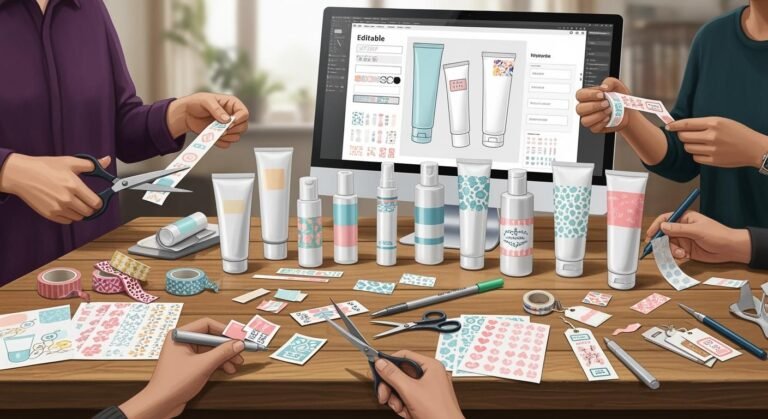
Now that we know which tools to use, it’s time to feed the AI some direction. Remember, AI is powerful, but without clear brand guidelines, the results might look generic.
Here’s what to prepare before prompting AI:
- Color Palette: For example, pastel tones for skincare or bold neons for Gen-Z beauty lines.
- Typography: Serif fonts for luxury, sans-serif for modern minimalism.
- Logo Placement: Decide whether you want the logo centered, vertical, or minimal.
- Material Preference: Matte, glossy, biodegradable, or metallic.
Example:
Imagine a natural skincare brand aiming for eco-conscious consumers. Their brief for cosmetic packaging design AI could be:
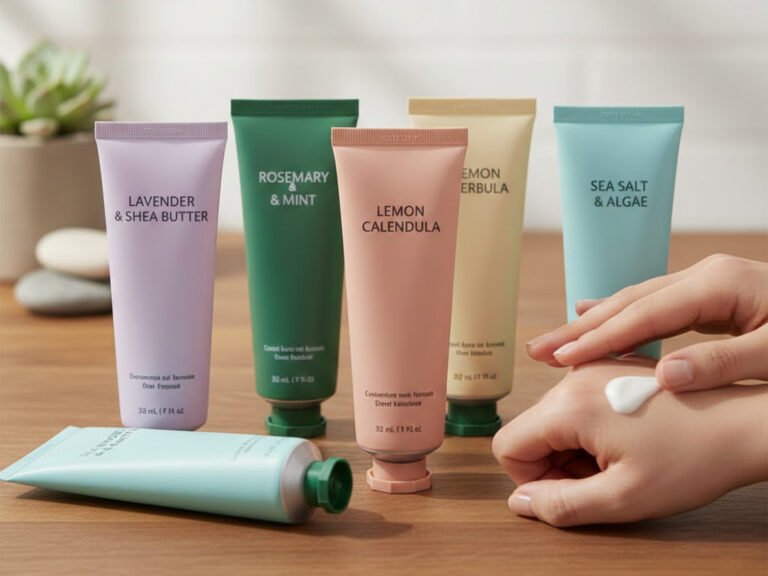
“Create a mockup cosmetic tube with a matte bamboo cap, pastel green tube, and minimalist typography using recycled materials.”
The AI then generates 5–10 variations based on these instructions, saving weeks of back-and-forth with designers.
Step 4: Designing the Cosmetic Tube with AI
This is where the fun begins. Once your brand identity is locked in, you can start experimenting with different looks.
How AI Cosmetic Tube Design Streamlines Creativity
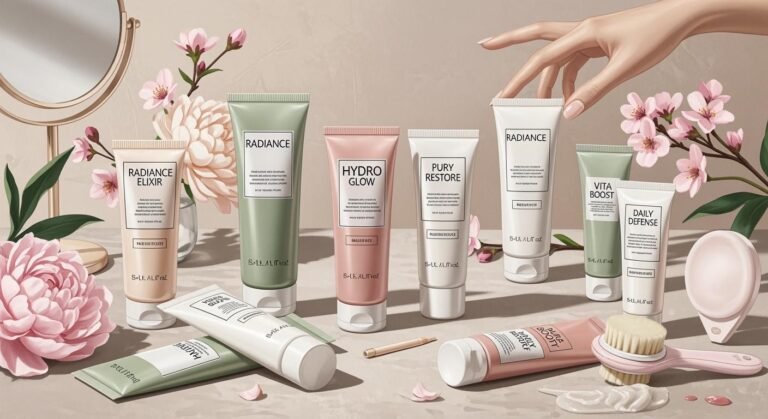
Let’s say you want a luxury sunscreen tube. With AI, you can generate variations like:
- A matte black tube with gold lettering (premium vibe).
- A translucent frosted tube with silver accents (clean and futuristic).
- A color-gradient holographic design (youthful and trendy).
AI gives you the power to see all these versions in minutes—instead of spending weeks with a design agency.
Avoiding Common Mistakes in AI Cosmetic Packaging Design
Even though AI is efficient, it’s not foolproof. Brands often make these errors:
- Overloading with Colors & Fonts: Just because AI offers 20 variations doesn’t mean you need to combine them all. Keep it simple.
- Ignoring Target Audience Preferences: A luxury anti-aging cream shouldn’t look like a teenage lip gloss tube.
- Forgetting Realism: Flat designs without shadows and textures look fake. Always add 3D realism.
- Copycat Syndrome: AI pulls inspiration from existing designs. Make sure your output doesn’t accidentally mimic a competitor’s look.
✅ Pro Tip: Partner with experts like Xinfly Packaging who know how to refine AI-generated designs into market-ready packaging.
Step 5: Adding Brand Identity and Custom Elements
When it comes to packaging, your brand identity is the soul of your cosmetic tube. Without it, your product risks looking generic—like another tube on a crowded shelf. This is why merging AI creativity with branding is crucial.
Integrating Logos, Colors, and Typography
- Logos
- Placement matters more than most people realize. For example, luxury skincare often uses centered, minimal logos for a clean effect, while trendy Gen-Z makeup brands opt for bold vertical placements.
- AI can test multiple logo positions instantly so you can see what works best for your target audience.
- Colors
- Colors evoke emotions. Pastels = calming and natural. Metallics = luxury and exclusivity. Bright neons = playful and youthful.
- AI cosmetic tube design tools can simulate how your tube’s color scheme looks under different lighting—helpful for both retail stores and online product photos.
- Typography
- Minimal fonts like Helvetica scream modern sophistication.
- Script fonts suggest elegance but can be risky if readability suffers.
- AI can help test readability at small scales (e.g., 10pt font for ingredients list).
Example in Practice
Let’s say Xinfly Packaging is designing for a high-end sunscreen brand. The AI might generate:
- Option 1: A matte white tube with the logo embossed in gold foil.
- Option 2: A frosted translucent tube with minimalist gray typography.
- Option 3: A bold, colorful gradient tube for a more playful “summer-ready” vibe.
The brand chooses Option 1 for luxury positioning, proving that AI speeds up decision-making without sacrificing creativity.
Step 6: Applying 3D Mockup Cosmetic Tube Effects
Flat designs are fine for brainstorming, but 3D mockups are the real game-changers. A 3D render allows you to preview how the product will look in real-world settings, from store shelves to Instagram ads.
Realistic Textures, Shadows, and Lighting
- Textures
- Matte textures give a soft, premium look (common in skincare).
- Gloss finishes feel energetic and are often used in haircare or makeup.
- Eco-brands may prefer “grainy” biodegradable materials for authenticity.
- Shadows & Depth
- AI adds natural shadows that make the tube feel “alive” instead of flat.
- Shadow simulation also helps brands visualize how products look under retail lighting.
- Highlight Effects
- A subtle metallic cap with highlights can elevate a simple design.
- Gradient reflections can add futuristic vibes for tech-driven beauty brands.
Real-World Example
When Xinfly Packaging partnered with a Japanese skincare startup, they used cosmetic packaging design AI to create realistic 3D renders. The AI simulated:
- Tubes under bathroom lighting (where most products are used).
- Tubes photographed against natural light for marketing campaigns.
- Virtual “shelf testing” to see how the design compared to competitors.
Result? The brand saved nearly $15,000 in prototype costs by skipping unnecessary physical samples.
Step 7: Testing Cosmetic Packaging Design AI Concepts
Even the most stunning design isn’t guaranteed to succeed unless it resonates with your target market. That’s why testing is essential.
AI Testing Methods
- A/B Testing with AI Mockups
- Upload two different tube designs into an AI survey platform.
- Let consumers vote on which one feels more appealing, trustworthy, or luxurious.
- Digital Shelf Simulations
- AI can virtually place your product on a retail shelf alongside competitors.
- This helps you see if your tube stands out—or blends in too much.
- Emotion AI Analysis
- Advanced tools analyze facial expressions of test groups when they view your packaging.
- If your eco-friendly design generates positive emotional reactions, you’re on the right track.
Case Example
A U.S. makeup brand tested two versions of their mockup cosmetic tube for foundation:
- Version A: Minimalist matte black with white typography.
- Version B: Glossy beige tube with metallic rose-gold accents.
AI consumer testing revealed 70% preferred Version B, associating it with elegance and luxury. This data-driven insight gave the brand confidence to invest in that design.
Step 8: Brand Comparisons & Case Studies
This is where the value of AI really shines—seeing how different brands have leveraged it for cosmetic tube design AI success.
Case Study: Xinfly Packaging Success Stories
One of Xinfly Packaging’s most celebrated projects involved a European skincare line that wanted eco-friendly yet luxury packaging. The challenge was balancing sustainability with premium aesthetics.
Here’s how AI helped:
- Generated 20+ mockup variations with biodegradable materials.
- Simulated different finishes—matte vs. metallic foil.
- Conducted shelf-testing simulations in European retail stores.
Final Result: A sleek matte pastel tube with embossed typography, which boosted sales by 30% in its first quarter.
Comparing Competitors in Cosmetic Tube Design AI
| Brand | Strengths | Weaknesses |
|---|---|---|
| Xinfly Packaging | Strong AI integration, eco-friendly focus, luxury finishes | Slightly higher price point |
| ABC Packaging | Affordable, mass-market production | Lacks creativity and design innovation |
| XYZ Studios | Artistic and trendy packaging styles | Limited scalability for big brands |
| BeautyMock AI Tools | Quick AI designs, beginner-friendly | Output often looks generic without customization |
Step 9: Market Insights on AI-Powered Cosmetic Packaging
Packaging is no longer just a protective container—it’s a marketing tool. With AI-powered cosmetic packaging, brands gain the ability to adapt to shifting consumer trends faster than ever.
Global Trends in AI Cosmetic Tube Mockup Design
- Minimalism with Purpose
- Less is more. Today’s buyers lean toward clean, uncluttered designs that communicate trust and transparency.
- Example: Skincare tubes with only the brand logo, product name, and a single accent color.
- Eco-Friendly Innovation
- AI simulations now let brands explore biodegradable tubes, refillable packaging, and recyclable caps before manufacturing.
- In fact, 63% of Gen Z buyers prefer sustainable packaging over traditional plastics.
- Personalized Packaging
- AI enables mass customization—think limited-edition packaging based on seasons, events, or customer preferences.
- Example: A brand can design unique tubes for Valentine’s Day or customer loyalty rewards.
- Luxury Revival with Metallic Finishes
- While minimalism dominates, luxury skincare lines are reintroducing gold, silver, and rose-gold accents to signify exclusivity.
Consumer Reactions to AI Cosmetic Packaging Design
AI isn’t just transforming how brands design—it’s influencing how consumers feel about packaging.
- Perception of Innovation: Shoppers often associate AI-generated designs with modernity and progressiveness, giving brands a tech-forward identity.
- Trust Factor: Studies show consumers are more likely to trust brands that use clean, AI-enhanced designs that emphasize transparency.
- Emotional Connection: AI-driven packaging simulations can predict which designs trigger excitement, calmness, or luxury appeal.
Case Example:
A French beauty brand tested AI-generated tubes for a new anti-aging cream. The designs featuring soft pastel tones + matte textures scored highest in customer preference because they conveyed gentleness and safety. This data-driven design approach boosted pre-orders by 22% before launch.
Step 10: Finalizing & Exporting Your Design Cosmetic Tube AI
Once your mockup cosmetic tube passes consumer testing and internal approval, it’s time to prepare it for production.
Exporting the Design for Manufacturers
Most AI design tools allow export in multiple formats:
- PSD/AI files – For editing in Photoshop or Illustrator.
- 3D OBJ/GLTF files – For manufacturers who use 3D printers or CAD software.
- High-res PNG/JPEGs – For marketing, e-commerce, and investor presentations.
Final Checklist Before Production
✔ Check typography legibility at small sizes.
✔ Test color accuracy with Pantone references.
✔ Ensure materials are compatible with mass production.
✔ Confirm regulatory compliance (especially for ingredient labeling).
At this stage, Xinfly Packaging steps in as a reliable partner, ensuring that the AI cosmetic tube mockup design translates seamlessly into real-world packaging. They bridge the gap between digital perfection and physical production.
Conclusion: The Future of AI-Powered Cosmetic Packaging
Packaging has always been about more than just looks—it’s about identity, trust, and emotion. But in today’s digital-first, eco-conscious world, packaging also needs to be adaptive, sustainable, and innovative.
That’s why AI Cosmetic Tube Mockup Design is reshaping the beauty industry. From faster workflows and sustainable testing to consumer-driven insights, AI is unlocking new possibilities.
Brands like Xinfly Packaging are proving that when technology and creativity join forces, the result is packaging that doesn’t just sit on a shelf—it tells a story, sparks emotion, and drives sales.
So whether you’re a startup skincare brand or a global luxury player, the future of packaging is clear: AI isn’t replacing designers—it’s empowering them to create better, smarter, and more sustainable designs.
AI Cosmetic Tube Mockups – Frequently Asked Questions
From prompt writing and dielines to color accuracy, finishes, 3D lighting and e-commerce thumbnails—use AI to prototype cosmetic tube designs fast and on brand.
1) How do I brief AI for a realistic tube mockup?
2) Can AI follow my exact factory dielines?
3) What’s the best way to keep brand colors accurate?
4) Which finishes does AI simulate well?
5) How can I avoid “AI artifacts” on tiny text?
6) What angles are best for e-commerce thumbnails?
7) Can AI mock up both mono-PE and PBL/ABL tubes?
8) How do I show sustainable claims responsibly?
9) What resolution should I export for print proofs?
10) Can AI generate multiple colorways for A/B testing?
11) How do I set realistic lighting and shadows?
12) What about barcodes, INCI and regulatory icons?
13) Can AI help with 3D turntables or motion?
14) How do I hand off AI concepts to manufacturing?
15) Why work with Xinfly for AI-to-factory workflow?
Ready to customize your packaging? Contact our team for detailed pricing, MOQ flexibility, and fast production samples.