
Are cosmetic tubes recyclable

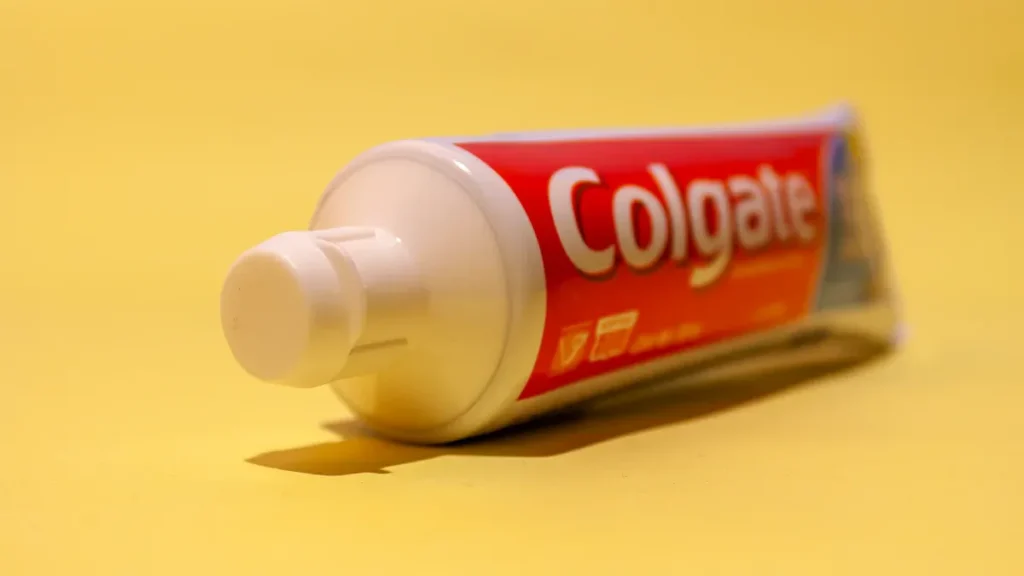
You may ask if you can recycle cosmetic tubes when you finish them. The answer depends on what the tube is made of, how big it is, and the recycling rules where you live. Every year, people throw away a lot of beauty packaging.
- About 120 billion pieces of beauty packaging become waste around the world.
You can find out how to recycle better and help cut down on packaging waste.
Key Takeaways
- Check what your cosmetic tubes are made of. Glass and aluminum can be recycled easily. Some plastics might not be accepted where you live.
- Always wash out your tubes before recycling them. Clean tubes help stop contamination. This makes recycling work better.
- Look for recycling signs on the package. The Mobius Loop means you can recycle it. The Green Dot shows the brand supports recycling.
- Know your local recycling rules. Not every city takes cosmetic tubes. Check what your local program allows.
- Think about using packaging that is better for the planet. Pick products made from glass, aluminum, or biodegradable materials. This helps cut down on waste.
Cosmetic tubes recycling
Material types
Cosmetic tubes are made from many materials. Each material gets recycled in a different way. Some tubes are plastic, and some are aluminum, glass, or cardboard. You can find PET, PP, HDPE, and PCR plastic tubes. Some brands use sugarcane-based packaging to help the environment.
Here is a table that shows the main material types and their recycling rates:
| Material Type | Recycling Rate Description |
|---|---|
| Glass | 100% recyclable, but only 33% recycled in the US. |
| PCR Plastic | Fully recyclable, can be recycled 7-9 times. |
| PET | Highly recyclable, almost infinitely recyclable. |
| PP | Recyclable, but only 1% is disposed of environmentally friendly. |
| HDPE | Highly recyclable, accepted by most recycling programs. |
| Aluminum | Infinitely recyclable, with high recycling rates. |
| Sugarcane-based Packaging | Can be recycled, but not in the traditional sense. |
Glass and aluminum tubes are easy to recycle. Aluminum tubes can go in the same bin as cans. Glass tubes are recyclable, but not many get recycled in the US. Plastic tubes come in different types. PET and HDPE tubes are easy to recycle. You might see a recyclable hdpe tube at home. PP tubes can be recycled, but most places do not recycle them well. PCR plastic is good because it can be recycled many times.
Local recycling rules
Check your local recycling rules before you recycle cosmetic tubes. Some places take plastic tubes, but some do not. Aluminum tubes usually go with metal cans, but check with your city. Glass and cardboard tubes can be recycled, but rules are different everywhere.
Tip: Rinse out your cosmetic tubes before recycling. Clean tubes help recycling and stop contamination.
Some cities recycle tubes, but others do not. Look for recycling symbols on the package. You can visit your local recycling website or call the waste office. Rules can change, so check often. This helps make sure your cosmetic tubes get recycled the right way.
Plastic tube recyclability
Identifying recyclable plastics
You find many plastic tubes in your bathroom. Some tubes are simple to recycle. You should check the recycling symbol on the tube’s bottom. Most cosmetic tubes use these plastics:
- PCR: These tubes use recycled materials from people. They help lower pollution and stay strong.
- Recycled PE or PP: These tubes use recycled plastic. They keep their shape and cost less money.
- Bio-based plastics: Some brands use sugarcane or plants. These tubes come from things that grow back and have less pollution.
Look for resin codes on your tubes. The most common codes are #1 (PET) and #2 (HDPE). These codes mean your tube is probably recyclable. Here is a table to show which plastics most recycling programs accept:
| Plastic Type | Common Uses | Recyclability |
|---|---|---|
| PET (Polyethylene Terephthalate) | Bottled drinks, cooking oil containers | Most curbside recycling programs accept these |
| HDPE (High-Density Polyethylene) | Shampoo bottles, yogurt tubs | Many curbside recycling programs accept these, but it can depend on the item |
Tip: Rinse your tube before recycling. Clean tubes help recycling and stop contamination.
Size and shape barriers
Not all plastic tubes go in the recycling bin. Many recycling programs do not take small tubes. If your tube is smaller than a child’s fist or a yogurt cup, it may not get recycled. Most programs want tubes that are empty, clean, and marked with #1, #2, #3, or #5.
- Small tubes (under 40x40mm) are missed by sorting machines.
- Tubes with layers or mixed materials are hard to recycle. These tubes need special places to separate the layers.
- Tubes made from one kind of plastic are easier to recycle. If your tube uses only one plastic, it has a better chance.
You can cut off the tube’s bottom. This helps you rinse out leftover product. Clean tubes are easier to recycle. Dark tubes and tubes with mixed materials may not be accepted. Always check your local recycling rules before putting tubes in the bin.
Note: If your tube is not accepted by curbside recycling, look for drop-off programs or other recycling services.
Plastic tube recyclability depends on the plastic type, tube size, and your local recycling program. You can help by picking recyclable tubes and making sure they are clean and empty before recycling.
Check cosmetic tubes
Recycling symbols
You can learn a lot from the symbols on your cosmetic tubes. These symbols help you know if you can recycle the packaging. The most common symbols include the Mobius Loop and the Green Dot. The Mobius Loop shows that the packaging is recyclable. Sometimes, you see a number inside the triangle. This number tells you what type of plastic the tube uses. The Green Dot means the brand supports recycling, but it does not always mean you can recycle the tube in your area.
| Symbol | Description |
|---|---|
| Mobius Loop | A triangle with three arrows. This means the packaging is recyclable. Sometimes, it shows a plastic type number. |
| The Green Dot | Two green arrows forming a circle. This means the brand supports recycling, but the packaging may not be recyclable locally. |
Tip: Always check for recycling symbols before you throw away a cosmetic tube. These symbols give you clues about what to do next.
You should look for these symbols on the bottom or side of the tube. If you see the Mobius Loop with a number like 1 or 2, your tube is likely recyclable. If you only see the Green Dot, you need to check with your local program.
Local program guidelines
Every city has its own rules for recycling cosmetic tubes. You need to confirm what your local waste service accepts. Some cities do not take cosmetic tubes, even if they have recycling symbols. You can use online resources and recycling apps to help you check. Here are some helpful tools:
- Close the Loop helps you find solutions for recycling cosmetic packaging.
- Garnier® Free Recycling Program collects skincare and haircare tubes and turns them into new products.
- Plastic Squeeze Tubes gives you updates about tube recyclability and new recycling efforts.
You should contact your local waste office or visit their website. Many cities list what you can recycle. You can also use recycling apps to scan the barcode and get information. Always verify before you put a tube in the bin. This step helps you avoid mistakes and keeps recycling programs working well.
Note: Some cities exclude cosmetic tubes from recycling. Always check your local guidelines to make sure you recycle the right way.
Recycling barriers
Mixed materials
It is hard to recycle cosmetic tubes made from mixed materials. Many tubes have layers of plastic, metal, or foil. These layers make it tough for recycling centers to sort and process them. If a tube has a plastic body, a foil label, and a different cap, it is harder to recycle.
- Products with many materials need extra steps to pull apart.
- Multi-material packaging, like PET bottles with PP caps and foil labels, is tricky because each part melts at a different heat.
- Recycling mixed material tubes costs more money and takes more time.
Here is a table that shows how multi-layer packaging affects recyclability:
| Evidence Point | Description |
|---|---|
| Recycling Challenges | Multi-layer packaging makes sorting and processing harder, so fewer get recycled and more get mixed up. |
| Material Composition | Using many kinds of plastics and other materials in one package makes recycling tough because they melt at different heats. |
| Current Recycling Rates | Only about 40% of plastic packaging gets recycled in the EU, so better recycling tech is needed for these packages. |
Small tubes and dark packages are also a problem. Sorting machines often miss small tubes. Dark colors make it hard for machines to see what the tube is made of. Try to pick simple packaging when you can to help recycling.
Residue issues
Leftover product inside tubes can stop them from being recycled. Many recycling centers will not take tubes with stuff left inside because it can ruin the recycling batch. You need to clean tubes before you recycle them.
- Squeeze out all the leftover product.
- Cut off the top and wash the inside with hot water and soap.
- Dry the tube before you recycle it.
- Recycle the cap and tube by themselves.
You can save up empty tubes and clean them all together. Take off all caps, pumps, and lids to clean them well. Soak tubes in a bowl or sink instead of using running water. Use a straw brush for small tubes.
Cleaning and taking apart cosmetic packaging before recycling helps a lot. When you get rid of leftover product, it is easier for recycling centers to handle your tubes.
Solutions and alternatives
Take-back programs
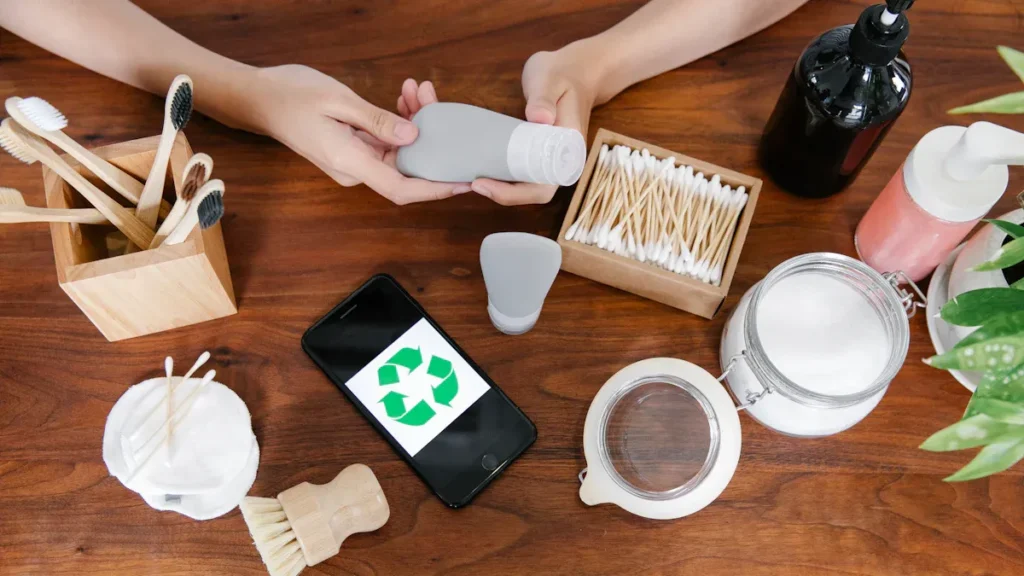
You can recycle empty tubes by using take-back programs. Many stores and brands have these programs. They help you return used tubes and bottles. This makes recycling empty containers easier. Some brands take packaging from any company. You do not have to worry about the brand name. You can find drop-off bins at some department stores. You can also mail back your items. Here is a table that shows popular take-back programs and what you get for joining:
| Brand | Program Description | Rewards Offered |
|---|---|---|
| Pacifica | Partners with Preserve to recycle packaging into new products. | 100 points on loyalty account per return |
| Origins | Accepts a wide range of packaging from any brand for recycling. | Free sample of choice from products |
| Colgate | Partners with TerraCycle for oral care product packaging recycling. | Points redeemable for charitable gifts |
| Kiehl’s | Allows recycling of products one at a time for rewards. | Travel-size product for 10 points |
| bareMinerals | Accepts empty containers from any brand for recycling. | 5 points per container, up to 25 points |
You can use Pact Collective bins at some stores. Pact lets you drop off any beauty empties. This includes hard-to-recycle containers. MAC gives you a free lipstick if you bring back six empty packages.
Third-party recycling
Some items cannot go in your regular recycling bin. You can use third-party recycling services for these things. TerraCycle collects many kinds of cosmetic tubes. They turn them into new materials. You can mail in your tubes or join a local group. g2 Revolution helps businesses recycle hard-to-recycle containers. They shred and sort them before making new products. These services help keep your tubes out of landfills.
Tip: Always check if your local recycling program takes cosmetic tubes before using third-party services.
Sustainable packaging
You can pick products with sustainable packaging to make less waste. Brands now use sugarcane, aluminum, bamboo, and glass for their tubes. Aluminum tubes are a good choice because you can recycle them many times. Paper-based tubes from L’Oréal and Albéa use less plastic. Stora Enso’s paperboard tubes use 70% less plastic. Refillable options help too, but check if you can recycle the design. Not all refillable systems are the same, so choose ones made from recyclable materials.
Choosing sustainable packaging and using take-back programs helps you protect the environment and support better recycling.
You can help the planet by recycling cosmetic tubes and picking eco-friendly choices. The table below shows some important things about the future of cosmetic tubes:
| Key Aspect | Details |
|---|---|
| Market Value | USD 4.2 billion in 2025, doubling by 2035. |
| Innovation | Eco-friendly redesigns drive better packaging. |
| Future Trends | More refillable, upcycled, and carbon-negative packaging expected. |
Using sustainable packaging cuts down on waste and saves resources. Each year, millions of pounds of packaging go to landfills. You can make a difference by doing these things:
- Try using glass or biodegradable cosmetic tubes.
- Pick refillable products to make less trash.
- Take off any extra packaging you do not need.
Even small changes in what you pick can really help the environment.
Are Cosmetic Tubes Recyclable? – Frequently Asked Questions
Understand which tube types are recyclable (PE, PBL, ABL, aluminum), how to prep them correctly, regional differences, and how brands can design for better end-of-life.
1) Are cosmetic tubes recyclable?
2) What does “mono-material” mean and why does it help?
3) How do I tell if my tube is PE, PBL or ABL?
4) Are aluminum cosmetic tubes recyclable?
5) Do I need to rinse tubes before recycling?
6) Cap on or cap off?
7) Do foils and heavy metallization reduce recyclability?
8) Are PCR and bio-based PE tubes recyclable?
9) Are PBL tubes recyclable?
10) Are ABL tubes recyclable?
11) What should brands do to improve recyclability?
12) What about airless pump tubes and special closures?
13) Regional differences—why do they matter?
14) If my city won’t take tubes, what are my options?
15) Why does Xinfly Packaging recommend mono-PE?
Ready to customize your packaging? Contact our team for detailed pricing, MOQ flexibility, and fast production samples.