
Cosmetic Tube Manufacturer: The Complete Guide to Custom Packaging Solutions in 2025

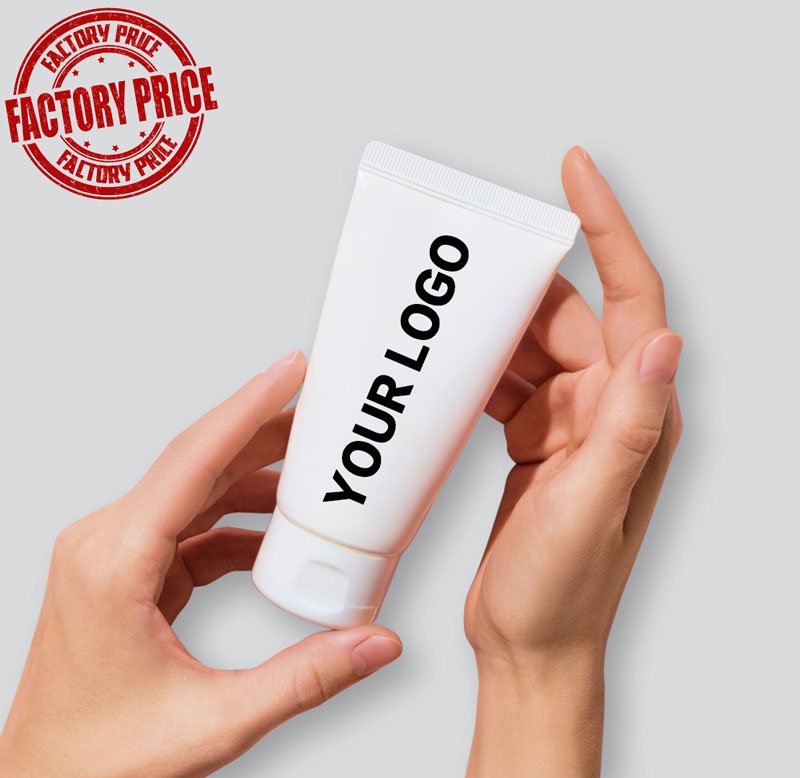
Have you ever noticed how much your first impression of a cosmetic product depends on its packaging?
Before you even read the brand name, that sleek squeeze tube or shiny aluminum finish has already made a statement.
In 2025, cosmetic tubes have evolved far beyond simple containers — they’re now powerful branding tools, sustainability symbols, and engineering masterpieces. Whether it’s a recyclable PCR plastic tube or a luxurious aluminum airless design, every detail matters.
In this comprehensive guide, we’ll take you behind the scenes of how a cosmetic tube manufacturer like Xinfly Packaging helps brands create packaging that stands out — from materials and decoration to MOQ, lead time, and certifications.
Key Takeaways
- Cosmetic tubes evolved into powerful branding tools, ensuring aesthetic appeal and functionality in 2025.
- Xinfly Packaging transforms raw materials into innovative, customized cosmetic tubes, bridging design and production.
- Sustainability drives the cosmetic packaging market, with eco-friendly options becoming essential for brands.
- Customization options for tubes include size, cap styles, and printing methods, enhancing brand identity.
- Partnership with a reputable cosmetic tube manufacturer like Xinfly Packaging ensures high-quality, sustainable solutions.
Table of Contents
1. Understanding the Role of a Cosmetic Tube Manufacturer
What Exactly Does a Cosmetic Tube Manufacturer Do?
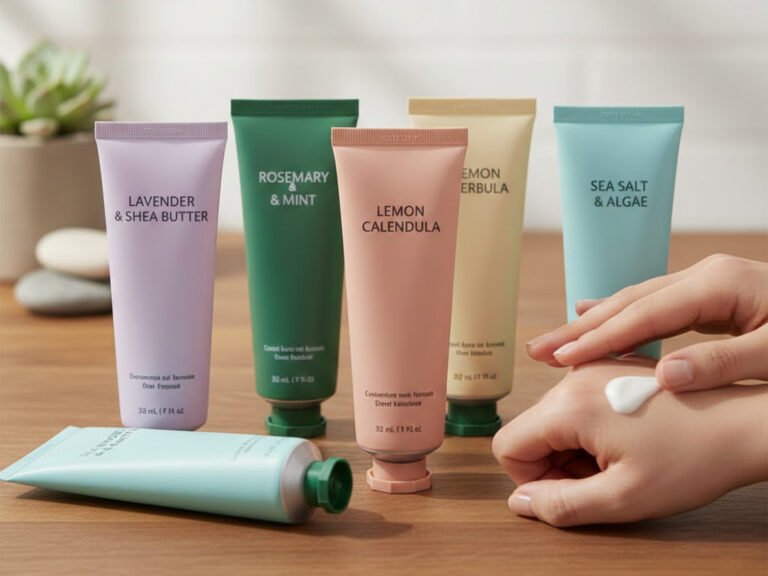
A cosmetic tube manufacturer is more than just a factory. It’s a combination of design, technology, and innovation that transforms simple raw materials into perfectly branded packaging. Manufacturers like Xinfly Packaging bridge the gap between creative vision and technical production — turning your brand’s concept into a tangible product that speaks for itself.
From extrusion molding to printing, and from prototype to mass production, every step is designed for precision, quality, and brand impact.
Cosmetic Tubes as Brand Identity Tools
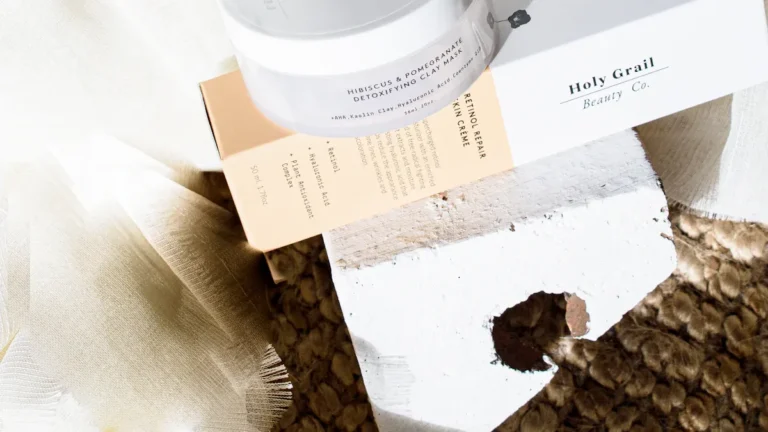
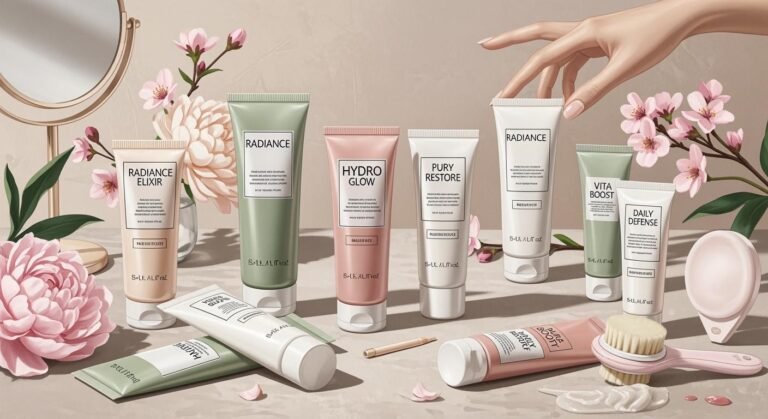
In a crowded beauty market, packaging isn’t just about functionality — it’s about storytelling.
Think of cosmetic tubes as your silent salespeople — they showcase your product’s values, sustainability, and luxury without saying a word.
2. The Growing Importance of Cosmetic Tubes in 2025
The global cosmetics industry is expected to exceed $650 billion by 2025, and packaging is leading the innovation race.
Brands are switching from rigid bottles and jars to flexible cosmetic tubes because they:
- Offer lightweight and eco-friendly options
- Provide better protection and dosage control
- Allow for versatile design and branding flexibility
According to industry data, more than 40% of new skincare launches now use tube packaging.
And that number is still climbing.
3. Types of Cosmetic Tubes: Materials and Structure
Let’s dive deep into the materials — because this is where true innovation happens.
PE (Polyethylene) Tubes
PE tubes are the most common and versatile. They’re lightweight, affordable, and suitable for most skincare, haircare, and personal care products.
- ✅ Excellent flexibility
- ✅ Good for creams, gels, and lotions
- ✅ Can be customized with matte, glossy, or pearl finishes
Pro tip: In 2025, PE tubes are now widely made with PCR (post-consumer recycled) material, reducing carbon footprint without compromising quality.
ABL (Aluminum Barrier Laminate) Tubes
ABL tubes combine plastic and aluminum layers — creating a perfect barrier against oxygen, light, and moisture.
Ideal for toothpaste, BB cream, and medical ointments.
- High barrier performance
- Strong and durable
- Excellent printing adaptability
Xinfly Packaging offers both ABL and PBL (Plastic Barrier Laminate) tubes — tailored to different formulas and brand preferences.
Aluminum Tubes
Want a premium, metallic finish? Aluminum is your go-to.
- 100% recyclable
- Offers a luxurious, cold-touch feel
- Perfect for high-end skincare, hand cream, or foundation products
In sustainability-driven 2025, aluminum tubes have become one of the top choices among eco-conscious beauty brands.
Eco-Friendly Options: PCR, Sugarcane & Wheat Straw
Sustainability isn’t optional anymore — it’s a core part of branding.
Eco-friendly tube materials include:
- PCR Plastic: made from recycled consumer waste
- Sugarcane PE: derived from renewable plant-based ethanol
- Wheat Straw Plastic: reduces agricultural waste while maintaining durability
Each of these materials represents a step toward greener cosmetic packaging — and Xinfly Packaging is at the forefront of integrating them into mass production.
4. Inside the Manufacturing Process
Let’s walk through the fascinating journey of how your cosmetic tube is made — from resin to retail-ready product.
Step 1: Extrusion Molding
The process begins with extruding plastic pellets (PE or PCR) into long tubular sleeves. The precision here determines wall thickness, diameter, and flexibility.
Step 2: Printing and Decoration
This is where branding magic happens. Using silk-screen printing, hot stamping, offset printing, or digital printing, your logo and design come to life.
Step 3: Heading and Sealing
The tube head and cap are welded or attached, creating a leak-proof structure. Options include screw caps, flip tops, and airless pumps.
Step 4: Quality Control
Each batch goes through:
- Pressure and leakage tests
- Color consistency checks
- Logo alignment inspections
Step 5: Packaging and Shipping
Finally, the finished tubes are carefully packed and shipped to global customers — often within 25 working days from confirmation to delivery.
5. Customization Options: Where Brands Stand Out
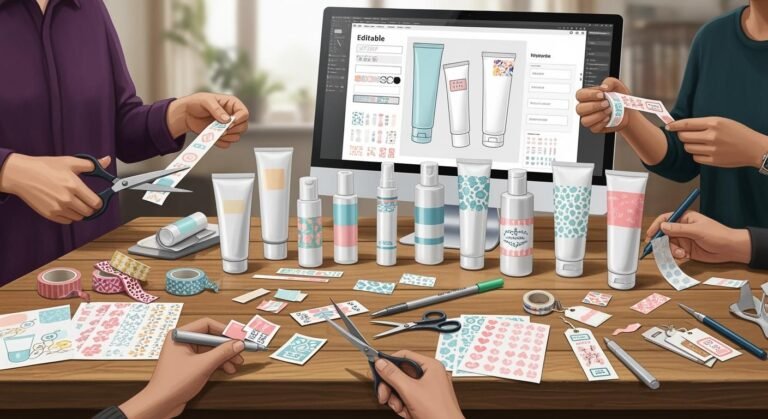
Customization is what transforms a standard tube into a signature product.
1. Size and Volume
From 10ml travel mini tubes to 200ml full-size containers, every product type has a matching tube.
2. Cap and Pump Styles
- Flip-top cap (most common)
- Screw cap (minimalist design)
- Airless pump (premium and hygienic)
- Metal or bamboo caps (eco-luxury trend)
3. Finishing and Effects
Visual appeal matters. Choose from:
- Glossy / Matte lamination
- Metallic hot stamping
- Gradient or frosted textures
- Embossed / debossed logos
4. Printing Methods
| Printing Method | Description | Best For |
|---|---|---|
| Silk Screen | Layered ink for strong color | High-end skincare |
| Offset | Fast and cost-efficient | Large-volume runs |
| Hot Stamping | Metallic, reflective finish | Luxury branding |
| Digital | Short-run, no setup | Personalized designs |
6. MOQ, Sampling, and Lead Time Explained
When working with a cosmetic tube supplier, understanding production terms helps you plan better.
| Process | Typical Quantity | Lead Time |
|---|---|---|
| Samples | 5–20 pcs | 7–10 days |
| Mass Production | MOQ 5,000–10,000 pcs | 25–30 days |
| Customized Mold | Depending on complexity | 30–45 days |
Xinfly Packaging provides flexible MOQs for small brands and startups — a huge advantage if you’re testing the market.
7. Certifications and Quality Assurance
Quality is the backbone of credibility.
A professional cosmetic packaging factory like Xinfly Packaging holds multiple international certifications, such as:
- ISO 9001: Quality Management
- ISO 14001: Environmental Management
- RoHS & REACH: Material safety compliance
- FDA Approval: Safe for cosmetic-grade use
These certifications guarantee that every tube you receive meets strict global standards.
8. Global Market Insights: The Future of Cosmetic Tubes
In 2025, the cosmetic packaging market is being shaped by three dominant forces:
1. Sustainability
Recyclable and biodegradable materials are driving buyer decisions. Brands adopting eco-tubes report up to 40% higher consumer trust.
2. Digital Printing and Smart Packaging
QR codes, NFC tags, and digital personalization are now part of tube design — turning each package into an interactive marketing tool.
3. Customization at Scale
Thanks to automation, small MOQ custom runs are now affordable. Even indie brands can access high-end packaging that used to be exclusive to big names.
9. Case Study: Xinfly Packaging’s Success with Eco-Friendly Brands
Case Example: Sustainable Hotel Amenity Line (2024–2025)
A leading hotel group in Australia partnered with Xinfly Packaging to replace all traditional plastic tubes with wheat straw cosmetic tubes.
- Problem: Plastic waste and poor brand perception.
- Solution: Custom 30ml biodegradable wheat-straw tubes for shampoo and conditioner.
- Result: Reduced 40% plastic waste, improved guest satisfaction, and boosted eco-branding visibility.
This case became a benchmark for sustainable hotel amenities across the Asia-Pacific region — and proved how packaging innovation can elevate both sustainability and customer loyalty.
10. Why Partner with Xinfly Packaging
Choosing the right cosmetic tube supplier is the difference between a standard product and a standout brand experience.
Why Xinfly Packaging Leads the Market
- 15+ years of professional manufacturing experience
- Complete in-house design, extrusion, printing, and assembly
- Support for eco materials (PCR, sugarcane, wheat straw)
- Fast sample turnaround and strict QC at every stage
- Global export experience (USA, UK, Canada, Australia, Japan, EU)
When you partner with Xinfly Packaging, you’re not just getting tubes — you’re gaining a strategic partner in your brand’s success.
Conclusion: The Future Is Flexible, Sustainable, and Branded
Cosmetic packaging isn’t just evolving — it’s revolutionizing how consumers connect with beauty brands.
The future belongs to those who invest in sustainable, innovative, and beautifully designed cosmetic tubes.
With Xinfly Packaging as your trusted cosmetic tube manufacturer, you get the best of design, engineering, and eco-friendly innovation — tailored for your brand’s success in 2025 and beyond.
So, are you ready to create packaging that people remember?
Let’s make your next product shine — inside and out.
Frequently Asked Questions
Everything brands ask about 2025 cosmetic tube solutions—materials, sustainability, printing, barriers, MOQ, lead time, quality, compliance, and cost control.
Q1Which tube materials should I consider in 2025?
Q2How do I choose the right barrier structure?
Q3What PCR level is practical without hurting appearance?
Q4Which printing and decoration options are available?
Q5What MOQs and lead times should I plan for?
Q6How do you ensure quality for e-commerce shipping?
Q7Which closures and applicators can I choose?
Q8How can I control cost without losing premium feel?
Q9What documentation will I need for compliance?
Q10Can you help with artwork and sampling?
Ready to build your 2025 tube lineup?
Share formula, sizes, PCR/bio targets, decoration and timeline—we’ll recommend structures, send samples, and quote fast.