
How to Choose the Best Custom Cosmetic Tube Supplier for Your Brand (2026 Audit Guide)


In the global beauty market, your packaging supplier is more than just a vendor—they are a guardian of your brand’s reputation. A minor defect in a custom cosmetic tube, such as a leaking seal or fading print, can lead to costly recalls and damage consumer trust.
So, how do you distinguish a world-class manufacturer from a middleman? This 2026 guide outlines the essential criteria for auditing and selecting a custom cosmetic tube supplier that aligns with your brand’s growth and quality standards.
Cosmetic Tubes Market Size and Share Forecast Outlook 2025 to 2035,The Cosmetic Tubes Market is estimated at USD 2.9 billion in 2025 and is projected to reach USD 4.6 billion by 2035, reflecting a CAGR of 4.7% between 2025 and 2035. The parent market, Cosmetic Packaging, is valued at USD 35.8 billion in 2025, placing tubes at a 8.1% share of total packaging demand by value.Imagine you want your skincare line to get noticed. Shelves are crowded with many products. You need a supplier who knows your formula well. They should offer Custom Cosmetic Tubes that fit your brand’s style. Picking the right supplier helps your product work better. It also helps you reach more shoppers. If you choose packaging that feels special and eco-friendly, you get loyal customers. You also see better sales.
- Custom packaging helps shoppers feel close to your brand.
- Eco-friendly tubes change what customers think about you.
- Personalized designs help brands get loyal fans and more sales.
You can make a good choice by thinking about what matters most for your brand.
Key Takeaways
- Choosing the right supplier for custom Cosmetic Tubes boosts your brand’s visibility and sales.
- Define your packaging needs based on product characteristics, size, and brand goals for better alignment.
- Consider eco-friendly options like biodegradable materials to appeal to environmentally conscious consumers.
- Customization capabilities in design and finishes enhance brand identity and customer loyalty.
- Quality control and sustainability practices are crucial in selecting a reliable cosmetic tube manufacturer.
Technical Capability and Machinery
A premium supplier must possess the latest technology to ensure consistency across millions of units. When vetting a factory, ask about:
- Extrusion Precision: Do they use multi-layer co-extrusion lines (e.g., 5-layer EVOH technology) for high-barrier protection?
- Decoration Versatility: Can they handle complex designs? Look for a supplier offering 8-color offset printing, high-definition silk screening, and digital printing for smaller, high-detail batches.
- Tooling & Mold Inventory: A wide range of existing molds (from D13mm to D60mm) saves you thousands in initial tooling costs.
Quality Management Systems (QMS)
In the B2B world, “quality” is a measurable metric, not a vague promise. A reliable supplier should provide evidence of:
- International Certifications: Look for ISO 9001:2015 (Quality Management) and ISO 14001 (Environmental Management). If you are in the clinical or pharma-cosmetic space, ask for GMP-compliant production environments.
- Rigorous Testing Protocols: A top-tier supplier performs:
- Vacuum Leakage Tests: To ensure the cap and seal are airtight.
- Ink Adhesion Tests: Ensuring your branding doesn’t peel off during shipping or use.
- Dimension Consistency: Using digital calipers to ensure every tube fits the filling machine perfectly.
Sustainability and Eco-Innovation
By 2026, sustainability is a core requirement for global retailers (Sephora, Ulta, Boots). Your supplier must offer more than just standard plastic:
- PCR (Post-Consumer Recycled) Expertise: Can they reliably source high-quality PCR that doesn’t affect the tube’s color or integrity?
- Monomaterial Solutions: Do they offer Recycle-Ready tubes (e.g., all-PE structures including the cap)?
- Bio-based Resins: Ask about Sugarcane PE or Kraft paper tubes for an organic brand image.
Supply Chain Transparency and Lead Times
For a brand manager, timing is everything. A professional supplier provides a transparent roadmap:
| Service Aspect | Standard Manufacturer | Premium Partner (Xinfly) |
| Sample Lead Time | 14–21 Days | 7–10 Days |
| Mass Production | 45–60 Days | 25–35 Days |
| Communication | Occasional updates | Real-time production tracking |
| Logistics Support | EXW/FOB only | DDP/Door-to-Door globally |
Value-Added Services: Beyond Manufacturing
The best suppliers act as consultants. Look for a partner that offers:
- Compatibility Testing: Providing empty samples for your specific formula’s stability testing.
- Design Support: Ensuring your artwork is optimized for the tube’s curvature to avoid distortion.
- Flexible MOQs: Supporting your “Indie” sub-brands or limited-edition launches with lower minimums.
Define Your Packaging Needs
Before you start searching for a custom cosmetic tube supplier, you need to get clear about what your product needs. This step helps you avoid mistakes and makes sure your packaging matches your brand’s style and goals.
Product Characteristics
Formula and Compatibility
Your product’s formula matters a lot. Some formulas react with certain materials. For example, oily creams might need tubes that block air and light. Water-based gels often work best with plastic tubes. You want packaging that keeps your product safe and fresh.
Tip: Always check if your formula needs special protection from air, light, or moisture. Ask your supplier about compatibility with different tube materials.
Here’s a quick look at common tube materials and their features:
| Material Type | Characteristics | Implications |
|---|---|---|
| Soft, malleable | Attractive appearance, easily shaped | More likely to get damaged in transit |
| Hard plastic, metal | Durable, keeps shape | Less likely to break |
| PP or PE plastic | Lightweight, non-toxic, elastic | Fits modern design needs |
The texture of your cosmetic tubes also changes how people feel about your product. Smooth tubes feel fancy and high-end. Rough textures can make your product seem sturdy and reliable. If you sell skincare, think about how the tube feels in the hand and how easy it is to use.
Size and Capacity
You need to pick the right size and capacity for your tubes. If your product is a travel-size lotion, you want a small tube that fits in a purse. For family-size sunscreen, you need a bigger tube. The right size and capacity make your product easy to use and store. It also helps you control costs and avoid waste.
- Color is another key factor to consider. It can make people feel happy, calm, or excited. Color shows off your brand’s personality and quality. When you choose colors that work well together, your packaging looks more professional.
Brand Goals and Budget
Your brand goals shape every choice you make. Do you want your product to look luxurious or simple? Are you trying to stand out on crowded shelves or fit in with eco-friendly brands? Your packaging should match your brand’s message.
Budget is important too. Printing methods change how your packaging looks and how much it costs. Premium brands often use hot stamping or screen printing for a fancy look. Mass-market products usually pick offset printing because it’s cheaper and consistent. If you make small batches, digital printing works well. For big orders, gravure printing saves money. You need to balance your budget with your brand’s goals.
Note: Sustainability is a big trend. Many shoppers want eco-friendly packaging and will pay more for it. You should think about how your choices affect the planet and your brand’s image.
Here are some things to remember:
- More people want eco-friendly packaging.
- You should think about how your packaging affects the environment.
- Your packaging needs to look good and be sustainable.
When you know your product’s formula, size and capacity, brand goals, and budget, you can find a supplier who meets your needs. This step sets you up for success and helps your brand shine.
Explore Cosmetic Tube Material Options
Picking the right cosmetic tube material can be hard. You want your product to look nice. You want it to stay safe. You also want to save money. It is important to think about the environment too. Let’s look at your choices so you can pick the best one for your brand.
Material Types
Plastic, Aluminum, Laminated
You have a few main tube choices. Each type has its own good points.
- Plastic tubes are used the most. They are light and cost less than other tubes. Many brands pick plastic because it works for many products. Plastic tubes help keep costs low.
- Aluminum tubes look shiny and protect your product from light and air. They are good for creams with special ingredients. Aluminum tubes work well for products that need extra care.
- Laminated tubes have layers of plastic and aluminum. They give good protection and cost less than aluminum. These tubes are good for products that need a strong barrier but not a fancy look.
Here is a table to show how these materials compare:
| Material | Durability | Cost-Effectiveness | Additional Notes |
|---|---|---|---|
| Plastic | Strong and flexible, but not as good as aluminum. | Cheap and light, great for many products. | New types include biodegradable and multilayer tubes. |
| Aluminum | Very strong, does not bend or break easily. | Costs more, best for fancy products that need extra care. | Blocks light and air, keeps products fresh longer. |
| Laminated | Good mix of strength and price. | Costs less than aluminum, better than plastic. | Good for products that need protection but not a fancy look. |
Tip: Always pick a tube that matches your product’s formula. Water-based gels work well in plastic tubes. Acid-based creams need aluminum tubes for extra safety.
Performance and Cost
Your packaging should keep your product safe and fresh. You also want to spend less money. Here is what you should know:
- Plastic tubes cost the least. They work for most beauty products. You can buy them for about $0.40 each.
- Aluminum tubes cost more but protect your product better. They are best for fancy creams or products with special ingredients.
- Laminated tubes cost in the middle. They give good protection and a fair price.
Here is a table with average costs:
| Material Type | Average Cost per Unit |
|---|---|
| Plastic Containers | $0.40 – $1.50 |
| Aluminum Collapsible Tubes | $0.50 – $2.00 |
| Eco-Friendly Tubes | Higher because of special materials |
Remember, the price depends on how many tubes you buy. If you buy more tubes, each one costs less. Eco-friendly tubes cost more because they use special materials.
When you pick a tube, think about how well it keeps your product safe. Aluminum tubes block light and air. This helps your product last longer. Laminated tubes also keep out air and water. Plastic tubes work for most products but may not protect as well as aluminum.
Sustainability Factors
Many people care about the environment. They want brands to use less plastic and more earth-friendly tubes. You can help by picking tubes made from bioplastics, biodegradable, or recyclable materials.
- Bioplastics are made from plants like corn or sugarcane. They break down faster than regular plastic.
- Biodegradable tubes help cut down on trash in landfills.
- Recyclable tubes let people reuse the material, which helps the planet.
Manufacturers use new technology to make tubes that are better for the earth. Some use AI to make less waste and work faster. You can show you care by picking green options.
Note: The tube material you pick affects your product’s safety, your costs, and the planet. Take time to think about your choices. Make sure your packaging matches your brand and what your customers want.
Custom Cosmetic Tubes: Design and Features
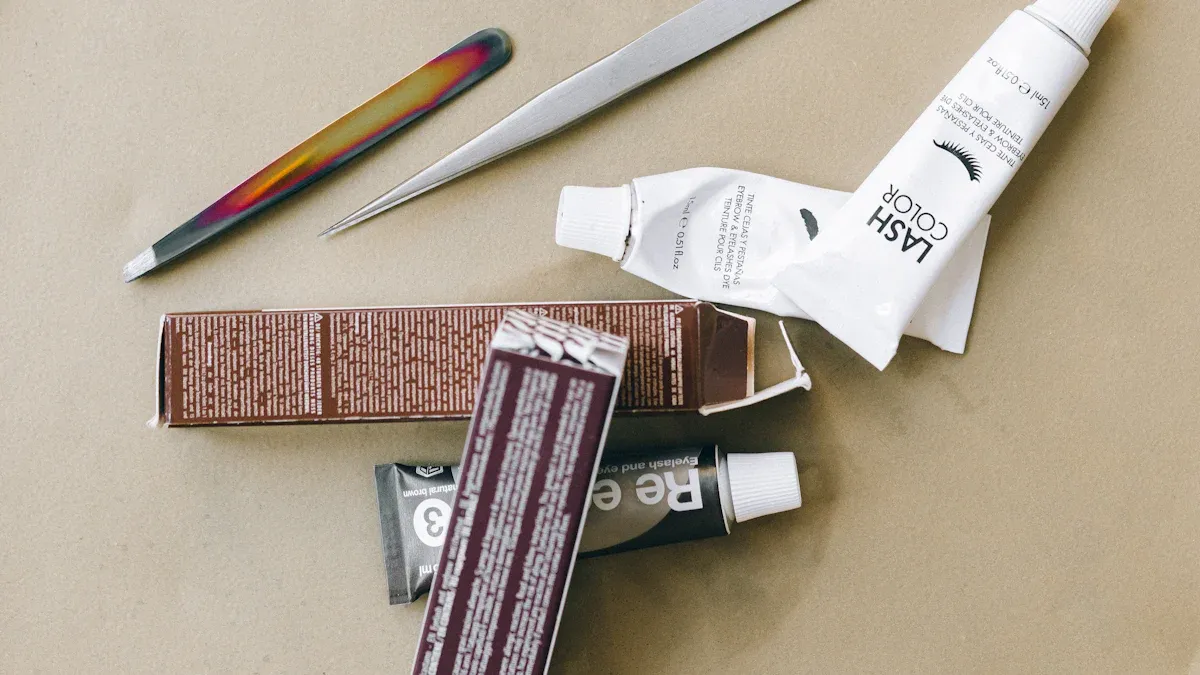
Customization Capabilities
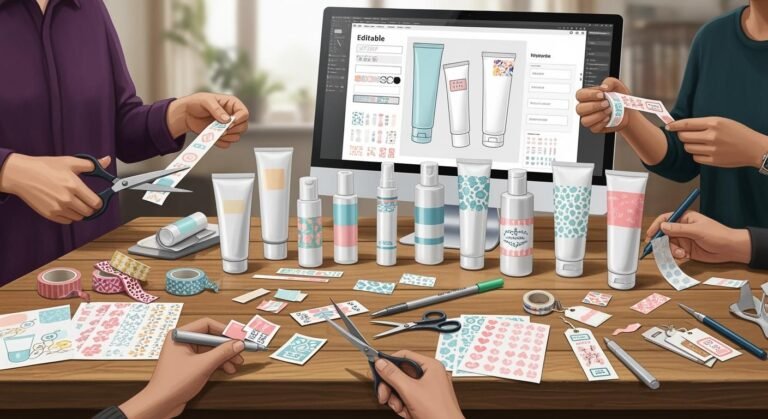
You want your tubes to look different. Custom options help your packaging match your brand. You can pick finishes, cap styles, and tail seal shapes. These choices make your product special. Customers notice when packaging feels unique.
Here’s a table with popular ways to customize:
| Customization Aspect | Description |
|---|---|
| Surface Finishing | Finishes can make tubes shiny or soft. |
| Cap Options | Many cap designs add style and use. |
| Tail Seal Designs | Arc, round, or perforated seals look custom. |
| Personalized Packaging | Special labels and designs make tubes exclusive. |
| Sustainable Materials | Eco-friendly choices attract shoppers who care. |
Tip: Custom packaging helps you connect with customers. It shows you care about quality and details.
Printing and Finishes
Printing makes your tubes stand out. Digital printing gives bright colors and sharp details. It works well for small batches. You can change designs quickly. Good printing makes your brand look professional. Shoppers remember products with nice packaging.
Here’s how printing and finishes help your brand:
| Evidence Description | Impact on Branding |
|---|---|
| High-quality printing makes your product stand out. | Shoppers notice and remember your brand. |
| Eco-friendly printing shows you care about the earth. | Builds trust with customers who want green choices. |
| Pretty tubes can be kept as decorations. | Adds value and makes people keep your packaging. |
- Digital printing lets you use full-color designs.
- You can make tubes with detailed patterns.
- This method saves time and cuts down on waste.
Note: Printing and finishes are more than looks. They help tell your brand’s story and make packaging memorable.
Applicators and Closures
The right applicator makes your product easy to use. You can choose from many types. Some applicators help with careful application. Others cover bigger areas fast.
Here’s a table of common applicators:
| Applicator Type | Description |
|---|---|
| Doe-Foot Applicator | Good for lip gloss and creamy items. |
| Brush Applicator | Great for fine lines and detail. |
| Rollerball Applicator | Spreads product evenly, good for eyes and perfumes. |
| Slant Tip Applicator | Helps spread lip balm or gloss. |
| Flocked Applicator | Smooth application for lip products. |
| Paddle Applicator | Works for face masks and creams. |
| Spoolie Brush | Used for brow gels and mascaras. |
| Metal Ball Applicator | Feels cool for roll-on serums. |
| Dropper Applicator | Lets you control drops for serums. |
| Pump Dispenser | Best for lotions and creams. |
You also have many ways to close your tubes:
- Screw caps work for creams and oils.
- Flip-top caps make shampoos easy to open.
- Disc caps are good for light liquids.
- Droppers help with careful use for serums.
- Pumps give control for thick products.
Callout: The right applicator and closure make packaging easier to use. They help customers enjoy your product every time.
Choosing the Right Cosmetic Tube Manufacturer
You want your brand to be noticed. Picking a good cosmetic tube manufacturer is important. The right supplier gives you packaging that fits your needs. They help keep your product safe. They also help you control costs. Let’s see what matters most when you pick a supplier.
Supplier Experience
You need a supplier with lots of experience. Brands trust companies that give quality packaging on time. You should ask about their past work. Good suppliers show proof they do a great job. They share references from other brands. You want to know if they finish work on time and keep promises.
Here’s what top brands check for supplier experience:
- How well the packaging protects the product.
- If the supplier ships orders on time.
- If they follow safety rules and standards.
- If they use clear rules to measure their work.
- If they have a strong history and good reviews.
- If they test for impurities and check ingredients.
If you want real results, ask for references. You can look for suppliers who work with big brands. Xinfly Packaging is one example. They have many years of experience and happy customers. You can trust a supplier who shows proof of their work.
Tip: Always ask if the supplier knows your product type. If you make skincare, pick a supplier who handles sensitive formulas.
Portfolio and Case Studies
You want to see what your supplier can make. Ask for a portfolio or case studies. These show what they can do and how they solve problems. You can see styles, finishes, and custom cosmetic tube designs.
Suppliers show their skills with decoration methods like:
- Silk screen printing for bright colors.
- Hot stamping for shiny accents.
- Metallization and lacquering for glossy finishes.
- Embossing or debossing for raised logos.
You should check if they use eco-friendly methods. Many suppliers now offer:
- Recyclable mono-material tubes for easy recycling.
- PCR and bio-based materials to lower carbon footprint.
- Refillable tube systems to cut waste.
When you look at portfolios, you see how the supplier handles different needs. You can spot trends and get ideas for your brand. If you want to save money, ask about their most efficient designs.
Callout: A strong portfolio means the supplier can do what you need. You feel better knowing they have done it before.
Certifications and Compliance
You need to make sure your supplier follows the rules. Certifications show they care about safety and quality. These standards protect your brand and customers. You should ask for proof before you sign any deal.
Here’s a table with key certifications and what they mean:
| Certification/Standard | Description |
|---|---|
| Good Manufacturing Practices (GMP) | Makes sure cosmetics are made safely and cleanly. |
| ISO 22716 | Gives rules for GMP in cosmetics, covering making and shipping. |
| Cosmetics Regulation 1223/2009 | EU rule that needs GMP for all cosmetics sold in the EU. |
You want a supplier who meets these standards. This helps you avoid safety or legal problems. If your packaging goes to Europe, you must follow EU rules. Ask your supplier for copies of their certificates.
Note: Certifications protect your brand. They show your supplier cares about safety and quality.
When you pick the right cosmetic tube manufacturer, you get more than packaging. You get a partner who helps your brand grow. You save money by avoiding mistakes and delays. You get packaging that fits your needs and matches your brand. Take your time, ask questions, and look for proof before you choose.
Quality Control and Sustainability

Quality Assurance
You want your cosmetic tubes to look nice and work well. Quality assurance helps you get both things. Good suppliers check every step of making tubes. They look at raw materials before making your tubes. During production, they test things like thickness and pH. They also check if the tubes are the same every time. These checks make sure your tubes are high quality.
Suppliers do special tests to see if tubes stay strong. They check if the branding stays on and does not rub off. They make sure everything follows safety rules. You can feel safe knowing your packaging protects your product. This keeps your customers happy.
- Pressure tests show if tubes can handle tough use.
- Adhesion tests make sure your logo stays on.
- Compliance checks help you follow the law.
If you want your brand to stand out, your packaging must pass every test. Quality control is not just for safety. It helps you build trust with your customers.
Material Sourcing
You care about what goes into your packaging. Top suppliers use smart systems to track every material. They pick advanced barrier constructions, like multi-layer tubes with aluminum foil. Some use special resins for extra protection. These materials keep your product fresh and safe.
Suppliers also care about the planet and saving money. Many use up to half recycled materials. Mono-material tubes make recycling easier and lower waste. You can ask your supplier about their certifications. ISO 9001 is a common one. It means they follow strict rules and test everything many times.
Here’s a quick look at how top suppliers manage materials:
| Evidence Type | Description |
|---|---|
| Advanced Barrier Constructions | Multi-layer tubes with aluminum foil and special resins for extra protection. |
| Sustainable Practices | Use of recycled materials and mono-material tubes for better sustainability and cost-effectiveness. |
| Quality Assurance Systems | ISO 9001 certification and multi-stage testing for safety and quality. |
When you pick a supplier who cares about sourcing, you get packaging that matches your brand’s values. You also help the planet and keep your costs low.
Eco-Friendly Solutions
You want your brand to show you care about the earth. Eco-friendly packaging is a smart choice. Suppliers now offer recyclable and biodegradable tubes. Some use PCR plastics and bio-based resins. These options use less new material and help with sustainability.
Lightweight designs use less raw material. Mono-material tubes make recycling easier. Some suppliers help you make special biodegradable tubes. You can pick bamboo caps, which are renewable and break down fast. These choices help you cut single-use plastic waste.
- Recyclable and biodegradable materials help your sustainability goals.
- PCR plastics and bio-based resins lower your impact on the earth.
- Lightweight tubes save resources and cost less.
- Mono-material structures make recycling easy.
- Bamboo caps give a natural, earth-friendly look.
When you pick eco-friendly packaging, you show your customers you care about the planet. You also find new ways to save money and help your brand grow.
Supplier Alignment and Communication
Brand Values
You want your packaging to show your brand’s message. If your supplier shares your vision, your tubes will fit your brand’s style. This helps you get noticed in the beauty market. Your supplier should care about what you care about. Maybe you want luxury, simple looks, or eco-friendly choices.
- Cosmetic tube suppliers make custom tubes to match your brand.
- They use green materials like PCR and bio-resins for shoppers who care about the earth.
- Tube designs make your products easy to use and fit your brand’s style.
To make sure your packaging shows your brand, do these things:
- Check if your supplier’s values are like yours.
- Work together to make packaging that fits your brand.
- Pick a supplier who helps you reach your packaging goals.
Tip: If your supplier understands your brand, your packaging will connect with customers better.
Communication and Support
Good communication makes things simple. You want to know what is happening with your orders. Your supplier should give updates and listen to your ideas. Sharing your plans helps both sides work well together. Tools like Slack or Trello help you track progress and fix problems fast.
Here is a table that shows what brands want in communication:
| Practice | Description |
|---|---|
| Regular updates | Stay in touch about orders and deliveries. |
| Transparency | Share your product plans and growth forecasts. |
| Centralized platform | Use tools to manage communication and tasks. |
| Mutual understanding | Make sure both sides know what to expect. |
| Feedback loop | Give feedback to improve the relationship and process. |
Callout: Clear communication helps you avoid mistakes and keeps your project on track.
After-Sales Service
After your tubes arrive, you want help if you need it. Good suppliers offer after-sales service for any problems. If you have questions or need help, their team is ready to help you. This support builds trust and makes you feel good about your choice.
| Source | Description |
|---|---|
| mj-pkg | Friendly after-sales service. |
| cosmeticplastictube | Professional after-sales service and team. |
You can ask about repairs, replacements, or advice for your packaging. Good after-sales service means you are never alone with a problem.
Note: Reliable after-sales support helps you keep your brand strong and your customers happy.
Final Steps for Supplier Selection
Compare Suppliers
You want to pick the best supplier for your brand. Start by looking at different suppliers together. Check their experience and how good their products are. Look at the service they give. Here is an easy way to do this:
- Look up suppliers online. Read their websites and reviews. Check their case studies.
- Think about prices. Ask for price lists. See if you can get a better deal.
- Buy in bulk to save money. Bigger orders usually cost less for each tube.
- Use common sizes and materials. This helps keep prices low.
- Try other options. Eco-friendly materials can save money and help your brand.
- Watch for sales during slow times. Some suppliers give discounts then.
- Build a good relationship with your supplier. This can help you get better deals and make projects easier.
Tip: Make a table to compare each supplier’s strong points. Include quality, price, service, and eco-friendly choices.
| Supplier Name | Quality | Cost | Service | Sustainability | Innovation |
|---|---|---|---|---|---|
| Supplier A | High | $$ | Good | Yes | Yes |
| Supplier B | Medium | $ | Fair | No | No |
| Supplier C | High | $$$ | Excellent | Yes | Yes |
Request Quotes and Samples
You need to see and touch the tubes before you choose. Ask each supplier for prices and samples. Here is how you can do this:
- Find suppliers in online lists, at trade shows, or by asking others.
- Look at what products they offer and how you can customize them.
- Check if they have a good reputation. Look for certifications like ISO 9001.
- Ask for samples. Test them to see if they are strong, look nice, and protect your product.
Callout: Samples help you find problems early. You can see if the packaging works for your brand.
Make Your Decision
Now you have all the information you need. Think about what is most important for your brand. Pick a supplier who has experience and can make different types of tubes. Make sure they care about the environment. Look for new ideas and good quality checks.
- Check what other people say about the supplier. This shows if they are trustworthy.
- Talk to past customers. You can feel sure about your choice.
- Make sure the supplier can make enough tubes and follows safety rules.
- Pick a supplier who offers special features like airless pumps or eco-friendly tubes.
Trends like caring for the planet, custom designs, and easy-to-use tubes should help you decide. When you focus on these things, your brand will stand out. Choosing the right supplier means your packaging will match your brand and help your business grow.
Note: Take your time. Ask lots of questions. Trust your research. The right supplier will help your brand do well for a long time.
You want your brand to stand out. Picking the right supplier for custom cosmetic tubes helps you avoid common mistakes brands make. You need a partner who offers high-quality skincare tubes and understands your needs. Here are steps you should follow:
- Check if the supplier has strong manufacturing skills for custom cosmetic tubes.
- Look for strict quality control and friendly customer service.
- Choose a supplier with design expertise and eco-friendly custom cosmetic tubes.
- Make sure they offer a wide range of custom cosmetic tubes.
Start your search today. Reach out to trusted suppliers like Xinfly Packaging for custom cosmetic tubes that help your brand grow.
Frequently Asked Questions
Everything you need to ask when choosing a custom cosmetic tube supplier — quality, materials, sustainability, MOQ, lead time, customization, cost and fit for your brand.
Q1What criteria should I establish before selecting a custom cosmetic tube supplier?
Q2How important are manufacturing capabilities and in-house production?
Q3What materials and structures should I check for in a tube supplier?
Q4How do I assess decoration/printing quality for tubes?
Q5What are typical MOQ and lead time considerations?
Q6How do I evaluate a supplier’s sustainability credentials?
Q7What about quality assurance and certifications?
Q8How do I manage risk when working with a new supplier?
Q9What cost-factors should I negotiate with a tube supplier?
Q10How can Xinfly Packaging help me choose the best custom tube supplier?
Ready to select your custom cosmetic tube partner?
Drop us your product brief, volume targets and budget—we’ll short-list top supplier options, compare finishes and lead-times, and help you launch faster with confidence.