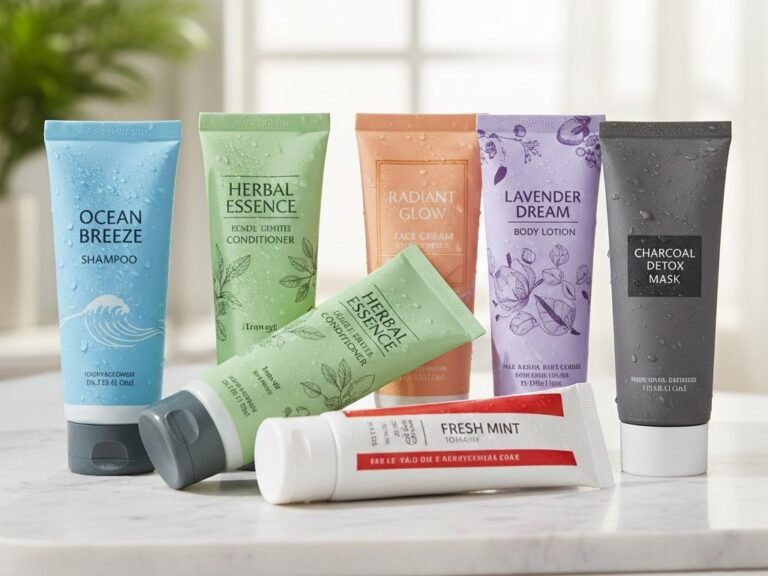

How to Decode Cosmetic Tube Price for Your Brand in 2025


You can figure out cosmetic tube price by looking at each cost. Knowing what you pay for helps you plan your money. It also helps you set the right price for your brand. Material selection, design complexity, and how many tubes you buy all matter. For example, material costs change with the type you choose. Design choices can add thousands to your total cost. Here is a quick look at what makes up the price:
| Cost Component | Average Cost Range |
|---|---|
| Material Costs | Varies based on type |
| Design Complexity | $5,000 to $20,000 |
| Packaging Contribution | 10-40% of retail price |
| Packaging per Unit | About $1 per unit |
| Raw Material (Eco-Friendly) | High |
If you watch every detail, you avoid hidden fees. This helps you keep your cosmetic tube making money. Use this guide to make better choices and help your brand grow.
Key Takeaways
- Understanding factors affecting Cosmetic Tube Price is crucial: material choices, design complexity, and volume impact overall costs.
- Hidden costs like tooling, shipping, and compliance can surprise you; always budget for them.
- Choose the right suppliers to negotiate better prices and ensure transparency in total costs.
- Balance quality and cost by selecting materials wisely and considering bulk orders for savings.
- Monitor prices regularly and maintain strong supplier relationships to avoid unexpected fees and adjustments.
Cosmetic Tube Price Factors
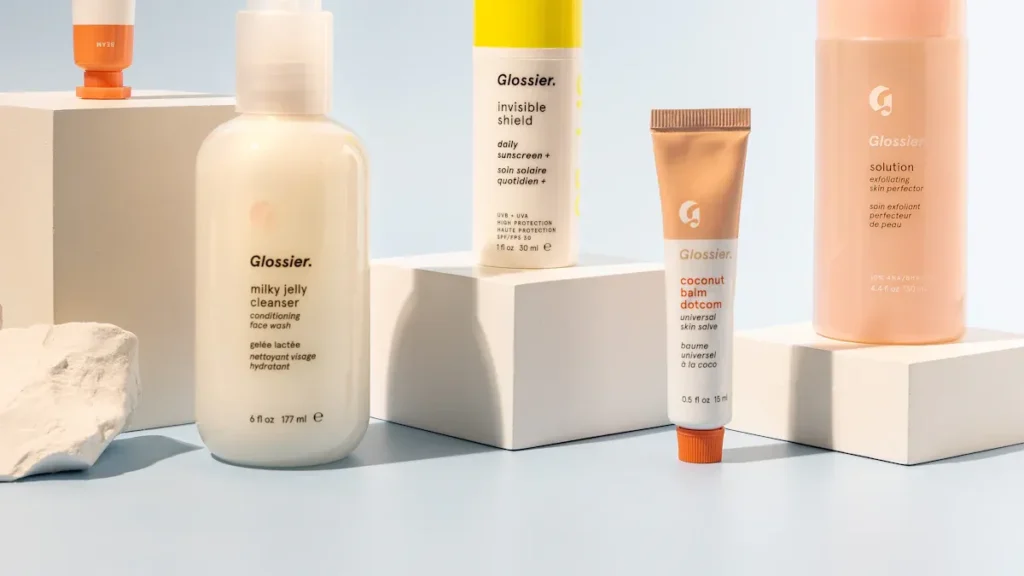
Knowing what changes cosmetic tube price helps you choose well. There are three main things to think about. These are material choices, design complexity, and how many tubes you make. Each one changes your costs in its own way. Let’s look at them one by one.
Material Choices
Plastic, Aluminum, Laminates
You must choose the best material for your cosmetic tube. Every material has good and bad points. The table below shows how plastic, aluminum, and laminates are different:
| Material | Advantages | Disadvantages |
|---|---|---|
| Aluminum | Strong, lasts long, can be recycled, keeps formulas safe | Costs more, might leach |
| Plastic | Can be used in many ways, cheap, light, resists chemicals | Not as strong, chemicals might move |
More brands now pick eco-friendly options. This is because people want clean beauty and green packaging. Premium laminates cost extra but protect better. Changes in supply chains can change raw material prices. Always check new trends and prices when you plan your tube costs.
Barrier Properties and Product Protection
Barrier properties keep your product safe and fresh. You need to match the barrier to your product. For example:
- Natural formulas that do not last long may only need a simple barrier.
- Products with active ingredients or no preservatives need a strong barrier like aluminum-plastic tubes.
- Picking ABL or PBL means you must balance protection and being green.
New multi-layer barrier films help products last longer and keep out water. These features can make tubes cost more. But they keep your product safe and protect your brand. Always think about how the barrier changes both cost and safety.
Tip: Think about how long your product should last and what you want your customers to feel. The right barrier can really help.
Design Complexity
Printing and Customization
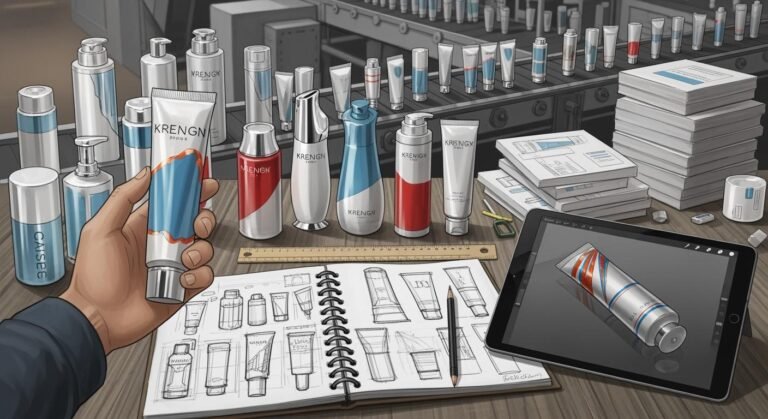
Cosmetic packaging design makes your brand stand out. Custom pictures, special finishes, and cool shapes all cost more. The harder your design, the more you pay. Fancy designs need special machines and take more time. This makes the tube price go up.
Color and Effects
Printing styles and effects also change your costs. Here is a quick guide:
- Digital printing: Setup costs from $0 to $50.
- Screen printing: $100 to $300 for each color.
- Offset printing: $500 to $1,500 for plates.
- Hot stamping: $300 to $800 for dies.
If you buy more tubes, each one costs less, especially with offset printing at 10,000 or more. Screen printing is best for 1,000 to 10,000 tubes. Hot stamping looks fancy and can make your retail price 20-30% higher. You need to balance looks and your budget.
Production Volume
MOQ and Batch Size
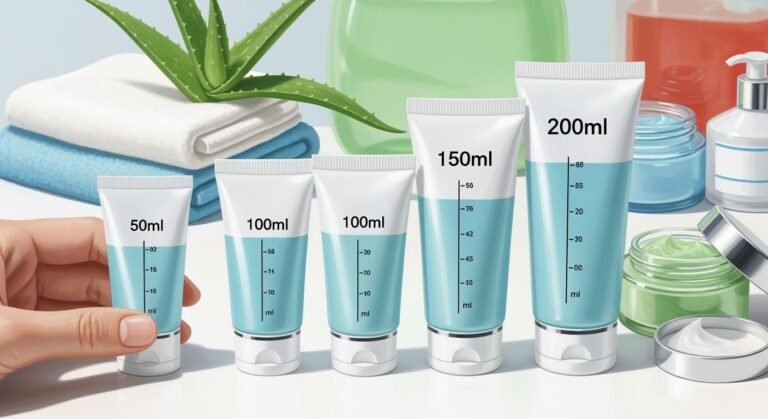
Minimum order quantities and batch size matter a lot for your costs. If you buy only a few tubes, each one costs more. Small brands pay more because they cannot buy as much as big brands. These higher costs can lower your profits or make you raise prices.
Economies of Scale
If you buy more tubes, you spread fixed costs over more tubes. This makes each tube cheaper. Big companies get better deals on materials and use machines to save up to 20%. If you want to grow, try to buy more tubes to get better prices.
Note: Always ask your supplier about minimum order quantities and how batch size changes your tube price. This helps you plan your money and avoid surprises.
If you know these things, you can control your tube prices and make better choices for your brand.
Indirect and Hidden Costs

When you plan your cosmetic tube budget, you need to think about more than just the main costs. Some costs are not easy to see at first. These hidden costs can surprise you if you do not get ready for them. They can change how much you spend on packaging and affect your profit. Here are ways to find and handle these costs.
Tooling and Setup
Tooling and setup fees are costs you might not expect. These fees pay for machines and molds to make your tubes. If you want a special shape or design, you will pay extra. The table below shows how these costs work:
| Evidence Description | Explanation |
|---|---|
| Tooling costs depend on complexity and size | Harder designs need better machines, so costs go up. |
| Setup costs include process optimization | These costs are added to each part, so total costs rise. |
| Mold setup involves various preparations | Getting machines ready adds to setup costs and total price. |
Ask your supplier to show you all the fees. This helps you see what each step costs. If you change your design a lot, you need to save money for new tooling each time.
Packaging and Labeling
Packaging and labeling are important for your total cost. Custom labels, shrink sleeves, and seals all add money. If you want eco-friendly labels or special finishes, you will pay more. Think about how your packaging helps your product last longer. Good labels can keep light and air out, so your product stays fresh.
To save money, pick simple labels or buy a lot at once. Always check if your supplier includes labeling in the price or if it costs extra. This helps you avoid surprises and control your spending.
Shipping and Duties
Shipping and duties can change your final cost, especially if you buy tubes from other countries. Use clear product names to avoid problems at customs. Always use the right HS codes for your products. This helps your shipment get through customs and makes sure you pay the right fees.
Tariffs can make your tubes cost more. For example, a plastic tube that costs $0.30 may cost $0.38 after tariffs. You must choose if you will pay this cost or pass it to your customers. Higher costs can mean higher prices and fewer sales.
Use clear product names. Do not use vague labels. Say “lipstick in plastic tube, 3g” so customs officers know what you are shipping. This helps avoid delays.
If you watch these hidden costs, you can keep your profit safe and your products on the shelf longer. Always check these costs before you order.
Compliance and Testing
You need to think about compliance and testing when you plan your cosmetic tube costs. These steps make sure your tubes are safe and meet the rules in every market. If you skip this part, you risk delays, fines, or even product recalls. You want your brand to stay trusted and your products to reach customers without problems.
Compliance and testing add extra costs that many brands miss at first. You should include these costs in your budget from the start. Here are some ways compliance and testing affect your total price:
- Quality control checks happen during manufacturing. These checks help you catch problems early and keep your tubes safe for use.
- Batch testing is needed to make sure every group of tubes meets safety standards. This step protects your customers and your brand.
- If you sell in other countries, you must pay for extra compliance testing. The EU and the US have strict rules. You may need to test for heavy metals, BPA, or other chemicals.
- Some markets require proof that your packaging does not affect the shelf life of your product. You might need to run stability tests to show your tubes keep products fresh for as long as promised.
You should ask your supplier for a full list of required tests. Some suppliers include basic testing in their price, but others charge extra for each test. Always check what is included before you order.
Tip: Keep all your test reports and certificates in one place. This helps you answer questions from customs or retailers fast.
Testing can also affect your timeline. Some tests take weeks to finish. If you do not plan for this, you might face shipping delays. You should build extra time into your schedule for compliance steps.
You can save money by using suppliers who already meet the rules in your target markets. These suppliers know what tests you need and can help you avoid mistakes. If you change your tube material or design, you may need new tests. Always check if a change will affect your compliance costs.
Remember, good compliance and testing protect your brand and your customers. They also help you prove your tubes keep products safe and extend shelf life. If you want your product to last longer on the shelf, you need to show your packaging supports a strong shelf life.
Note: Never skip compliance and testing to save money. The cost of a recall or a fine is much higher than the cost of doing things right the first time.
Unit Cost Calculation
Understanding how to calculate the true cost per tube helps you set the right price for your products. You need to look at every part of your packaging cost. This step-by-step guide will show you how to break down each expense and find the real price for your cosmetic tube.
Step-by-Step Breakdown
- List All Cost Components
Start by writing down every cost that goes into your cosmetic tube. These include:- Raw materials (plastic, aluminum, or laminate)
- Labor
- Equipment and tooling
- Labeling and decoration
- Logistics and shipping
- Research and development
- Compliance and testing
- Rent and utilities
- General and administrative expenses
- Sales, marketing, and taxes
- Add Direct and Indirect Costs
Combine both direct costs (like materials and labor) and indirect costs (like rent and compliance). This gives you a full view of your packaging cost. - Divide by Production Volume
Take your total cost and divide it by the number of tubes you plan to produce. This gives you the unit cost for each cosmetic tube.
Tip: Always check if your supplier includes all fees in their quote. Some costs, like setup or testing, may not appear until later.
Sample Calculation
Let’s look at a simple example. Imagine you want to order 10,000 tubes. Here is how you might calculate the cost:
| Cost Item | Total Cost ($) |
|---|---|
| Raw Materials | 2,000 |
| Labor | 1,000 |
| Equipment/Tooling | 500 |
| Labeling | 800 |
| Shipping/Logistics | 700 |
| Compliance/Testing | 300 |
| Other Expenses | 700 |
| Total | 6,000 |
Now, divide the total cost by the number of tubes:
Unit Cost = Total Cost / Number of Tubes
Unit Cost = $6,000 / 10,000 = $0.60 per tube
This is your true cost per tube. Use this number to set your retail price and plan your profit.
Cost Analysis Tools
You can use several tools to help you compare and analyze your packaging cost:
- Should Cost Analysis: Breaks down each cost and shows where you can save money. It helps you negotiate better with suppliers.
- Rate Benchmarking: Lets you compare prices from different suppliers. You can see case studies and choose the best partner.
- Supplier Comparison: Check product portfolios, experience, and if they follow safety and environmental rules.
- Cost Tracking Software: Tracks changes in raw material prices and other expenses over time.
Using these tools gives you more control over your cosmetic tube costs. You can spot trends, avoid surprises, and make smarter choices for your brand.
Cosmetic Tube Pricing Pitfalls
Overlooked Fees
When you plan your packaging budget, you might miss some fees that add up fast. These hidden costs can surprise you and hurt your profit. You need to look beyond the basic price per tube. Some suppliers do not include all charges in their first quote. You may see extra fees for things like:
- Artwork setup or design changes
- Color matching for special inks
- Storage or warehousing if you cannot take delivery right away
- Rush orders or last-minute changes
If you want to avoid these surprises, always ask your supplier for a full breakdown of all costs. Make a checklist of possible extra fees before you sign any contract. This step helps you keep your budget on track and stops you from paying more than you planned.
Tip: Review every line in your supplier’s quote. Ask questions about anything you do not understand.
MOQ Misjudgment
Minimum order quantity (MOQ) is a key part of cosmetic tube pricing. If you do not plan your order size well, you can end up paying much more than you expect. Here are some ways MOQ misjudgment can affect your costs:
- You pay higher prices if you order less than the supplier’s MOQ. You miss out on bulk discounts.
- Custom materials often require higher MOQs. If you do not plan for this, your expenses go up.
- Large brands can order more and get better prices. Small brands may struggle with high MOQs and higher costs.
You should always ask your supplier about their MOQ before you start your order. If you are a new brand, try to find suppliers who offer lower MOQs or flexible batch sizes. This helps you control your spending and avoid leftover stock.
Lead Time Delays
Lead time is the time it takes from placing your order to getting your tubes. Delays in lead time can cause big problems for your launch or restock plans. If you do not plan for possible delays, you might run out of stock or miss key sales dates.
Common reasons for lead time delays include:
- Custom designs or special finishes that take longer to produce
- Shipping issues, like port congestion or customs checks
- Supplier holidays or factory shutdowns
You can reduce the risk of delays by building extra time into your schedule. Always ask your supplier for a clear timeline and check in often. If you have a tight deadline, choose standard designs or local suppliers to speed up delivery.
Note: Keep a buffer of at least two weeks in your timeline for unexpected delays. This helps you stay on track and keep your customers happy.
By watching out for these pitfalls, you can manage your cosmetic tube pricing better and keep your brand running smoothly.
Quality vs. Cost
You want your cosmetic tubes to look great and last long. At the same time, you need to keep your costs under control. Finding the right balance between quality and cost is one of the biggest challenges for any brand owner. If you focus only on price, you might end up with tubes that break, leak, or fail to protect your product. If you spend too much on premium features, your profit can shrink fast.
Start by thinking about what matters most for your brand. Do you need tubes that stand out on the shelf? Or do you want to keep your price low to attract more customers? You can make smart choices that help you get both quality and value.
Here are some steps you can take to balance quality and cost:
- Order in bulk to lower per-unit costs.
When you buy more tubes at once, you spread fixed costs over more units. This makes each tube cheaper. Bulk orders also help you get better deals from suppliers. - Choose stock packaging to reduce upfront costs.
Stock packaging uses standard shapes and sizes. You do not pay extra for custom molds or designs. This option works well if you want to launch quickly or test a new product. - Streamline decoration methods to cut expenses.
Simple printing or fewer colors can save money. You can still create a strong brand look with smart design choices. Avoid expensive finishes unless they add real value. - Plan ahead to avoid rush production costs.
Last-minute orders often cost more. Give your supplier enough time to produce and ship your tubes. Planning helps you avoid extra fees and keeps your project on budget.
Wholesale lotion tubes offer another way to save money. They help you lower production costs and give you access to customizable designs. You also get a stable supply, which is important if you want to grow your brand and stand out in the market.
Tip: Always ask your supplier for samples before you place a big order. Check the quality yourself. Make sure the tubes meet your standards and protect your product.
You do not have to choose between quality and cost. With careful planning and smart sourcing, you can get both. Focus on what your customers care about most. Use your budget where it matters. This way, you build a brand that looks good, works well, and stays profitable.
Pricing Strategies for Brand Owners
Supplier Negotiation
You can lower your cosmetic tube costs by using smart negotiation strategies. Start by setting your budget and knowing your profit goals. This helps you understand the highest price you can accept. Always ask your supplier for a detailed quote. Make sure the quote lists every cost, so you do not miss hidden fees. When you plan to order a large number of tubes, talk about volume discounts. Suppliers often give better prices for bigger orders. You can also discuss payment terms that work for both you and your supplier. Clear payment plans help you manage your cash flow. Before you sign any agreement, define each party’s responsibilities. This step helps you avoid future problems.
Here is a simple checklist for supplier negotiation:
- Set your budget and profit margin.
- Ask for a full quote with all costs.
- Discuss discounts for large orders.
- Negotiate payment terms.
- Clarify roles and legal duties.
Tip: Good negotiation builds strong supplier relationships and helps you get the best value for your brand.
Order Bundling
Order bundling means you combine several products or packaging needs into one order. This strategy can help you save money on both production and shipping. When you bundle orders, you often reach higher quantities. This can unlock better pricing from your supplier. You also reduce the number of shipments, which cuts down on shipping costs and delivery times.
For example, if you need tubes for lotion, cream, and gel, order them together. You may get a lower price per tube and pay less for shipping. Bundling also helps you keep your inventory organized and reduces the risk of running out of stock.
Note: Always check with your supplier to see if they offer special deals for bundled orders.
Material and Design Alignment
You should match your cosmetic tube material and design choices with your brand goals. The right design speaks to your target customers and shapes how they see your brand. Many brands now choose sustainable materials. Over 120 billion cosmetic tubes are made each year, and most end up as waste. By picking eco-friendly options, you show that your brand cares about the planet. This can make your brand look better and may let you charge more.
If you run an independent beauty brand, you need to balance looks with sustainability. Choose materials that use less fossil fuel and can be recycled. This helps you lower your impact on the environment and meet customer expectations. When you align your design and material choices, you control costs and build a stronger brand image. Smart choices here can also help you stand out in the crowded cosmetic tube market.
Callout: Sustainable packaging trends can boost your brand’s reputation and help you justify higher prices.
Technology Use
You can use technology to make smarter choices about cosmetic tube pricing. Digital tools help you see the big picture and act fast. Here is how you can use technology to get better results for your brand:
- Scenario Planning
You can use software to model different pricing and tariff scenarios. This helps you prepare for changes in costs. For example, if tariffs go up, you can see how your prices will change. You can make a plan before problems happen. This keeps your business safe from surprises. - Supplier Diversification
Digital platforms let you find and check new suppliers quickly. You can compare prices, quality, and delivery times. This helps you avoid risk if one supplier has a problem. You can also find suppliers who offer better prices or new materials. This gives you more choices and helps you save money. - Inventory Optimization
Predictive analytics tools help you balance how much stock you keep. You can use these tools to see when you need to order more tubes. This stops you from running out or having too much stock. You save money by not tying up cash in extra inventory. You also avoid rush orders, which cost more.
“Top of mind when sourcing a tube is the formula, and the product type – it will tell you which type of tube you’ll need.”
You can also use technology to track trends in the market. Many brands now choose monomaterial tubes because they are better for the environment. Digital tools help you see which materials are popular and how prices change. This lets you make choices that match what your customers want.
- You can use online dashboards to watch raw material prices.
- You can set alerts for when prices drop or rise.
- You can use apps to manage your orders and shipments.
Technology also helps you keep all your documents in one place. You can store test reports, certificates, and supplier contracts online. This makes it easy to find what you need fast.
Tip: Start with one tool, like a supplier platform or inventory app. Learn how it works. Then add more tools as your business grows.
You do not need to be a tech expert to use these tools. Many are easy to use and have guides to help you. By using technology, you can lower costs, avoid mistakes, and keep your brand strong in a changing market.
Balancing Cost and Brand Value
Premium Packaging Decisions
You want your cosmetic tube to look special and keep your product safe. Smart choices in premium packaging help people trust your brand. They also make more customers want to buy from you. First, think about what is most important when you pick a packaging partner. Use this table to help you decide:
| Criteria | Description |
|---|---|
| Experience and Expertise | Pick companies that have worked in cosmetics for a long time. |
| Specialization | Choose partners who make the kind of packaging you need. |
| Reputation | Read what other brands say about them. |
| Technological Capabilities | Ask what machines and technology they use. |
Good quality is important for every cosmetic tube. Always check if the materials are strong. Ask for samples before you buy a lot. Look for many ways to customize your tubes so they fit your brand. You should also find out where the company gets its materials. Ask how much waste and energy they use. Check if they have green certifications.
Your budget matters too. Ask a few companies for detailed price quotes. Compare the prices and see what each one gives you. This helps you get good quality without spending too much.
Picking a packaging company is not just about buying once. It means building a long partnership that can help your business grow.
Brand Positioning
Your packaging changes how people think about your brand. If you use fancy materials and nice designs, your brand feels special. People often think high-quality packaging means the product is worth more. They are ready to pay more for it.
- Fancy packaging shows what your brand stands for.
- Careful details make your product feel unique.
- Good-looking packaging makes people want to spend more.
Luxury beauty packaging makes people think the product is worth more. When you use strong materials and pretty designs, your brand feels special. People believe higher prices mean better value.
Think about how your packaging tells your brand’s story. Good brand positioning helps you get the best price for your cosmetic tubes.
ROI Measurement
You need to see if your packaging is helping your business. Use these ways to measure return on investment (ROI):
| Method of Measuring ROI | Description |
|---|---|
| Sales Tracking | Watch sales before and after you change your packaging. |
| Customer Feedback | Ask customers what they think about your packaging. |
| Brand Recognition | See if more people know your brand after you change the look. |
| Social Media Engagement | Look for unboxing videos and shares online. |
| Sustainability Metrics | Check if green packaging brings loyal customers and saves money. |
You can also check if more people visit your store or website. Watch if your sales or market share go up. Notice if people talk about your brand more. See if clear packaging means fewer customer questions. Measure if your packaging helps the planet.
Follow these steps to check your ROI: First, track sales before and after you change your packaging. Next, ask customers what they think. Then, see if more people know your brand. Watch social media for posts about your products. Last, check if green packaging helps your business.
Smart measuring helps you know what works best for your brand.
Steps for Transparent Pricing
You want to make sure you pay the right price for your cosmetic tubes. Transparent pricing helps you see every cost. This way, you avoid surprises and keep your business strong. Follow these steps to make your pricing clear and fair.
Cost Checklist
Start with a cost checklist. This tool helps you track every expense. You can use a simple table to list each cost. Here is an example:
| Cost Item | Included in Quote? | Notes |
|---|---|---|
| Raw Materials | Yes/No | Type and grade |
| Tooling/Setup Fees | Yes/No | One-time or repeat |
| Printing/Decoration | Yes/No | Number of colors |
| Packaging/Labeling | Yes/No | Custom or standard |
| Shipping/Duties | Yes/No | Domestic or import |
| Compliance/Testing | Yes/No | Required by market |
| Storage/Warehousing | Yes/No | Short or long term |
Check off each item as you confirm it with your supplier. This list helps you see what you pay for and what might be missing.
Tip: Always ask your supplier to explain any cost you do not understand. Clear answers help you avoid hidden fees.
Price Reviews
You need to review your prices often. Costs can change fast in the packaging world. Set a schedule to check your prices every few months. Look at your cost checklist and compare it to your latest quotes. If you see a big change, ask your supplier why.
- Review prices after each new order.
- Compare quotes from different suppliers.
- Watch for changes in raw material costs.
If you find a better price, talk to your current supplier. Sometimes they will match or beat a competitor’s offer.
Note: Regular price reviews help you stay competitive and protect your profit.
Supplier Relationships
Building strong supplier relationships makes cosmetic tube pricing more transparent. Good suppliers answer your questions and share cost details. You should talk with your supplier often. Share your needs and ask for updates on costs.
- Visit your supplier if you can.
- Ask for a contact person for quick questions.
- Give feedback on service and quality.
When you trust your supplier, you get better deals and fewer surprises. A good relationship helps you solve problems fast and keeps your business growing.
Building trust with your supplier leads to better prices and smoother orders.
By following these steps, you make sure your pricing stays clear and fair. You can plan your budget, avoid hidden costs, and grow your brand with confidence.
You can decode cosmetic tube price by following clear steps. First, list every cost for your cosmetic tube. Next, check for hidden and indirect costs. Use cost analysis tools to track changes. Review cosmetic tube pricing often to keep your budget safe. Talk with suppliers to get better deals. If you use these strategies, you build stronger brand value and control your costs.
Tip: Start with a cost checklist and ask your supplier for a full breakdown before you order.
Frequently Asked Questions
Key questions about cosmetic tube pricing in 2025 — materials, MOQ, printing, caps, molds, shipping and how to control cost without sacrificing quality.
Q1What are the main factors that decide cosmetic tube price?
Q2How does material choice (PE, PCR, sugarcane, aluminum) affect cost?
Q3Why does MOQ have such a big impact on tube pricing?
- Setup and change-over time on extrusion, printing and sealing lines
- Artwork, plate or screen preparation costs
- Fixed QC and packing operations
Q4How do printing colors and decoration methods change the price?
- Simple 1–2 color silk screen = cost-efficient
- Full-coverage offset or complex gradients = higher ink and setup cost
- Hot stamping, spot-UV, soft-touch coatings = premium add-ons
Q5Why do different caps and applicators change the final tube price?
Q6Do I always need a custom mold for my first cosmetic tube?
Q7How do shipping terms (EXW, FOB, CIF, DDP) influence the final cost I pay?
- EXW/FOB – you manage freight and customs; suitable for experienced importers
- CIF – supplier covers sea freight & insurance to your port
- DDP – door-to-door, including duties and taxes, usually at a higher but more predictable cost
Q8How can I tell if a quote is “too cheap” and might risk quality?
- Inconsistent resin quality or recycled content without control
- Thinner walls or weaker tail seals
- Poor print adhesion or color accuracy
- Limited quality inspection and documentation
Q9What are some practical ways to optimize tube price without downgrading the brand?
- Use standard diameters and caps from existing tooling
- Reduce print colors while keeping your key brand elements
- Align volumes and SKUs to meet the most efficient MOQ level
- Choose mono-PE where barrier demands allow it
Q10How can Xinfly Packaging help me decode and control cosmetic tube costs?
- Break down your quote by material, printing, cap, and logistics
- Offer good-better-best options at different price levels
- Suggest structural and artwork changes to reduce cost
- Provide samples so you can compare value, not just numbers
Want a clear, transparent quote for your cosmetic tubes?
Send Xinfly Packaging your tube size, material, cap style and artwork idea — we’ll break down the cost, propose alternatives, and help you find the best price-to-value option for your brand.