
Sustainable materials for cosmetic tubes beyond PCR

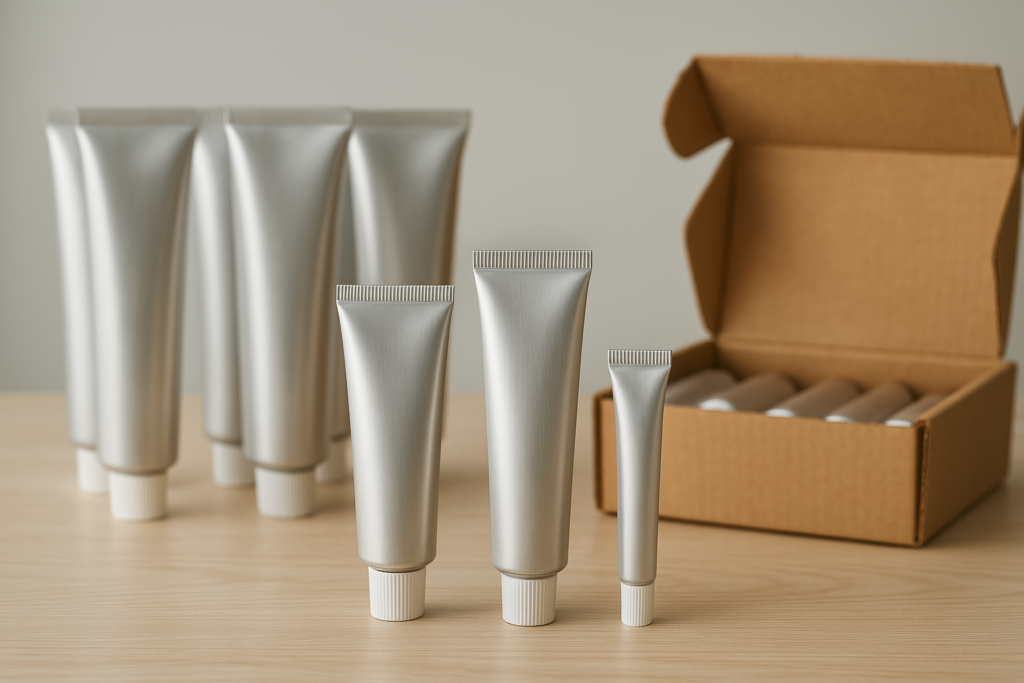
You can now find many sustainable materials for cosmetic tubes besides PCR. These include bio-based plastics, aluminum, glass, compostable materials, mono-materials, hybrid solutions, and new materials like mushroom-based packaging. Picking green cosmetic packaging made from sustainable materials helps cut down waste and lowers harm to the environment. You should check for sustainability, eco-friendly features, and how well it works when choosing the best one. Green innovation lets you make your cosmetic products look and feel better.
Key Takeaways
- Sustainable cosmetic tubes now include materials like bio-based plastics, aluminum, glass, and mushroom packaging.
- These alternatives help reduce waste and environmental harm, moving beyond just post-consumer recycled materials (PCR).
- Key criteria for choosing eco-friendly packaging encompass material composition, recyclability, and environmental impact.
- Market trends show rising consumer demand for sustainable packaging, making it vital for brand positioning and consumer trust.
- Brands can successfully transition to sustainable packaging by collaborating with suppliers and clearly communicating their eco-friendly efforts.
Overview of Sustainable Materials for Cosmetic Tubes
Why Move Beyond PCR?
You might know that post-consumer recycled materials, called PCR, help cut waste in cosmetic packaging. But PCR cannot fix every environmental problem. Some PCR plastics can get weaker or less clear after being recycled. Also, there is not always enough PCR, so brands may struggle to find enough for their needs. Looking at other sustainable materials for cosmetic tubes gives you more choices. These options can work better, be safer, and let you design in new ways. New materials help you make eco-friendly packaging that stands out and fits your brand’s green goals.
Here are some of the most common sustainable materials for cosmetic tubes and their key properties:
| Material | Key Properties | Applications |
|---|---|---|
| Aluminum | Strong, recyclable, good for sensitive products, blocks things well. | Creams, caulking, lubricants, DIY cosmetics. |
| Bio-based polyethylene | Made from plants, smaller carbon footprint, acts like regular plastic. | Many cosmetic products. |
| Polyfoil | Keeps things safe, blocks light, air, and water. | Pharma packaging, cosmetic containers. |
| CirculenRevive polymers | Has recycled material, stays strong, works with refillable systems. | Refillable pumps, dropper tops, airless packaging. |
| Sugarcane PE | Made from plants, carbon-negative, not biodegradable. | Used instead of regular PE. |
Each material has its own good points for eco-friendly cosmetic packaging. Some are strong barriers, others use plants or recycled stuff.
Key Criteria for Sustainable Packaging
When picking sustainable packaging for cosmetics, you should think about a few important things. Brands use these points to pick the best eco-friendly packaging:
| Criteria | Description |
|---|---|
| Material Composition | What the packaging is made of, like plastic, glass, metal, or paper. |
| Recyclability | If the packaging can be recycled and if there is a way to collect it. |
| Environmental Impact | How much it affects the planet, measured in CO2 and other ways. |
| Certification of Materials | If the materials are certified, like by the Forest Stewardship Council (FSC). |
| Packaging Efficiency | How much packaging is used compared to the product inside. |
Always check if the material is easy to recycle and does not hurt the planet much. Certified materials and smart designs help you reach your green goals.
Market Trends in Cosmetic Packaging
Right now, more people want sustainable cosmetic packaging. Many shoppers look for eco-friendly packaging and want brands to care about the planet. You will see more brands using refillable packages and simple designs. Glass and metal are getting popular because they look nice and can be used again. This change means eco-friendly packaging is important for brand trust. If you want your cosmetic products to do well, you should follow these trends and pick materials your customers like.
Bio-based Plastics in Cosmetic Packaging
Sugarcane PE and Corn PLA
Sugarcane PE and corn PLA are popular bio-based choices for cosmetic tubes. Sugarcane PE is made from sugarcane, which grows fast and is renewable. This material helps the planet by taking in about 3.09 tons of CO2 for each ton made. The parts used are not for food, so food supply is safe. Corn PLA is another bio-based plastic made from cornstarch. It is safe, can break down, and can be recycled. You often see it in bottles and jars for skincare. Both sugarcane PE and corn PLA are good for eco-friendly packaging.
Xinfly Packaging has many bio-based cosmetic tubes. Their sugarcane PE tubes look and feel like normal plastic tubes, but they use renewable sources. You can use these tubes for creams, lotions, and gels. Xinfly also makes corn PLA tubes, which break down faster than regular plastics if conditions are right.
Tip: You can recycle sugarcane PE tubes with regular plastic tubes because they fit into current recycling systems.
Bioplastics and Renewable Content
There are many kinds of bioplastics in cosmetic packaging. Some are made from used cooking oil or plastic waste. Others use algae, food scraps, or farm leftovers. These materials help lower your carbon footprint and support green goals. Common bioplastics are PLA, PHA, and cellophane. They all use renewable resources and work well for jars, caps, and tubes.
Here are some sources of bio-based plastics for cosmetic packaging:
- Sugarcane
- Cornstarch
- Used cooking oil
- Algae
- Farm leftovers
When you pick a bio-based plastic, you help use more renewable content. This choice helps you use less fossil fuel and makes your packaging greener.
Benefits and Drawbacks
Bio-based plastics have many good points for cosmetic packaging. They come from renewable sources. These plastics often have low carbon emissions and block things well. They can also break down faster than regular plastics if the conditions are right.
Here is a quick look at the pros and cons:
| Benefits | Drawbacks |
|---|---|
| Made from renewable materials | Higher production costs |
| Lower carbon emissions | Limited supply of raw materials |
| Good mechanical strength | Not always fully biodegradable everywhere |
| Can be recycled or composted | Degradation depends on environment |
You should know that making bio-based plastics can cost more than making fossil-based plastics. Most sugarcane PE comes from Brazil, so shipping can add to the carbon footprint. Also, some bioplastics only break down in special composting places. If they go to landfills, they might make methane.
When you choose bio-based plastics for your cosmetic tubes, you help the planet and support green goals. You also help use less fossil fuel and support renewable resources in packaging.
Aluminum Tubes as Sustainable Packaging
Recyclability and Reuse
Aluminum tubes are now a popular choice for eco-friendly packaging. By 2025, almost half of green cosmetic tubes will be aluminum. People like them because they protect products well and are good for the planet. You can recycle aluminum many times and it stays strong. Making new aluminum uses a lot of energy, but recycling it uses much less. This helps cut down on greenhouse gases. Most aluminum ever made is still being used today. This means recycling is very important for cosmetics. When you pick aluminum tubes, you help keep materials out of landfills.
Xinfly Packaging sells many aluminum tubes for creams and gels. These tubes are great for brands that want to look fancy and green. Using them shows you care about the earth and attracts people who like eco-friendly choices.
Note: Aluminum tubes are different from plastic because they stay strong after being recycled many times.
Product Protection and Design
Aluminum tubes keep your cosmetics safe. They block light, air, and water. This keeps creams and gels fresh. It is important for products with special ingredients. The tube gets smaller as you use it, so air cannot get in. This helps your products last longer.
Here are the main good points:
| Advantage | Description |
|---|---|
| Airtight Seal | Stops light, water, and air from getting in. |
| Hygiene | Keeps germs away from the product. |
| Shelf Life Extension | Protects ingredients and keeps things fresh. |
| Collapse Feature | Tube shrinks as you use it, keeping air out. |
| Customizable Design | You can print on them and make them look special. |
You can also make aluminum tubes in many colors and styles. This helps your brand look special and fancy.
Limitations of Aluminum Tubes
Aluminum tubes have some problems too. They cost more to make than plastic tubes. Making them needs special machines and more energy. They are heavier than plastic, so shipping costs more. Some products, like strong acids, can react with aluminum. In these cases, you need a special layer inside the tube. You also cannot make as many shapes as you can with plastic.
| Challenge/Limitations | Description |
|---|---|
| Higher Production Costs | Aluminum tubes cost a lot more than plastic ones. |
| Manufacturing Complexity | Needs special machines and more energy, which can slow things down. |
| Weight Considerations | Heavier than plastic, so shipping and carbon footprint go up. |
| Compatibility Issues | Some products need a special coating inside the tube. |
| Limited Design Flexibility | Not as many shape choices as plastic tubes. |
When you look at the good and bad points, you see aluminum tubes are best for brands that want to look fancy and care about the planet. They are good for protecting products and showing you care about green packaging.
Glass Tubes in Eco-friendly Cosmetic Packaging
100% Recyclability
You can choose glass tubes for your cosmetic packaging if you want a material that is fully recyclable. Glass does not lose quality when you recycle it. This means you can use it again and again without making it weaker. Many companies have tested glass tubes to make sure they work well in recycling systems. For example:
- The Estée Lauder Companies worked with Strategic Materials INC to test over 200 glass packages for recyclability.
- Their study showed that designing glass tubes for recycling helps improve sustainability.
- Glass tubes that let in at least 5% light are more likely to be sorted correctly as recyclable glass.
You help the planet when you use glass tubes because you keep waste out of landfills. You also support a circular economy by making sure materials get used many times.
Aesthetic and Functional Pros and Cons
Glass tubes give your products a premium look. Many people think glass feels smooth and looks clean. You can see the product inside if you use clear glass. This helps your customers trust what they buy. Glass does not react with most creams or gels, so it keeps your products safe.
Here are some pros and cons of using glass tubes:
| Pros | Cons |
|---|---|
| Looks high-end and elegant | Can break if dropped |
| Does not react with product | Heavier than plastic or aluminum |
| Keeps product fresh | Costs more to ship |
| Easy to clean and reuse | Needs careful handling |
You can use glass tubes for many types of cosmetics, like serums, creams, and oils. They work well for products that need to stay pure and fresh.
Practical Considerations
You need to think about a few things before you pick glass tubes for your brand. Glass is heavier than other materials, so shipping costs can go up. You must pack glass tubes carefully to stop them from breaking. Some recycling centers may not accept colored or coated glass, so you should check local rules.
Tip: Choose clear glass tubes when possible. They are more likely to be sorted and recycled correctly.
You can boost your brand’s image by using glass tubes. Many customers see glass as a sign of quality and care for the environment. When you use glass, you show your commitment to sustainability and recycling. You also help reduce waste and support a cleaner future.
Compostable and Biodegradable Tubes

Compostable Materials in Cosmetic Packaging
Many cosmetic tubes now use compostable materials. These materials come from plants and other things that grow back. When you compost them, they turn into natural stuff. Here are some compostable materials you might find:
- PLA (Polylactic Acid): This comes from corn starch or sugarcane. It is used for tubes, jars, and bottles.
- Bagasse: This is left over after making sugar from sugarcane. It is shaped into trays and containers for solid beauty products.
- Bamboo and paper-based composites: These are used for cartons, sleeves, and extra packaging. They are strong and break down easily.
- Compostable films: These are clear wraps made from cellulose or plant-based polymers. They can take the place of plastic.
Compostable packaging still needs to keep your beauty products safe. XJ BEAUTY checks these materials to make sure they protect formulas. They use special coatings and layers to stop water and air from getting in. This helps your products last longer and still be compostable.
Tip: Always make sure your compostable packaging keeps your products safe and fresh while they are stored.
Biodegradable Options and Innovations
There are more biodegradable plastics for cosmetic tubes than before. These materials break down faster than normal plastics. They help cut down waste in landfills and oceans. Many biodegradable plastics come from things that grow back, so you use less oil. People who care about the earth like these tubes, which can help your brand.
Some new biodegradable plastics are:
- PLA: Made from plant starch that is fermented. It can break down in special places.
- PHA: This breaks down in many places, even in dirt and water.
- Starch-based plastics: These are made from plant starch and sometimes mixed for more strength.
Biodegradable plastics let you try new looks for your packaging. They also help you follow strict green rules. But there are some problems:
- They cost more to make than regular plastics.
- There is not always enough raw material.
- They need certain places to break down all the way.
You should always check if your biodegradable plastics will break down where your customers throw them away.
End-of-life and Regulatory Issues
When you pick compostable or biodegradable tubes, you need to think about what happens after they are used. These materials should turn into water, carbon dioxide, and humus without leaving anything bad behind. Compostable tubes must meet rules like ASTM D6400 and ISO 17088. These rules make sure the tubes break down safely and quickly.
| Aspect | Details |
|---|---|
| Biodegradation Mechanism | Bioplastics break down in active places with tiny living things. They turn into water, CO2, and humus. |
| Standards | Groups like ASTM and ISO make rules for compostable and biodegradable plastics. |
| Regulatory Importance | These groups work together to set high standards for these materials. |
You also need to think about recycling. Compostable tubes do not always work with regular recycling. Testing biogenic carbon helps you see how these materials compare to plastics made from oil. Compostable materials make fewer microplastics, which is better for nature.
Note: Composting usually needs special places with heat and water, like big composting centers.
If you want your packaging to be both recyclable and biodegradable, you should check local rules for recycling and composting. This helps you pick the best choice for your brand and the earth.
Mono-material and Hybrid Tube Solutions
Mono-material Tubes for Easy Recycling
Mono-material tubes are made from just one material. This makes them easier to recycle than tubes with mixed materials. When you pick a mono-material tube, you help make recycling simple. You can put these tubes in your recycling bin at home. This helps more tubes get recycled and less trash goes to landfills.
Here are some main benefits of mono-material tubes:
- Recycling is easier for people who use them.
- They help cut down on waste and keep the planet cleaner.
- Recycling centers can sort them without trouble.
Xinfly Packaging sells mono-material tubes for cosmetics. These tubes use only one kind of recyclable plastic. This means your packaging is less likely to end up as trash. They work well for creams, gels, and lotions. They also look and feel like regular tubes.
Tip: Pick mono-material tubes if you want your brand to look green and make recycling simple for your buyers.
Hybrid Packaging for Enhanced Sustainability
Hybrid tubes use more than one material to get the best mix. Some tubes mix mono-materials with recycled or plant-based parts. This helps you save money, keep products safe, and help the earth. You can reach your green goals without losing quality or spending too much.
Hybrid packaging lets you:
- Use less new plastic by adding recycled or plant-based stuff.
- Make tubes that keep products fresh for longer.
- Give your brand special looks and textures.
Xinfly Packaging makes hybrid tubes that use both renewable and recycled materials. These tubes protect your products and help you meet your eco-friendly goals. You can pick from many sizes and styles to fit your brand.
Note: Hybrid tubes can help your brand stand out and show you care about both quality and the planet.
Market Adoption and Challenges
Switching to mono-material or hybrid tubes can be hard. Many people who make packaging say it is tough to balance green goals with how well the tubes work. In 2024, more than 70% of them said this was their biggest problem. The cost of raw materials is also high. These costs can be more than half the price for laminated tubes. This makes it hard for brands in places where price is important.
Not many laminated cosmetic tubes get recycled. In 2023, less than 30% were recycled around the world. You can help by picking packaging that is easy to recycle and sort. Brands like Xinfly Packaging try to make recycling better and lower costs, but you still need to teach customers how to throw tubes away the right way.
Remember: Picking the right packaging can help the earth and make your customers trust your brand.
Innovative Materials: Mushroom-based and More

Mushroom-based Packaging in Cosmetics
You can find mushroom-based packaging for cosmetic tubes now. This material uses mycelium, which is the root part of mushrooms. Brands pick mushroom-based packaging because it helps the planet and looks special. You can shape it in many ways, so it fits different products. Mushroom packaging grows with farm waste, so you use fewer resources and help farmers cut waste.
Here is a table that shows the main benefits of mushroom-based packaging:
| Benefit | Description |
|---|---|
| Biodegradability | Fully compostable, breaking down naturally without harmful residues. |
| Energy-efficient production | Requires fewer resources and can utilize agricultural waste, supporting sustainable agriculture. |
| Versatility and Customisation | Can be molded into various shapes, suitable for different beauty products. |
| Consumer Appeal | Attracts eco-conscious consumers, allowing brands to stand out in a competitive market. |
Mushroom-based tubes break down fast and do not leave anything bad. You help the earth when you choose these tubes. You also show your customers that your brand likes new green ideas. Many people want packaging that is safe for the planet and looks different.
Tip: Mushroom-based packaging can help your brand get noticed by eco-friendly shoppers.
Other Emerging Sustainable Materials
You have more choices than ever for green cosmetic tubes. Many new materials are now available, and each has special good points. Here is a table that compares some of the top choices:
| Material Type | Benefits |
|---|---|
| Plant-based tubes | Made from renewable sources, biodegradable or recyclable, and can use sustainable inks. |
| Biodegradable plastics | Break down naturally, derived from plant sources, reducing environmental impact significantly. |
| Glass | Non-toxic, 100% recyclable, longer shelf life, perceived as premium packaging. |
| Aluminum | Durable, lightweight, fully recyclable, easy to reuse in new products. |
| Paper tubes | Reduce plastic waste, biodegradable, break down without harmful residues. |
You can also look at these materials in a simple list:
- Plant-based tubes: Eco-friendly choice, biodegradable or recyclable.
- Biodegradable plastics: Break down naturally, good for the earth.
- Glass: Non-toxic, recyclable, feels fancy.
- Aluminum: Light, recyclable, lowers harm to the planet.
- Paper tubes: Biodegradable, cuts down on plastic trash.
Paper tubes are popular for brands that want less plastic. These tubes break down naturally and do not leave anything bad. You help protect nature when you use paper tubes for your products. Many brands pick paper tubes to show they care about a cleaner world.
Note: You can mix these materials to find what works best for your brand and your customers.
You have lots of choices for new, green cosmetic packaging. Each material gives special benefits for the earth and your brand. Try new materials to help your products stand out and support a greener future.
Comparing Sustainable Materials for Cosmetic Tubes
Eco-friendliness and Carbon Impact
You should always think about how each material affects the earth. Some materials, like plant-based plastics and aluminum, make less carbon than normal plastic. Sugarcane tubes help take carbon dioxide out of the air. Aluminum tubes can be recycled many times, which saves energy and makes less trash. Glass tubes are good too because you can recycle them over and over without losing quality. If you pick biodegradable tubes, you help stop pollution in landfills and oceans. Paper and mushroom-based tubes break down on their own, so they do not leave bad waste. You help the planet by picking packaging that uses less energy and fewer resources.
Functional Performance
You want your cosmetic packaging to keep products safe and fresh. Each material has its own strengths. Aluminum and glass block light, air, and water. This helps keep creams and serums safe. Bio-based plastics like PLA and sugarcane PE act like regular plastic, so they work for many products. Some biopolymer materials can let in water. You should check for moisture resistance with tests like Water Vapor Transmission Rate (WVTR) and Contact Angle. These tests show how well the tube keeps water out. Thermal stability is also important. It means the tube will not change shape or get weak when it gets hot or cold. You can use Thermogravimetric Analysis (TGA) and Differential Scanning Calorimetry (DSC) to test this. Monomaterial tubes are easy to recycle and still protect your products. You can also use special decoration to make your packaging look nice and use green inks.
| Feature | Why It Matters for Cosmetic Packaging |
|---|---|
| Moisture Resistance | Keeps creams and gels fresh and safe |
| Thermal Stability | Prevents tubes from warping or breaking |
| Product Protection | Blocks light, air, and water |
| Recyclable Design | Makes recycling simple for users |
Tip: Always test your cosmetic packaging for both moisture resistance and thermal stability before choosing a material.
Cost and Supply Chain Factors
You need to think about cost when you pick green cosmetic packaging. Some eco-friendly materials cost more at first, but they can save money later. Brands that use green packaging can cut costs by up to 15%. You can do this by using less material, making smaller tubes, or picking refillable options. These steps help you save money and make less waste. You should also look at your supply chain. Work with suppliers who use good sourcing, save energy, and manage waste well. This helps your brand stay green from start to finish. When you use recyclable or biodegradable materials, you follow new rules and make customers happy. Many shoppers want brands to care about the earth, so green packaging can help you sell more.
- Make your packaging smaller and use less material.
- Pick eco-friendly materials to lower costs.
- Try refillable packaging to cut waste and attract green shoppers.
Note: Picking the right cosmetic packaging helps you save money, protect the planet, and build trust with your customers.
Brand Positioning and Consumer Appeal
You can change how people think about your brand by picking the right packaging. Many shoppers want brands to care about the earth. If you use eco-friendly materials, you show you care too. This helps your brand stand out from others.
Here are some ways green cosmetic packaging helps your brand:
- Recyclable and green materials make your brand look smart and caring.
- Using mono material tubes, like polyethylene or polypropylene, shows you care about recycling. This helps you follow new rules and makes your brand more trusted.
- Picking recycled resins or bio-based plastics lowers your carbon footprint. This brings in shoppers who want to help the planet.
- Lightweight tubes use less material but stay strong. This makes your packaging easy to carry and better for the earth.
- Paper-based laminated tubes and tubes with biodegradable layers give your brand a fresh and natural look.
- Brands that use safe inks and less solvent in decoration show they really care about green values.
You can use cosmetic packaging to share your brand story. Many brands print messages about their green choices on the tube. This helps shoppers learn about your values. If you use packaging that is easy to recycle or compost, you make it simple for customers to do the right thing.
A table can help you see how different materials change your brand image and appeal:
| Material Type | Brand Image | Consumer Appeal |
|---|---|---|
| Mono-material tubes | Modern, eco-conscious | Easy to recycle, trusted by shoppers |
| Bio-based plastics | Innovative, green-focused | Attracts eco-friendly buyers |
| Aluminum | Premium, durable | Seen as reusable and high-quality |
| Glass | Luxury, pure | Trusted for safety and elegance |
| Paper/biodegradable | Natural, simple | Appeals to nature lovers |
Tip: You can use your cosmetic packaging to show your brand’s promise to protect the earth. This helps build trust and loyalty with your customers.
When you pick the right packaging, you do more than keep your product safe. You help your brand grow and connect with people who care about the planet. Cosmetic packaging is not just a container. It is a way to share your values and win loyal fans.
Implementing Sustainable Packaging for Brands
Steps for Transitioning to Sustainable Tubes
You can start using green cosmetic packaging by taking small steps. Many brands begin with easy changes and then do more later. The table below shows how some famous brands switched to sustainable tubes:
| Brand | Sustainable Practices | Key Features |
|---|---|---|
| RMS Beauty | Uses recyclable glass, metal, and minimal plastic; soy-based inks; FSC-certified cardboard | Simple designs that eco-friendly shoppers like; cares about the environment |
| Kjaer Weis | Refillable packaging made from metal and glass; offers product refills | Lasts a long time and looks fancy; cuts down on waste |
| Lush | Focus on minimal packaging and use of recycled materials | Loyal fans because of green choices; creative products |
| Aveda | Utilizes post-consumer recycled materials in packaging | Known as an earth-friendly brand; gives shoppers what they want |
Here are some steps you can follow to help your brand:
- Look at your packaging and see what you can make better.
- Pick materials that can be recycled, refilled, or break down naturally.
- Try out new tube designs with your products to check if they work.
- Test these changes with one product before changing everything.
- Ask customers what they think and make changes if needed.
Tip: Try refillable packaging with one product line first before using it for all your products.
Working with Suppliers like Xinfly Packaging
You can make things easier by working with suppliers who know about green packaging. Xinfly Packaging has many choices, like refillable and mono-material tubes. You can ask them for samples and advice to see what fits your brand. They help you design tubes that look good and meet your green goals.
When you talk to a supplier, you should:
- Tell them what you want for your green packaging.
- Ask how refillable packaging works and if it fits your needs.
- Find out about recyclable and biodegradable materials.
- Check if the supplier uses green ways to make their products.
Note: Good suppliers help you learn about new green trends and rules for packaging.
Communicating Sustainability to Consumers
You need to let your customers know about your green packaging. Telling them clearly builds trust and helps them see why your packaging matters. You can use simple pictures or short words on your tubes to show if they can be refilled or break down. You can also share stories about your refillable tubes on your website or social media.
Ways to share your green efforts:
- Put a label on your packaging that says “refillable” or “biodegradable.”
- Give easy instructions for refilling or recycling the tube.
- Share updates about your green goals in emails or blog posts.
- Ask customers to bring back empty tubes for refills or recycling.
Tip: When you explain your packaging, you help customers make smart choices and support your brand.
You can pick from lots of green cosmetic tube materials. These include bio-based plastics, aluminum, glass, compostable, mono-material, hybrid, and mushroom-based choices. You need to think about the earth, product safety, and how your brand looks. Try out new materials with just a few products first. Get help from suppliers like Xinfly Packaging for good tips. Tell your customers about what you do for the planet.
Keep looking for new packaging ideas. This helps your brand stay ahead in being green.
Frequently Asked Questions
Key points about sustainable materials for cosmetic tubes beyond PCR – sugarcane bio-PE, wheat straw plastic, aluminum, mono-material designs, recyclability and brand positioning.
Q1What sustainable materials can I use for cosmetic tubes besides PCR?
- Sugarcane-based bio-PE – renewable feedstock, drop-in alternative to conventional PE
- Wheat straw plastic – agricultural by-product blended with polymer to reduce virgin plastic
- Aluminum tubes – highly recyclable metal with strong barrier and long shelf life
- Mono-PE tubes – designed for easier recycling in existing PE streams
Q2How does sugarcane-based bio-PE compare to PCR plastic?
- Both can be processed like standard PE and offer similar performance
- Bio-PE focuses on lower fossil resource use and carbon footprint
- PCR focuses on diverting plastic waste and closing the loop
Q3What are wheat straw cosmetic tubes and when should I use them?
- Reuses an agricultural by-product that might otherwise be burned or discarded
- Reduces the percentage of pure virgin plastic in the tube body
- Creates a natural, speckled look that supports eco storytelling
Q4Are aluminum tubes considered sustainable cosmetic packaging?
- Aluminum is highly recyclable and widely accepted in metal recycling streams
- They provide excellent barrier for actives, oils and sensitive formulas
- Lightweight metal can support premium yet eco-conscious positioning
Q5What are mono-material cosmetic tubes and why are they important?
- Compatibility with recycling streams (easier sorting and reprocessing)
- Clarity of on-pack claims such as “Mono-PE tube and cap”
- Brand credibility around design-for-recycling
Q6Can I combine different sustainable approaches in one tube design?
- Mono-PE tube with 30% PCR and a sugarcane-based masterbatch
- Wheat straw tube body with a standard PE or PCR cap
- Aluminum tube for high-risk formulas, plus recycled cartons and low-VOC inks
Q7How do costs and MOQs change when choosing sustainable materials beyond PCR?
- Have a slightly higher material cost, depending on bio-PE, wheat straw or aluminum content
- Require similar or slightly higher MOQs for custom colors and laminates
- Deliver added brand value in marketing, positioning and consumer perception
Q8What should I consider when making sustainability claims on my tube?
- Use specific claims like “Contains 30% PCR” or “Bio-based sugarcane PE”
- Avoid vague words such as “green” or “eco” without explanation
- Keep technical documentation from your packaging supplier
- Align tube, cap and carton messages into one clear story
Not sure which sustainable tube material fits your brand best?
Share your formula, markets and sustainability goals — Xinfly Packaging will help you compare PCR, sugarcane bio-PE, wheat straw, aluminum and mono-material designs, and build a realistic roadmap for your next eco-conscious launch.