
Toothpaste Tube Packaging: Innovations, Materials, and Sustainability

Estimated reading time: 18 minutes

You might not know how toothpaste tube packaging affects the environment. Every year, companies make about 20 billion toothpaste tubes. Making these tubes uses 500 million liters of crude oil. Many tubes get thrown away in landfills or end up in rivers and lakes. There, they break down into tiny pieces called microplastics. Picking the right toothpaste tube packaging can help cut down on waste. It also helps protect the planet. Brands now use materials that can be recycled. Some brands use plant-based materials for packaging. These important features keep your toothpaste safe. They also help lower harm to the environment.
| Metric | Value |
|---|---|
| Annual production of tubes | 20 billion tubes |
| Crude oil needed per tube | 25 ml |
| Total crude oil for production | 500 million liters |
| Equivalent miles driven | 2.8 million miles |
Key Takeaways
- Toothpaste tubes make a lot of plastic waste. About 20 billion tubes are made each year. Many of them end up in landfills. Choosing recyclable or biodegradable toothpaste tubes helps the environment. It also supports sustainability. Mono-material tubes use HDPE. This makes recycling easier. It helps more tubes get recycled. It also lowers contamination problems. Brands like Colgate are taking action. They want all their packaging to be recyclable, reusable, or compostable by 2025. New materials like plant-based plastics are being used. Compostable laminates are also greener than regular plastic tubes. Consumers can help by picking eco-friendly packaging. They can support brands that care about sustainability. Companies work together and get certifications for recyclable packaging. This helps recycling and supports a circular economy. Packaging-free options like toothpaste tablets are also good. They help reduce waste and encourage greener habits.
Materials Used in Toothpaste Tubes
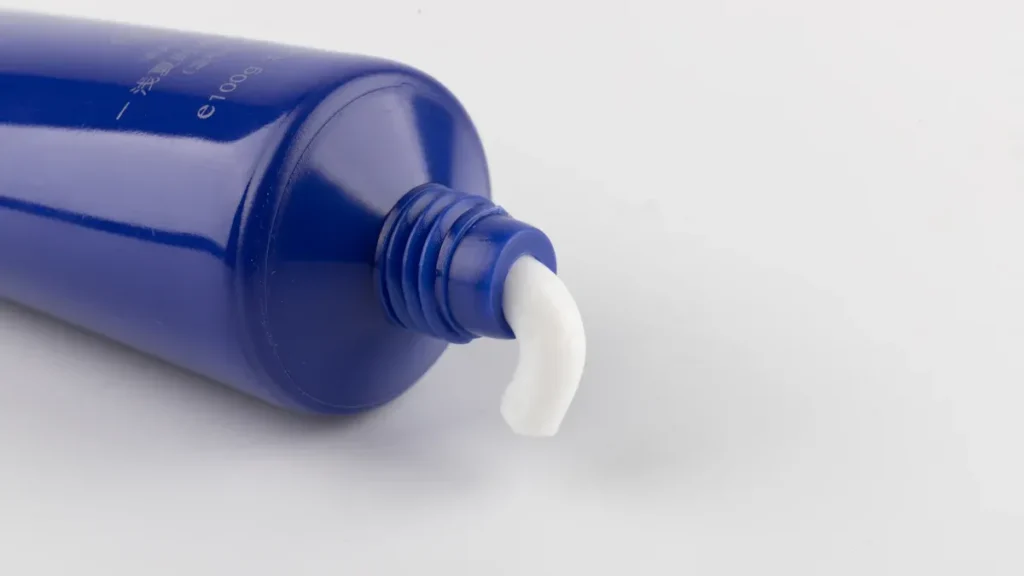
Toothpaste tube packaging has changed a lot over time. Different materials have changed how toothpaste is stored and used. The materials help keep toothpaste fresh. They also affect how easy it is to recycle the tubes.
Traditional Tube Materials
Plastic-Laminated Tubes
Plastic-laminated tubes are the most common type now. These tubes have many layers of plastic. Sometimes, they have a thin layer of aluminum too. The outside plastic makes the tube strong. It also lets brands put labels on the tube. The inside layer keeps toothpaste safe from air and water. The aluminum helps stop air from getting in. This keeps toothpaste fresh longer.
Aluminum Tubes
Aluminum tubes were used before plastic-laminated tubes became popular. Aluminum is strong and bends easily. It protects toothpaste from light and air. But aluminum tubes cost more to make. They can bend and crack, which causes leaks.
Here’s a quick look at how toothpaste tube materials have changed over time:
| Period | Tube Material | Characteristics | Issues/Limitations |
|---|---|---|---|
| Early 20th Century | Cadmium, Lead | Cheap, widely available | Hazardous, toxic |
| Mid 20th Century | Aluminum | Strong, flexible, excellent barrier | Expensive, hard to recycle |
| Modern Use | Plastic Laminates | Multiple polymer layers + thin aluminum | Protects toothpaste but difficult to recycle |
Recycling Challenges
Multi-Material Barriers
Most toothpaste tubes use layers of different materials. The outside is plastic for strength and printing. Inside, there is a barrier made from aluminum or special plastic. The innermost layer is polyethylene or polypropylene. This keeps the toothpaste safe. The cap is made from another plastic, like polypropylene or polystyrene. These mixed materials make recycling hard.
- Toothpaste tubes use a mix of plastics and aluminum, making recycling tough.
- These materials work well but make recycling harder.
- Many tubes are not emptied fully, so recycling gets contaminated.
Most recycling centers do not accept these tubes. They cannot separate the layers easily. So, most tubes go to landfills. There, they can last for hundreds of years.
Landfill Impact
You might not know how much waste toothpaste tubes create. In the UK, people throw away about 200 million tubes each year. These tubes fill up landfills. They can take up to 500 years to break down. Burning the tubes can release toxic chemicals into the air. Around the world, about 20 billion tubes are thrown away every year. These tubes can stay in landfills for 400 to 1000 years. This adds to pollution.
Note: Traditional toothpaste tubes are not recyclable because of their multi-layer design. It is hard to separate the materials. Finding recyclable packaging is important for the future.
Innovations in Toothpaste Tube Packaging
Recyclable Tube Technology
HDPE and Mono-Material Tubes
Toothpaste tube packaging is changing a lot now. Many brands use mono-material tubes made from HDPE. These tubes have only one kind of plastic. This makes recycling much easier for everyone. Old tubes use many layers of different materials. That makes recycling hard. Mono-material tubes fix this problem.
Here is a table that shows how HDPE and mono-material toothpaste tubes make recycling better than traditional tubes:
| Feature | Traditional Tubes | HDPE Mono-Material Tubes | Improvement |
|---|---|---|---|
| Material Composition | Mixed materials | Single material (HDPE) | Simplifies recycling |
| Recycling Infrastructure | Complicated | Compatible | Easier processing |
| Recovery Rate | 16.7% | 60% | 3.6 times higher |
| Contamination Issues | Significant | Reduced | Less contamination |
| Manual Sorting Requirement | Required | Not required | Streamlined process |
Mono-material toothpaste tubes help you choose greener options. They also help cut down on waste. Recycling works better with these tubes. This new packaging is a big step for the future.
Colgate’s Recyclable Tube
Colgate is a leader in recyclable toothpaste tubes. The company uses HDPE, which most recycling programs accept. You can buy Colgate’s recyclable tubes in many stores. These tubes use green technology to help the earth.
- Colgate’s recyclable tubes use HDPE, which is easy to recycle.
- Many tubes still go to landfills because of their size and shape, but Colgate tries to improve recycling systems.
- Colgate wants all tubes to be recyclable by 2025.
- The company asks you to pick green choices and support new ideas.
- Colgate’s new way of making tubes helps the planet and meets business needs.
Colgate’s recyclable tubes can become new things. This keeps billions of tubes out of landfills. You help the earth when you pick these tubes.
Biodegradable and Plant-Based Tubes
Paper-Based Tubes
Paper-based tubes are a new idea in toothpaste tube packaging. These tubes use renewable resources and break down faster than plastic tubes. You help stop plastic pollution when you pick paper-based tubes. They are a greener choice for oral care. Some brands use FSC-certified paper or mix in bamboo or hemp. These tubes have a smaller carbon footprint.
Plant-Based Plastics (e.g., Sugarcane, Corn Starch)
Plant-based plastics, like those made from sugarcane or corn starch, are another green choice. These bio-plastics come from plants, not fossil fuels. They break down faster than regular plastics. You help the planet by picking these tubes. But there are still some problems. Cost, how easy they are to get, and how strong they are can change how many people use them. Still, plant-based plastics are a good step for toothpaste tube packaging.
Biodegradable toothpaste tube packaging gives you more choices. You can pick products that fit your values and help the earth.
Compostable and Renewable Materials
Compostable Laminates
Compostable laminates are another new idea in toothpaste tube packaging. These materials break down in compost piles. You can find toothpaste tubes that use compostable laminates made from renewable resources. This helps cut plastic waste and supports a circular economy.
NICE Polyethylene-Based Tubes
NICE uses polyethylene-based tubes that focus on renewable and recyclable materials. These tubes help lower plastic use and add more recycled content to packaging. You can help the planet by picking brands that use these tubes.
Some brands use sugarcane tubes, which are made from 100% renewable sugarcane. These tubes are a green choice for toothpaste tube packaging. Other brands use board boxes or toothpaste tablets in compostable jars. All these choices give you more ways to help the earth.
Tip: Pick toothpaste tube packaging made from renewable or compostable materials. You help cut waste and keep the planet clean.
You play an important part in making toothpaste tube packaging greener. By picking recyclable, biodegradable, or compostable tubes, you help new ideas and make the future better.
Industry Collaboration
Partnerships and Certifications
Many companies work together to make toothpaste tubes better. These partnerships help brands share ideas and set high goals. When companies team up, they find greener solutions faster. This teamwork also makes recycling easier for you.
Here is a table that shows how big brands and groups work together to improve packaging:
| Collaborators | Innovations | Impact on Sustainability |
|---|---|---|
| Haleon, Colgate-Palmolive, Unilever, P&G | Transition to recyclable mono-material tubes | Enabled recycling through UK kerbside collections, reducing landfill waste and promoting a circular economy. |
| WRAP | Industry trials for recyclability | Established standards for kerbside collection, aligning with Simpler Recycling legislation. |
| WRAP and industry stakeholders | Collaboration for impact | Fostered a circular economy and encouraged other sectors to explore similar innovations. |
These efforts help keep tubes out of landfills. They also make recycling at home easier for you. When companies follow the same rules, recycling centers sort tubes better.
Certifications are important for making sure tubes can be recycled. Groups like APR and RecyClass test and approve new tube designs. If you see these labels, you know the tube meets recycling standards.
Here is a table that shows how partnerships and certifications help:
| Partnership | Technology | Certification | Impact |
|---|---|---|---|
| EPL Limited & GSK Consumer Healthcare | 100% Recyclable Platina Tubes | APR approved, RecyClass | Over a billion toothpaste tubes recyclable by 2025 |
| Albéa Group & P&G | Greenleaf Generation 2 tube technology | APR, RecyClass, SUEZ.circpack | Compatible with HDPE recycling streams |
Picking tubes with these certifications helps the planet. You also help companies make better products.
Xinfly Packaging’s Role
Xinfly Packaging is a leader in making greener toothpaste tubes. The company works with other brands to design tubes with less material and more recycled content. Xinfly Packaging tries new ideas, like plant-based plastics and compostable layers.
You get tubes that are easier to recycle and safer for the earth. Xinfly Packaging shares its research with other companies. This teamwork helps the whole industry move toward a circular economy.
Note: If you choose brands that work with leaders like Xinfly Packaging, you help support a future with less waste and more recycling.
Sustainability and Environmental Initiatives
Life Cycle Assessment
Carbon Footprint
When you pick toothpaste tube packaging that can be recycled, you help lower the carbon footprint. Old toothpaste tubes use many layers and different materials. Making these tubes creates more greenhouse gases. These tubes stay in landfills for a very long time. If they are burned, they let out harmful chemicals. If they get into water, they break into microplastics. These small pieces hurt animals and make water dirty.
| Material Type | Impact Score (mPt) | Key Issues |
|---|---|---|
| Traditional Toothpaste | 163 | Complex multi-material construction complicates recycling and contributes to pollution. |
| Toothpaste Tablets | 188 | Higher overall impact due to resource consumption, despite lower carbon emissions in some areas. |
Resource Efficiency
You help save resources when you choose tubes made from renewable or recycled materials. Mono-material tubes use less energy and fewer resources. They are also easier to recycle. Companies now use plant-based plastics and compostable laminates. These choices help the earth and support recycling.
Recycling Infrastructure
Compatibility with Existing Systems
Recycling for toothpaste tube packaging is getting better. New tubes use HDPE and other plastics that can be recycled. These materials work with today’s recycling systems. You can put these tubes with other plastics. New rules make brands use better materials. This helps you recycle more and throw away less.
Regional Differences
Recycling is not the same everywhere. Some places recycle more than others. Brands like Haleon, Colgate-Palmolive, and P&G sell most toothpaste in the UK. They now use mono-material tubes. You can recycle these tubes at home. In rich countries, some toothpaste tubes get recycled. In other places, tubes still go to landfills or become litter. Big brands use mono-material tubes to help recycling, especially where recycling is hard.
- Colgate wants all its toothpaste tubes to be recyclable by 2025. They use HDPE, which most recycling programs accept.
- This plan should make 75% of the 20 billion toothpaste tubes used each year recyclable by 2025, says Colgate’s report.
- Companies like TerraCycle work with oral care brands to make take-back programs. These programs help recycle hard-to-process packaging.
Industry Goals and Commitments
Colgate’s 2025 Pledge
Colgate is a leader in helping the environment. The company wants all its packaging to be recyclable, reusable, or compostable by 2025. Colgate already has 89.5% recyclable packaging. In North America, 90% of toothpaste tubes can be recycled. Colgate also works to remove extra packaging and make products safer.
Other Leading Brands
Other brands have strong goals too. Unilever wants all plastic packaging to be reusable, recyclable, or compostable by 2030 for hard plastics and by 2035 for soft plastics. These goals help cut down on plastic waste and support recycling.
| Company | Goal | 2023 Achievement |
|---|---|---|
| Colgate-Palmolive | Make all packaging recyclable, reusable or compostable | Achieved 89.5%; 1.1% reusable/refillable |
| Colgate-Palmolive | Eliminate unnecessary and problematic packaging | Less than 1% classified as such |
| Colgate-Palmolive | Recyclable toothpaste tubes usage | 90% of North American SKUs |
| Unilever | Make all plastic packaging reusable, recyclable or compostable | Modified target to 2030 for rigid, 2035 for flexibles |
Laws now make companies pay for packaging waste. These rules push companies to make better packaging that can be recycled or composted.
Using biodegradable polymers for packaging helps the earth when products are thrown away.
You are important in making things better for the planet. When you pick recyclable toothpaste tube packaging, you help cut plastic waste and protect nature. You also help keep products safe. Your choices help brands reach their goals and make the future safer.
Alternative Packaging Solutions
Toothpaste Tablets and Refills
Packaging-Free Options
You can pick toothpaste tablets or powders with no extra packaging. These choices help you make less trash. Toothpaste tablets often come in small glass jars or metal tins. Some companies let you buy a starter kit and refill it with new tablets or powder. You can make your own toothpaste and keep it in reusable containers. This way, you do not use any packaging and you choose the ingredients.
Tip: Tablets and powders use less packaging. They also help you avoid leftover paste in tubes.
| Packaging Solution | Environmental Impact Description | Benefits |
|---|---|---|
| Toothpaste Tablets | Cleans teeth well and has more active ingredients because there is no water. | Cuts down on packaging waste a lot. |
| Toothpaste Powders | Needs 75% less packaging than regular tubes. | You can keep it in glass jars or metal tins. |
| Refillable Systems | Uses 60-80% less material than regular tubes. | Gives you a green choice with refill pods. |
| DIY Solutions | No packaging at all. | Lets you pick the ingredients and use reusable containers. |
Consumer Feedback
You may see that toothpaste tablets clean as well as normal toothpaste. Tablets often have more active ingredients since they do not have water. Many people like simple packaging and being able to refill containers. Studies show switching to tablets helps cut plastic waste and supports green habits. More people are learning about these benefits, so more people are trying tablets.
Reusable and Minimalist Packaging
Glass and Metal Containers
You can buy refillable toothpaste in glass jars or metal tins. These containers last a long time and help you use less plastic. Some brands sell refill pods for reusable dispensers. Glass and metal containers keep toothpaste safe and fresh. You help the earth by picking packaging you can use many times.
Market Adoption
More people are using reusable and simple packaging, but there are some problems. Many like refillable containers, but some worry about how strong and safe they are. You might need to change your habits to use these new types. Some stores sell refillable toothpaste, but you may need to shop online or go to special stores.
Adoption Barriers
Cost and Accessibility
High prices can make it hard to switch to refillable packaging. Almost 70% of people say cost is a big problem. Biodegradable materials and special ways to make them cost more. You may not find refillable products in every store. Making these options easy to get helps more people try them.
| Barrier Type | Description |
|---|---|
| High Costs | Almost 70% of people say high prices stop them from buying reusable products. |
| Durability Concerns | People worry about how long reusable products will last. |
| Consumer Adjustment | People need to learn new ways to use toothpaste, which can be hard. |
Consumer Habits
You may like regular toothpaste tubes because they are easy and familiar. Switching to refillable or simple packaging means changing your routine. Habit and ease matter a lot in your choices. Many green products need you to learn new ways to store and use toothpaste. If more brands offer refillable packaging, it will be easier and more common to try these choices.
Future of Sustainable Toothpaste Tube
Regulatory Trends
Government Mandates
You will see more rules about toothpaste tube packaging. Governments want brands to use greener packaging. Many countries now make companies use recyclable materials for toothpaste tubes. These rules help cut down on landfill waste. They also push brands to find better ways to package toothpaste. Some governments support refillable systems, like aluminum tins and glass jars. This helps reduce single-use plastics.
Industry Standards
Industry groups make rules for packaging safety and recycling. These rules help brands pick materials that keep toothpaste safe. They also make recycling easier for everyone. You can look for tubes with special certifications. These show the tubes meet the rules. Brands work together to make packaging safe and good for the earth.
Tip: If you pick products with certified packaging, you help support better recycling and industry rules.
Advances in Materials Science
Next-Gen Bioplastics
Scientists are making new materials for toothpaste tubes. Next-generation bioplastics come from plants, like sugarcane or mushrooms. These materials break down faster and are better for the earth. Brands now use HDPE tubes that recycling centers accept. Companies like Procter & Gamble and Albéa use new technology. Their tubes are easy to sort for recycling.
| Evidence Description | Details |
|---|---|
| Development of recyclable tubes | Procter & Gamble uses HDPE for recyclable toothpaste tubes. |
| Commitment to sustainability | Brands respond to your demand for eco-friendly packaging. |
| Certification for recyclability | HDPE tubes meet recycling standards in North America and Europe. |
| Collaboration with suppliers | Albéa and Procter & Gamble work together on Greenleaf Generation 2 tubes. |
| Sorting tests success | SUEZ.circpack confirms HDPE tubes sort well for recycling. |
Smart Packaging
Smart packaging is a new idea for toothpaste tubes. Some brands test tubes with sensors or QR codes. These features help you learn about recycling and safety. You can scan a code to see how to recycle your tube. You can also check if the packaging meets green standards.
Consumer and Brand Roles
How Consumers Can Help
You play a big part in making toothpaste packaging greener. Here are some ways you can help:
- Pick tubes made from recyclable or plant-based materials.
- Learn how to recycle tubes at home and teach your friends.
- Support brands that use refillable or compostable packaging.
- Look for certifications that show the tube is safe and recyclable.
Brands should also make recycling easier for you. They need to design better packaging and teach you how to recycle tubes. Companies must work together to make better solutions.
Brand Leadership (e.g., Xinfly Packaging)
Brands like Xinfly Packaging lead the way in green packaging. They use new materials and share ideas with other companies. You help these brands grow when you buy their products. Companies like Dow and Unilever promise to use recyclable tubes. They hope other brands will do the same. When you support these leaders, you help change the industry.
| Company | Commitment | Quote |
|---|---|---|
| Dow | Commercializing recyclable toothpaste packaging | “We are excited to make recyclable toothpaste tubes a reality for the oral hygiene industry…” |
| Unilever | Shifting entire toothpaste portfolio to recyclable tubes | “…we hope this transformation will inspire the wider industry to also make the change.” |
Note: Your choices matter. When you pick green toothpaste tubes, you help the earth and make recycling better.
You may have noticed toothpaste tube packaging has changed a lot. Companies use new materials and designs to help you recycle more. This also helps you throw away less waste. There are still some problems and chances to improve:
- It is hard to keep costs low and help the environment. Many green materials cost more than regular plastic.
- Research and new ideas can make better choices. More people want eco-friendly toothpaste, so the market is growing.
You can help by picking green products and learning to recycle. The future of oral care looks good as brands and people work together for a cleaner world.
Frequently Asked Questions
Key points: toothpaste tube materials (PE/laminate/aluminum), barrier needs, recyclability, PCR & bio-based options, closures and dispensing trends, printing/branding, quality testing, and typical MOQ & lead times.
Q1What are the most common materials used for toothpaste tubes today?
Q2Why do toothpaste tubes need barrier protection?
Q3Which tube structure is best for high-barrier toothpaste packaging?
Q4Are toothpaste tubes recyclable?
Q5What sustainable materials are trending for toothpaste tubes?
Q6Can I use wheat straw plastic for toothpaste tubes?
Q7What closure and dispensing innovations are popular in toothpaste tubes?
Q8What printing and branding options work best for toothpaste tubes?
Q9What quality tests should a toothpaste tube supplier perform?
Q10What are typical MOQ and lead times for custom toothpaste tubes?
Need toothpaste tubes that balance barrier + sustainability?
Send your size, tube structure preference (PE/COEX/PBL/ABL/aluminum), printing style, and quantity — we’ll recommend the best option and support fast sampling.