
How to Choose Cosmetic Squeeze Tubes for Skincare and Beauty Brands

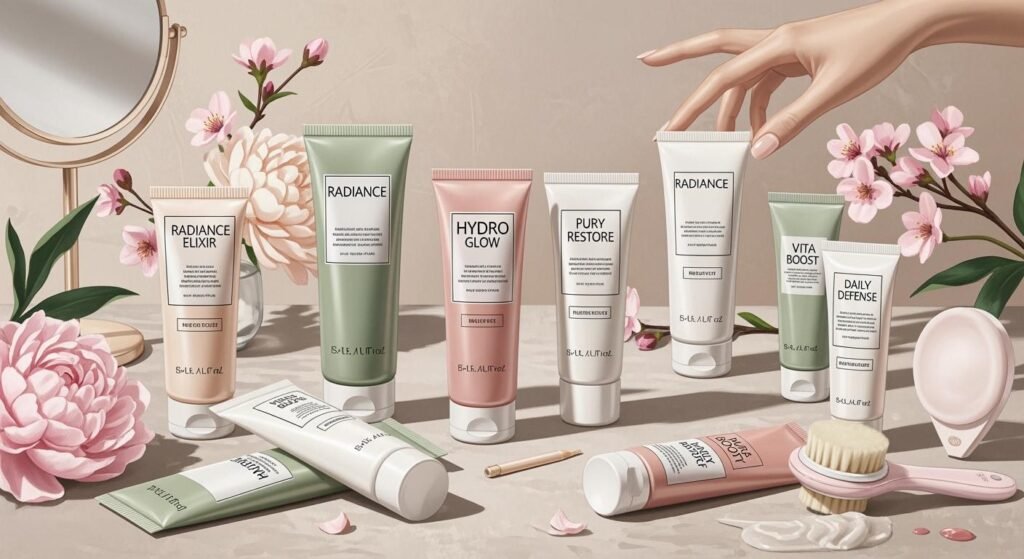
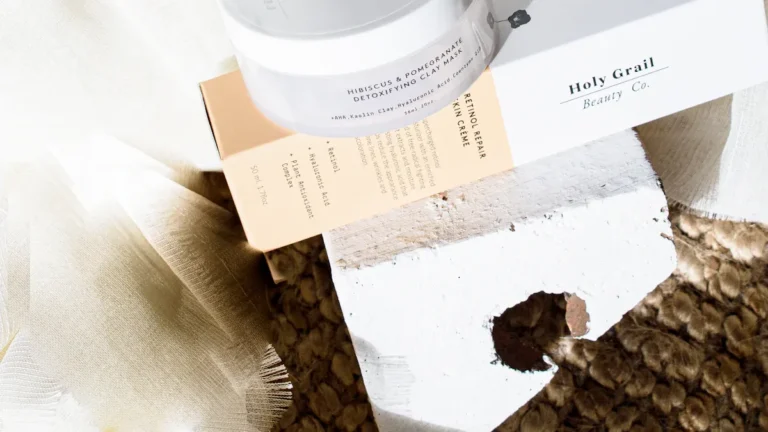
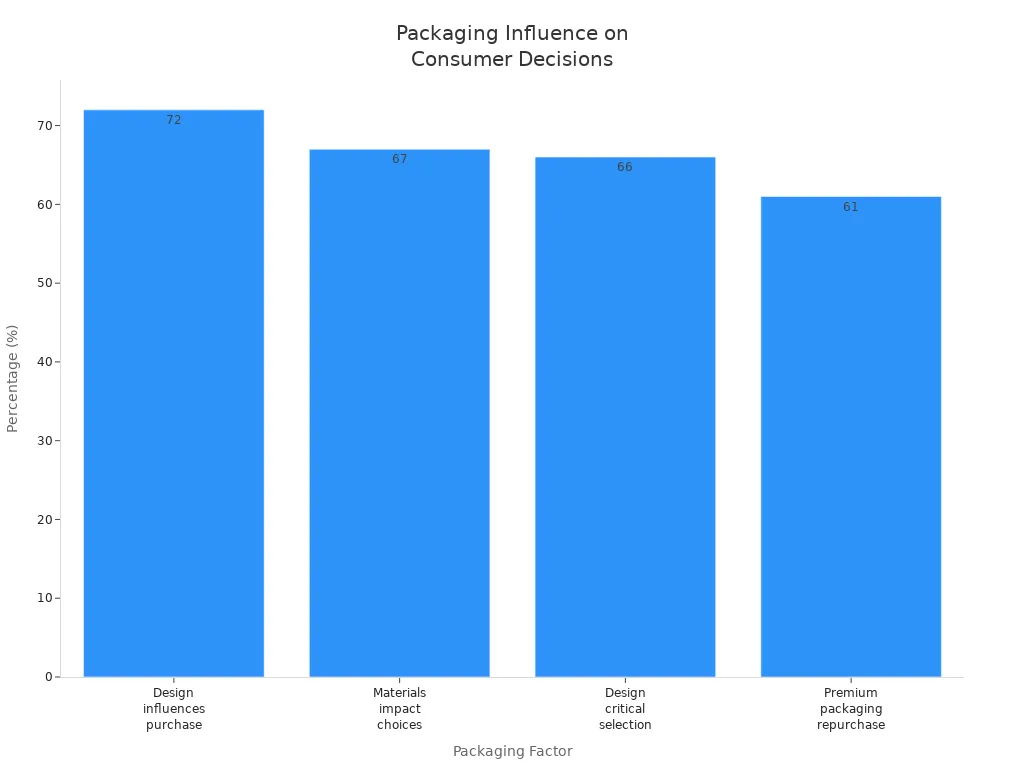
When you pick cosmetic squeeze tubes for your skincare and beauty products, think about how the packaging helps your product and brand look good. Tube packaging works like a quiet salesperson on the shelf. It helps shape what customers think. In fact, 72% of people say packaging design affects what they buy.
| Statistic Description | Percentage |
|---|---|
| Packaging design influences purchase | 72% |
| Packaging materials impact buying choices | 67% |
| Packaging design is critical in personal care product selection | 66% |
| Consumers are more likely to repurchase luxury products with premium packaging | 61% |
Use this guide to help you make smart choices. Make sure your packaging fits your formula. Show off your brand. Meet what the market wants.
Key Takeaways
- Choosing the right cosmetic squeeze tubes is vital for formula compatibility, brand image, and consumer appeal.
- Packaging design significantly influences purchasing decisions, with 72% of consumers stating it affects their choices.
- Understand different materials like plastic, aluminum, and laminate to ensure product safety and shelf life.
- Focus on sustainable options such as recyclable materials and biodegradable bioplastics to attract eco-conscious consumers.
- Test tube compatibility with your product and consult suppliers for optimal materials and designs.
Guide to Product Requirements
Formula Compatibility
When you pick cosmetic squeeze tubes, check how your formula works with the tube. Some things in your product, like oils or acids, can react with the tube material. This can make the tube swell, crack, or get soft. Sometimes, chemicals from the tube can mix with your product and change it. If you do not test this, you might get leaks or problems later.
Tip: Talk to your packaging supplier. Ask them to do compatibility tests before you choose a tube. This helps you avoid trouble and keeps your product safe.
A table can help you see which materials work best with your formula:
| Tube Material | Good For | Watch Out For |
|---|---|---|
| HDPE, LDPE, PP | Most creams, gels | Strong solvents, acids |
| Aluminum | Oily, acidic formulas | Some essential oils |
| PET, PVC, PS | Water-based products | May leach chemicals |
Shelf Life
You want your product to last a long time. The right squeeze tube keeps your formula safe and fresh. Some plastics, like HDPE, LDPE, and PP, are safer and do not let out bad chemicals. Others, like PET, PVC, and polystyrene, can cause trouble if your product gets hot or sits in the sun.
- Amber and frosted glass tubes block UV rays and help keep ingredients stable.
- Airless tubes keep air out, so your product does not spoil. These tubes also help you use the right amount and keep things clean.
- Plastic tubes are light and cost less, but you must check if they fit your formula.
Note: Always ask your supplier what to think about when picking plastic squeeze tubes. Make sure the tube matches your product’s needs.
Sensitivity to Light and Air
Some ingredients, like vitamins or antioxidants, break down in light or air. If your product has these, you need tubes that block light and keep air out.
- Airless tubes and pump bottles protect sensitive ingredients. They stop air from getting in.
- Tubes with UV-blocking features help your product stay strong.
- These designs are important for products with antioxidants, vitamins, or acids.
Callout: If you want the best protection, pick airless tubes or tubes with special coatings. This helps your product stay fresh and safe longer.
If you know your formula, shelf life, and ingredient needs, you can pick the best tube material. This keeps your product safe and helps your brand look good.
Cosmetic Squeeze Tubes: Types and Materials
There are many kinds of cosmetic squeeze tubes. Each material has special features. These features change how your product works and looks. You should learn the good and bad sides before you pick a tube for your skincare or beauty brand.
Plastic Squeeze Tubes
Plastic squeeze tubes are the most common. They make up 60.3% of the market. You see them everywhere because they are light and bend easily. You can squeeze them with little effort. They do not break if you drop them. Plastic tubes cost less than other types. You save money when you buy a lot at once.
| Tube Type | Advantages | Disadvantages |
|---|---|---|
| Plastic Squeeze Tubes | Lightweight, flexible, cost-effective, resistant to breakage | Not as strong a barrier as aluminum, less eco-friendly unless recyclable |
You can pick from plastics like HDPE, LDPE, and PP. These are good for creams and gels. You have many ways to change the look, like colors and shapes. Plastic tubes help your brand stand out on store shelves. You need to check if your formula is safe with plastic. Some strong acids or oils can cause trouble.
Tip: If you care about the planet, choose recyclable or mono-material plastic tubes. These help cut down on waste and support green goals.
Aluminum Tubes
Aluminum tubes give great protection. They keep out air, light, and water. This helps your product stay fresh longer. Many brands use aluminum for products with sensitive ingredients. Aluminum tubes look fancy and feel strong.
You can recycle aluminum tubes over and over. They do not lose quality. This makes them a good pick for the environment. Aluminum tubes cost more than plastic ones. They can dent if you squeeze too hard. You cannot change the design as much, but you get strong protection.
Note: Aluminum tubes are best for formulas that need extra care or last a long time.
Laminate Tubes
Laminate tubes mix the best parts of plastic and aluminum. They hold 55% of the market. They protect well against air, water, and light. Laminate tubes are easy to squeeze. You can get all the product out. They are good for travel-size items because they do not leak.
- They keep your product safe with strong barriers.
- They are tough and easy to use.
- You can print bright designs on them.
- Laminate tubes cost less than glass or hard plastic.
- Resealable caps stop spills.
- You can pick the shape and size you want.
Some laminate tubes use mono-materials, so they are easier to recycle. Old ABL tubes are harder to recycle because they mix materials. Ask your supplier about recycling if you want to make less waste.
Xinfly Packaging Options
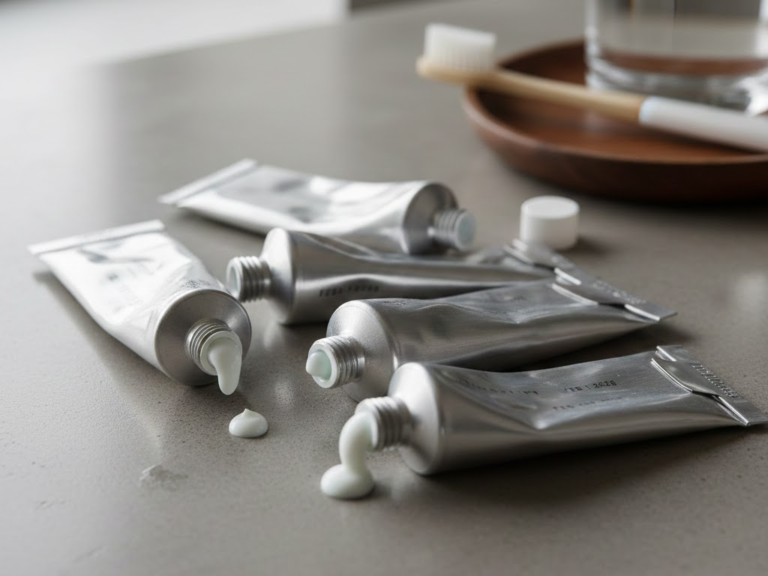
Xinfly Packaging has many kinds of cosmetic squeeze tubes. You can pick plastic, aluminum, or laminate tubes for your product. Xinfly helps you design tubes that match your brand’s style. You get help with picking materials, tube shapes, and recycling. Xinfly helps you choose the best squeeze tube for your formula and brand.
Callout: Ask Xinfly Packaging about their green tubes and recycling plans. You can find ways to protect your product and help the earth.
When you know about the types and materials of cosmetic squeeze tubes, you can make smart choices for your skincare and beauty products. You balance safety, price, and looks to make packaging that fits your brand and what people want.
Tube Packaging Design and Branding
Color and Finish
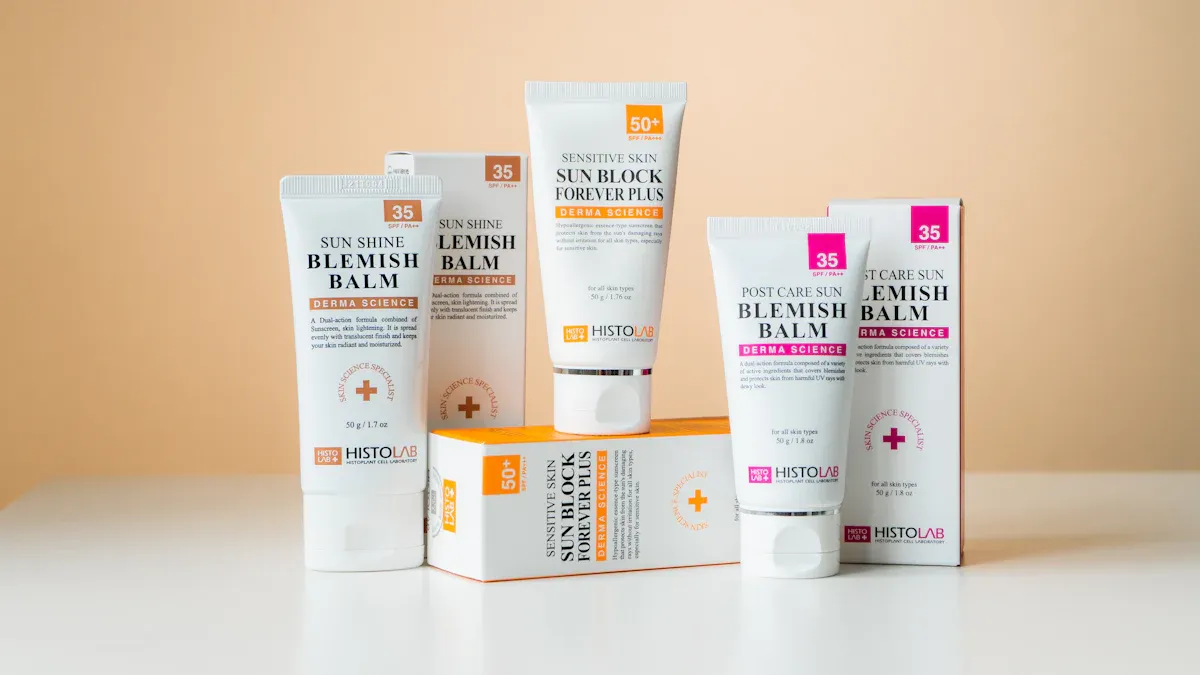
When you design squeeze tube packaging, color and finish matter a lot. Color helps people notice your product. Each color can make people feel something different. For example:
- Green makes people think about being eco-friendly.
- Red shows excitement and energy.
- Classic colors look fancy and high-end.
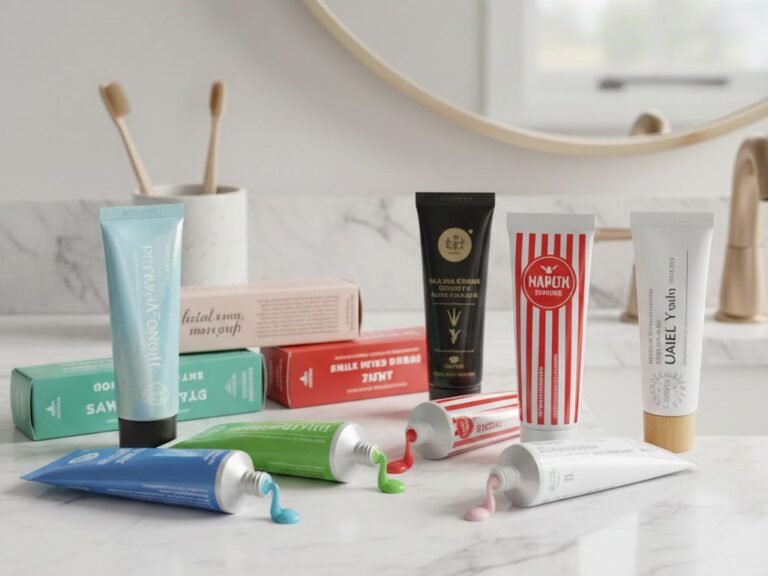
If you use the same colors on all your products, people remember your brand. This helps shoppers trust your brand and want to buy again. Pick colors that your main customers like. Bright colors are good for younger people. Classic colors are better for luxury brands. Remember, colors can mean different things in other countries. Some colors are special in some places. Nice finishes, like matte or shiny, make your tubes look and feel better. Good design helps your product get noticed in busy stores.
Printing and Labeling
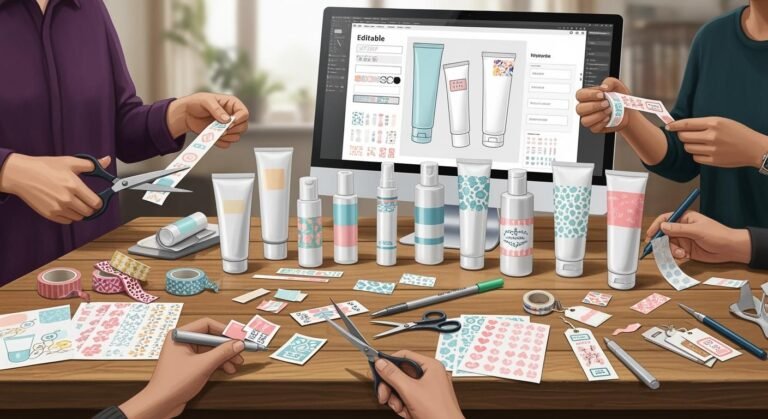
Printing and labeling help your tube show important details and look nice. New printing styles, like offset printing, let you add clear pictures and words. You can put ingredients, how to use it, and what it does right on the tube. Squeeze tubes have more space for cool designs than jars or bottles. Special printing, like hot stamping, makes your packaging stand out. Strong printing keeps labels from fading or peeling, even if people use it a lot. This means your brand and instructions always stay easy to read.
Custom Shapes
Custom shapes make your product different from others. Special shapes, textures, and finishes help shoppers remember your product. Fancy brands use custom tubes to show they are high quality and worth more money. The shape of your tube can catch people’s eyes. Fun or easy-to-hold shapes, like hexagons or sculpted tubes, make people want to pick up your product. Using special shapes helps your brand get noticed and remembered.
Size, Capacity, and Dispensing Guide
Standard and Custom Sizes
When you select tube packaging for your skincare or beauty product, size matters. The most popular tube sizes in the market range from 50 ml to 100 ml. This size group holds about 40% of the market because it works well for many uses. You also see tubes below 50 ml for travel or samples, and larger tubes for body care. Custom sizes let you stand out or fit special needs. Think about where your product will be used. Small tubes fit in bags for on-the-go use. Large tubes work better for home routines.
Tip: Choosing the right size helps you reduce product waste and meet customer needs.
Tube Opening Diameter
The opening diameter of your tube affects how your product comes out. A small opening gives you more control for thin liquids. A large opening works better for thick creams. The thread design on the tube neck also matters. If you match the thread size to your product’s thickness, you get smooth and easy dispensing. If you do not, you might see leaks or uneven flow.
- Small openings: Good for serums, oils, or lotions.
- Large openings: Best for thick creams, masks, or scrubs.
Viscosity and Dispensing
You need to match the tube’s features to your product’s viscosity. This helps with product protection and makes sure customers get the right amount every time. Use the table below to see which tube features fit your product type:
| Viscosity | Example Product Types | Recommended Dispenser(s) | Key Consideration |
|---|---|---|---|
| Water-Like | Toner, Facial Mist, Essence | Fine Mist Sprayer, Reducer Cap | Even and fine spray for light formulas |
| Low | Serum, Facial Oil | Dropper, Treatment Pump | Controlled dosing for potent products |
| Medium | Lotion, Gel Cleanser | Squeeze Tube | Consistent output and easy use |
| High | Thick Cream, Face Mask | Squeeze Tube, Airless Pump | No clogging, handles thick textures |
You get the best results when you match the optimal dimensions of the tube to your product’s texture and use. This makes your product easy to use and keeps it fresh.
Closure Systems and Functional Features
Flip-Top Caps
Flip-top caps make your skincare and beauty routine easier. You open and close them with one hand. This helps when you are busy or in a hurry. Flip-top caps also keep your product safe and clean. They stop dust and splashes from getting inside. You touch the opening less, which means fewer germs get on your product. The tight seal keeps air out. This slows down changes in smell, color, or texture. Your product stays fresh longer.
- Quick to open and close
- Good for travel and daily use
- Protects against dirt and bacteria
- Helps keep product quality high
Tip: Flip-top caps work well for lotions, gels, and creams you use often.
Screw Caps
Screw caps give you a strong seal. You twist them on and off. This type of cap works well for products you do not use every day. Screw caps help stop leaks. They also keep thick creams and masks from drying out. You can use screw caps for tubes that need to stay closed tight for a long time.
- Secure closure for long-term storage
- Good for thick or special formulas
- Less likely to spill in bags or during shipping
Note: Screw caps are a smart choice for products that need extra protection or travel long distances.
Applicators
Choosing the right applicator can change how your product feels and works. Many types of applicators fit cosmetic squeeze tubes. Each one helps you use your product in a special way.
- Doe-foot applicators have a soft tip. They spread glosses and liquid lipsticks evenly.
- Brush applicators give you control and a smooth finish. They are great for shiny or matte glosses.
- Roll-on applicators work well for thin oils. They cool your skin and give a gentle massage.
- Spatula applicators help you take out creams without using your fingers.
- Slanted tip applicators let you put product on straight from the tube. This keeps things clean and easy.
You can pick an applicator that matches your formula and how you want people to use your product. For example, a doe-foot tip works best for soft, colorful products. A roll-on feels cool and relaxing for oils. Slanted tips make it simple to apply balms or ointments.
Callout: The right applicator makes your product stand out and gives your customers a better experience.
Cost and Supplier Considerations
Pricing Factors
When you pick packaging, you should think about price. The cost of cosmetic squeeze tubes depends on a few things. The material you choose changes the price. Metal tubes cost more than plastic or laminate tubes. This is because raw materials and making them are different. If you want special designs or colors, it costs extra. Fancy finishes also make the price go up. If you buy a lot of tubes, each tube costs less. Buying more at once saves money. Luxury brands use glass or aluminum tubes. These look fancy and feel nice. Mass market brands use plastic tubes. Plastic tubes cost less and work for many products.
Tip: Think about your brand’s style and your budget before you choose a tube.
Minimum Orders
Suppliers ask you to buy a certain number of tubes. This is called a minimum order quantity. You must order at least this many tubes at one time. Here is a table that shows what some suppliers want:
| Supplier | Minimum Order Quantity |
|---|---|
| Function Packaging | 10,000 pcs |
| The Package Company | 10,000 pcs |
If you are new, these numbers might seem big. You can ask suppliers if they offer smaller orders or samples to test.
Working with Xinfly Packaging
Xinfly Packaging gives you lots of good things. You can pick any size or shape you want. This helps your packaging fit your product. You can use different branding styles. Xinfly offers printing like offset printing and hot stamping. These make your product stand out. You get strong quality checks. Xinfly uses ISO-certified steps to make sure every tube is good.
Note: Working with Xinfly Packaging helps you find the right tube and keeps your brand looking great.
Sustainability in Tube Packaging
Recyclable Materials
You help the planet when you pick recyclable materials for cosmetic squeeze tubes. Many brands use plastics like PET, HDPE, and PP because recycling centers take them. Aluminum tubes are good too since you can recycle them many times. They do not lose quality. More than 40% of people now want recyclable or biodegradable tubes. This means sustainability is important when you design packaging. You make a smart choice by picking materials that support recycling.
Eco-Friendly Options
Eco-friendly choices give you ways to lower your impact on the earth. More brands use bamboo, glass, and biodegradable bioplastics. These materials break down faster and use fewer resources. In 2023, 78% of new products used eco-friendly packaging. You can also find tubes made with mineral fillers or recycled plastics. These choices help you meet green goals and attract customers who care about the planet.
- Bamboo tubes look natural and feel special.
- Glass tubes look fancy and you can use them again.
- Biodegradable bioplastics break down in compost and make less trash.
- Recycled plastics use less energy and cut down on new plastic.
You make your brand look better by choosing eco-friendly options. Customers see your efforts and trust your products more.
Reducing Waste
You can cut down on waste by using smart ideas in tube packaging. The table below shows ways to use less packaging:
| Strategy | Description |
|---|---|
| Eco-Friendly Materials | Use glass, bamboo, aluminum, and biodegradable bioplastics to make less waste. |
| Minimalist Design | Keep packaging simple to use less material and make recycling easy. |
| Mono-Material Solutions | Use one material for the tube to help recycling and stop contamination. |
| Waterless and Solid Formats | Sell products in solid forms to use less packaging and make it lighter. |
You also help by trying glass or biodegradable materials. Refillable tubes let customers use them again, which lowers waste. Some brands skip packaging for waterless products to save resources. Life Cycle Assessment helps you see how your choices affect the planet. Working with suppliers and customers makes reaching your green goals easier.
Tip: When you choose eco-friendly options and smart designs, you help the environment and make your brand stronger.
Regulatory and Safety Guide
Compliance Standards
You must follow rules when picking cosmetic squeeze tubes. These rules keep products safe for people. In the United States, the FDA has rules for labels and materials. You need to list ingredients and give clear instructions. In the European Union, safety checks make sure packaging does not hurt anyone. The EU also wants brands to use recyclable materials and make less waste. These steps help the planet and meet what customers want.
Here is a table with important things to think about in big markets:
| Region | Key Regulatory Standards | Description |
|---|---|---|
| EU | Safety Assessments | Careful checks make sure packaging is safe for people. |
| EU | Sustainability | Focus on recycling and less waste to help the environment. |
| US | FDA Guidelines | Rules for labels, materials, and safety checks to keep quality high. |
| US | Labeling Requirements | Labels must show ingredients and how to use the product. |
Tip: Following these rules keeps your product safe and helps people trust your brand.
Safety Certifications
You should look for safety certifications when picking packaging. These show your tubes are safe for skin and do not leak bad stuff. Good certifications also prove your packaging is clean and meets country rules. For example, you need FDA certification to sell in the U.S. The EU needs packaging to pass food contact rules. China has its own rules for clean packaging.
| Certification | Description |
|---|---|
| FDA Certification | Shows packaging is safe and does not have harmful stuff for products sold in the U.S. |
| EU Food Contact Materials Regulation | Makes sure packaging does not leak bad things and is safe for skin in Europe. |
| China’s Food Packaging Materials Hygiene Standards | Proves cosmetic packaging is clean and safe for people in China. |
Note: Picking the right certifications gives strong protection and helps your brand look good.
When you check the size of your packaging and pick the best plastic squeeze tube, you cover all safety and rule needs. This helps you meet world standards and keeps your customers safe.
You can make good choices if you think about your product’s needs. Also, think about your brand, cost, and how eco-friendly you want to be. Pick a cosmetic tube that fits your formula. Use monomaterials because they are easier to recycle. Custom designs help your brand get noticed. They also help you meet green goals. Try samples before you decide. Test if the tube works with your product. Find suppliers who make tubes well and check quality. Pick ones with lots of choices. The right plastic squeeze tube keeps your product safe. It also makes your product look nice.
- Match material to formula
- Prioritize monomaterials
- Use recycled or bio content
- Design for recycling
- Communicate disposal instructions
- Reflect your brand
- Request samples and test compatibility
Frequently Asked Questions
Key points: choosing tube material & structure, barrier needs, size selection, cap/applicator options, decoration & printing, sustainability choices (PCR/bio-PE/mono-material), testing, MOQ/lead time, and sourcing tips.
Q1What’s the first step when choosing a cosmetic squeeze tube?
Q2Which tube material is best for skincare and beauty products?
Q3When do I need a high-barrier tube (ABL/PBL/COEX)?
Q4How do I choose the right tube size (ml/oz) for my product?
Q5Which cap and applicator options are most popular?
Q6Can I combine multiple printing methods on one tube?
Q7How do I keep colors consistent across production?
Q8What sustainability options should beauty brands consider?
Q9What tests help prevent leaks and customer complaints?
Q10What are typical MOQ and lead time for custom squeeze tubes?
Q11What information should I send to get an accurate quote?
Want help choosing the best squeeze tube for your formula?
Share your product type, size (ml), material target, decoration, and order quantity — we’ll recommend the right structure and quote within 24 hours.