
Airless Pump Tube Packaging: The 2026 Compatibility Guide for Creams, Gels & Serums

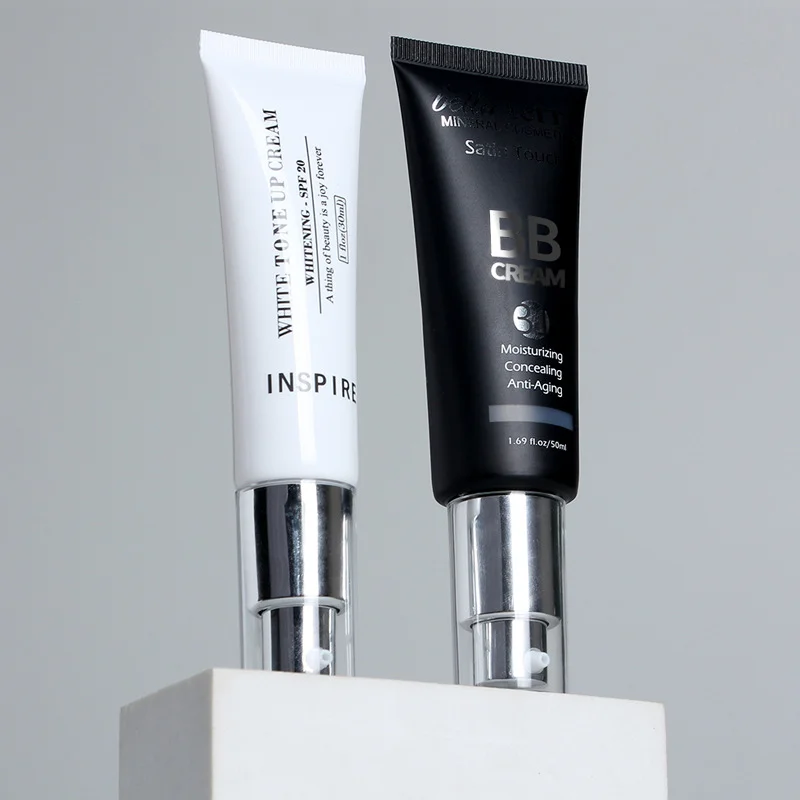
In high-performance skincare, the delivery system is as important as the active ingredients. Airless Pump Tubes are the gold standard for preserving unstable formulas and ensuring a premium user experience. However, not every formula is suitable for every pump engine.
At Xinfly Packaging, we combine 20 years of manufacturing data to help you match your specific viscosity—whether a watery serum or a thick night cream—to the perfect airless mechanism.
1. When to Use Airless: The “Must-Have” Scenarios
If your product falls into these categories, an airless system is not optional—it is a technical necessity.
- Unstable Actives: Formulas with Retinol, Vitamin C (L-Ascorbic Acid), or Peptides oxidize rapidly upon contact with air. Airless pumps create a vacuum environment that extends shelf life by 30%–50%.
- Preservative-Free / Clean Beauty: Without potent synthetic preservatives (like parabens), your formula is vulnerable to bacteria. Airless technology prevents back-flow contamination, keeping the bulk sterile.
- High-Value Formulas: For products retailing over $50, consumers expect zero waste. Airless tubes evacuate >95% of the product, justifying the premium price point.
2. Viscosity Compatibility: Matching Pump to Texture
The biggest failure mode in packaging is a “lazy pump” (won’t prime) or “spitting” (too much pressure).
A. Serums & Oils (Low Viscosity: 2,000 – 10,000 cps)
- Challenge: Leaking or dispensing too quickly.
- Xinfly Solution: We use a tight-tolerance engine with a smaller output (0.15ml – 0.2ml per stroke).
- Best For: Hyaluronic Acid serums, Face Oils, and thin essences.
B. Gels & Lotions (Medium Viscosity: 10,000 – 40,000 cps)
- Challenge: Air bubbles trapped in the gel can cause “sputtering.”
- Xinfly Solution: Our Smooth-Glide Piston ensures consistent priming. The standard output is 0.2ml – 0.3ml, perfect for a full-face application.
- Best For: Aloe gels, lightweight moisturizers, and primers.
C. Creams & Balms (High Viscosity: 40,000 – 100,000+ cps)
- Challenge: The product is too thick to be sucked up by a standard pump.
- Xinfly Solution: We engineer High-Viscosity Pumps with wider dip-tube paths (or pure piston systems) and stronger springs to handle the resistance.
- Best For: Night creams, sunscreens (SPF 50+), and clay masks.
3. Technical Specifications: The Xinfly Standard
A premium pump is defined by its engineering specs.
| Feature | Standard Airless Pump | High-Viscosity Pump |
| Dosage Output | 0.20ml ± 0.02ml | 0.50ml ± 0.05ml |
| Priming Strokes | 3 – 5 pumps to start | 5 – 7 pumps to start |
| Evacuation Rate | > 95% | > 92% |
| Material | PP / PCR-PP (Recyclable) | PP / PE |
| Spring Type | External (Metal-Free Path) | External |
4. Why Xinfly’s “External Spring” Matters
For sensitive formulas, metal contact is a risk.
- Metal-Free Pathway: Xinfly pumps are designed so the formula never touches the metal spring. This prevents rust, discoloration, and metallic odor transfer, which is critical for acidic formulas (like AHAs/BHAs).
You want your creams, gels, and serums to stay safe. Airless Pump Tube Packaging works well with these products. Think about opening a new moisturizer and worrying about germs. Airless technology keeps your formula safe from air and hands. This packaging saves sensitive ingredients. It gives you the right amount each time. It also helps you use almost all of the product. The table below shows how airless packaging makes products safer, cleaner, and last longer.
| Benefit | Description |
|---|---|
| Product Preservation | Keeps sensitive formulas away from air. This helps ingredients stay strong and clean. |
| Maximum Product Usage | Lets you use up to 99% of the product. Customers get almost all of what they paid for. |
| Precision Dosing | Gives a smooth and measured amount each time. This is good for strong serums where control matters. |
| Enhanced Shelf Life | Less air touching the product makes it last longer and work better. |
| Premium Aesthetic | The design looks nice and works well. People want packaging that is stylish and useful. |
| Sustainability | Many choices now use recycled materials. This makes recycling easier. |
Key Takeaways
- Airless Pump Tube Packaging preserves sensitive formulas by preventing air exposure and contamination.
- This packaging allows for precise dosing, maximizing product usage and extending shelf life.
- Airless technology works best for creams, gels, and serums, but compatibility with product viscosity matters.
- Using airless packaging reduces waste and enhances product performance, making it eco-friendly and economical.
- Brands should consider testing and validation to ensure airless packaging meets product needs effectively.
Compatibility Guide
Picking the right packaging for skincare is important. Airless pump tube packaging works well with creams, gels, and serums. You need to think about how thick your product is. You should also check how it comes out and if it mixes well with the packaging. These things help your product work its best. Let’s look at how airless packaging fits each type.
Creams
Viscosity Factors
Creams can be thin like lotion or thick like balm. Airless pump tube packaging fits most cream thicknesses. Thin or creamy formulas come out easily and smoothly. Thick creams need a stronger pump to push them out. You should match the cream’s thickness to the right packaging. LDPE is very flexible and works for medium to thick creams. HDPE is good for medium creams like moisturizers. This helps stop clogs and keeps the cream flowing.
Dispensing Performance
You want the right amount of cream every time. Airless pumps give you just what you need. This stops waste and helps you use the right dose. This matters for creams with strong ingredients. Too much or too little can change how it works. Both bottles and tubes with airless pumps do this. Tubes help you use almost all the cream. Airless packaging also keeps germs and air away. This protects your cream and makes it last longer.
Gels
Texture Preservation
Gels are light and can change if air gets in. Airless packaging keeps gels fresh by blocking air and germs. This helps gels stay smooth and work well for longer. The packaging material is important too. HDPE is strong and flexible. It makes it easy to get the gel out.
Airless Benefits
Airless pumps help gel products in many ways:
- They keep air and germs out.
- They help gels stay clean and stable.
- They make gels last longer, which is good for gels without preservatives.
- They let you get the right amount, which is important for skin treatments.
More people want clean and safe skincare. Airless pump bottles are getting more popular. New ways to make them have made them better for keeping products safe and working well.
| Material Type | Flexibility Rating | Ideal Cream Viscosity | Common Use Case |
|---|---|---|---|
| LDPE | High | Medium–High | Body creams, balms |
| HDPE | Medium | Medium | Moisturizers, gels |
| PP | Moderate | Low–Medium | Light lotions, sunscreen |
Serums
Micro-Dosage Pumps
Serums have lots of active ingredients and need careful dosing. Airless pump tubes use special pumps to give small, exact amounts. This helps you use the right dose and not waste serum. Airless pumps also keep air out. This keeps the serum strong and fresh.
Leakage Prevention
Serums can be thin and might leak. Airless pump bottles and tubes have tight seals and special shapes to stop leaks. This keeps your serum safe when you ship it or use it every day. But airless packaging can cost more. It may not work for every formula, especially very thick ones. The design is harder to make, but it keeps your serum safe from air and germs. This is important for high-end skincare.
| Challenge | Explanation |
|---|---|
| Higher Cost | Airless packaging costs more because it is harder to make and uses special materials. This can make products more expensive. |
| Limited Compatibility | Not every formula works with airless pumps. Thick products can clog the pump. |
| Complexity of Design | Making airless packaging is harder and takes more time. Brands may need to order more at once. |
| Preservation of Product Integrity | Airless packaging keeps products safe from air and germs. This makes the higher price worth it for fancy products. |
Tip: Always test your product with the airless pump tube packaging you pick. This helps make sure it works well and fits your product.
Airless packaging works well with creams, gels, and serums. If you match the right packaging and pump to your product, you keep it safe. This also gives your customers a better experience.
What Is Airless Pump Tube Packaging
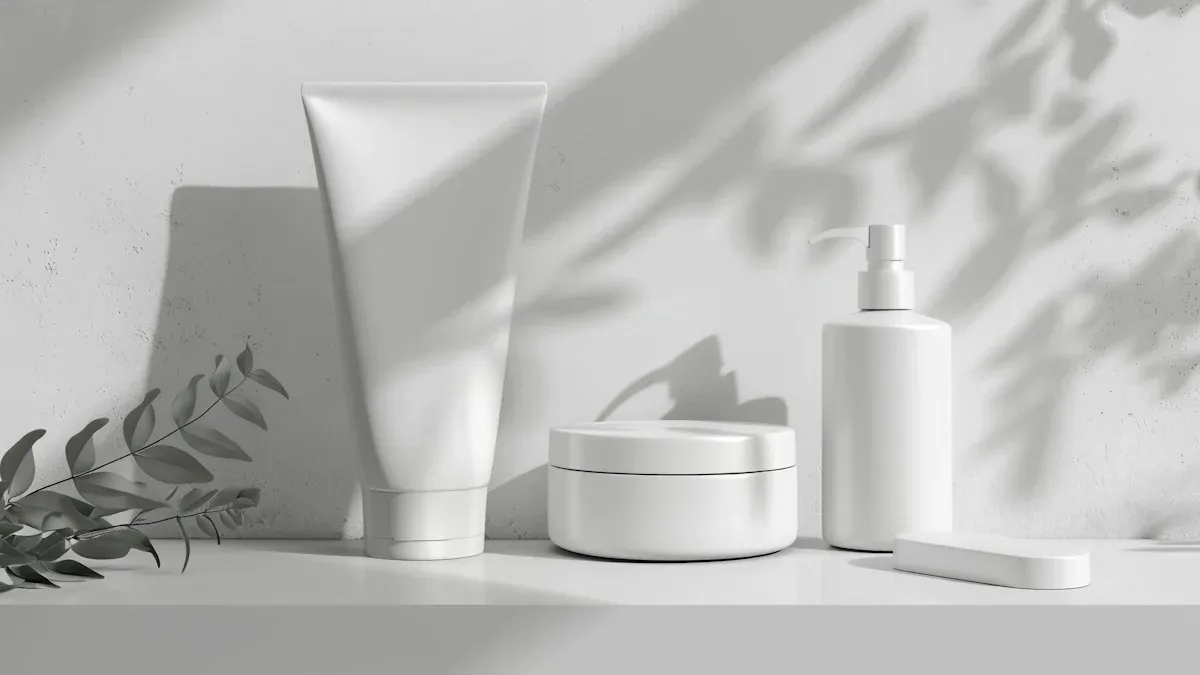
Airless Technology
Airless technology helps keep your cosmetics safe. It uses a vacuum system instead of letting air inside. When you press the pump, the base moves up. This pushes the product out. No air gets into the tube. This keeps your formula safe from germs and oxidation. You do not need as many preservatives. The product does not touch air. Your product stays fresh and strong for a longer time.
- Airless dispensers use a vacuum, so air cannot get in.
- The tight seal keeps your formula safe from oxidation.
- The product never touches air, so you can use fewer preservatives and it lasts longer.
- The design keeps your product’s quality high by stopping air, germs, and evaporation.
Pump Tube Structure
Airless pump tube packaging looks different from regular tubes. The pump sits at the top. Inside, a piston or flexible bag moves up as you use it. This pushes the formula out without letting air in. The packaging material is important too. LDPE, HDPE, or PP are often used for these tubes. These materials keep the tube strong and flexible. They also help protect the formula inside.
| Feature | Airless Pump Tubes | Traditional Pump Bottles |
|---|---|---|
| Mechanism | Uses vacuum to push product out | Uses air pressure to push product out |
| Product Movement | No dip tube; product moves with piston | Product moves through a dip tube |
| Preservation | Little air keeps product quality high | Air can cause oxidation and lower quality |
| Usage Angle | Works at any angle | Must be upright to work well |
Airless Pump Bottles vs. Tubes
You might wonder which is better for your cosmetics. Both use airless technology but work best for different things. Airless pump bottles are good for thick creams or lotions. They look and feel fancy. Airless pump tubes are better for lighter creams, gels, and serums. Tubes let you squeeze out almost all the product, so you waste less.
| Feature/Aspect | Airless Pump Tubes | Standard Pump Tubes |
|---|---|---|
| Air Exposure | Stops air from getting in, so less oxidation and waste | Air can get in, which causes oxidation |
| Product Compatibility | Good for sensitive formulas, not thick ones | Works for thick lotions and most cosmetics |
| User Experience | Gives exact doses and feels premium | Costs less but may leave some product inside |
| Shelf Life | Lasts longer because less oxidation | Normal shelf life, less protection |
| Cost | Costs more because of the design | Costs less and is easier to get |
| Filling Process | Needs special equipment | Uses regular filling equipment |
Tip: If you want to keep sensitive formulas safe and make customers happy, pick airless pump tube packaging. The right material and pump design help your product stay safe and easy to use.
Airless Pump Tube Packaging Benefits
Hygiene
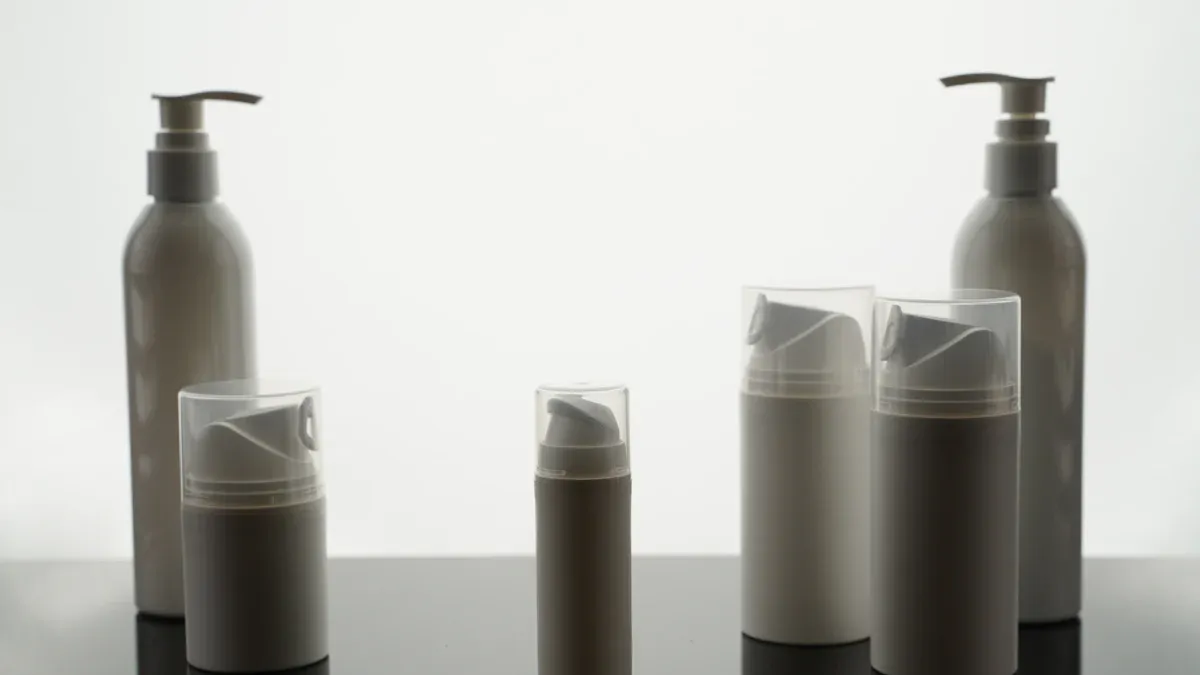
You want your skincare to stay clean and safe. Airless pump tube packaging helps keep germs away from your cream, gel, or serum. When you use airless pumps, you do not touch the product inside. This stops bacteria and dirt from getting in. Studies show that dirty products can make your skin hurt or get infected. Airless pump bottles use a vacuum system to keep the formula away from the air. This design lowers the chance of germs getting in and lets you use softer preservatives. You get a closed space that helps keep your product fresh. If you share products at work, airless packaging helps stop germs from spreading. You can trust your skincare stays safe every time you use it.
- Airless bottles stop you from touching the formula.
- The vacuum system keeps out germs and dirt.
- You can use softer preservatives, which helps sensitive skin.
- The packaging material helps keep the product clean.
Shelf Life
You want your cream, gel, or serum to last longer. Airless pump tube packaging helps keep air out and makes shelf life longer. Airless pump bottles use a vacuum system that protects sensitive ingredients from air. This means your active ingredients stay strong and work better for more time. The packaging material also protects your product from heat and light. You get more value because your product does not spoil fast. The table below shows how airless packaging is better than regular packaging:
| Feature | Airless Pump Bottles | Traditional Pump Bottles |
|---|---|---|
| Air Exposure | Minimal air exposure reduces oxidation | Higher air exposure increases oxidation |
| Shelf Life | Longer shelf life | Shorter shelf life |
| Ingredient Integrity | Maintains potency of sensitive ingredients | Potential degradation of ingredients |
Airless packaging protects sensitive medicines and skincare from germs and the environment. You get a product that lasts longer and works better.
Precise Dispensing
You want to use the right amount of product every time. Airless pump tube packaging gives you the exact amount with each pump. This helps you not waste product and makes sure you get the benefits of your ingredients. Airless packaging lets you use the product at any angle, so you do not have trouble getting the last drop. The dosing system works well for products that are thin or thick, like serums or creams. You get the right amount, which is important for products with strong ingredients. This feature also helps with testing, since you know how much product you use each time.
- Airless packaging keeps air out and stops germs.
- You waste less and get the right amount.
- The system works at any angle for easy use.
- It helps keep your product stable.
If you want packaging that keeps your skincare clean, fresh, and easy to use, airless pump tube packaging is a good choice. Brands like Xinfly Packaging make high-quality airless solutions for many needs.
Product Waste Reduction
You want to get the most out of your skincare products. Airless pump tube packaging helps you use almost every drop of cream, gel, or serum. When you use traditional packaging, some product stays stuck inside. You often throw away bottles with leftover formula. Airless technology solves this problem.
The pump in airless packaging pushes the product up from the bottom. You do not need to shake or squeeze hard. The design lets you use the product until the tube is almost empty. This means less waste and more value for you. You save money because you use what you pay for.
Many cosmetic brands choose airless pump bottles for this reason. The system works well with different viscosities. You can use thick creams or thin serums. The packaging material also helps. LDPE and HDPE tubes are flexible and strong. They keep the formula safe and help you get the last bit out.
Here are some ways airless packaging reduces waste:
- The pump moves the product up, so you do not leave any behind.
- You get the right amount each time, which stops you from using too much.
- The packaging keeps air out, so the formula stays fresh and does not dry up.
- You do not need to cut open tubes or bottles to reach the last drop.
Tip: Always check the chemical compatibility between your formula and the packaging material. This helps keep your active ingredients safe and makes sure you get the best results.
You should also think about stability testing. This step helps you see how well your product works with airless packaging. If you use the right packaging, you protect your formula and reduce waste.
The table below shows how airless packaging compares to regular packaging:
| Feature | Airless Pump Tube Packaging | Traditional Packaging |
|---|---|---|
| Product Waste | Very low | High |
| Dosing Accuracy | High | Low |
| Air Exposure | Minimal | High |
| Value for Money | Excellent | Fair |
You want your skincare to last and work well. Airless packaging helps you use every drop. You get better results and save money. Brands like Xinfly Packaging offer solutions that help you reduce waste and keep your products safe.
When to Use Airless Packaging
Oxygen-Sensitive Formulas
You want your skincare to stay fresh and work well. Oxygen can make some formulas weaker. Airless packaging helps keep products strong by blocking air. Use airless pump tubes for formulas with active ingredients that react to oxygen. These include antioxidants, vitamins, and delicate compounds. Airless packaging keeps your cream or serum safe and strong for longer.
- Antioxidant creams
- Vitamin C serums
- Formulas with delicate compounds
Airless pump bottles and tubes seal the product inside. This stops air from getting in and keeps your product stable. You do not have to worry about your skincare losing power before you finish it.
High-Performance Ingredients
You want your cosmetics to work well. High-performance ingredients like retinoids and peptides need extra care. Airless packaging protects these ingredients from air, germs, and light. This keeps them strong and safe. You get better results from your skincare.
Here is a table that shows how airless pump bottles compare to regular packaging for high-performance ingredients:
| Factor | Traditional Packaging | Airless Pump Packaging |
|---|---|---|
| Oxygen Exposure | High – air enters each time the product is used | None – airtight system prevents oxidation |
| Bacterial Contamination | High – fingers or applicators touch the product directly | Low – no direct contact with the formulation |
| Light Sensitivity | Moderate – clear packaging may allow UV exposure | Low – opaque or UV-blocking materials provide extra protection |
You should always check if your formula works with the packaging material. This helps keep your active ingredients safe and strong. Stability testing helps you see how well your product works with airless packaging.
Viscosity Considerations
You need to think about how thick or thin your product is. Airless pump tubes work best with products that are not too thick or too thin. If your cream is very thick, you need a strong pump and flexible packaging. If your serum is thin, you want a pump that gives small, exact doses.
Airless packaging works well for many cosmetic products. You can use it for day creams, night creams, sun creams, BB creams, eye creams, toners, and other skin care products. The packaging material should match your product’s thickness. This helps you get the right amount each time and keeps your formula safe.
Tip: Always test your product with the airless pump tube before you launch. This helps you check compatibility and make sure your customers get the best experience.
Typical Use Cases
You want your skincare to work well and stay safe. Airless packaging helps with this goal. Many brands use airless pump bottles for special products. You can find airless packaging in lots of cosmetics. Here are some common ways airless packaging helps:
- Sensitive Creams: If your cream has active ingredients, you want it fresh. Airless packaging keeps air and germs out. This helps your cream last longer and work better.
- Serums with Unstable Ingredients: Some serums have Vitamin C or other things that break down in air. Airless packaging keeps these serums strong and safe. You get all the benefits every time you use them.
- Gels for Acne or Sensitive Skin: Gels are light and need to stay clean. Airless packaging stops bacteria from getting in. This helps your skin stay healthy.
- Sunscreens and BB Creams: These products need to be stable and easy to use. Airless pump bottles give you the right amount each time. You do not waste product, and the formula stays safe.
- Eye Creams and Spot Treatments: You want to use small amounts for these. Airless pumps help you control the dose. This helps you use just what you need.
You should always check if your formula works with the packaging material. Some formulas need extra care. Chemical compatibility is important because some ingredients can react with the packaging. You want your product to stay safe and strong.
The table below shows how airless packaging fits different products:
| Product Type | Why Use Airless? | Key Benefit |
|---|---|---|
| Cream | Protects active ingredients | Longer shelf life |
| Serum | Stops oxidation and keeps formula fresh | Maintains potency |
| Gel | Keeps texture smooth and clean | Prevents contamination |
| Sunscreen | Gives exact dose and prevents waste | Easy application |
| Eye Cream | Allows micro-dosing | Reduces product waste |
You should also think about how thick or thin your product is. Thick products may need a stronger pump. Thin products work well with most airless systems. Always test your product before you sell it. This helps you see if your formula stays safe and works well in the packaging.
Tip: If you want to protect your cosmetic products and give your customers the best experience, choose airless packaging. It helps you keep your formulas safe, fresh, and easy to use.
Practical Considerations
Recyclability
You want your cosmetic packaging to be easy to recycle. Many brands use mono-material packaging for this reason. Mono-material means the packaging is made from one resin type. This makes recycling easier and cuts down on waste. If you pick one material, recycling centers can process tubes and bottles faster. Packaging with mixed materials slows recycling and makes more waste. If you care about the planet, choose airless pump bottles made from one material. This helps the environment and lets your brand meet green goals.
Tip: Always check if your packaging matches local recycling rules. Some places take certain plastics, but others do not.
Cost Factors
You need to think about cost when picking packaging. Airless pump bottles cost more than regular pump bottles. The design uses a vacuum piston, not a dip tube. This makes the packaging safer and more advanced. You get better hygiene and longer shelf life. Airless packaging helps you use all your product, so you waste less. Some airless bottles can be refilled, which saves money over time. The table below shows how airless pump bottles compare to regular ones:
| Feature | Traditional Pump Bottles | Airless Pump Bottles |
|---|---|---|
| Mechanism | Dip tube | Vacuum piston |
| Air Exposure | High (oxidation risk) | Minimal (airtight) |
| Product Usage | Leaves 5–10% wasted | Dispenses 100% |
| Hygiene | Risk of contamination | Protects from bacteria |
| Shelf Life | Shorter | Longer |
| Travel Safety | May leak | Leak-proof |
| Eco-Friendliness | Single-use mostly | Many are refillable lotion bottles |
Supplier Selection
You want a supplier who meets your needs for airless packaging. Look for suppliers with many options and strong quality checks. A good supplier offers different services and uses new technology. Check their manufacturing skills and quality control steps. Here are some things to look for:
- Product Viscosity: Make sure the supplier can handle thick or thin creams, gels, or serums.
- Ingredient Sensitivity: Protect active ingredients from air and sunlight.
- Filling and Dispensing Requirements: Match your production line and pump size.
- Target Market and Branding: Make sure packaging fits your brand and customers.
- Sustainability Goals: Ask about recyclable or refillable airless systems.
Note: Suppliers like Xinfly Packaging give custom solutions for cosmetic brands. They help you pick the best packaging material and pump design for your product.
If you follow these tips, you can find a supplier who helps your brand and lets you give safe, high-quality products.
Testing and Validation
You want your cosmetic products to work well and stay safe. Testing and validation help you make sure your airless packaging does its job. You need to check if your formula fits the packaging material. This step helps you avoid problems like leaks, clogs, or changes in your product.
Start by testing how your formula moves through the pump. You should fill a few airless pump bottles with your cream, gel, or serum. Try using the pump many times. Watch for smooth flow and check if the pump gives the right amount each time. If you see clogs or uneven flow, you may need to change the pump or the formula.
Next, check how your product reacts with the packaging material. Some ingredients can break down or change color if they touch the wrong material. You should store your product in the packaging for a few weeks. Look for changes in smell, color, or texture. If you see any problems, talk to your supplier about other options.
You also need to test how well the packaging protects your product from air and germs. Place your filled airless pump bottles in different conditions. Try hot, cold, and humid places. After a few weeks, test the product for freshness and strength. This helps you know if the packaging keeps your formula safe.
Here is a simple checklist for testing and validation:
- Fill the packaging with your product.
- Test the pump for smooth and even flow.
- Check for leaks or clogs.
- Store the product in different places.
- Watch for changes in color, smell, or texture.
- Test for freshness and strength after a few weeks.
Tip: Always keep notes during testing. Write down what works and what does not. This helps you make better choices for your next product.
You should work with your supplier during testing. Companies like Xinfly Packaging can help you pick the right packaging material and pump. They can also help you solve problems if your formula does not fit well. Good testing and validation help you give your customers safe and high-quality products.
Testing and validation are important steps for every new cosmetic product. You protect your brand and your customers when you check your airless packaging before selling.
Choosing airless pump tube packaging helps your cream, gel, or serum stay strong and fresh. Airless pumps and bottles keep important ingredients safe. They also help you use more of your product and waste less. These systems are good for the planet because they support recycling and reuse. Refillable packaging lets you use the same bottle again. This helps you reach eco-friendly goals. Always make sure the packaging material works well with your formula. Think about using refillable systems for your cosmetics. If you need help, ask suppliers like Xinfly Packaging for advice that fits your needs.
Tip: Pick packaging that matches how thick your product is and the material. This helps your product last longer.
Frequently Asked Questions
Key questions about airless pump tube packaging – what it is, when to use it, and how well it works with creams, gels and serums in modern skincare lines.
Q1What is an airless pump tube and how does it work?
Q2When should I choose airless pump tubes instead of regular squeeze tubes?
- High-value face creams or eye creams with active ingredients
- Serums with antioxidants, vitamins or acids that are sensitive to air
- Premium or “clinical” positioning where hygiene and precision matter
- Products that need a more luxury user experience and modern, minimalist look
Q3Are airless pump tubes compatible with cream textures?
Q4Can I use airless pump tubes for gel-based formulas?
Q5Are serums suitable for airless pump tube packaging?
Q6Do airless pump tubes help extend shelf life and reduce preservatives?
- More stable active ingredients over time
- Lower risk of formula discoloration or odor changes
- Potential to use gentler preservative systems in some formulas (depending on regulatory and lab tests)
Q7Are there filling or compatibility limits for airless pump tubes?
- Viscosity and flow behavior
- Filling temperature and speed
- Pump priming and dose consistency
Q8Are airless pump tubes more expensive than standard cosmetic tubes?
- Higher perceived value and luxury positioning
- Improved protection of formulas (fewer complaints, better results)
- More controlled dosing and less wasted product
Q9Can airless pump tubes be designed with eco-friendly materials?
Q10How can Xinfly Packaging help with my airless pump tube project?
- Recommend airless pump tube sizes for cream, gel and serum SKUs
- Provide material and pump compatibility guidance for your formulas
- Offer decoration options (silk screen, hot-stamping, gradients, soft-touch)
- Supply pre-production samples for lab stability testing and line trials
Want to test airless pump tubes for your cream, gel or serum?
Share your formula type, target volume and brand positioning — Xinfly Packaging will suggest suitable airless pump tubes and prepare samples for compatibility and stability tests.