
Cosmetic Tube Printing Techniques: Offset, Silk Screen, Hot Stamping & Their Differences

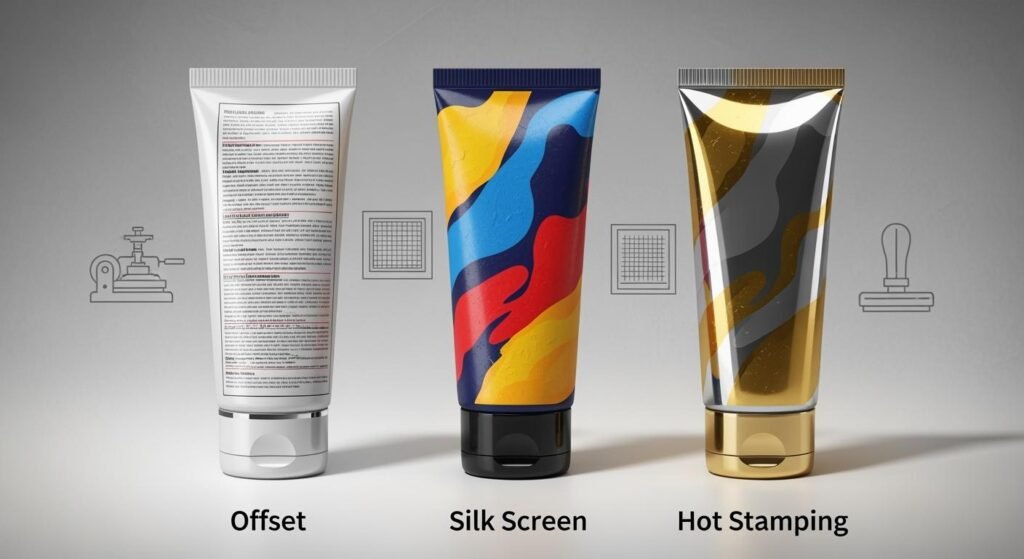
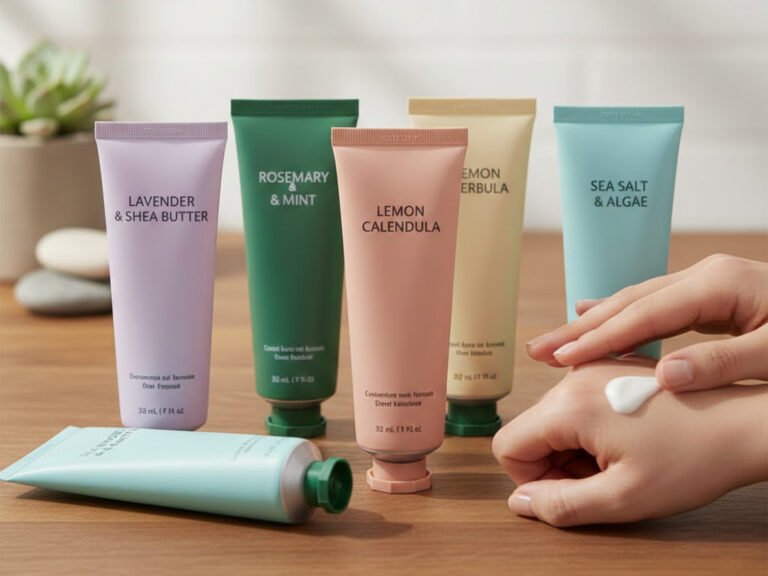
Cosmetic tube printing helps you show your brand on every product. You can use different printing methods like offset, silk screen, and hot stamping to make your tubes stand out. These printing techniques let you add color, shine, or texture to your packaging. When you know how each method works, you can pick the best look for your cosmetic tubes.
Key Takeaways
- Cosmetic tube printing enhances brand visibility using methods like offset, silk screen, and hot stamping.
- Offset printing offers sharp images and smooth colors, ideal for bulk orders, but has limitations on metallic finishes.
- Silk screen printing provides bold, vibrant colors and textures, perfect for simple designs but lacks intricate detail.
- Hot stamping creates a luxurious metallic finish suitable for logos and graphics, yet it requires precise temperature control.
- Choosing the right technique depends on factors like brand identity, product type, audience, budget, and desired durability.
Offset Printing Methods
How Offset Printing Works
Offset printing puts images on cosmetic tubes in a special way. First, you get your graphic files ready and pick Pantone colors. Each color needs its own negative film. You make the tube shape using a dieline. The printing machine has a rubber drum. This drum moves ink from a plate onto the tube. After printing, you change the ink amounts and do a test print to check quality. Offset printing uses six colors and varnish for different looks. This process keeps colors the same and stops unwanted marks.
| Step | Description |
|---|---|
| 1 | Get graphic files ready and pick Pantone colors. |
| 2 | Make the tube shape with a dieline. |
| 3 | Use a rubber drum to put ink on the tube. |
| 4 | Change ink amounts and test for good quality. |
Offset Printing Advantages
Offset printing gives clear pictures and sharp lines. The colors look smooth and even on the whole tube. This method is good for making lots of tubes fast and saves money. You can use many colors and add special finishes. Offset printing works on aluminum and plastic tubes like ABS and PETG. It makes your tubes look fancy and helps your brand stand out. Xinfly Packaging uses new offset printing to give great results for big orders.
- Clear, detailed pictures
- Even color and finish
- Fast and good for big batches
- Works on many tube types
Offset Printing Limitations
Offset printing has some things it cannot do. It cannot make metallic or very bumpy finishes. If you want shiny metallic looks, you need hot stamping. Offset printing needs a special plate for each color, so small orders cost more. Sometimes, ink does not stick if the tube is not ready. Bad decoration or peeling can make your brand look bad.
| Limitation Type | Description |
|---|---|
| Metallic Effects | Cannot make metallic looks; use other printing methods. |
| Textured Finishes | Cannot make heavy textures; try screen printing or hot stamping. |
Best Uses for Cosmetic Tubes
Pick offset printing if you want clear pictures and true colors on your tubes. This method is best for big orders where every tube must match. Offset printing is great for designs with lots of detail, bright colors, and smooth looks. It works on both aluminum and plastic tubes. If you want your cosmetics to look fancy, offset printing is a great choice. Xinfly Packaging gives steady offset printing for all your tube needs.
Tip: Pick offset printing for big orders with hard designs to get the best price and quality.
Silk Screen Printing Techniques
Silk Screen Process
Screen printing is a very common way to decorate cosmetic tubes. A mesh screen helps put ink onto the tube’s surface. First, you make a special plate on polyester. The mesh gets stretched over a frame. You add a pressure coating and let it dry. After it dries, you take off the plastic and start printing. There is also an indirect plate method. This way, you expose a frame, harden it, and stick the graphic film to the polyester. The straight mixed plate screening method uses hot air to dry things. You must pick the right mesh and ink for each tube. PET and PVC do not need any pre-treatment. HDPE and PP sometimes need flame treatment so ink sticks better. UV-cured inks help make strong and bright designs.
| Material | Pre-treatment Needed | Ink Type |
|---|---|---|
| PET | None | Many kinds |
| HDPE | Flame treatment | Many kinds |
| PVC | None | Many kinds |
| PP | Flame treatment if oily | Many kinds |
| UV-cured Inks | N/A | Best for lasting color |
Silk Screen Benefits
Screen printing gives bright colors and thick coverage. The color goes on evenly and looks bold. You can print big letters that are easy to read. UV-cured inks can make the tube feel bumpy or raised. This makes the packaging look cool and helps people notice your product. You can mix screen printing with hot stamping or spray finishes for more shine and texture. Silkscreen printing lets you make special finishes that make your brand different. Xinfly Packaging has many screen printing choices for cosmetic tubes.
- Bright, bold colors
- Thick color coverage
- Raised textures for a fancy look
- Many design options
Silk Screen Drawbacks
Screen printing has some downsides. You cannot use lots of colors. It does not work for very detailed or photo-like pictures. Each color needs its own printing step, so using many colors costs more.
| Drawback | What It Means |
|---|---|
| Few colors allowed | Only a small color set |
| Not good for photo-like images | Cannot show tiny details |
| Each color needs a new step | More colors make it cost more |
Ideal Applications for Tubes
Pick screen printing for tubes with simple, bold designs and strong colors. This method is best for tubes that need a raised or 3D feel. Screen printing is the top choice for decorating cosmetic tubes. You get a finish you can feel, which makes your product special. Xinfly Packaging has many silkscreen options to help your brand stand out. You can also try flexographic or gravure printing for other styles.
Tip: Use screen printing for designs that need to stand out and have a textured feel. This method works for most cosmetic tubes.
Hot Stamping for Cosmetic Tubes
Hot Stamping Process
Hot stamping is a popular way to print on cosmetic tubes. It uses heat and pressure to put shiny foil on the tube. First, you make a metal die with your design in reverse. You pick a foil that fits your brand, like metallic or holographic. The machine heats the die and presses it onto the foil and tube. This makes the foil stick to the tube in your design’s shape. After stamping, you let the tube cool and check for mistakes.
| Step | Action Taken | Why It Matters |
|---|---|---|
| Die Preparation | Make a metal die with the design reversed | Helps the design look right |
| Foil Selection | Pick metallic, glossy, or colored foil | Matches your brand’s style |
| Heat/Pressure Settings | Set the machine to the right temperature and pressure | Stops smudges or bad stamping |
| Tube Placement | Put the tube under the die carefully | Keeps the design lined up |
| Cooling/Inspection | Let the tube cool and check the foil | Makes sure there are no problems |
You can use dies in different shapes, like round or square, to make cool effects.
Hot Stamping Pros
Hot stamping makes cosmetic tubes look fancy and special. You can pick metallic finishes like gold or silver. These finishes make your product look expensive. You can also choose pearlescent or holographic foils for extra shine. Hot stamping gives clear, bold designs with strong colors. The finish lasts a long time and does not fade. Many brands use hot stamping for their logos or graphics.
- Shiny metallic look for a fancy feel
- Holographic and pearlescent shine
- Clear, bold designs
- Finish that lasts and stays bright
Tip: Hot stamping helps your product get noticed and looks high-end.
Hot Stamping Cons
Hot stamping has some problems. You must set the temperature and pressure just right. If it gets too hot, the design can smear. If the pressure is wrong, the foil may not stick. The tube’s quality matters too. Bad tubes can make stamping fail. The ink must be the right thickness or the foil will not stick.
| Disadvantage | Description |
|---|---|
| Temperature control issues | Too much heat can make the design messy |
| Pressure application problems | Wrong pressure can make the stamping look bad |
| Ink viscosity concerns | Ink that is too thick or thin can cause problems |
| Material quality | Bad tubes can ruin the stamping and make it look poor |
When to Use Hot Stamping
Use hot stamping when you want your tubes to look fancy and stand out. It works well for oval, square, and curved tubes. Hot stamping is great for custom logos and shiny graphics. If you want holographic or metallic looks, hot stamping is best. Xinfly Packaging has many hot stamped tubes, including ones with shiny text and metal caps for a bold look.
Note: Hot stamping is best for brands that want to look premium and get noticed with special finishes.
Comparing Printing Techniques
Appearance & Finish
When you choose a printing method for your cosmetic tubes, you want your product to look its best. Each technique gives a different finish and style.
- Offset printing creates detailed images and smooth color. You can see the aluminum texture or pick solid white, pearlized, or clear finishes. This method works well for designs that need exact color matching and sharp lines.
- Silk screen printing gives bold, bright colors. You can add metallic or glossy effects to make your tubes stand out. The ink sits on top of the tube, so you get a raised, textured feel.
- Hot stamping adds a shiny, metallic look. You can use holographic foil for a premium finish. This method works well for brand names, logos, or special accents.
If you want your cosmetic tube printing to show off your brand, think about how each finish will look on the shelf. A glossy or metallic effect can help with market differentiation and catch the eye of your target audience.
Cost Factors
You need to think about your budget when picking a printing method. The cost can change based on the technique you choose.
| Method | Cost Level |
|---|---|
| Silk Screen | Low |
| Offset Printing | Medium |
| Hot Stamping | Medium–high |
Silk screen printing usually costs less, especially for simple designs with few colors. Offset printing costs a bit more, but you get high-quality images and color accuracy. Hot stamping costs the most because it uses special foils and extra steps. If you want to add gravure printing or other effects, your costs may go up. Always match your budget to your design needs.
Durability & Longevity
You want your tubes to look good for a long time. Each printing technology has different strengths for durability.
| Printing Method | Ink Thickness | Durability Features | Longevity Features |
|---|---|---|---|
| Screen Printing | 30 microns | Thick ink layers give a 3D effect and resist fading. | Strong bond prevents peeling or chipping. |
| Hot Stamping | N/A | Metallic finishes add value and resist wear on rigid tubes. | Best on hard tubes; may not last on soft tubes. |
| Offset Printing | 5 microns | High color saturation and sharp details. | Keeps color and detail for a long time. |
Screen printing gives you thick, strong ink that lasts, even if people handle the tube a lot. Hot stamping works best on hard tubes and keeps its shine. Offset printing gives you sharp images that stay bright over time. If you use gravure printing, you can also get good durability for large runs.
Material Suitability
Not every printing method works on every tube material. You need to match the technique to your tube for the best results.
| Material | Printing Techniques Supported |
|---|---|
| Laminated Tubes | Offset, Silk Screen, Hot Stamping |
| Sugarcane Bioplastic | Offset, Silk Screen |
| Paper-based Tubes | Offset, Silk Screen |
Offset printing, silk screen, and hot stamping all work on laminated tubes. If you use sugarcane bioplastic or paper-based tubes, you can use offset printing or silk screen printing. Gravure printing can also work for some materials, especially for large orders. Always check if your tube material matches your chosen method.
Choosing the Right Printing Method
You want your cosmetic tube to match your brand and product needs. Here are some things to think about:
- Brand identity: Pick a finish that fits your brand’s style.
- Product type: Some products need a premium look, others need bold colors.
- Target audience: Young buyers may like bright colors, while luxury buyers want metallic finishes.
- Budget: Choose a method that fits your spending plan.
- Durability: Make sure your design lasts as long as your product.
- Color vibrancy: Some methods give brighter colors than others.
- Customization options: Think about special effects like metallic foil or raised ink.
If you want detailed images and exact colors, offset printing is a strong choice. For bold, raised designs, silk screen printing works well. If you want a luxury look, hot stamping adds shine and value. Gravure printing is good for large runs and smooth finishes. Tube labeling can also help with extra information or branding.
Tip: Always test your design on your tube material before making a big order. This helps you see how the finish looks and feels.
When you use the right printing methods, you help your product stand out and support your brand’s market differentiation. The right choice can make your cosmetic tube printing a key part of your product’s success.
You can print on cosmetic tubes in different ways. Each way makes the tube look and feel unique. The table below shows what each printing method does best and what tubes it works on:
| Printing Technique | Advantages | Suitable Materials |
|---|---|---|
| Dry Offset Printing | Fast, saves money, good for clear pictures | Extruded PE, Laminated tubes |
| Silk Screen Printing | Bright colors, bumpy textures | PE, PBL, ABL tubes |
| Hot Stamping | Shiny metallic look, fancy finish | All tube types |
You can ask Xinfly Packaging for advice. They use new technology and offer custom choices. They help you pick the right materials so your product stands out.
Frequently Asked Questions
Key questions about offset printing, silk screen printing and hot stamping on cosmetic tubes — how they work, their visual effects, cost, and how to choose the right process for your brand.
Q1What is the difference between offset printing and silk screen printing on cosmetic tubes?
Q2When should I choose offset printing for cosmetic tube decoration?
- Full-color artwork or photographic images
- Soft gradients, shadows or complex patterns
- Small text and fine lines that must remain crisp
- Wrap-around designs covering most of the tube surface
Q3What are the advantages of silk screen printing on cosmetic tubes?
- Very opaque, vivid colors – even on dark tube backgrounds
- A slight raised feel, giving a tactile, premium impression
- Excellent durability and resistance to rubbing
- Good registration for logos and key texts
Q4What is hot stamping and why do brands use it on tubes?
- Logos and brand names
- Premium claims or decorative accents
- Borders, icons or small graphic elements
Q5Can I combine offset, silk screen and hot stamping on the same cosmetic tube?
- Offset for the background image and gradients
- Silk screen for solid brand colors and key texts
- Hot stamping for metallic logos or accents
Q6Which printing method is most cost-effective for large-volume orders?
Q7How do tube material and finish (matte or gloss) affect printing quality?
- Gloss surfaces support sharp, vibrant offset prints and reflective foil
- Matte or soft-touch surfaces give a premium feel but may slightly mute color brightness
- Some materials need corona treatment or primers for good ink adhesion
Q8What artwork file formats are best for cosmetic tube printing?
- Vector files in AI, PDF or EPS for logos and text
- High-resolution (300 dpi+) images for photos and gradients
- Clear Pantone references for solid brand colors
- Layered files with dielines, bleed and safe areas clearly marked
Q9How do I avoid color differences between my digital design and the final tube?
- Use Pantone / color targets and share them with the printer
- Request on-substrate proofs (printed on the actual tube material)
- Approve a pre-production sample before full mass production
- Avoid extremely small text in reversed-out areas or super-fine gradients that may print differently
Q10Which printing technique should I choose for a new cosmetic line?
- Use offset for rich backgrounds, images and gradients
- Add silk screen for logo and important texts that must stay strong and opaque
- Apply hot stamping only to highlight key branding elements or premium claims
Not sure which printing technique is best for your cosmetic tube?
Send us your artwork and tube size — Xinfly Packaging will suggest the right mix of offset, silk screen and hot stamping, and prepare samples so you can compare the real effects side by side.