
Easy Ways to Reduce Plastic Pollution with Xinfly Packaging

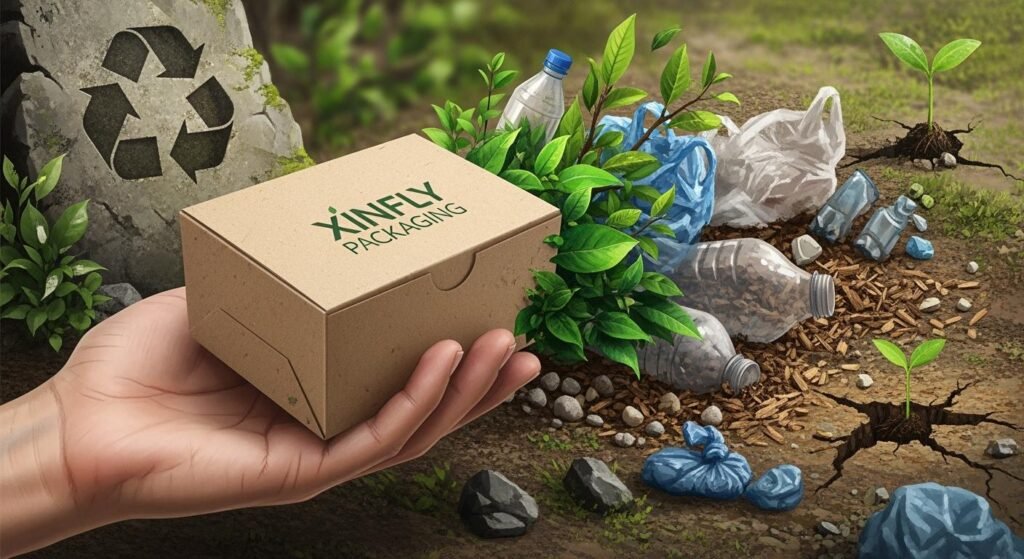
Have you ever opened a package and wondered where all that plastic ends up? You want easy ways to make a difference without changing your whole routine. Xinfly Packaging gives you simple swaps that help you reduce plastic pollution every time you shop or ship. You can toss out less waste and feel good about your choices. Try it once, and you’ll see how effortless it feels.
Key Takeaways
- Xinfly Packaging offers eco-friendly alternatives to reduce plastic pollution with biodegradable and compostable materials.
- Biodegradable options break down faster than regular plastics, while compostable packaging decomposes within six months.
- Choosing Xinfly reduces your carbon footprint and promotes a cleaner environment through innovative packaging solutions.
- Every small action, like using reusable bags or secondhand items, contributes to fighting the plastic waste crisis.
- Individual choices and community efforts can significantly impact the reduction of plastic pollution over time.
How Xinfly Packaging Reduces Plastic Pollution
You want packaging that does more than just hold things. You also want it to help the planet. Xinfly Packaging makes this simple. They use smart materials and designs. These choices help lower plastic pollution. Let’s see how these options help the earth.
Eco-Friendly Materials
Xinfly Packaging uses new materials. These are better for the environment than regular plastics. Some options break down faster. They leave less waste behind.
Biodegradable Options
You may see “biodegradable” on a package and wonder about it. Biodegradable plastics in Xinfly Packaging break down much faster than regular plastics. They need heat and moisture to decompose. Some packaging uses bagasse, which comes from sugarcane. Bagasse is compostable and biodegradable. It helps lower your carbon footprint. Mushroom packaging is another good choice. It is compostable and gentle on the planet. It can be hard to use for big projects.
- Biodegradable plastics break down faster than regular plastics.
- Bagasse packaging uses sugarcane waste and is compostable.
- Mushroom packaging is compostable and gentle on the planet.
Compostable Packaging
Compostable packaging goes even further. It breaks down into water, carbon dioxide, and biomass. This happens in less than six months with the right composting setup. Compostable packaging from Xinfly can go in a compost bin. You know it will not last for centuries.
Tip: Compostable does not mean it will break down anywhere. It needs the right conditions, usually found in industrial composting places.
Compared to Conventional Packaging
You may wonder how these eco-friendly choices compare to regular packaging. The difference is big.
Environmental Impact
Regular plastics and Styrofoam last for hundreds of years. They fill landfills and turn into microplastics. These hurt wildlife. Eco-friendly materials like bagasse and plant-based packaging use less energy. They release fewer greenhouse gases. Xinfly also uses post-consumer recycled materials and sugarcane tubes. This cuts plastic use by half compared to old packaging.
- Conventional plastics have a high carbon footprint.
- Eco-friendly materials use less energy and create less pollution.
- Xinfly’s packaging is durable and high-quality, even with sustainable materials.
Decomposition Rates
Here is a quick look at how fast these materials break down:
| Material Type | Decomposition Time | Biodegradation Requirements |
|---|---|---|
| Compostable Materials | 180 days or less | Converts to CO2, water, and biomass; 90% carbon conversion to CO2; same rate as natural materials. |
| Conventional Plastics | Centuries | Can persist for centuries, often resulting in microplastics, with no natural decomposition process. |
Compostable packaging breaks down in months, not centuries. You help the planet every time you pick it over regular plastic.
Note: Not all “green” packaging is really sustainable. Always check the label and local composting rules.
The Plastic Waste Crisis
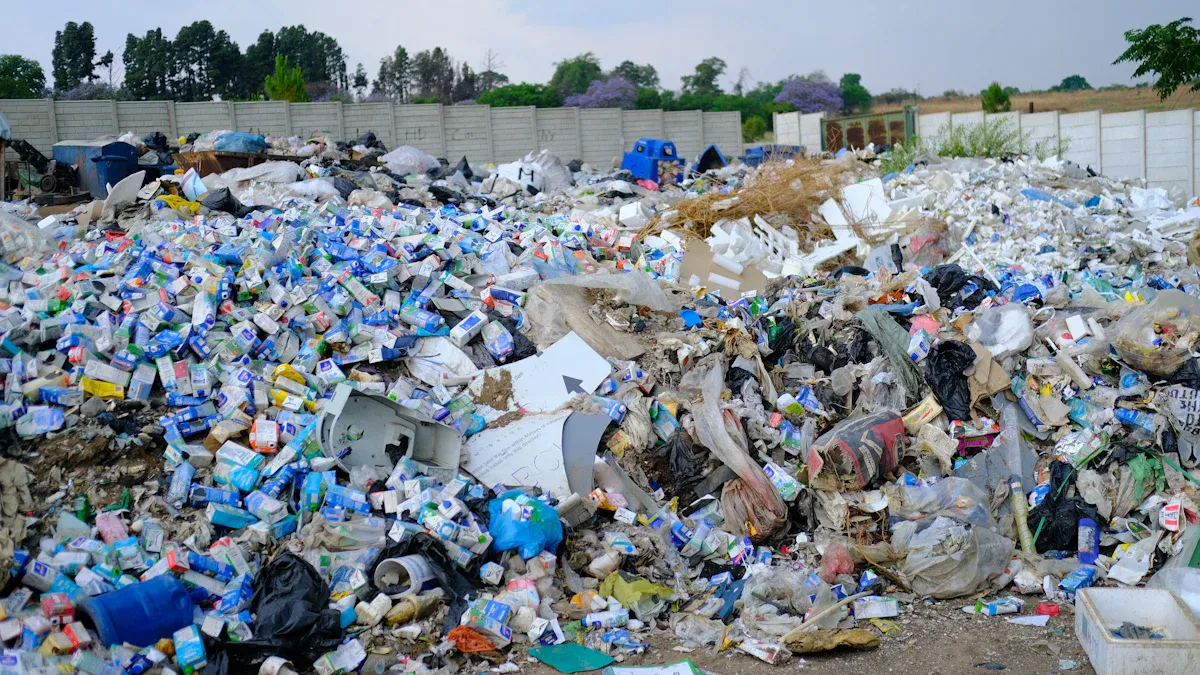
You see plastic all around you. It covers your food and protects packages. Stores use it on many products. Using plastic every day has caused a big problem. This problem is called the plastic waste crisis. You may not see it right away, but it gets worse each year.
Packaging’s Role in Plastic Waste
A lot of plastic waste comes from packaging. Most plastic you throw away is from packaging. You use it once and then throw it out. This waste adds up very quickly.
Single-Use Plastics
Single-use plastics are a big part of the problem. You use them for a short time. But they stay in the world for hundreds of years. Plastic bags, wrappers, and bubble mailers are examples. These fill landfills and sometimes go into rivers and oceans.
- In 2019, people made 353 million metric tonnes of plastic waste.
- Packaging was 40% of all that plastic waste.
- Experts think plastic waste could triple by 2060.
- That would be over 1 billion metric tons each year.
- Amazon made 709 million pounds of plastic packaging in 2021.
- About 26 million pounds of that went into oceans and waterways.
Packaging Waste Statistics
You may wonder how much packaging adds to the problem. Here is a quick look:
| Statistic | Value |
|---|---|
| Percentage of global plastic made for packaging | 44% |
| Percentage of U.S. municipal waste from packaging | ~33% |
| Percentage of U.S. waste from plastic packaging | ~18% |
| Estimated recycling rate of plastic packaging | Less than 14% |
Most packaging does not get recycled. It ends up in landfills or outside in nature. This makes the plastic waste crisis even worse.
Why Reducing Plastic Pollution Matters
You might ask why plastic pollution is important. The answer is easy. The plastic waste crisis hurts your health, your town, and the earth.
Environmental Effects
Plastic pollution is bad for the planet in many ways. When plastic breaks down, it lets out harmful chemicals. These chemicals go into the soil and water. They can even get into the food chain. Microplastics are tiny pieces of plastic. They can get into your water and food.
- Plastic pollution can get into food and water.
- Microplastics can get into your body from food or air.
- These tiny plastics can cause health problems like swelling and even cancer.
Impact on Wildlife
Wildlife is hurt the most by plastic waste. Animals eat plastic by mistake. Birds, fish, and turtles can get stuck in plastic. This can injure or kill them.
When you use less plastic, you help animals and nature stay safe.
You can help fight the plastic waste crisis. Every time you pick better packaging, you help make a change.
Easy Ways to Reduce Plastic Pollution
Choose Xinfly Biodegradable Packaging
For Individuals
You want to help the planet, but you need easy steps. Pick Xinfly biodegradable packaging for your daily things. This packaging breaks down fast in nature. It does not stay in the ground or water for a long time. You help the earth when you choose compostable or biodegradable materials instead of plastic. You can recycle plastic if you can, but eco-friendly packaging helps more.
- Biodegradable packaging breaks down quickly and keeps plastic out of dumps.
- Compostable packaging turns into safe, natural stuff in a few months.
- You make it easier to use less plastic by picking these choices.
- Always check if you can recycle or compost packaging where you live.
You can join a recycling program at home or in your town. This helps you recycle plastic and compostable things the right way. Every small step makes a difference.
For Businesses
If you have a business, you can help even more. Switching to Xinfly biodegradable packaging gives you many good things:
- You lower carbon dioxide by using better packaging.
- You use renewable resources, which helps the planet.
- You get more customers, especially Gen Z, who care about the earth.
- Sustainable packaging makes your brand special.
- Customers trust brands that care about the planet.
- You build loyalty by showing you care about nature.
Using compostable and eco-friendly packaging cuts plastic waste and helps your business look good. You show customers you want to use less plastic and help the earth.
Reuse and Repurpose Packaging
Creative Reuse Ideas
You do not have to throw away packaging after one use. You can reuse or repurpose it in fun ways. Try these ideas:
- Use compostable boxes to hold art supplies or toys.
- Turn cardboard mailers into desk organizers.
- Use reusable containers for snacks or lunches.
- Make plant pots from compostable packaging for your garden.
You help cut plastic pollution and keep packaging out of dumps. You also save money and have fun.
Extending Product Life
When you reuse packaging, you make it last longer. This means less plastic waste and fewer single-use plastics at home. You can recycle plastic things when they break. Try to use packaging again before you throw it away.
Tip: Start a box for reusable packaging at home. Use it when you need to ship or store something.
Eliminate Unnecessary Packaging
Minimalist Packaging Choices
You can help the planet by picking products with less packaging. Minimalist packaging uses only what you need. It cuts plastic and makes recycling easier. Xinfly has packaging that fits your items just right. This lowers waste and keeps your things safe.
Here’s how smart packaging helps:
| Evidence | Explanation |
|---|---|
| Cutting extra packaging needs smart, on-demand solutions. | You get less waste and better shipping. |
| Advanced adhesive technologies help right-sized packaging. | You use fewer materials and still keep things safe. |
| It saves shipping space, protects goods, and uses less material while staying recyclable. | You lower plastic pollution and save resources. |
Zero Waste Kits
You can make a zero waste kit for your daily life. Use reusable bags, a reusable bottle, and compostable utensils. These kits help you say no to single-use plastics and use less plastic. You can add eco-friendly packaging for snacks or lunches.
- Zero waste kits help you use fewer single-use plastics.
- You keep plastic out of nature.
- You support green and eco-friendly habits.
You do not have to change everything at once. Start small and see how easy it is to cut plastic pollution with these steps.
Switch to Cardboard and Natural Materials
You want packaging that is good for the earth. Cardboard and natural materials make this simple. When you pick Xinfly Packaging, you get products with cardboard from safe sources. These materials break down much faster than plastic. You can recycle them in most places. Every time you choose cardboard, you help lower plastic waste.
Sustainably Sourced Cardboard
You may wonder why cardboard is important. Cardboard from healthy forests means new trees are planted. Forests stay strong and safe. Xinfly Packaging uses cardboard that follows strict rules. You can recycle it after you use it. You can also reuse it for crafts or storage. Cardboard boxes keep your things safe and make less waste.
Tip: Flatten boxes before you recycle them. This saves space and helps recycling centers work better.
Here is a quick look at why cardboard is better than plastic:
| Feature | Cardboard | Plastic |
|---|---|---|
| Recyclability | Widely recyclable | Limited recyclability |
| Decomposition | Months to a few years | Centuries |
| Source | Renewable (trees) | Fossil fuels |
| Environmental Impact | Lower carbon footprint | High carbon footprint |
You help the earth and meet the need for greener choices when you use cardboard. Xinfly Packaging makes it easy to switch and help the planet.
Compostable Alternatives
You can do more than just use cardboard. Compostable packaging uses plant fibers, bagasse, or mushrooms. These break down in compost bins and turn into soil. You can put them in your home compost or use city composting. Compostable packaging keeps trash out of landfills and helps gardens grow.
- Compostable trays and wraps are good for snacks and lunches.
- Plant-based mailers keep your things safe and break down fast.
- You help the earth with every compostable choice.
Compostable packaging needs the right conditions to break down. Always check your local composting rules.
Avoid Single-Use Plastics
You see single-use plastics everywhere you go. They are in bags, bottles, and wrappers. You use them once and then throw them away. These plastics fill landfills and pollute water. You can make small changes that really help.
Reusable Bags and Bottles
You can use reusable bags instead of plastic ones. Cloth bags last a long time and hold more. Stainless steel or glass bottles keep drinks cold and cut plastic waste. You save money and help the earth every time you reuse.
- 70% of shoppers want sustainable packaging.
- You join many people who use reusable bags and bottles.
- Stores give discounts when you bring your own bag or bottle.
Next time you shop, take a reusable bag. You will see how easy it is to skip plastic.
All-Natural Cleaning Supplies
You can skip plastic bottles by making your own cleaners. Use vinegar, baking soda, and lemon juice. Store them in glass jars or refillable containers. Xinfly Packaging helps with compostable and recyclable options for home goods.
- Companies now use security features with sustainable packaging.
- You help set new rules for eco-friendly living.
- Sustainability is important for brands and shoppers.
You make a big difference when you pick natural materials and reusable products. Every small step helps lower plastic pollution and keeps your home clean.
Sustainability Tips for Everyday Life
You want to make smart choices every day. You can help the planet with simple habits that fit your routine. Xinfly Packaging makes it easy, but you can do even more. Try these tips to boost your impact.
Smart Shopping Choices
Shopping gives you a chance to cut plastic waste. You can pick products that help the earth and your wallet.
Secondhand Purchases
You can buy secondhand items instead of new ones. Thrift stores, online marketplaces, and garage sales offer clothes, toys, and gadgets. When you buy used, you keep things out of landfills. You also skip extra packaging. You save money and help the planet at the same time.
Tip: Next time you need something, check a thrift shop first. You might find a hidden gem.
Boycotting Microbeads
Microbeads are tiny bits of plastic in some soaps and scrubs. They wash down the drain and end up in rivers and oceans. You can avoid products with microbeads by reading labels. Look for words like polypropylene, polyethylene, or nylon. Choose natural scrubs with oatmeal, sea salt, or ground nuts.
- Pick organic or eco-friendly products with natural exfoliants.
- Support brands that say no to microbeads.
- Help keep plastic out of water and away from wildlife.
Home and On-the-Go Solutions
You spend a lot of time at home and on the move. You can make small changes that add up.
Cooking at Home
You can cook meals at home to cut down on plastic packaging. Home-cooked food uses fewer wrappers and containers. You control what goes into your meals. You can store leftovers in reusable containers or compostable wraps from Xinfly Packaging.
Cooking at home saves money and helps you eat healthier. You also use less plastic.
Zero Waste To-Go Kits
You can build a zero waste kit for your busy days. Pack a reusable bag, a stainless steel bottle, and compostable utensils. Keep your kit in your backpack or car. You will always have what you need to skip single-use plastics.
| Item | Why It Helps |
|---|---|
| Reusable bag | Cuts down on plastic bags |
| Stainless steel bottle | Avoids plastic bottles |
| Compostable utensils | Skips plastic forks and spoons |
You can ask stores if you can use your own containers. Some bakeries and shops let you bring your own packaging. You help lower waste and set a good example for others.
Here are three easy tips to remember:
- Keep a reusable bag handy for shopping.
- Plan your routes so you can return reusable containers.
- Ask about bringing your own packaging when you shop.
You do not need to change everything at once. Start with one tip and see how easy it feels. Every small step helps the planet and makes your life greener.
Overcoming Plastic Waste Challenges
Switching to sustainable packaging seems like a good idea. But you may worry about the cost or how to recycle it. Finding the right products can be hard. These problems can feel like too much. You can solve them with smart choices and help from Xinfly Packaging.
Cost and Accessibility
Eco-friendly packaging usually costs more than plastic. Small businesses feel this when they try to switch. Prices may be higher at first. Sustainable materials are harder to find. Supply chains are still growing. Some places do not have good recycling centers. This makes it hard for you and stores to use green packaging.
Bulk Buying
Buying in bulk can help you save money. If you order more Xinfly Packaging, each item costs less. Bulk buying helps businesses spend less. It makes green options cheaper for everyone. Lighter packaging also lowers shipping costs. This helps you save money.
| Cost Factor | Implication |
|---|---|
| Regulatory Compliance | Not following rules can mean fines and legal trouble. This can make things cost more later. |
| Production Costs | New materials can cost more to make at first. |
| Transportation and Storage Costs | Lighter packaging lowers shipping costs. Bulky packaging can make costs go up. |
| Environmental Standards | Green practices can save money later but need money up front. |
Tip: Try group deals or work with other businesses. Buy eco-friendly packaging together and share the savings.
Local Retailers
Shopping at local stores helps you find green packaging. Local shops often have eco-friendly choices. They can answer your questions. You help your community and make green choices easier for everyone.
- Local stores may give discounts if you bring your own packaging.
- You can ask about compostable or recyclable packaging in person.
- Helping local shops builds a strong green network.
Recycling and Disposal
You may not know what you can recycle or compost. Every place has different rules. Some packaging looks green but is not accepted everywhere.
Identifying Recyclables
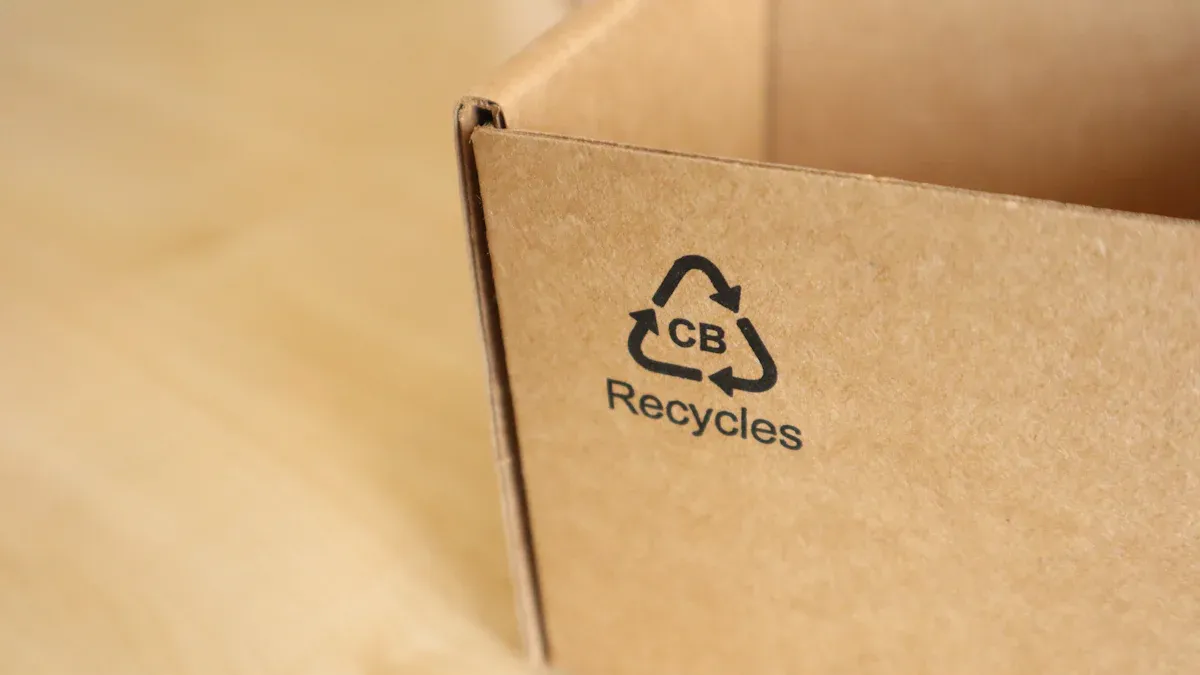
You can check labels to find recyclable packaging. Xinfly Packaging uses clear symbols and instructions. Shoppers who know the rules help recycling programs work well. When you know what to recycle, you keep bins clean. This helps materials get reused.
- Look for recycling codes and compostable labels.
- Ask your store if you are not sure about a package.
- Join local recycling programs to learn more.
Local Guidelines
Every city or town has its own recycling rules. You can look up your local rules online or ask at a community center. Following these rules helps your packaging get recycled the right way.
Note: Some compostable packaging needs special places to break down. Always check if your area takes these materials.
Government rules help companies use better packaging. These rules push businesses to try new ideas. Almost half of companies now use recycled materials because of these rules. You help by picking products that follow these standards.
You can make a difference by learning and asking questions. Pick Xinfly Packaging to help cut plastic waste. Every smart choice helps build a cleaner future.
The Impact of Sustainable Choices
You want your choices to help. When you pick Xinfly Packaging, you help the earth and your town. You also help your business grow stronger. Let’s see how your choices make a difference.
Environmental Benefits
Less Plastic Waste
You use less plastic when you choose Xinfly Packaging. Compostable and biodegradable materials break down quickly. They do not fill landfills or pollute rivers. You see less trash around you. Animals stay safer. Your choices help keep parks and oceans clean.
- You use packaging that goes away in months, not years.
- You keep plastic out of landfills and water.
- You help protect animals from plastic dangers.
Lower Carbon Footprint
You lower your carbon footprint with sustainable packaging. Xinfly uses plant-based and recycled materials. These need less energy to make. You help cut greenhouse gases. You also support cleaner air and water.
Every time you pick eco-friendly packaging, you help fight climate change.
You join a growing group. The sustainable packaging industry will grow more than 5% each year until 2028. The market could reach $385 billion by then. More people want green food packaging. You are part of this change.
Social and Economic Value
Brand Reputation
You want your business to be special. Customers notice when you use eco-friendly packaging. They trust brands that care about the earth. You show you care about the future. You also follow new rules for packaging.
| Benefit | Description |
|---|---|
| Enhancing brand reputation | Sustainable packaging matches what customers want for the planet. |
| Building consumer loyalty | Eco-friendly actions help keep customers who care about nature. |
| Achieving regulatory compliance | Using green materials helps brands follow new rules. |
You build a strong brand. People remember your business for good reasons.
Customer Loyalty
You want customers to come back again. Eco-friendly choices help you earn their trust. Shoppers look for brands that match their values. You keep them happy with Xinfly Packaging. They tell friends about your business. You see more repeat buyers.
- You create loyal customers who care about the earth.
- You meet the needs of Gen Z and green shoppers.
- You build a community around your brand.
You also follow new trends. Companies now use simple designs and flexible packaging. Consumers want paper-based and easy packaging. Xinfly Packaging fits these trends.
| Trend | Description |
|---|---|
| Measurable Sustainability | Focus on numbers that show how packaging helps the planet. |
| Minimalistic Design | Move to simple packaging that uses fewer materials. |
| Flexible Packaging | More brands use flexible packaging that is better for the earth. |
| Consumer Demand for Paper-Based | More people want packaging made from paper and eco-friendly stuff. |
You help lead the way for a greener future. Your choices inspire others to do the same.
You make a big impact with every package you pick. You help the earth, your business, and your customers. Sustainable choices with Xinfly Packaging bring real benefits you can see and feel.
Success Stories in Reducing Plastic Pollution
Business Case Studies
You might wonder if switching to Xinfly Packaging really works for businesses. Many companies have made the change and seen big results. When you choose eco-friendly packaging, you help your business and the planet. Let’s look at some real examples.
- One company cut its use of virgin plastic by 62%. That means less new plastic goes into the world.
- Businesses saw an annual drop of 1.8 tons in CO₂ emissions after switching to Xinfly Packaging.
- Companies noticed a 14% rise in repeat customers. Shoppers said they liked the eco-conscious packaging.
You can see how these changes make a difference. Customers care about the planet. They want to support brands that use less plastic. When you use Xinfly Packaging, you show you care too. Your business stands out. You build trust with your shoppers. You also help lower pollution and greenhouse gases.
Measurable Results
Here’s a quick look at the impact:
| Change Made | Result Achieved |
|---|---|
| Switched to Xinfly Packaging | 62% less virgin plastic used |
| Used eco-friendly materials | 1.8 tons less CO₂ each year |
| Promoted green packaging | 14% more repeat customers |
You can measure these results. You see less plastic waste. You notice more loyal customers. Your business grows while you help the earth.
Individual Actions
You don’t need to run a big company to make a difference. Your choices matter. People in towns and cities have started using Xinfly Packaging. Their actions inspire others. You can join them and help your community.
- Local groups work together to cut plastic waste. They ask shops and schools to use Xinfly Packaging.
- Zero-waste campaigns encourage you to change your habits. You bring reusable bags and pick compostable packaging.
- Education programs teach neighbors about plastic pollution. You learn how to recycle and compost the right way.
You can start small. Talk to your friends and family. Share tips about using less plastic. Join a cleanup event or help set up recycling bins. Every action adds up. You help your town look cleaner. You protect local wildlife. You show others how easy it is to switch.
Community Impact
When you take action, you inspire your whole community. People see your choices and want to follow your lead. You help build a greener, safer place for everyone.
You can make a big impact. Your story might encourage others to try Xinfly Packaging. Together, you create a ripple effect. Less plastic ends up in landfills and rivers. Your community becomes a model for others. You feel proud of what you’ve done.
You don’t have to wait for someone else to start. You can be the change. Every package you choose, every tip you share, helps reduce plastic pollution. Your actions matter.
You can help the planet with Xinfly Packaging. Compostable packaging lowers waste and helps reuse resources. You help nature when you pick things that break down and help the soil. Here are some ways to begin:
- Choose compostable or biodegradable packaging for your next buy.
- Try wraps made from seaweed or other new materials.
- Tell your friends and family about your green choices.
Your choices can inspire people around you. Pick Xinfly Packaging and help make the world cleaner and greener. 🌱
Frequently Asked Questions
Key points on reducing plastic pollution: sustainable materials, recyclable tube structures, PCR usage, design choices, and how cosmetic brands can lower environmental impact.
Q1How can cosmetic brands reduce plastic pollution through packaging?
Q2What role does PCR plastic play in reducing pollution?
Q3Are recyclable cosmetic tubes really effective?
Q4How can packaging design help reduce plastic waste?
Q5Are bio-based materials better than traditional plastics?
Q6Can cosmetic tubes be reused or refilled?
Q7How does choosing the right tube structure reduce pollution?
Q8Do sustainable tubes affect product performance?
Q9How can brands communicate sustainability without greenwashing?
Q10How does Xinfly Packaging help brands reduce plastic pollution?
Looking to reduce plastic impact in your packaging?
Share your product type and sustainability goals — Xinfly Packaging will recommend recyclable, PCR or bio-based tube solutions tailored to your brand.