
How Do You Refill Squeeze Tubes for Lotion? A Complete Guide by Xinfly Packaging

Picture this: your favorite lotion is running low, and instead of rushing out to buy a brand-new tube, you simply grab a refill pack and top up your existing one. Quick, cost-effective, and eco-friendly, right? That’s the magic of refillable squeeze tubes for lotion.
In today’s world, sustainability isn’t just a buzzword—it’s a lifestyle choice. And when it comes to skincare packaging, refillable tubes are changing the game. This guide, brought to you by Xinfly Packaging, will teach you everything you need to know about refilling lotion tubes, avoiding common mistakes, and sealing them like a pro.
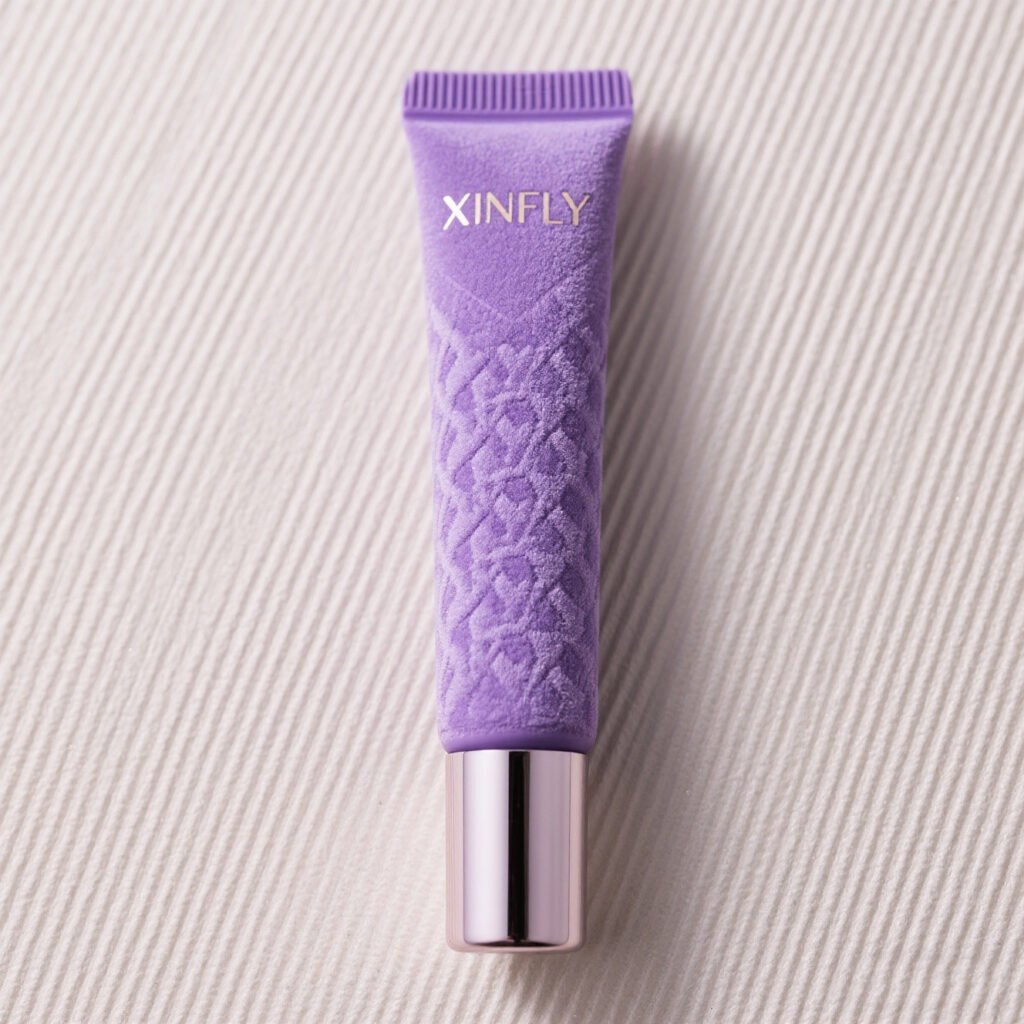
Why Refillable Squeeze Tubes Are a Game-Changer
Eco-Friendly Benefits
Every time you refill a squeeze tube instead of tossing it, you’re preventing one more piece of plastic from ending up in a landfill. Multiply that by dozens of lotions over the years, and you’ll see how big a difference it makes. Refillable tubes are an easy win for the planet.
Cost-Saving Advantages
Why spend extra money on new tubes every month? Refilling allows you to buy lotion in bulk, which is often cheaper, and then portion it into smaller tubes for everyday use or travel. It’s like having a refill station right in your bathroom.
Types of Lotion Squeeze Tubes
Soft Plastic Tubes
Lightweight and flexible, these are the most common squeeze tubes on the market. They’re easy to squeeze and usually come with flip-top or screw caps.
Aluminum Tubes
Perfect for premium skincare products, aluminum tubes protect lotion from air and sunlight. They’re also fully recyclable, making them a greener choice.
Silicone Tubes
Durable, squishy, and travel-approved, silicone tubes are made to last. Many come with wide openings, making refilling simple and mess-free.
Tools You’ll Need for Refilling
Small Funnel
Think of it as your precision tool. A small funnel guides lotion straight into the tube without wasting a drop.
Syringe or Dispenser
For thicker lotions, a funnel might not cut it. A large syringe (without the needle, of course) or pump dispenser pushes lotion directly into the tube.
Clean Workspace Essentials
Cleanliness is key. Wipe down your workspace, wash your hands, and sterilize the funnel or syringe before you start.
Step-by-Step Guide: How to Refill Squeeze Tubes
Step 1: Clean the Tube Properly
Empty the tube completely. Wash it with warm water and mild soap, then rinse thoroughly. Allow it to dry upside down to prevent any water from being trapped.
Step 2: Prepare Your Lotion
If you’re working with a lotion that’s thick, you can slightly warm it in a bowl of warm water for a few minutes. This makes it easier to transfer without clogging.
Step 3: Use a Funnel or Syringe
Insert your funnel or syringe into the tube’s opening. Slowly pour or inject the lotion until the tube is about 80–90% full. This prevents overflow when you reseal it.
Step 4: Seal the Tube Securely
Depending on your tube type, either screw on the cap or heat-seal the bottom. Gently press the tube to remove air bubbles before sealing.
Tips to Avoid Spillage and Waste
Use Thick vs. Thin Lotions Carefully
Thinner lotions can easily leak if you’re not careful. Thicker lotions, on the other hand, need more force to fill. Choose your tools accordingly.
Avoid Overfilling
Leave at least 10% space at the top. Overfilled tubes can leak, pop open, or make sealing difficult.
Store Upright After Refilling
Keep your tube standing upright for a few hours after refilling to let the lotion settle.
How to Seal a Refilled Tube
Heat Sealing
Use a flat iron, hair straightener, or a sealing machine to reseal the tube. This gives it a professional finish, just like new.
Cap Sealing
For tubes with screw or flip caps, ensure the closure is airtight. Test by lightly squeezing to make sure nothing leaks.
Mistakes to Avoid When Refilling Tubes
- Not cleaning and drying the tube properly.
- Mixing different lotions (they might not blend well).
- Forgetting to remove air bubbles before sealing.
- Using poor-quality packaging that breaks after one refill.
Choosing the Right Packaging with Xinfly Packaging
Custom Tube Sizes
Xinfly Packaging offers lotion tubes in a wide range of sizes—from travel minis to bulk-friendly options. That means you’ll always find the right fit for your needs.
Sustainable Materials
Our tubes are crafted from eco-friendly plastics, biodegradable options, and recyclable aluminum. We design packaging that’s both durable and kind to the environment.
Innovative Designs
Want your lotion tube to stand out? Xinfly Packaging provides customizable printing, finishes, and shapes so your brand speaks volumes at first glance.
Why Refill with Xinfly Packaging Tubes?
- They’re designed for easy refilling.
- Our materials are tested for safety and durability.
- We support sustainable, reusable beauty packaging.
Refilling doesn’t just save money—it builds a more sustainable skincare routine. And with the right packaging, it becomes effortless.
Conclusion
Refilling squeeze tubes for lotion is one of those small lifestyle hacks that saves money, reduces waste, and feels incredibly satisfying. With just a funnel, some patience, and the right packaging from Xinfly Packaging, you can keep your skincare routine simple, sustainable, and stress-free.
So, the next time you run out of lotion, don’t toss that tube—refill it, reuse it, and repeat.
Refilling Lotion Squeeze Tubes – Frequently Asked Questions
Tools, temperatures, viscosity, step-by-step filling, sealing options, hygiene, leak tests, labeling and storage—everything teams need to refill tubes safely and cleanly.
1) What tools do I need to refill lotion tubes?
2) Which tube types are easiest to refill?
3) What lotion viscosity works best for hand refilling?
4) Step-by-step: how do I refill a squeeze tube?
5) How do I avoid trapped air and bubbles?
6) Do I need to heat the formula?
7) What sealing methods work after refilling?
8) What cap torque should I target?
9) How do I run a leak/strength test post-fill?
10) How do I keep the process hygienic?
11) Can I reuse/clean tubes for multiple refills?
12) What fill level is recommended?
13) Any labeling and compliance tips?
14) How should I store refilled tubes?
15) Why choose Xinfly Packaging tubes for refilling?
Ready to customize your packaging? Contact our team for detailed pricing, MOQ flexibility, and fast production samples.