
How Social Media Has Changed the Cosmetics beauty Market


You probably look at social media every day. You see new beauty trends appear very quickly. Look at these numbers:
| Statistic | Value |
|---|---|
| Daily Instagram Users | 82% |
| Influencer Reliance | 67% |
| Willingness to Buy from Influencers | 42% |
Social media apps like Instagram and TikTok affect what you buy. They also change how you shop for cosmetics. Beauty influencers and short videos make people buy things fast. They also show real reviews. Even brands like Xinfly Packaging now make products that look good on your feed. Social media changes how you find, trust, and buy your favorite products.
Key Takeaways
- Social media affects what beauty products you buy. You find new items from ads and influencer tips.
- Brands use pictures and videos to tell stories. These images help you feel close to the brand and trust it.
- Shopping is easier with personalized marketing. Brands show you things that fit your style and likes.
- People often buy things quickly on social media. Easy shopping makes you decide to buy fast.
- Influencers help you pick beauty products. You believe their reviews and how-to videos more than regular ads.
- Beauty marketing needs to show many kinds of people. You want to see products for all skin colors and body shapes.
- You care about honesty from brands. You want to know what is in the products and where they come from.
- Social media lets you talk to brands directly. Your comments help change products and ads.
Social Media Marketing
Social media has changed how you discover and buy products in the beauty industry. You see ads, watch videos, and shop directly from your favorite platforms. Let’s break down how this works.
Digital Shift
Ads and Discovery
You probably notice ads for beauty products every time you scroll through Instagram or TikTok. These ads help you find new brands and products faster than ever. In fact, you are 41% more likely to discover a new brand through social media ads than through traditional ads. If you’re part of Gen Z, you might relate to this even more. Here’s what research shows:
- 83% of Gen Z women have bought beauty products online after seeing recommendations from content creators.
- Social media ads pop up in your feed and grab your attention with bright colors and catchy videos.
- You can click on an ad and instantly learn about a new product or brand.
Visual Storytelling
Brands use visual storytelling to stand out on social media. You see eye-catching images and videos that show how products work and make you feel confident. This helps you connect with the brand and remember it. Visual storytelling does more than just show off products. It builds a brand’s identity and makes you feel part of their story.
Visual storytelling creates emotional connections and helps you trust a brand. When you see real people using products, you feel like you can trust their experience.
Here are some ways brands use visual storytelling:
- They create emotional connections with you, which makes you loyal to their brand.
- They keep their look and style the same across all platforms, so you recognize them easily.
- They use Instagram and TikTok to share stories and user-generated content.
Some brands do this really well:
- Chanel uses a classic black-and-white style to show elegance.
- Glossier uses soft pinks and simple designs to feel relatable.
- Fenty Beauty shows real people of all skin tones, making everyone feel included.
Data and Targeting
Personalization
Social media lets brands talk directly to you. Platforms like Instagram, TikTok, and YouTube help brands find their target audience. You get ads that match your interests and shopping habits. Brands use quizzes and polls to learn what you like. This helps them send you offers and products that fit your style.
- Personalized marketing makes you feel special and encourages you to buy right away.
- Brands use your answers from quizzes to understand your preferences.
- You see ads that match your favorite colors, styles, or even your location.
Feedback Loop
Social media gives brands instant feedback. You can comment, like, or share your thoughts about a product. Brands listen to what you say and change their products or ads to match your needs. This feedback loop helps brands build trust and loyalty.
- Brands adjust their marketing to fit what you want.
- They use data to make sure their ads reach the right people.
- Gen Z wants brands to speak their language, so companies change their strategies to connect with younger shoppers.
Social Commerce
Direct Purchases
You don’t have to leave social media to shop anymore. You can buy products directly from Instagram or TikTok. Shopping is quick and easy. You see something you like, tap a button, and it’s yours. This direct shopping feature makes buying beauty products super simple.
Impulse Buying
Social media makes it easy to buy things on impulse. You see a cool product in a video or post, and you want it right away. Gen Z is known for impulse buying because they love instant rewards. Take a look at this table:
| Shopping Behavior | Percentage |
|---|---|
| Impulse Purchases | 68% |
Almost 68% of purchases on social commerce platforms happen on impulse. Emotional posts and shared experiences push you to buy quickly. Gen Z’s comfort with digital platforms and their need for instant gratification drive this behavior.
- Gen Z buys impulsively because they feel connected to brands and products through social media.
- Emotional posts and fun videos make you want to try new things.
- You get instant rewards, which makes shopping exciting.
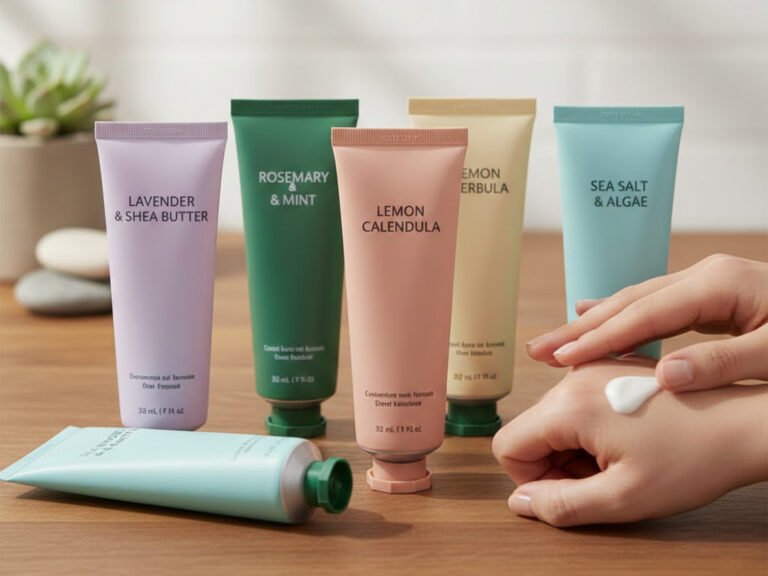
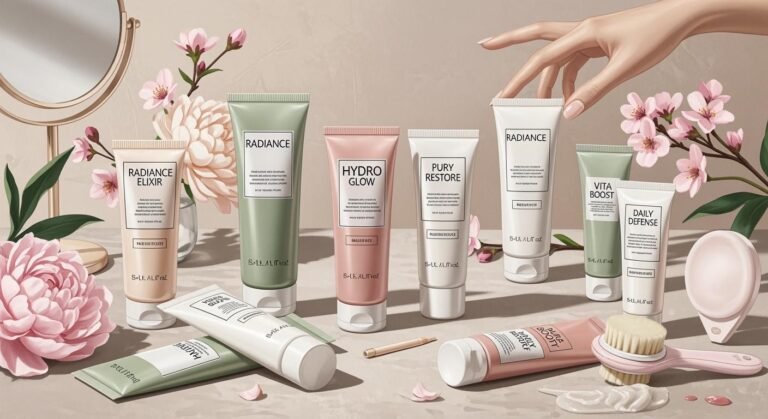
You might notice that brands now design their packaging to look good in photos and videos. Xinfly Packaging, for example, creates social-ready packaging that stands out on your feed. Their products look stylish and are easy to share online, making them perfect for social media marketing.
Social media marketing has made the beauty industry more interactive, personal, and fast-paced. You discover new brands, connect with their stories, and shop with just a few taps. Brands like Xinfly Packaging adapt quickly, making sure their products shine in your feed.
Influencer Marketing Impact
Influencer Roles
Beauty Pros
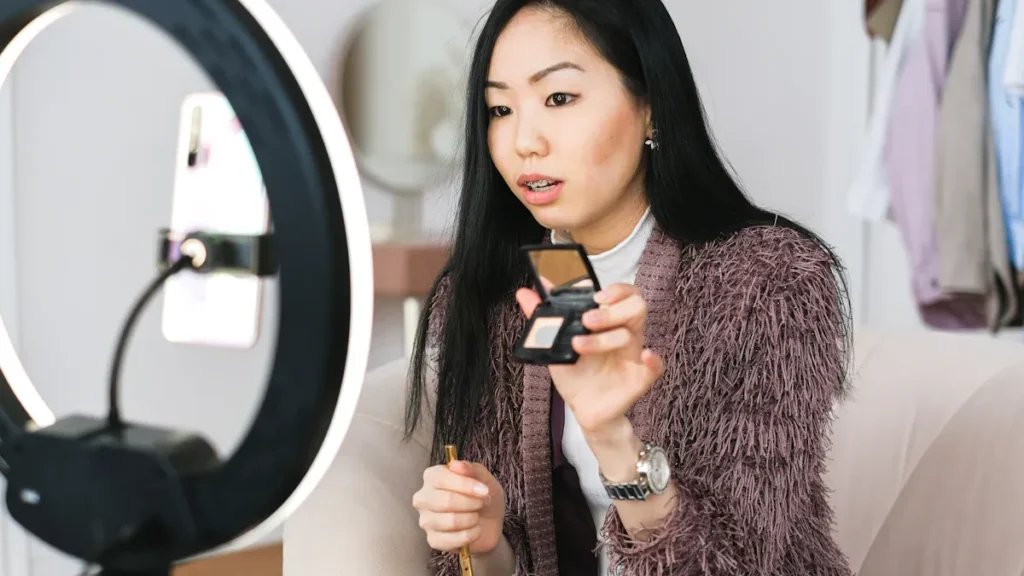
You see beauty professionals on social media all the time. They try out products and give tips. They show you how to use new makeup or skincare. These beauty influencers help you decide what to try next. You trust their opinions when you watch their videos or read their posts. Sometimes, you buy a product just because they say it is good.
- Almost everyone follows at least one beauty influencer. About 97% of people have bought a beauty, skincare, or wellness product after seeing it on social media.
- You trust influencers more than brands. They share honest opinions and talk about their real experiences.
- The influencer market is very big. In 2023, it was worth $21.1 billion. This shows how much power beauty influencers have in the beauty industry.
Micro vs Macro
Not every influencer has millions of followers. Some have smaller groups of loyal fans. These are called micro-influencers. Macro-influencers have huge followings and reach many people.
Micro-influencers often help brands sell more products. They connect better with their followers and build strong relationships. Studies show micro-influencers get about 20% higher conversion rates than macro-influencers. You might trust their advice more because they seem like friends.
- Micro-influencers usually get better engagement rates.
- They build trust with their audience, which leads to more sales.
- Macro-influencers help brands get noticed but sometimes have trouble keeping people interested.
User Content
Reviews
You probably look at reviews before buying a new beauty product. Real people share their honest thoughts and results. This user-generated content feels more real than ads from brands. You see what works for others and decide if it might work for you.
| Evidence Description | Key Point |
|---|---|
| UGC is seen as more believable because it comes from real people using products. | This real-life use makes the product and brand seem more real, so you trust them more. |
| Good user reviews and testimonials matter more than regular ads. | UGC shows clear results from everyday users, helping customers trust the brand. |
| UGC connects better with possible customers than regular ads. | It gives a trust factor that helps brand credibility and makes people feel confident. |
Tutorials
You learn a lot from tutorials on social media. Influencers and regular people show you how to use products step by step. These videos help you see real results and learn new ways to use products. Tutorials make it easy to try new looks or routines at home. You feel more sure about buying a product after seeing how it works in real life.
Tip: Watch for tutorials that use products from brands like Xinfly Packaging. Their packaging stands out in videos and photos, so it is easy to spot and remember.
Brand Collaboration
Co-Creation
Brands often work with beauty influencers to make new products. You might see a lipstick or eyeshadow palette made by your favorite influencer. This co-creation makes you feel part of the process. You trust the product more because someone you follow helped make it.
Sponsored Posts
You see sponsored posts every day. Brands pay influencers to talk about their products. Influencers need to tell you when a post is sponsored. They use hashtags like #ad or #sponsored. This helps you know when someone is paid to share a product.
- Influencers must follow rules from groups like the FTC or ASA. They have to clearly say when a post is an ad.
- Brands and influencers make clear agreements. They decide what to post, when to post it, and how to follow the rules.
- Brands check content before it goes live, but influencers keep their own style.
Note: When you see a sponsored post, look for clear signs. This keeps influencer marketing honest and helps you trust what you see.
Influencer marketing changes how you shop and what you trust. You follow beauty influencers for real advice, watch tutorials to learn new skills, and read reviews to make smart choices. Brands like Xinfly Packaging work with influencers to make products you want to share online. Social media helps you find trends, try new things, and feel part of the beauty industry.
Beauty Industry Trends
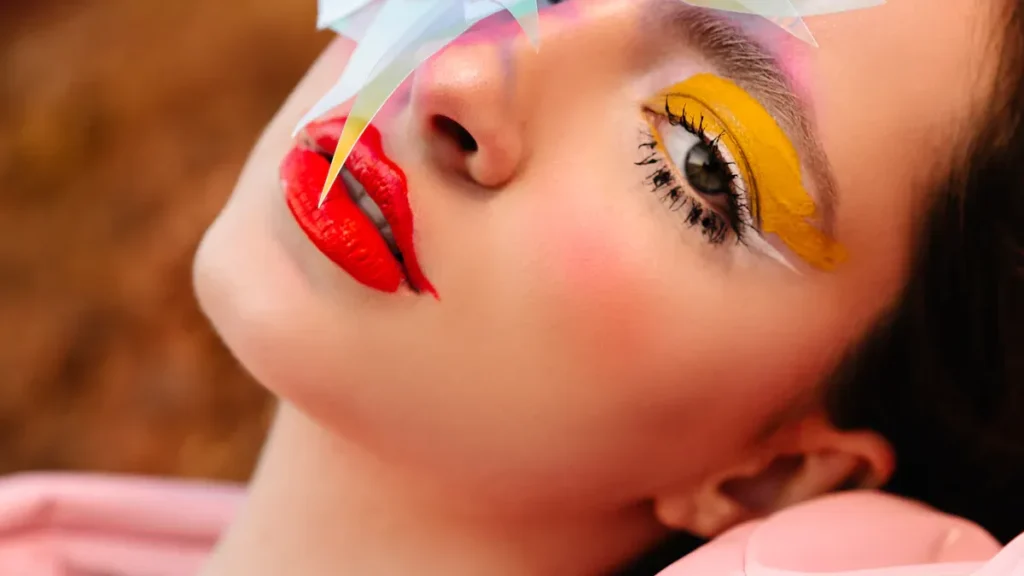
You see beauty trends change every day on social media. The beauty industry now looks very different from just a few years ago. Let’s explore how these changes make the world of cosmetics more diverse, authentic, and complex.
Diversity
Representation
You notice more faces and body types in beauty ads now. Social media pushes brands to show real people from all backgrounds. You see models with different skin tones, hair textures, and body shapes. This shift makes you feel seen and included.
- Brands use inclusive marketing to reflect all kinds of beauty.
- You see campaigns that celebrate every skin color and body type.
- Fenty Beauty and Uoma Beauty lead the way by showing diversity in their ads.
Shade Range
You expect brands to offer products for everyone. Social media helps you demand more choices. You want foundations, concealers, and lipsticks that match your skin tone. Brands listen and create wider shade ranges.
- You find more shades and formulas for every skin type.
- Brands expand their product lines to reach more people.
- Inclusive shade ranges help you feel confident and valued.
Tip: Xinfly Packaging works with brands that offer diverse products. Their packaging highlights shade variety, making it easy for you to find your perfect match in photos and videos.
Authenticity
Real Reviews
You trust real reviews more than ads. Social media lets you see honest opinions from everyday people. You watch videos and read posts that show true results. This helps you pick products that work for you.
As users look for new ways to connect, you see a rise in apps like BeReal. These platforms encourage you to share unfiltered moments. Brands join in, showing their products without heavy editing. You get to see what beauty trends look like in real life.
Transparency
You want brands to be honest. Social media makes it easy for you to ask questions and get answers. You care about ingredients, sourcing, and how products are made. Brands now share more about their practices.
You see a shift toward clean beauty and eco-friendly products. Brands talk about cruelty-free testing and recyclable packaging. Authentic advertising builds trust. When you feel a brand is sincere, you stick with them.
Note: Xinfly Packaging supports transparency by offering eco-friendly packaging. You can spot their products in posts about clean beauty trends.
Complex Routines
Skincare Influence
You learn about new beauty trends from skinfluencers. They teach you how to care for your skin with step-by-step routines. You see videos that break down each product and explain how to use it.
- Skinfluencers make complex routines easy to follow.
- You get honest recommendations and peer reviews.
- Their advice helps you choose the right products for your needs.
Influencer Advice
You follow influencers for tips on the latest beauty trends. They show you how to layer products, mix formulas, and try new techniques. You feel confident trying new routines because you see real results.
- Influencers share their favorite products and routines.
- You watch tutorials and learn new skills.
- Their advice shapes what you buy and how you use cosmetics.
Social media keeps beauty trends moving fast. You see new ideas every day, from diverse representation to complex skincare routines. Brands like Xinfly Packaging help you discover products that fit your style and values.
Consumer Behavior Shift
Social media changes how you shop for beauty products. You see new trends appear fast. Your expectations change every time you scroll. Let’s see how your habits change in the cosmetics world.
Expectations
Transparency
You want brands to be honest with you. Social media lets you ask questions and get answers. You expect companies to tell you what is in their products. You also want to know how they make them. Look at this table:
| Statistic | Value |
|---|---|
| Percentage of Americans valuing transparency from businesses | 86% |
| Percentage attributing importance of brand transparency to social media | 40% |
| Percentage wanting brands to be transparent on social media | 56% |
| Percentage believing businesses have a responsibility for transparency | 81% |
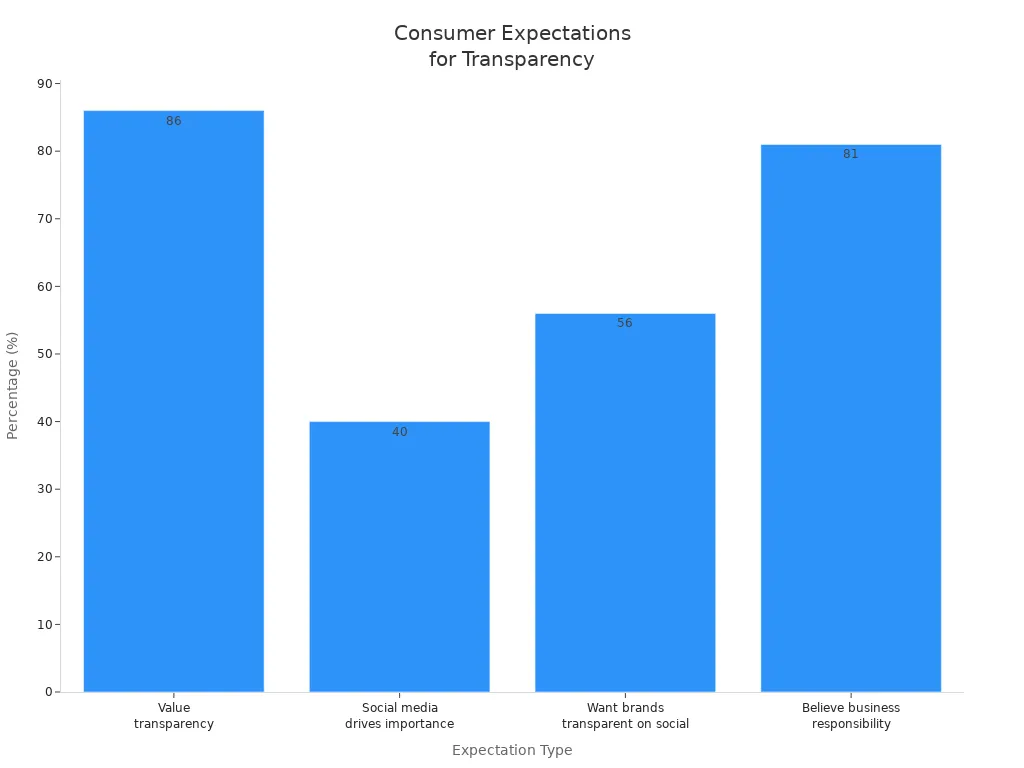
Most people want brands to be open and honest. Social media makes companies share more about their products. You trust brands that show real ingredients and clear facts.
Inclusivity
You want brands to include everyone. Social media shows you beauty trends from many places. You want products for every skin tone and hair type. Brands listen and make more choices for you. You feel special when you see yourself in ads.
You see that brands like Xinfly Packaging work with companies that offer many products for all people. Their packaging shows diversity and helps you find your match.
Buying Habits
Impulse Purchases
You buy things quickly when you see new trends online. Social media makes shopping easy with just a tap. Influencers show products in real time, and you want to try them. Here’s a table that shows how your shopping changes:
| Evidence | Description |
|---|---|
| Influencer Trust | Influencers seem more relatable than celebrities, so you trust them more. |
| Impact of COVID-19 | The pandemic made people shop online more and use social media for advice. |
| Marketing Shift | Companies use influencers instead of celebrities because influencers help sell more. |
You trust influencers more than celebrities. You watch their reviews and tutorials and feel like you know them. This trust makes you buy things fast when you see new trends.
Social Shopping
You shop with friends and followers online. Social media lets you share your favorite trends and see what others buy. You join live streams, comment on posts, and get feedback right away. Shopping feels like a group activity, and you feel close to the beauty world.
Information Access
Real-Time Trends
You get updates on beauty trends right away. Social media gives you instant news about new styles and products. Brands use smart tools to see what is popular and change fast. Here’s how real-time access helps you:
- You see trends from all over the world.
- Brands use data to find what is popular and launch new things fast.
- You try new looks before most people.
Immediate Feedback
You share your thoughts right away. Social media lets you comment, like, and review products fast. Brands listen and change their products because of your feedback. You help shape beauty trends with every post.
You are important in the beauty industry. Your opinions matter, and brands like Xinfly Packaging listen to what you say online.
Beauty trends move faster than ever now. Social media helps you shop quickly, expect more from brands, and stay up to date with new styles in cosmetics.
Brand Engagement
Social media lets you talk to beauty brands like never before. You can send messages, join live chats, and share your thoughts. Brands listen and answer you quickly. This direct connection helps you feel important and heard.
Two-Way Communication
Messaging
You can message brands on Instagram or TikTok. They reply to your questions and help you solve problems. Many brands answer comments and DMs fast. You see brands encourage you to share your photos and stories using special hashtags. They often feature your posts on their pages, which makes you feel part of their story.
| Strategy | Description |
|---|---|
| Encourage and Curate User-Generated Content (UGC) | Motivate customers to share their experiences with branded hashtags and showcase their content to inspire authenticity. |
| Interactive Features | Use Instagram Stories polls, TikTok Q&As, and interactive stickers for feedback and to involve consumers in brand decisions. |
| Live Streaming | Host live tutorials, behind-the-scenes access, and Q&A sessions to humanize your brand and build trust. |
Live Q&A
You join live Q&A sessions with your favorite brands. These events let you ask questions and get answers in real time. Brands host tutorials and behind-the-scenes videos. You see how products work and learn tips from experts. Live chats make you feel close to the brand.
Loyalty
Personal Responses
Brands reply to your comments and thank you for sharing your thoughts. You get personal messages that show brands care about you. When you post a review or share a photo, brands often respond with a thank you or a shoutout. This makes you feel valued.
- Brands create groups for fans to connect and share tips.
- You join forums and chat with other beauty lovers.
- Xinfly Packaging often responds to customer posts and highlights their packaging in user photos.
Community Building
You become part of a brand’s community. Brands invite you to join groups and share your experiences. You see other fans post their looks and tips. This sense of belonging makes you loyal to the brand.
- User-generated content programs turn you into a brand advocate.
- Communities help you give feedback and shape new products.
- Brands build trust by engaging with you and listening to your ideas.
Crisis Response
Negative Feedback
Sometimes you see negative comments about a product. Brands respond quickly and openly. They thank you for your feedback and promise to fix problems. You notice brands use different approaches for each platform, like TikTok or Instagram.
- Brands use listening tools to spot issues early.
- They work with influencers to address concerns in creative ways.
Apologies
When brands make mistakes, they say sorry. You see public apologies and updates on how they will improve. Brands show they care about your experience and want to earn back your trust.
Tip: If you have a problem, reach out to the brand. Most companies want to help and make things right.
Social media helps brands connect with you, build loyalty, and manage their reputation. You play a big role in shaping the beauty industry. Brands like Xinfly Packaging listen to your feedback and create communities where you belong.
Trend Acceleration
You see beauty trends change very quickly now. Social media helps new styles and products become popular in just a few days. You help decide what is cool, and brands pay more attention to you.
Viral Trends
Fast Cycles
Beauty trends appear and disappear fast. One day, everyone wants a new lipstick color. The next week, people talk about a new skincare trick. Social media makes these changes happen faster. Creators show off new looks, and you want to try them soon.
Here’s a table that shows how social media helps you find and follow beauty trends:
| Statistic | Value |
|---|---|
| Percentage of consumers discovering new beauty brands via social media | 81% |
| Percentage of consumers changing skincare/makeup routines based on creator recommendations | 44% |
| Primary platform for product discovery | Instagram (30.4%) |
| Secondary platform for product discovery | TikTok (23.2%) |
| Percentage of consumers turning to social media first for beauty product research | 26.4% |
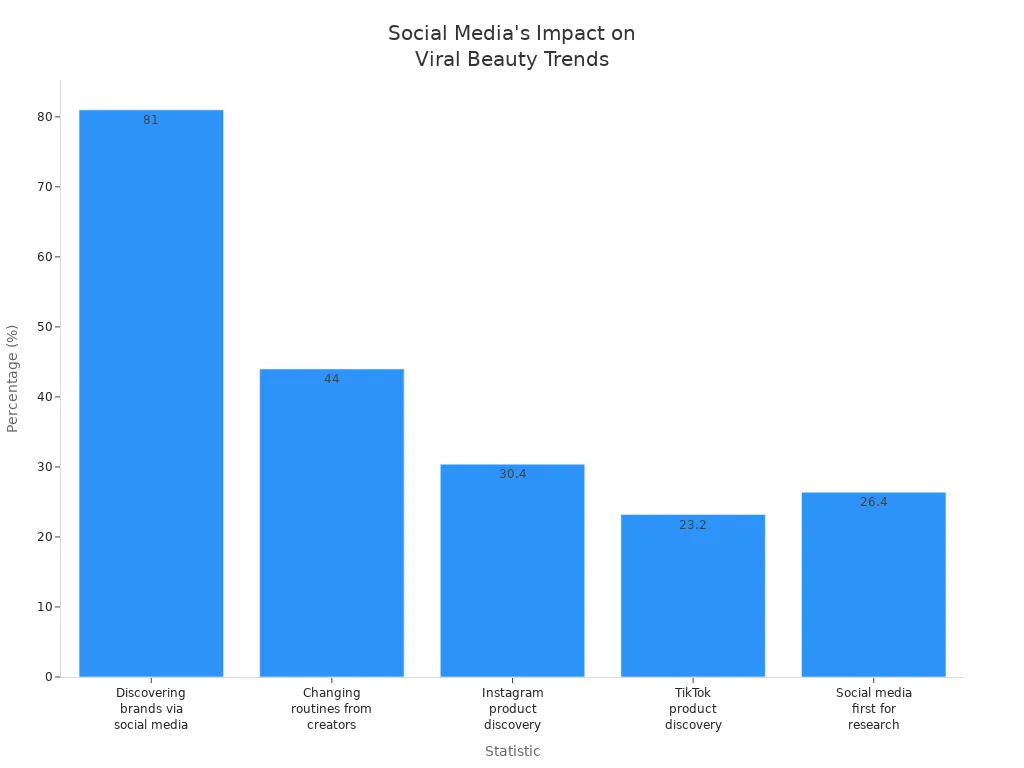
You see new ideas every time you scroll online. You might change your routine if a creator suggests something new.
Pop Culture
Many beauty trends start with pop culture. You see celebrities or influencers try a new style, and it spreads quickly. Social media lets you join in and share your own look. You feel like you are part of something big when you follow these trends.
Democratization
User Power
You have more say in beauty trends than before. Social media lets you share your thoughts and ideas. Brands listen to what you want. You can ask for new colors or products, and companies answer fast.
Younger people ask for products directly. Adults look for pictures before buying. Social media helps brands talk to you right away. You help choose what gets made and what becomes popular.
Global Reach
You see beauty trends from many countries. Social media connects you with people everywhere. You learn about new styles and products you might not see in stores. Brands like Xinfly Packaging use social media to reach people all over the world and launch products for everyone.
Product Launches
Limited Drops
Brands use social media to sell products in small amounts. You see limited drops online and want to buy before they are gone. This makes shopping fun and helps brands try new ideas.
Crowdsourcing
You help make new products by sharing your thoughts online. Brands ask what you want, and they use your feedback to design new things. Here are some examples of crowdsourced beauty launches:
- Fenty Beauty used a digital-first plan and influencer marketing to launch over 40 foundation shades.
- Rare Beauty got lots of attention before launch, with many backlinks and strong brand buzz.
- Glossier used user-generated content for the ‘Body Hero’ campaign, making over $33,000 in the first week.
- ColourPop worked with influencers to reach new people and increase sales.
Tip: When you share your ideas, you help brands like Xinfly Packaging make packaging and products that fit your style.
Social media makes beauty trends move fast and gives you a say in what happens next. You help shape the future of beauty every time you post, comment, or share.
Ethics and Responsibility
You see beauty brands and influencers all over social media. You want them to be honest and do the right thing. Let’s look at the main problems you face when shopping for cosmetics online.
Transparency
Ad Disclosure
You want to know if someone is paid to talk about a product. Influencers must tell you if a post is sponsored. They use hashtags like #ad or #sponsored. This helps you trust what they say. If influencers hide paid posts, you might feel tricked. Brands and influencers should always be open about their deals.
FTC Rules
The Federal Trade Commission (FTC) makes rules for ads on social media. Influencers have to follow these rules. They must say if they get paid or get free products. If they break the rules, they can get in trouble. You should look for clear signs of sponsorship in posts. Honest influencers help you make smart choices.
Tip: Always check for hashtags like #ad or #sponsored before you trust a product review.
- Influencers should only promote products they really like.
- If marketing is not honest, you might stop trusting brands.
Misinformation
Filters
You see lots of photos and videos with filters. Filters can change how products look. Sometimes, they make skin look perfect or colors brighter. This can trick you into thinking a product works better than it does. You should look for real, unedited reviews.
Beauty Ideals
Social media spreads beauty ideas that are not always true. Some influencers share bad DIY tricks, like using lemon juice for skin lightening or toothpaste for acne. These tricks can hurt your skin. You also see words like “toxic” or “chemical-free” used to scare you, even if there is no science behind them. Unchecked posts can give you wrong ideas about safety and results.
- Using harsh scrubs too much can damage your skin.
- Fake science and scary words make you worry about ingredients.
Note: Many influencers do not always say when a post is paid, so be careful when you see product reviews.
Sustainability
Eco Packaging
You care about the earth. Brands now use eco-friendly packaging to match your values. You see refillable containers and take-back programs. These changes help cut down on waste. When brands care about the planet, you feel good about buying from them.
- Eco-friendly packaging makes you trust brands more.
- You want natural ingredients and packaging that is good for the earth.
- Brands that talk about being green get more loyal customers.
Ethical Sourcing
You want to know where ingredients come from. Ethical sourcing means brands pick safe, fair, and earth-friendly materials. You support companies that treat workers well and protect nature. Brands should share how they get their ingredients and make their products.
Xinfly Packaging is a leader in eco-friendly packaging. They help brands show they care about the planet. You see their packaging in posts about clean beauty and green trends.
| Sustainability Initiative | Impact on You |
|---|---|
| Eco-friendly packaging | Makes you feel good about your purchase |
| Refillable containers | Lets you reuse and reduce waste |
| Ethical sourcing | Builds trust and supports fair practices |
You help make beauty brands more honest and responsible. Social media gives you the power to ask for honesty, fight fake info, and support the planet.
Future Outlook
You notice the beauty industry changing all the time. New technology and what people care about shape what happens next. Let’s see how social media, technology, and your likes will guide future beauty trends.
Tech Trends
AR/VR
You can try on makeup at home using your phone. Augmented reality and virtual reality show you how products look on your skin. You do not need to go to a store. These tools help brands learn what you like and how you shop. Brands use this to make products that fit your style.
- AR and VR help brands know what you want.
- You get virtual help and custom skincare routines.
- Brands use AR/VR data to make better ads and products.
Virtual try-ons save you time and money. You also help the earth by making less waste and fewer returns.
AI
Artificial intelligence makes shopping simple. You chat with AI bots that suggest products you might like. These bots answer your questions and help you pick the best match. Brands use AI to make your shopping feel special.
AI also helps brands be more eco-friendly. Virtual try-ons mean fewer returns, which is better for the planet. You get better service and help the earth at the same time.
Consumer Preferences
Sustainability
You care about protecting the earth. Most people want brands to act in a green way. You look for safe ingredients and eco-friendly packaging. Many shoppers want to know where things come from. Brands now explain their choices and show how they get materials.
- Over half of UK adults want big companies to be green.
- Nearly 60% of German shoppers care about safe ingredients.
- You trust brands that share how they help the earth.
The Clarins T.R.U.S.T platform lets you see where ingredients come from. You feel sure about your choices when you know the source.
Inclusivity
You want beauty products for everyone. Social media shows you many faces and styles. You expect brands to have shades and formulas for all skin tones. Almost half of US beauty shoppers want brands to explain ingredients better. You feel included when brands listen and change.
Brand Innovation
Packaging
Brands like Xinfly Packaging lead with new ideas. You see cool shapes, shiny looks, and raised logos that stand out. Some packages have QR codes for virtual try-ons and custom tips. You scan a code and get instant advice or product matches.
| Innovation Type | Description |
|---|---|
| Customization | Cool shapes, shiny finishes, and raised logos make products stand out. |
| Tech Integration | Smart tubes with QR codes give virtual try-ons and personal routines. |
| Sustainability | Recyclable and biodegradable materials help protect the earth. |
You see more brands using recyclable materials. You feel good when you buy products that help the planet.
Social Adaptation
Brands change quickly to keep up with social media trends. You see new products and limited drops that match what’s popular online. Companies listen to your feedback and use it to make new things. Xinfly Packaging changes fast, making packaging that looks great in photos and videos.
You help shape the future of beauty. Your choices and opinions matter a lot. Social media, new technology, and your values will keep moving beauty trends forward.
You have seen how social media shapes the cosmetics world. Trends move fast, and you help set them. Brands listen to your feedback and change quickly. If you want to stay ahead, keep sharing your ideas and try new products. Companies like Xinfly Packaging lead with smart, eco-friendly designs. The future of cosmetics looks bright when you and brands work together for honest and creative solutions.
Social Media & Beauty – Frequently Asked Questions
From creator-led launches to TikTok-driven virality: how platforms reshape discovery, packaging, sampling, trust, sustainability, and supply chain speed in beauty.
1) How has social media changed product discovery in beauty?
2) What platforms matter most right now?
3) How do creators and KOLs influence packaging decisions?
4) What content formats convert best for beauty?
5) How does social commerce affect packaging and logistics?
6) What claims and compliance issues should I watch on social?
7) Has sustainability messaging changed with social media?
8) What makes a tube “camera-friendly” for UGC?
9) How do returns and e-commerce unboxing shape design?
10) What metrics signal “it’s working” on social?
11) Do smaller pack sizes perform better on social?
12) How should I brief creators for accurate demos?
13) What packaging specs help with speed-to-market?
14) How does community feedback loop into NPD?
15) Why partner with Xinfly Packaging in a social-first era?
Ready to customize your packaging? Contact our team for detailed pricing, MOQ flexibility, and fast production samples.