
How to Choose Cosmetic Squeeze Tubes for Your Beauty Brand Step by Step

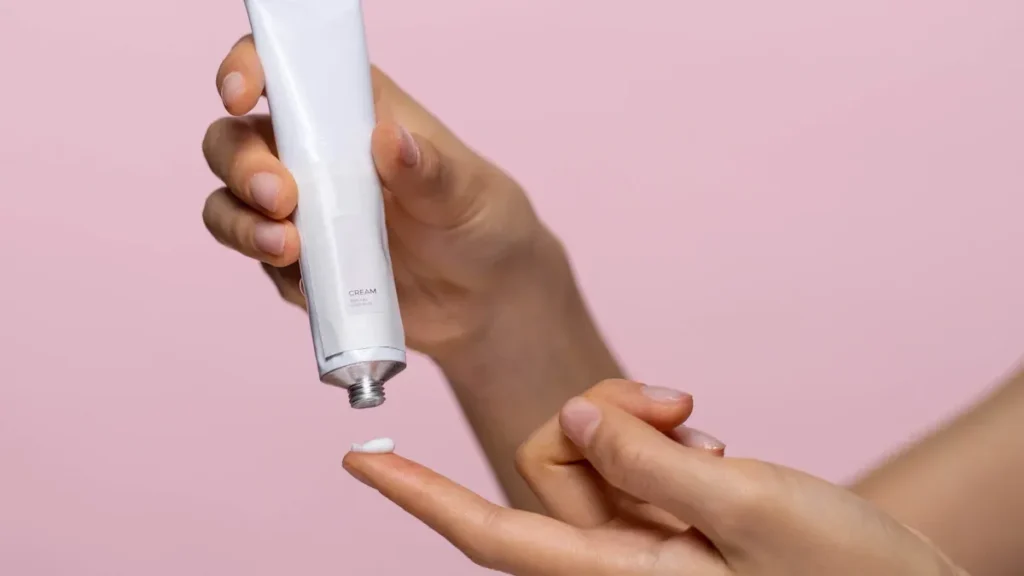
If you have a beauty brand, packaging is very important. Good packaging can help your product do well. Squeeze tubes are popular in beauty products. They let people use almost all of the product. This makes customers happy and helps stop waste. Squeeze tubes keep air and germs away from your formulas. This helps products last longer and stay fresh. Many people now want eco-friendly packaging. Using recyclable or biodegradable tubes can make your brand look better. The beauty industry is getting bigger every year. The cosmetic squeeze tubes wholesale market will grow by over 7% each year until 2035. Picking the right packaging helps your brand stand out.
Key Takeaways
- Pick the best tube material for your product formula. This stops leaks and keeps your product fresh.
- Try out different tube shapes and sizes. Find what feels best for your customers. A good fit makes using it easier.
- Think about eco-friendly choices like recyclable or biodegradable tubes. This brings in customers who care about the planet.
- Choose closures that make your product simple to use. Flip-top caps and pumps are easy and give more control.
- Always test samples before you order a lot. This helps you avoid problems and keeps customers happy.
Product Compatibility
Formula Sensitivity
You want your product to stay safe and fresh inside the tube. Some formulas can react with certain tube materials. This can cause problems like leaks, changes in color, or even a shorter shelf life. If your formula is sensitive, you need to match it with the right tube. Take a look at some common issues:
| Compatibility Issue | What Can Happen |
|---|---|
| Material Incompatibility | Product can leak or lose weight. Formula may change or spoil. Shelf life drops. |
| Decoration Adhesion Failures | Tube design can peel off or fade. Product can damage the decoration over time. |
| Insufficient Overflow Capacity | Tube may look empty. You might face rules or need to fix the design. |
You also need to think about rules for packaging. Some products must have tamper-resistant tubes. Agencies like the FDA check if your packaging meets the rules. If you do not follow them, you can get fines or even legal trouble.
| Evidence Type | Description |
|---|---|
| Tamper-resistant packaging | Stops people from opening the product before buying. Keeps customers safe. |
| Enforcement by Regulatory Agencies | Groups like the FDA check your packaging. Breaking rules can mean fines or legal action. |
| Stricter regulations for certain products | Some products need extra-safe tubes and special labels. |
Tip: Always test your formula with the tube before you order a big batch. This helps you avoid surprises.
Viscosity Needs
Think about how thick or runny your product is. A thick cream needs a tube that you can squeeze hard. A thin lotion needs a tube that does not leak. If you pick the wrong tube, your product may not come out right. Customers want packaging that makes using your product easy and mess-free. Try different tubes to see which one works best for your formula.
Tube Materials
Material Options
You can pick from three main tube materials. These are plastic, aluminum, and laminated tubes. Each one has good and bad sides. Most brands use plastic tubes. They cost less and bend easily. Plastic tubes will make up about 60.3% of the market in 2024. Aluminum tubes are getting more popular now. Brands that care about the planet like aluminum tubes. Laminated tubes protect your product well. You can also change their look easily.
Here’s a simple chart with pros and cons:
| Type of Tube | Advantages | Disadvantages |
|---|---|---|
| Plastic Tubes | Cheap, light, easy to design, strong | Not great for the planet, may not block everything, may react with chemicals |
| Aluminum Tubes | Blocks air and light, can be recycled, resists chemicals, looks fancy | Costs more, dents easily, not many design choices |
| Laminated Tubes | Protects well, not expensive, can change looks, strong | Hard to recycle, not eco-friendly, some people do not like them |
Plastic tubes save money. They are light and easy to shape. Aluminum tubes look fancy and keep air and light out. Laminated tubes protect your product but are tough to recycle.
Tip: If you want green packaging, pick recyclable plastic or aluminum tubes. These choices help your brand get noticed by people who care about the earth.
Avoiding Reactions
You need to match the tube material to your formula. This keeps your product safe. Some ingredients can hurt some tube materials. Strong acids or oils can break down plastic tubes. Aluminum tubes fight off most chemicals but dent fast. Laminated tubes protect well but are hard to recycle.
Test your formula with the tube before you buy a lot. This helps you stop leaks, color changes, or spoiled products. Picking the right tube keeps your product fresh. It also makes your customers happy.
Tube Shape and Size
Shape Impact
The shape of your cosmetic squeeze tube can change how people use your product. You want your customers to have a good experience every time they pick up your packaging. Some shapes fit better in the hand, making it easy to squeeze out just the right amount. Others look unique and help your brand stand out on the shelf.
- Squeeze tubes give you more control over how much product comes out. You can use a little or a lot, depending on what you need.
- The design helps you avoid messes. You get an even, clean application every time.
- Squeeze tubes are easy to carry. You can toss them in a bag or take them on a trip without worry.
- These tubes keep your product safe from germs. You do not have to dip your fingers in, so the formula stays clean.
You can also pick shapes that help with storage and shipping. Some tubes stack better or fit into boxes with less wasted space. This can save you money and keep your products safe during delivery.
Tip: Try holding different tube shapes in your hand. See which one feels best and matches your brand’s style.
Size Selection
Picking the right size for your tube matters just as much as the shape. You want to think about how people will use your product. Small tubes work well for travel or samples. Large tubes are great for products people use every day.
- If your product is for travel, choose a smaller tube. It fits in a purse or suitcase.
- Bigger tubes work for things like body lotion or shampoo. People use these often, so they need more.
- The size you pick can change how people see your brand. Large tubes can make your product feel generous. Small tubes can feel special or exclusive.
- Tube size also affects the environment. Smaller tubes use less material, but you may need to replace them more often. Think about what matters most to your customers.
When you choose the right shape and size, your packaging will look good and work well. This helps your brand grow and keeps your customers happy.
Closures and Features
Closure Types
When you pick cosmetic squeeze tubes, you have a lot of choices for closures. The right closure can make your product easier to use and keep it safe. Here are some of the most popular closure types you’ll see:
- Flip-top caps
- Screw-on caps
- Nozzle tips
- Pump closures
- Snap-on caps
Each closure type offers something special. You might want to check out this table to see how they compare:
| Closure Type | Functional Benefits |
|---|---|
| Flip-top caps | Easy for one-handed use |
| Screw-on caps | Feels more secure for travel |
| Pump closures | Allows for precise dosing, usually with airless tubes |
| Snap-on caps | Lightweight and budget-friendly for everyday products |
Flip-top caps are great if you want quick, one-handed use. Screw-on caps feel more secure, especially when you travel. Pump closures help you get just the right amount of product, which is perfect for expensive formulas. Snap-on caps work well for simple, everyday items. Nozzle tips let you apply products with extra precision, like spot treatments or eye creams.
Tip: Try different closures with your formula before you decide. You want your packaging to match how your customers use your product.
Functional Features
You want your cosmetic squeeze tubes to feel good in your hand. Many brands design tubes with an ergonomic grip, so you can hold and squeeze them easily. This helps you use the right amount of product and keeps things neat. People love packaging that makes their routine simple and mess-free.
Flip-top caps stand out because you can open and close them with one hand. This makes them super convenient when you’re in a hurry or have wet hands. You don’t have to worry about losing the cap or making a mess.
More shoppers now care about sustainability. They look for packaging that uses less plastic or can be recycled. If you choose eco-friendly features, you show your customers that you care about the planet. This can help your brand stand out and build trust.
Note: When you focus on comfort, convenience, and sustainability, you make your product more appealing. Happy customers come back for more.
Customization and Design
Branding Elements
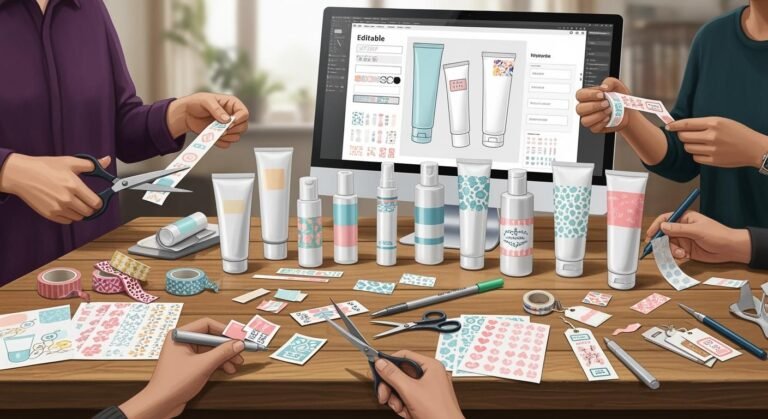
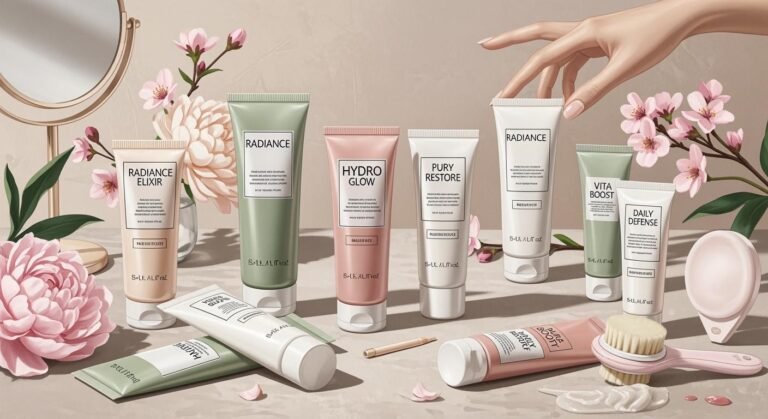
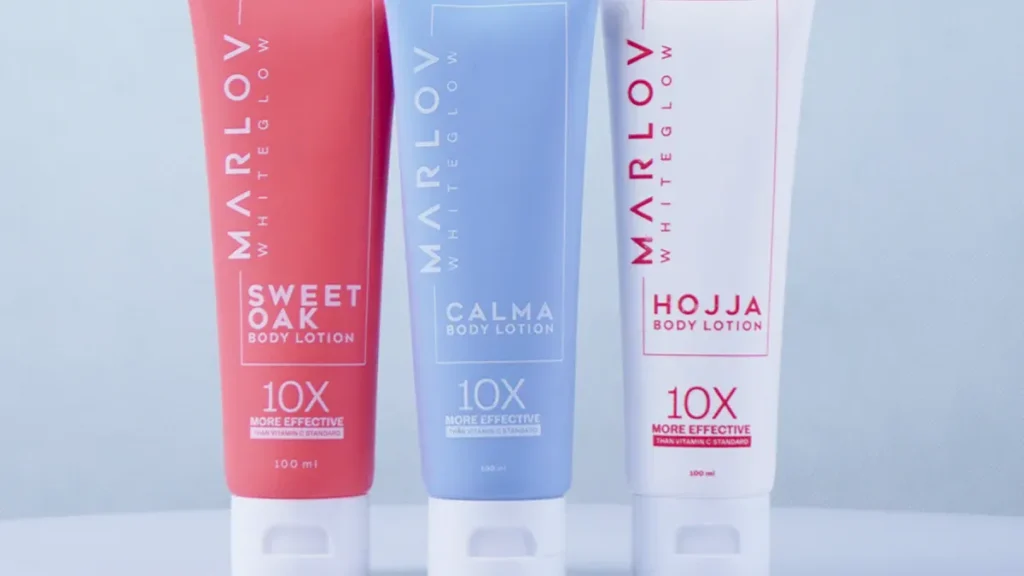
You want your cosmetic tube to look special. The way you design it shows your brand. Color is very important. People notice color first. It can make them feel happy or calm. Sometimes, it reminds them of something nice. Typography is also important. The style of your words shows your brand’s mood. Bold letters look strong and new. Soft letters look gentle and caring.
- Colors help people remember your brand and feel things.
- Typography shows what your brand is about.
- Soft colors and simple designs show you care about the earth.
- Bright colors make your product look fun or fancy.
- Using the same design builds trust with customers.
- Good packaging can show how to use your product or what makes it special.
If you use these design ideas well, your tube does more than hold your product. It helps people like your brand and feel good about buying it.
Design Choices
You can pick many things for your custom tube. You get to choose colors, finishes, and shapes. Custom tubes make your product easy to see on the shelf. Shoppers remember cool designs. Most people know a brand by its logo or colors.
- Custom tubes help your product get noticed.
- Logos and colors make your brand easy to find.
- Many people want eco-friendly packaging, so using recyclable materials is smart.
- Tubes are popular because they cost less and are easy to change.
Customization lets you make packaging that works and tells your story. You can use special finishes, fun shapes, or old-style looks to make people feel something. When you choose custom tubes, your product looks better and your brand can grow.
Sustainability
Eco-Friendly Materials
You want your beauty brand to be noticed for using green packaging. Picking eco-friendly materials helps your brand stand out. Many people now want products that are good for the planet. They care about how packaging hurts or helps the earth. You can use tubes made from recycled things. These tubes come from stuff people already used and recycled. This choice helps recycling and makes less trash.
Some brands change from plastic to glass or biodegradable packaging. This switch lowers carbon emissions when making and throwing away tubes. Some brands use refillable systems. These let customers use the same tube again and again. This saves resources and cuts down on waste. If you design tubes for recycling, it is easier for people to recycle them after use.
You can also pick compostable tubes. These break down in compost piles and do not add to landfill trash. Compostable packaging is a big part of green packaging trends. If you want to do even more, choose tubes that are both recyclable and compostable. This gives customers more ways to help the planet.
Tip: When you offer green and compostable choices, you show customers you care about the earth. This helps build trust and keeps customers loyal.
Certifications
Certifications help you prove you care about the planet. They show your packaging meets tough rules. Many shoppers want to see these labels before buying. Here are some well-known certifications for cosmetic packaging:
| Certification Name | Description |
|---|---|
| FSC® (Forest Stewardship Council®) | Makes sure paper and wood come from forests that are managed well. |
| PEFC | Supports good forest care and tracks where wood and paper come from. |
| Cradle to Cradle® Certified™ | Checks packaging for safe materials, reuse, clean energy, water care, and fairness. |
| OK Compost (Industrial and Home) | Shows packaging can break down in compost piles at home or in factories. |
| ISO 14021 | Gives rules for honest claims about being green. |
| USDA BioPreferred® Program | Certifies packaging made from plants, not fossil fuels. |
Using certified packaging makes it easier for customers to trust your brand. Labels like OK Compost mean your tubes can break down in compost. FSC® and PEFC show your packaging comes from good sources. Cradle to Cradle® Certified™ looks at the whole life of the tube, including recycling and composting.
Many beauty shoppers want green packaging. In fact, 72% of people say they will pay more for products with green packaging. If you follow green packaging trends and get the right certifications, you can get more customers and keep them coming back.
Cosmetic Squeeze Tubes Wholesale
Wholesale Benefits
Buying cosmetic squeeze tubes wholesale gives you many good things. You save money because buying a lot at once costs less. This helps your brand spend less and keep prices low. It makes your products easier for people to buy.
You also get more choices in tube shapes, sizes, and finishes. You can pick the best style for your brand. Some suppliers let you print cool designs or logos on your tubes. This helps your products look special and easy to remember.
Here are some main benefits of buying cosmetic squeeze tubes wholesale:
- You pay less when you buy in bulk.
- You can pick from many tube styles and finishes.
- You can add custom designs with special printing.
- You lower the cost for each tube, which helps your budget.
- You work with a supplier who knows what you need.
Tip: Ask your supplier if they have deals or new tube styles. You might find something great for your next product.
Supply Consistency
It is important to always have enough tubes for your products. When you buy cosmetic squeeze tubes wholesale, you make sure you never run out. You do not have to wait for more tubes to arrive. This keeps your business running and your customers happy.
A good supplier helps you plan for the future. They can send you tubes on a schedule, so you never miss a deadline. You feel better knowing your supply is safe. If you start a new product or have a big sale, you can get more tubes fast because your supply is steady.
- You stop delays in making your products.
- You always have enough products on your shelves.
- You build trust with your customers.
- You work with your supplier to keep things running well.
Choosing cosmetic squeeze tubes wholesale helps your brand stay strong and flexible. You can grow your business without worrying about running out of packaging.
Choosing the Right Cosmetic Tube
Testing Samples
You need to pick the best cosmetic tube for your brand. The smartest way is to test samples first. When you get samples, you can see how your product fits inside. You can feel and look at the tube. Try squeezing, opening, and closing it like your customers will.
Here’s an easy way to test samples:
- Make sure the tube material works with your formula. Some products need special tubes so they do not spoil or change color.
- Try different tube sizes and shapes. You want the right size for your product and your customers.
- Test the closure. Flip-tops, screw caps, and pumps all feel different. Pick the one that is easy to use and keeps your product safe.
Tip: Always fill the sample tube with your real product. Leave it for a few weeks. Check if anything changes. This helps you find problems before you order a lot.
Check how easy it is to squeeze out your product. If the tube is too thick, it is hard to use. If it is too thin, it might break or leak. The opening size matters too. You want customers to get just the right amount every time.
Here’s a table to help you focus on what matters most when you test samples:
| Criteria | Description |
|---|---|
| Functionality | Can you control how much comes out? Is it easy to use? |
| Dimensions | Does the tube fit your product and feel good in your hand? |
| Material Compatibility | Does the tube keep your formula safe and fresh? |
| Aesthetic Appeal | Does the tube look good and match your brand style? |
Many top brands test samples before they choose. L’Oréal uses new shapes and materials for their tubes. Estée Lauder picks high-quality printing and special shapes to get attention. Some skincare brands use sugarcane-based tubes. They cut carbon emissions by half and sold more to eco-friendly shoppers.
One skincare brand switched to sugarcane tubes for face cream. They cut carbon emissions in half and sold more. Customers liked the new green packaging.
Final Checklist
You want to pick the right cosmetic tube every time. Use a checklist to remember what is important. This helps you avoid mistakes and find the best tube for your brand.
Here’s a checklist you can use:
- Does the tube work with your product formula?
- Is the tube size right for your market?
- Did you pick a closure that works well and looks good?
- Does the tube design match your brand?
- Is there enough space for labels and instructions?
- Will the tube stand out on the shelf?
- Did you test the tube for leaks, strength, and easy use?
- Is the tube made from green materials?
- Can you buy the tube in bulk without supply problems?
- Did you plan for busy seasons and storage needs?
Here’s a table showing common mistakes and how to avoid them:
| Mistake | Impact | Solution |
|---|---|---|
| Choosing Inadequate Squeeze Tube Sizes | Too small means buying more; too big wastes product | Offer more sizes based on what customers want |
| Not Customizing Tube Designs | Hard to see on shelves and weak brand recognition | Make custom designs that fit your brand |
| Forgetting About Tube Functionality | Upset users and bad reviews | Test how the tube and cap work |
| Underestimating Proper Labeling | Fines and unhappy customers | Put all needed info on the label |
| Failing to Consider Logistics and Shipping | Delays and higher costs | Work with shipping experts |
| Misjudging Minimum Order Quantities (MOQs) | Too much extra stock | Check sales and ask for flexible MOQs |
| Failing to Plan for Seasonal Demand | Missed sales chances | Order early for busy times |
| Overlooking Lead Times | Launch delays | Add extra time for orders |
| Not Factoring in Storage Requirements | Damaged packaging | Make sure storage fits your order size |
| Ignoring Evolving Consumer Preferences | Falling behind others | Keep up with market trends |
You want to avoid these mistakes so you can pick the best tube. Brands like Natural Cosmetics use green squeeze tubes for all their products. This helps them stand out and get loyal customers. You can do this too by choosing smart and green packaging.
Remember, the right cosmetic tube looks good, is easy to use, and keeps your product safe. When you use your checklist and test samples, you give your customers the best experience.
You can make smart choices for your beauty brand by following each step. Start with your product needs, then look at tube materials, shapes, and closures. Think about how your packaging fits your brand and meets green standards. Use feedback from real users and keep your tubes looking good together on shelves. Try new features like flip-top caps or ergonomic grips. If you want the best results, talk with packaging experts and test samples before you decide.
Choose Cosmetic Squeeze Tubes – Step-by-Step FAQs
Follow a practical sequence: define use case → pick material & barrier → size & diameter → orifice & applicator → closure → printing & finishes → sustainability → testing → artwork → MOQ, lead time & logistics.
1) Step 1 — Define the use case and user experience
2) Step 2 — Which tube materials should I shortlist?
3) Step 3 — How do I match barrier to my formula?
4) Step 4 — What capacity and diameter fit my SKU?
5) Step 5 — Which orifice size and dispensing tip should I choose?
6) Step 6 — What closure type works best?
7) Step 7 — Which printing and finishes elevate branding?
8) Step 8 — How do I keep the pack sustainable?
9) Step 9 — What tests are essential before mass run?
10) Step 10 — What artwork files do suppliers need?
11) Step 11 — What are typical MOQ and lead time?
12) Step 12 — How do I brief for accurate quotes and smooth logistics?
13) Bonus — How do I control cost without hurting quality?
14) Bonus — Are squeeze tubes travel- and e-commerce-ready?
Ready to customize your packaging? Contact our team for detailed pricing, MOQ flexibility, and fast production samples.