
The Ultimate Guide to Mascara Packaging: Performance, Branding & 2026 Trends

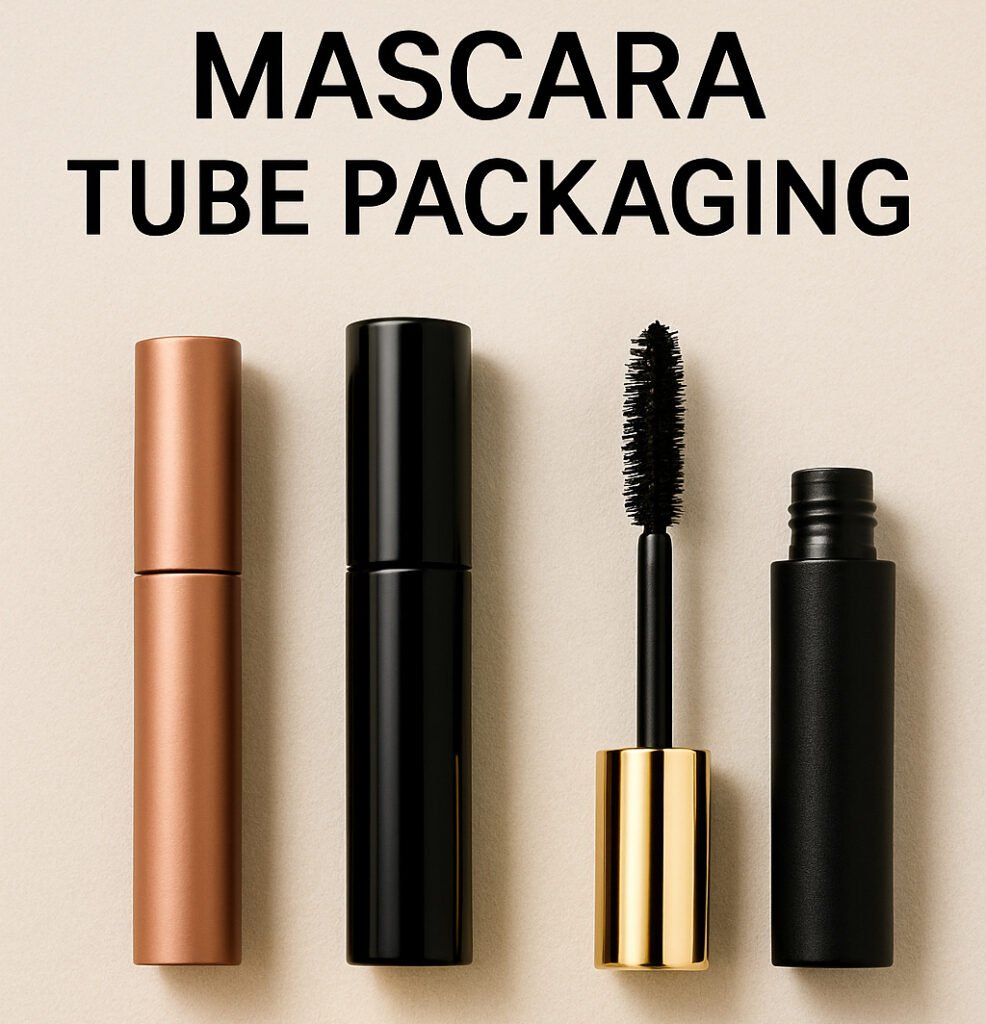
Mascara isn’t just another makeup item—it’s often the one product consumers won’t leave home without. That makes its mascara packaging not only essential for protecting the formula but also for branding, consumer trust, and shelf appeal. If you’re launching a mascara line or rebranding an existing one, understanding how to choose mascara packaging is just as crucial as perfecting the product itself.
Whether you’re an indie brand or part of a large cosmetics company, your packaging speaks volumes before your customers even open the tube. Let’s explore how to make that impression count.
Key Takeaways
- Mascara packaging is crucial for branding, consumer trust, and shelf appeal.
- Understanding your target market helps guide packaging decisions, from materials to design.
- Align packaging with your brand identity for effective visual storytelling and consistency.
- Choosing the right mascara tube shape impacts aesthetics, grip comfort, and wand performance.
- Investing in attractive packaging boosts online engagement and influences brand visibility.
1. Understand Your Target Market First
Age, Gender, and Lifestyle Considerations
Before you even sketch a design, identify who you’re selling to. Are your customers:
- Teens wanting fun and colorful packaging?
- Young professionals seeking sleek, modern designs?
- Eco-conscious consumers prioritizing sustainability?
Understanding their age, lifestyle, and values helps guide every packaging decision—from materials to aesthetics.
Luxury vs. Drugstore Brand Positioning
Luxury mascara often uses heavier materials like glass or metal, with minimalist or monochromatic design. On the other hand, mass-market brands typically lean on bright plastic packaging with bold typography to attract attention on crowded shelves.
Knowing your product’s tier determines the style and materials that will resonate with your audience.
2. Align Packaging with Your Brand Identity
Visual Storytelling Through Packaging
Packaging should be an extension of your brand’s story. Use color, shape, and texture to communicate your mission, vibe, and positioning.
Is your brand bold and edgy? Try metallic finishes or sculpted forms. If you’re all about clean beauty, go for matte neutrals and sustainable materials.
Matching Mascara Tubes with Brand Aesthetics
Ensure your mascara fits with the rest of your product line. Consistency in:
- Logo placement
- Color palettes
- Finishing styles
helps build brand recognition and customer loyalty.
3. Choose the Right Mascara Tube Shape
Cylindrical, Curved, Square, and Custom Forms
The tube’s shape affects not only the aesthetic but also the user’s grip and the wand’s performance. Common options include:
- Cylindrical: Classic and familiar
- Curved: Ergonomic and feminine
- Square or Flat: Modern and stackable
- Custom: High-end and unique
Ergonomics and Consumer Handling
Comfort in application is critical. A tube that feels awkward or slippery can turn off loyal buyers. Test different shapes for grip comfort, hand size compatibility, and ease of twisting open.
Mascara isn’t just a cosmetic—it’s a precision tool. While the formula provides the pigment, the mascara packaging determines how that formula is delivered to the lashes. For brand owners, choosing the right tube, brush, and wiper is the difference between a viral success and a clumpy disaster.
As a specialist in cosmetic packaging manufacturing, Xinfly Packaging presents the essential criteria for selecting mascara containers that balance high performance with high shelf appeal.
The Anatomy of a Perfect Mascara Tube
A mascara pack consists of four critical components: the Bottle, the Cap/Wand, the Brush, and the Wiper.
The Role of the Wiper (The Unsung Hero)
The wiper is the internal ring that “scrapes” excess product off the brush.
- Precision Tuning: At Xinfly, we match the wiper’s inner diameter to your formula’s viscosity. Too loose, and the brush comes out clumpy; too tight, and the guest feels like they aren’t getting enough product.
- Material: Typically made of LDPE or specialized TPE for the perfect balance of flexibility and resistance.
Brush Types: Fiber vs. Molded
- Fiber Brushes: Best for volume. These classic brushes hold more product and create a “fluffy” lash look.
- Molded (Plastic/Silicone) Brushes: Best for definition and length. These provide superior separation and are ideal for waterproof or fast-drying formulas.
Material Selection: Luxury vs. Sustainability
In 2026, packaging material is a direct reflection of your brand’s ethics.
- Aluminum Over-shells: Provides a heavy, premium feel. Aluminum is infinitely recyclable and offers superior light and air protection.
- PETG & ABS Plastics: The standard for mass-market and “Prestige” lines. PETG offers high clarity (for clear lash serums), while ABS allows for bold, opaque color customization.
- PCR (Post-Consumer Recycled) Plastic: For brands committed to the circular economy. We recommend 30%-50% PCR to maintain the sleek finish required for beauty products.
Ergonomics & Tube Geometry
The shape of the tube influences the “hand-feel” and the brand’s visual identity.
- Cylindrical: The timeless classic. Easy to label and familiar to consumers.
- Square or Octagonal: Prevents rolling on surfaces and feels modern and “architectural.”
- Curved/Ergonomic: Fits the natural grip of the hand, conveying a sense of femininity and comfort.
Branding & Custom Finishes
Your mascara needs to pop on the shelf and in unboxing videos.
- Soft-Touch Varnish: Creates a velvety texture that feels premium and prevents slipping.
- Hot Stamping: Adds metallic luxury to your logo. Gold, Silver, and even Holographic foils are trending for 2026.
- Silk-Screen Printing: Essential for clean, high-contrast typography that won’t wear off with frequent use.
Decision Matrix: Choosing Your Mascara Pack
| Product Type | Recommended Brush | Recommended Material | Best Finish |
| Volumizing Mascara | Thick Fiber Brush | Opaque ABS Plastic | Glossy + Hot Stamping |
| Defining/Lengthening | Molded TPE Brush | Sleek Aluminum | Matte / Soft-Touch |
| Clear Lash Serum | Fine Silicone Brush | Transparent PETG | Minimalist Silk-Screen |
| Eco-Skincare Line | Recyclable Fiber | PCR or Wheat Straw | Natural / Laser Engraved |
How to Choose Mascara Packaging – Frequently Asked Questions
Key choices for mascara packs: bottle materials, brush & wiper pairing, neck/orifice, airtightness, claims testing, sustainability, MOQ and timelines.
1) What bottle materials are common for mascara?
2) How do I choose the right brush?
3) What does the wiper do and why is it critical?
4) How do bottle neck and orifice size affect performance?
5) What capacities are typical for mascara?
6) Waterproof vs regular formulas—any packaging differences?
7) How to ensure airtightness and prevent drying?
8) What decoration options work on mascara packs?
9) Any sustainability choices for mascara packaging?
10) What tests should be done before mass production?
11) What’s the typical MOQ and timeline?
12) What labeling/compliance tips should I follow?
Conclusion: Packaging as the Ultimate Brand Communicator
Choosing the right mascara packaging is about more than aesthetics—it’s a strategic decision that affects product performance, consumer trust, and brand success. From the wand to the label, every element contributes to how your product is perceived and used.
By understanding your audience, testing materials, and embracing both form and function, you can craft packaging that not only protects your mascara but sells it on shelves and screens alike.
Ready to customize your packaging? Contact our team for detailed pricing, MOQ flexibility, and fast production samples.