
How to Choose the Right Eye Cream Tube for Your Skincare Brand?

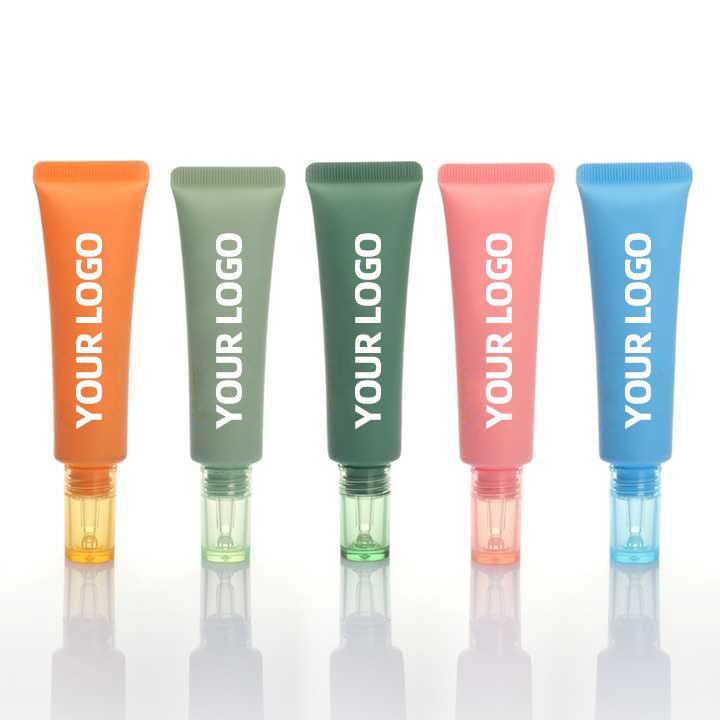
Choosing the right eye cream tube is more than just a packaging decision; it’s about preserving formula potency and enhancing the user experience. The delicate skin around the eyes requires precise application, meaning your packaging must offer both protection and functionality.
At Xinfly Packaging, with over 20 years of expertise, we help brands navigate the technicalities of cosmetic tube selection. Here is our professional guide on how to choose the perfect tube for your eye care products.
1. Selecting the Right Tube Material
The material of your eye cream tube directly impacts the shelf life of your product.
- PE (Polyethylene) Tubes: Ideal for standard hydrating formulas. They offer great flexibility and a soft-touch feel.
- ABL (Aluminum Barrier Laminate): Best for active ingredients like Retinol or Vitamin C. The aluminum layer provides an excellent barrier against light and oxygen.
- Sustainable Options: We highly recommend PCR (Post-Consumer Recycled) Plastic or Sugarcane PE for brands looking to reduce their environmental footprint without compromising quality.
2. Choosing the Best Applicator for User Experience
For eye creams, the “head” of the tube is just as important as the body. A high-end applicator can justify a premium price point.
- Zinc Alloy/Metal Tips: These provide an instant “cooling effect” that helps reduce puffiness—a major selling point for morning eye creams.
- Ceramic Applicators: Known for being hygienic and smooth, offering a luxury massage feel.
- Rollerball Tips: Perfect for thin serums, as they help with lymphatic drainage during application.
- Nozzle Tips: Essential for high-viscosity balms that require precise, small-dose dispensing.
3. Strict Quality Standards and Sealing Performance
An eye cream tube must be 100% airtight to prevent the formula from oxidizing or drying out at the tip.
- Orifice Size: Typically ranges from 0.6mm to 1.5mm. At Xinfly, we match the orifice size to your formula’s viscosity to ensure controlled dispensing.
- Sealing Integrity: We use advanced ultrasonic sealing to ensure that the bottom of the tube is leak-proof and durable under pressure.
- Virgin Materials Only: For the eye area, we strictly avoid low-grade recycled materials to ensure no chemical migration occurs, keeping your product safe for sensitive skin.
4. Why Partner with Xinfly Packaging?
As a professional factory with two decades of experience, Jiangsu Xinfly Packaging Co., Ltd. provides one-stop solutions from design to mass production. We understand the global standards for cosmetic packaging and offer:
- Low MOQs for growing brands.
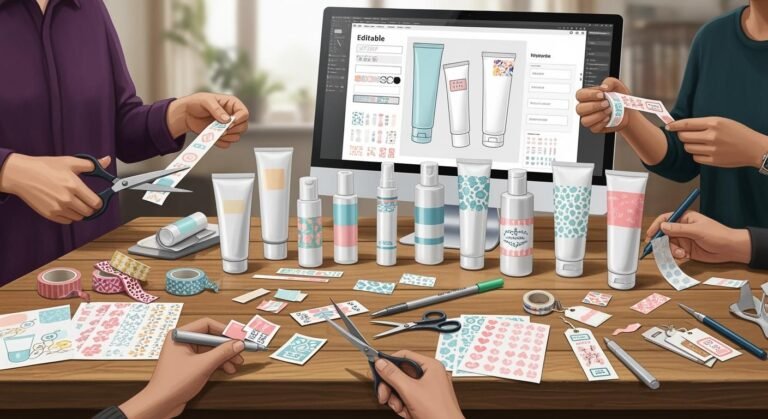
- Advanced decoration techniques (Silk-screen, Hot-stamping, Offset printing).
- Rigorous compatibility testing.
Eye Cream Tube – Frequently Asked Questions
Quick answers about materials, barrier choices, applicators, orifice sizes, capacities, sustainability, samples, MOQ and lead times for eye cream tubes.
1) What tube materials work best for eye cream?
2) Do I need a barrier tube for my eye cream?
3) Which applicator/head should I choose for the eye area?
4) What orifice size suits eye cream?
5) What are typical capacities for eye cream tubes?
6) How do I avoid leakage or hardening at the tip?
7) Can the tube be airless?
8) What decoration and finishes are available?
9) Are there sustainable eye cream tubes?
10) What tests are required before mass production?
11) What is the typical MOQ and lead time?
12) Can you help me choose the right head and material for my formula?
JIANGSU XINFLY PACKAGING CO.,LTD
One-stop Cosmetic Tube Packaging Solutions
- ADD:No.7 Xinyuan Road,Hangji Town ,Yangzhou City,P.R.China
- Tel:+86-18952591688
- Whatsapp:+86-18952591688
- Website: www.cosmetic-tubes.com
- Email: info@cosmetic-tubes.com
Ready to customize your packaging? Contact our team for detailed pricing, MOQ flexibility, and fast production samples.