
The Ultimate Guide to Choosing Cosmetic Tube Packaging Materials (2026 Strategy)

In the high-stakes beauty industry, selecting the right cosmetic tube packaging material is a decision that impacts everything from formula stability to brand perception and environmental compliance. In 2026, with global regulations like MoCRA (USA) and PPWR (EU) reshaping the landscape, your choice of substrate is more critical than ever.
As a manufacturing veteran with over 20 years of experience, Jiangsu Xinfly Packaging Co., Ltd. presents this definitive guide to help brand owners and procurement experts make data-driven decisions.
1. Traditional Plastic Tubes: The Evolution of PE (Polyethylene)
Plastic remains the most versatile and cost-effective solution for mass-market and prestige skincare. However, the engineering behind modern PE tubes has evolved to focus on tactile experience and circularity.
- LDPE (Low-Density Polyethylene): Best for a soft, “easy-squeeze” feel. It is the preferred choice for hand creams and facial cleansers where user comfort is key.
- HDPE (High-Density Polyethylene): Stiffer and more durable. Excellent for larger capacity tubes (150ml+) or products requiring more structural integrity to maintain their shape on the shelf.
- Mono-Material PE: The 2026 gold standard for recyclability. By making the tube body, shoulder, and cap from the same PE resin, the entire unit is 100% recyclable without disassembly, satisfying rigorous ESG audits.
2. High-Barrier Laminated Tubes: ABL vs. PBL
For formulas containing active ingredients like Vitamin C, Retinol, or Peptides, standard plastic is often insufficient. High-barrier laminates act as a shield against external catalysts.
- ABL (Aluminum Barrier Laminate):
- The Core: Contains a thin layer of aluminum foil.
- The Benefit: Offers a 100% barrier against light, oxygen, and moisture. It also features “dead-fold” properties (the tube stays squeezed), preventing air from being sucked back in.
- Best For: Pharmaceuticals, high-potency anti-aging serums, and essential oil-based balms.
- PBL (Plastic Barrier Laminate):
- The Core: Uses EVOH (Ethylene Vinyl Alcohol) as the functional barrier.
- The Benefit: Combines high-barrier protection with the aesthetic of a plastic tube. It allows for seamless side seams and photo-quality graphics.
- Best For: Premium skincare and color cosmetics that require high-impact shelf presence.
3. Sustainable Innovation: Wheat Straw & PCR
In 2026, sustainability is a mandatory brand pillar. Xinfly leads the market in “Agricultural Upcycling” and “Circular Economy” materials.
- Wheat Straw Plastic: By blending processed agricultural wheat fibers with a polymer matrix, we reduce virgin plastic consumption by up to 40%. The natural, speckled texture and matte finish provide an immediate “eco-signal” to consumers.
- PCR (Post-Consumer Recycled): Made from recycled plastic waste. We utilize multi-stage purification to achieve high transparency and eliminate odors. We recommend a 30%–50% PCR blend to maintain the sleek finish and mechanical strength required for luxury beauty products.
4. Selection Matrix: Choosing Based on Formula Chemistry
Authority in packaging comes from matching the material’s properties to the formula’s chemistry.
| Product Category | Recommended Material | Technical Reasoning |
| Active Serums (Retinol/Vit C) | 5-Layer COEX / ABL | Superior oxygen barrier to prevent oxidation of actives. |
| Sunscreen / SPF | 5-Layer COEX with EVOH | Prevents solvent migration that causes tube “yellowing” or leaking. |
| Organic & Natural Lines | Wheat Straw / Bio-PE | Aligns the packaging narrative with the brand’s “Green” philosophy. |
| High-Volume Cleansers | Mono-Material PE | Maximizes recyclability while keeping unit costs competitive. |
Partner with the Industry Experts
The future of your brand depends on the integrity of your packaging. Jiangsu Xinfly Packaging Co., Ltd. is your strategic partner in material innovation, regulatory compliance, and manufacturing excellence.
[Request a Free 2026 Material Sample Kit & Technical Consultation Today]
When selecting suitable materials for cosmetic tube packaging, you need to consider multiple factors, including product properties, intended use, market positioning, environmental friendliness, and cost. The following are some key factors and commonly used material types to help you make the best choice:
1. Product Properties and Ingredients
The type and ingredients of cosmetics determine the packaging material requirements:
- Acidity and Alkalinity: If the product contains acidic or alkaline ingredients, the packaging material must be corrosion-resistant.
- Volatile Substances: If the product contains a strong or volatile liquid (such as perfume or essential oils), the packaging material must have a good seal to prevent odor loss.
- Water-Solubility or Oil-Based: Water-based and oil-based cosmetics have different material requirements. Oil-based cosmetics may require better oil and moisture resistance.
2. Common Material Types
Depending on functional requirements, the following types of tube materials can be selected:
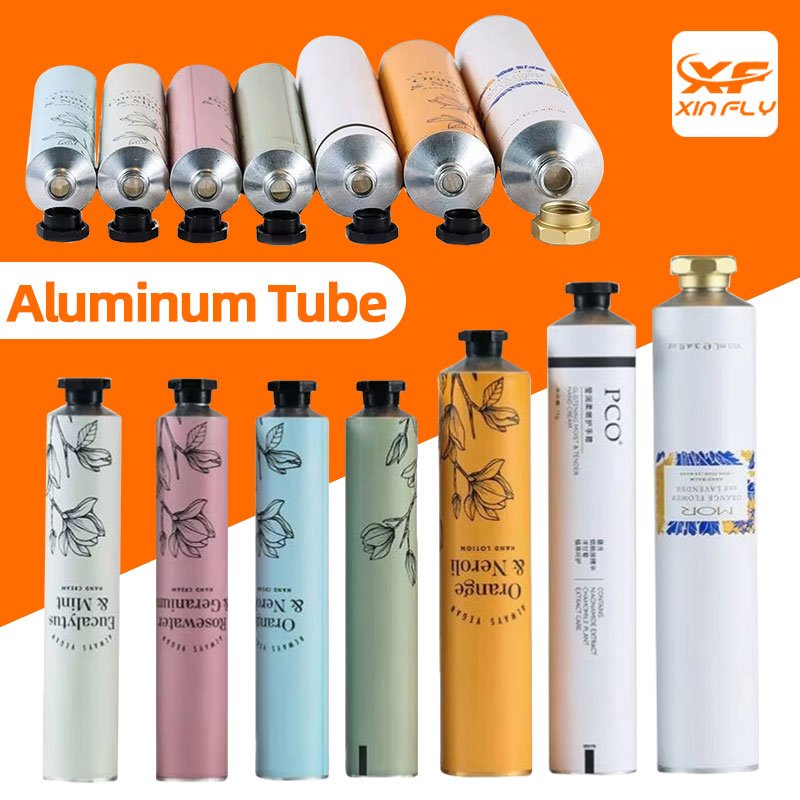
① Aluminum Tube
- Features: It has excellent barrier properties, effectively preventing the ingress of air, moisture, and light, thereby protecting product quality.
- Applications: Widely used in products requiring a long shelf life, such as skincare products and ointments.
- Advantages: Lightweight, recyclable, and offers excellent sealing and oxidation resistance.
- Disadvantages: Compared to other materials, it creases easily and is not as flexible as plastic tubes.Aluminium Collapsible Tubes
② Plastic Tube (PE, PBL)
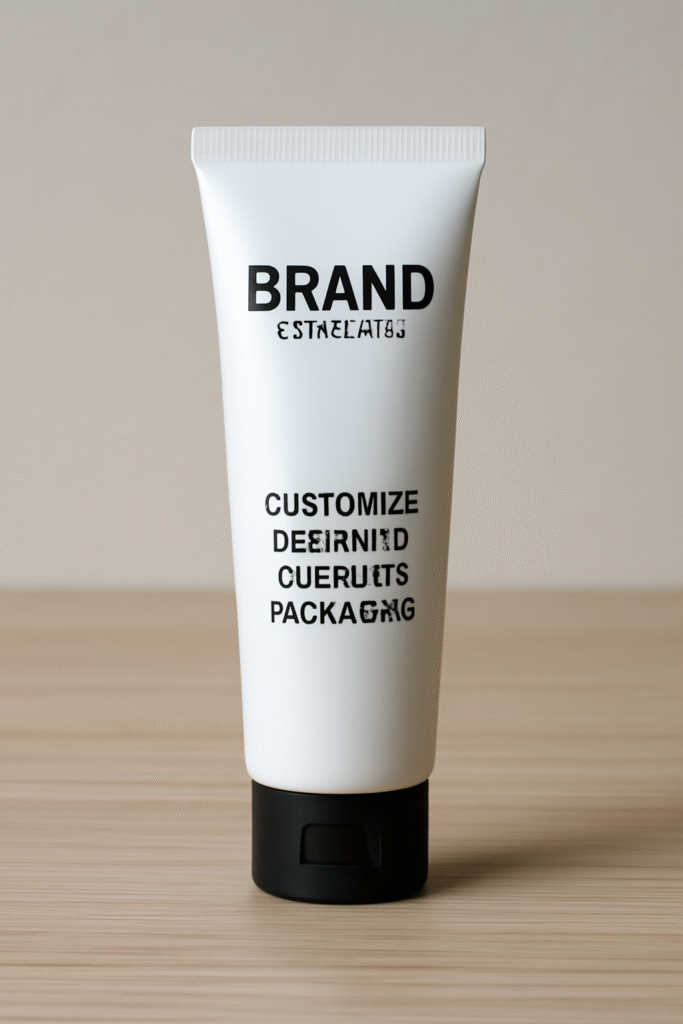
- PE (Polyethylene) Tube:
- Features: Lightweight, impact-resistant, low cost, and flexible.
- Applications: Suitable for most skincare and shampoo products, with excellent oxidation and moisture resistance.
- Advantages: Highly resistant to pressure and easily recyclable.
- Disadvantages: Not as good as aluminum tubes in terms of barrier properties.
- PP (Polypropylene) Tube:
- Features: More heat-resistant than PE, suitable for use in higher temperature environments.
- Applications: Suitable for some high-temperature processes or temperature-sensitive products.
- Advantages: Corrosion-resistant, suitable for use in higher temperatures, and high hardness.
Disadvantages: Relatively rigid, less comfortable to use than PE.
③ Composite Tubes (Aluminum-Plastic Composite Tubes)
Features: Combining aluminum foil with plastic, it combines the advantages of both, offering the barrier properties of aluminum tubes with the flexibility of plastic.
Applications: Widely used in high-end cosmetics, serums, and more.
Advantages: Good barrier properties, attractive appearance, and relatively durable.
Disadvantages: Relatively high cost and difficult to recycle.
3. Sealing and Anti-Counterfeiting Functions
Sealing: Tube packaging requires a good seal to prevent air contamination and extend shelf life. For cosmetics that are easily oxidized or volatile (such as serums and creams), consider hoses with sealing rings or press-fit designs.
- Anti-Counterfeiting: To prevent counterfeiting and leakage of product information, hoses can be made with anti-counterfeiting labels or coatings to enhance brand protection.
4. Environmental Friendliness
- Recyclability: Choosing recyclable materials such as PE, PP, and PET meets environmental requirements. With increasing consumer awareness of environmental protection, choosing materials that meet environmental standards can also help enhance brand image.
- Biodegradable Materials: Biodegradable materials such as PLA (polylactic acid), while currently less commonly used in cosmetics packaging, are being explored by some high-end brands.
5. Cost Control
Depending on brand positioning and budget, the cost of material selection is also an important factor. Generally speaking:
- Aluminum tubes and Composite tubes are more expensive, but offer better protection and are suitable for high-end cosmetics.
- PE and PP plastic tubes are less expensive and are suitable for brands with bulk products or limited budgets.
6. Consumer Experience
The consumer experience with tube packaging is also crucial:
- Flexibility: The softness of the tube affects whether consumers can easily squeeze the product out.
- Design: This includes factors such as opening size, tube design, and ease of flow control, all of which can influence the user experience.
7. Appearance and Printing
- Print Quality: Choosing the right material ensures clear and easy printing of images and text, enhancing the product’s appeal.
- Gloss: Aluminum and composite tubes typically offer a higher gloss, making the product appear more premium.
Key Takeaways
- Selecting suitable materials for cosmetic tube packaging involves considering product properties, market positioning, environmental impact, and cost.
- Key materials include aluminum tubes for long-lasting protection, plastic tubes (PE, PP) for cost efficiency, and composite tubes for flexibility and barrier properties.
- Sealing and anti-counterfeiting features enhance product protection and brand reliability in cosmetic tube packaging.
- Environmental friendliness plays a crucial role; recyclable and biodegradable materials can bolster brand image.
- Design and consumer experience are vital, affecting how easily consumers use the packaging and how appealing it looks.
When choosing the right cosmetic packaging material, it’s crucial to comprehensively consider factors such as the nature of the product, target market, budget, and environmental requirements.
The Ultimate Guide to Choosing Cosmetic Tube Packaging Materials (2026)
Choosing Materials for Cosmetic Tubes – Frequently Asked Questions
Quick answers on PE/PP, COEX, ABL/PBL, aluminum, PCR & bio-PE, barrier needs (EVOH), compatibility, recyclability, decoration, MOQ and timelines.
1) What are the most common materials for cosmetic tubes?
2) When is single-layer PE enough vs. COEX/laminate?
3) How do ABL and PBL differ?
4) When should I consider aluminum tubes?
5) What about PCR and bio-PE?
6) How does material affect recyclability?
7) How do I check formula compatibility with the tube?
8) Does material choice limit decoration or finishes?
9) What’s the impact on cost and MOQ?
10) How do opacity and light protection factor in?
11) Are there temperature or transport considerations?
12) What’s a typical development timeline?
Ready to customize your packaging? Contact our team for detailed pricing, MOQ flexibility, and fast production samples.