
How to Choose the Right Squeeze Tubes for Cosmetic Packaging: A Strategic Guide


Choosing the perfect squeeze tube is a balance of science and art. It must protect your formula, represent your brand identity, and provide a seamless user experience. In this guide, we break down the critical factors—from material layers to orifice types—that will determine your packaging’s success in a competitive market.
Choosing the right squeeze tubes for cosmetics keeps products safe. It makes them easy to use. It helps them look nice on the shelf. The right tube protects your formula from air. It keeps out dirt and light. Here is how these tubes help:
| Benefit | Description |
|---|---|
| Protective Barriers | Cosmetic tubes give a strong, break-proof shield for products. |
| Air-Tight Seals | Many tubes have seals that block air, keeping products fresh. |
| Contaminant Prevention | Tubes stop dirt and dust from hurting product quality. |
You want a package that feels good to hold. It should give just the right amount. It should fit your brand’s look. Many brands see happier customers with better tube design. Some see satisfaction go up by 20%. If you need help, Xinfly Packaging can help you at every step.
Key Takeaways
- Pick a tough tube material that keeps air, light, and germs out.
- Choose the best size and shape to help people use it easily and make your product look special in stores.
- Select a closure type that is simple to open and keeps your product fresh.
- Try your formula with the tube first to stop bad chemical reactions and make sure they work well together.
- Make your packaging unique with colors and finishes that show your brand and get customers’ attention.
Material Selection: Matching Tube to Formula
The material is the “armor” of your product. Choosing the wrong one can lead to “paneling” (tube collapsing), leakage, or formula oxidation.
PE (Polyethylene) Tubes
- LDPE: Extremely flexible and soft. Best for products that need a gentle squeeze, like lip gloss or travel-size cleansers.
- HDPE: Rigid and durable. Offers better chemical resistance for “aggressive” formulas like sunscreen or essential oil blends.
Laminated Tubes (ABL vs. PBL)
- ABL (Aluminum Barrier Laminate): Contains a thin layer of aluminum. It offers the highest barrier against light and oxygen. Best for: Medicated creams and high-active skincare.
- PBL (Plastic Barrier Laminate): Uses an EVOH plastic barrier. It allows for “squeeze-back” (the tube returns to its shape) and superior photographic printing. Best for: High-end cosmetic branding.
Choosing the Right Tube Diameter and Capacity
Sizing isn’t just about volume; it’s about portability and retail shelf presence.
| Diameter (mm) | Common Capacity (ml) | Primary Use Case |
| D16 – D19 | 5ml – 20ml | Eye creams, lip treatments, sample sizes. |
| D25 – D30 | 30ml – 60ml | Hand creams, travel-size facial cleansers. |
| D35 – D40 | 70ml – 150ml | Standard facial wash, hair masks, BB creams. |
| D50 – D60 | 150ml – 400ml | Body lotions, professional hair care. |
The “Eco-Score”: Sustainable Packaging Levels
In 2026, Google rewards content that provides clear information on sustainability. Here is how to rank your choices:
- Tier 1: PCR (Post-Consumer Recycled) – Reusing existing plastic. Available in 30%, 50%, and 100% options.
- Tier 2: Sugarcane PE – Bio-based plastic that is 100% recyclable.
- Tier 3: Mono-material Design – Using a PE cap with a PE tube to ensure the entire unit is “Recycle-Ready.”
- Tier 4: Lightweighting – Reducing the total plastic weight per tube by up to 20% through advanced molding.
Orifice and Cap Functionality
The way your product is dispensed defines the user experience.
- Screw Caps: Classic and secure, but requires two hands.
- Flip-Top Caps: Ideal for shower products (shampoo, body wash) where convenience is key.
- Nozzle/Cannula Tips: Precision dispensing for spot treatments or eye serums.
- Airless Pumps: The premium choice for protecting sensitive formulas from air exposure.
Professional Checklist for Procurement Managers
Before placing your order, ask your supplier these three questions:
- “Can you provide a COA (Certificate of Analysis) for the materials used?”
- “What is the compatibility test result for my specific formula type (e.g., oil-in-water)?”
- “What decoration methods (Offset, Silk-screen, or Digital) best suit my logo’s complexity?”
Formula Compatibility
Product Ingredients
When you choose squeeze tubes, think about your formula first. Some ingredients can react with the tube material. Oils and acids might break down plastic or cause leaks. Strong scents or colors can stain the tube or change how it looks. You want your formula to stay safe and fresh inside.
Here are some problems you might see:
- If the tube material does not match, you can lose product or have leaks.
- Decorations may come off if they do not stick well.
- Chemicals in your formula can hurt the tube or its decoration over time.
Chemical Reactions
You do not want your product to react with the tube. If the tube does not match your formula, you might see changes in color or smell. The texture can change too. Sometimes, the tube can break down and make your product unsafe. Always test your formula with the tube before you sell it.
Tip: Ask your supplier to do compatibility tests. These tests help you find problems early and keep your product safe.
| Testing Method | Purpose |
|---|---|
| Compatibility Tests | Make sure the tube does not react with your formula or make it go bad. |
Product Safety
Safety is very important when you pick squeeze tubes. You need to follow rules from groups like the FDA. These rules cover labels, safe materials, and the environment. If you do not follow the rules, you could get fined or have to take your product back.
Check these things:
- Labels show all ingredients and who made it.
- Tube materials are safe for use.
- Packaging does not hurt the environment.
If you do these steps, you keep your customers safe. You also protect your brand and make sure your product can be sold in stores.
Squeeze Tubes for Cosmetics

Tube Materials
When you pick squeeze tubes for cosmetics, you have a lot of choices. Most brands use plastic, aluminum, or laminate tubes. Plastic tubes are everywhere because they cost less and feel light in your hand. You can squeeze them easily, and they work for many types of creams and gels. Aluminum tubes give your product extra protection. They keep out air, light, and moisture, which helps your formula last longer. Laminated tubes mix the best parts of both plastic and aluminum. They feel flexible but still protect your product well.
Here’s a quick look at how these materials compare:
| Material | Durability | Product Protection | Eco-Friendly Options |
|---|---|---|---|
| PE (Plastic) | Moderate | Good | Yes (PCR, bioplastics) |
| PP (Plastic) | Moderate | Good | Yes (PCR, bioplastics) |
| Aluminum | High | Excellent | Yes (fully recyclable) |
| Laminate | High | Excellent | Some options |
You might want to think about the environment, too. Many brands now use eco-friendly squeeze tubes for cosmetics. These tubes use bioplastics made from plants or recycled plastics. Aluminum tubes are also a green choice because you can recycle them again and again. If you want to show your customers that you care about the planet, eco-friendly tubes are a smart pick.
Tip: If your product needs strong protection or has sensitive ingredients, aluminum or laminated tubes work best. For everyday creams and gels, plastic tubes are a good fit.
Tube Sizes & Shapes
The size and shape of your squeeze tubes for cosmetics can change how people see and use your product. Small tubes, like those under 50ml, are perfect for travel or samples. They fit in a purse or pocket and make it easy for customers to try your product. In fact, tubes under 50ml hold about 40% of the market because people love their convenience. The 50ml-100ml size is great for daily skincare. It gives enough product without being too bulky. Bigger tubes, over 150ml, work well for family use or products that last a long time.
Shapes matter, too. You can pick round, oval, or even unique shapes. A special shape can help your product stand out on the shelf. It can also make your brand look creative or high-end. Here’s how shape and size affect your product:
| Aspect | Description |
|---|---|
| Shelf Impact | Unique shapes catch the eye and make your product pop. |
| User Experience | The right size and shape feel good in the hand and are easy to use. |
| Design Versatility | You can choose any color, finish, or shape to match your brand’s style. |
| Practical Features | Ergonomic designs and easy-to-use pumps or droppers reduce waste. |
If you want your product to look elegant, choose a slim or oval tube. For a fun or bold look, try a bright color or an unusual shape. You can even add special finishes to make your tube shine or feel soft.
Closures & Applicators
The closure on your squeeze tubes for cosmetics does more than just keep the product inside. It changes how people use your product every day. Flip-top caps are super popular because you can open them with one hand. They help you get just the right amount of product and keep the cap attached, so you don’t lose it. Screw caps are simple and safe. They work for many types of products, from creams to gels. Vacuum pumps are great for formulas that need to stay fresh. They keep air out and help your product last longer.
Let’s see how closures compare:
| Closure Type | Benefits | Product Examples |
|---|---|---|
| Flip-Top | Quick use, less waste, keeps product clean | Face wash, hand cream |
| Vacuum Pump | No air inside, keeps formula fresh, easy to use | Serums, lotions |
| Screw Cap | Very secure, fits many products | Ointments, gels |
| Multilayer Aluminum | Best for blocking air, moisture, and light | Eye creams, specialty products |
You want a closure that matches your product. If you sell a thick cream, a wide opening works best. For a liquid or serum, a nozzle or pump gives better control. Closures also help with hygiene. They keep germs out and make sure your product stays safe.
Note: The right closure makes your product easy to use and keeps it fresh. Always test different closures to see which one your customers like best.
When you choose squeeze tubes for cosmetics, think about squeezability, too. A tube that’s easy to squeeze gives a better experience. It helps customers get every last drop, so nothing goes to waste. The right tube protects your product, looks great, and feels good to use.
Customization & Branding
Printing & Labeling
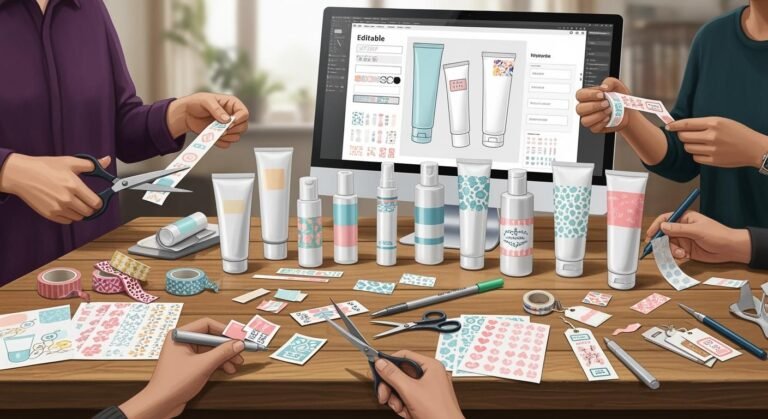
You want your squeeze tubes to stand out. Printing and labeling help people notice your brand. Water transfer and digital printing make tubes look bright and bold. These methods help your product get noticed in stores. Labels should show your brand’s style and give clear facts. Using eco-friendly labels shows you care about nature. Matte finishes feel fancy, while glossy ones look shiny. The way your label looks can change how people feel about your product.
Tip: Try different printing styles to find what fits your brand. Xinfly Packaging can help with advice and cool printing choices to make your tubes look great.
Color & Finish
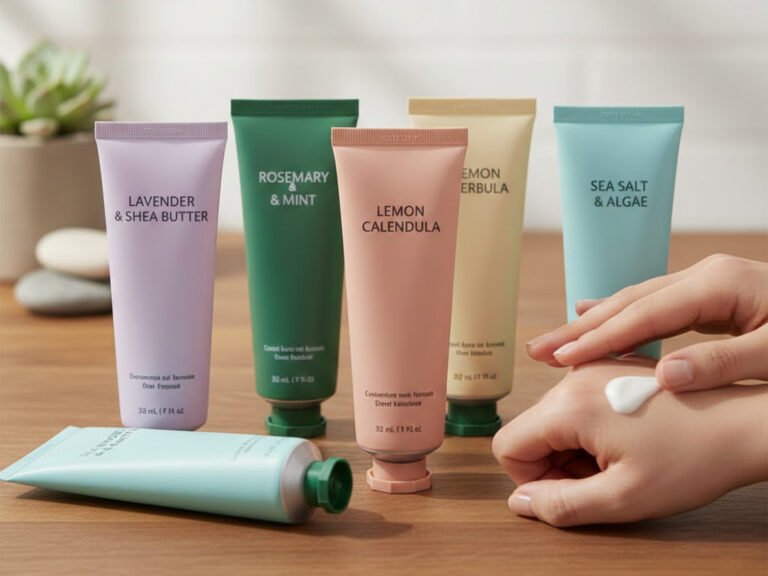
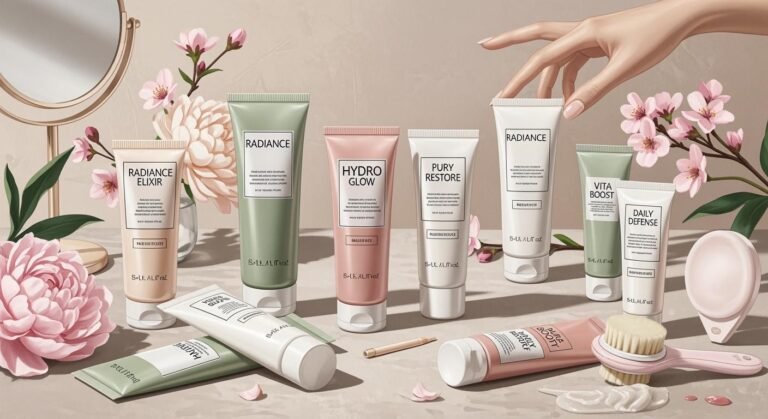
Color and finish set the mood for your product. Earth colors like sage and clay look calm and natural. Soft pastels like lilac and mint feel fun and fresh. Black or white tubes look clean and professional. Metallic colors like rose gold make your product look fancy. Iridescent and holographic finishes shine and sparkle in the light. Soft-touch coatings feel smooth and special. You can mix colors and finishes to match your brand’s style.
| Trend Description | Color Palette | Finish Type | Target Brands |
|---|---|---|---|
| Earth-Inspired Neutrals | Terracotta, sage, clay | Matte coatings | Skincare, organic hair care |
| Soft Pastels | Lilac, mint, pink | High gloss | Indie, K-beauty lines |
| Monochrome Black & White | All-black, all-white | Soft-touch, semi-gloss | Dermatologist-backed brands |
| Metallic Accents | Rose gold, copper | Foil detailing | Night creams, anti-aging |
| Iridescent & Holographic | Gradient colors | Holographic overlays | Trendy products |
Brand Image
Your packaging tells your brand’s story. The right design helps people trust your brand. Good looks make people want to try your product. Eco-friendly materials show you care about the earth. Using the same packaging helps people remember your brand. A special tube shape or bright color makes your product easy to spot. When you make your tubes easy to use, customers are happier and buy more.
| Aspect | How It Helps Your Brand |
|---|---|
| Visual Appeal | Attracts your target customers |
| Environmental Considerations | Builds trust with eco-conscious shoppers |
| Emotional Connection | Creates lasting loyalty |
| User Experience | Increases satisfaction and perceived value |
| Consistency | Makes your brand easy to recognize |
| Sales Impact | Drives sales at the point of purchase |
If you want your squeeze tubes to look amazing, work with experts like Xinfly Packaging. They help you pick the best printing, colors, and finishes. You get packaging that matches your brand and stands out in stores.
Prototyping & Pitfalls
Sampling
Before you order a big batch of tubes, you should always ask for samples. Sampling lets you see and feel the tube before you commit. You can spot problems early and make changes if needed. Here’s a simple process many brands follow:
- Start with a design and talk with your supplier about your ideas.
- Get a 3D prototype or sample mockup to check the look and feel.
- Try out custom printing and decorations to see how your branding appears.
- Test the tube with your product inside. Make sure it works well and looks good.
- Once you’re happy, move to mass production and arrange shipping.
When you test samples, look at more than just the outside. Check how easy the tube is to open, how well it keeps your product fresh, and if the printing stays bright. Here’s a table to help you know what to test:
| Testing Aspect | What to Look For |
|---|---|
| Printing Quality | Does the color stay bright? Does the ink rub off? |
| Adhesive Tag Test | Do labels stick well? Do they peel off too easily? |
| Easiness of Opening | Can you open the tube easily? Does it seal tight? |
| Content Preservation | Does your product stay fresh and smell right? |
| Product Appearance | Does the tube look good on the shelf? |
Tip: Always fill a sample tube with your real product and test it for a few weeks.
Common Mistakes
Many brands make the same mistakes when picking tubes. You can avoid these problems if you know what to watch for:
- Picking the wrong material can spoil your product.
- Not testing for compatibility may cause leaks or contamination.
- Forgetting about custom design can make your product look plain.
- Choosing the wrong cap or closure can make the tube hard to use.
- Guessing the wrong size can lead to waste or unhappy customers.
- Skipping quality checks can hurt your brand’s reputation.
- Ignoring rules and standards can get you in trouble.
- Not talking clearly with your supplier can cause mix-ups.
- Not checking minimum order amounts can leave you with too much stock.
- Skipping stress tests can lead to broken tubes.
- Not planning for lead times can delay your launch.
Note: Keep your design simple and focus on what your customers need. Always do your research before you decide.
Final Checklist
Before you place your order, use this checklist to make sure you have everything covered:
- Check that the tube material matches your product.
- Review all customization options like shape, size, and cap style.
- Confirm the minimum order quantity.
- Ask about how long samples and production will take.
- Request physical samples for testing.
- Learn about the supplier’s quality control steps.
- Make sure the tubes meet safety and environmental rules.
- Understand the pricing and payment terms.
- Ask if the supplier helps with shipping and customs.
- Find out what support you get after your order arrives.
If you follow these steps, you can avoid most problems and get packaging that works for your brand.
Choosing the right squeeze tube for your cosmetics is simple when you follow a few key steps:
- Pick a strong material that protects your product.
- Choose the right size and shape for your needs.
- Select a cap that makes your product easy to use.
- Make sure the tube keeps out air and light.
- Add your brand’s style with custom colors and finishes.
Matching your tube to your product and brand helps your items stand out and last longer. Want expert help? Xinfly Packaging can guide you. Review your checklist, ask for samples, and get advice before you order. 😊
Choosing Squeeze Tubes – Frequently Asked Questions
A practical guide to picking materials and barriers, capacities and diameters, orifices and applicators, closures, printing/finishes, sustainability, QA, MOQs, lead times and logistics.
1) Which tube materials should I consider first?
2) How do I match barrier performance to my formula?
3) What capacity/diameter combinations are typical?
4) How do I choose the orifice size and applicator?
5) Which closures work best for cosmetics?
6) What printing and finishes elevate brand impact?
7) Can squeeze tubes be sustainable and recyclable?
8) What tests are essential before mass production?
9) What MOQs and lead times should I expect?
10) How do I brief suppliers for apples-to-apples quotes?
11) What are the main cost drivers—and easy savings?
12) Any e-commerce and travel-readiness tips?
Ready to customize your packaging? Contact our team for detailed pricing, MOQ flexibility, and fast production samples.