
How to Choose the Right Wholesale Plastic Cosmetic Tubes for Your Brand in 2025

Have you ever had trouble making your beauty products stand out? The right packaging can help your brand look different. It can also make customers trust your products more. When you pick good wholesale plastic cosmetic tubes, you keep your formula safe. You also make the shelf life longer. This shows people your brand is reliable. In 2025, you should think about what you need now. You should also look at new trends like sustainability and tactile design.
Key Takeaways
- Pick the best tube for your product type. Creams, gels, and serums need certain tube materials to stay good.
- Think about eco-friendly choices like recycled or biodegradable tubes. These help the planet and attract buyers who care.
- Make your packaging match your brand. Special colors, shapes, and finishes help your products get noticed.
Key Factors for Wholesale Plastic Cosmetic Tubes
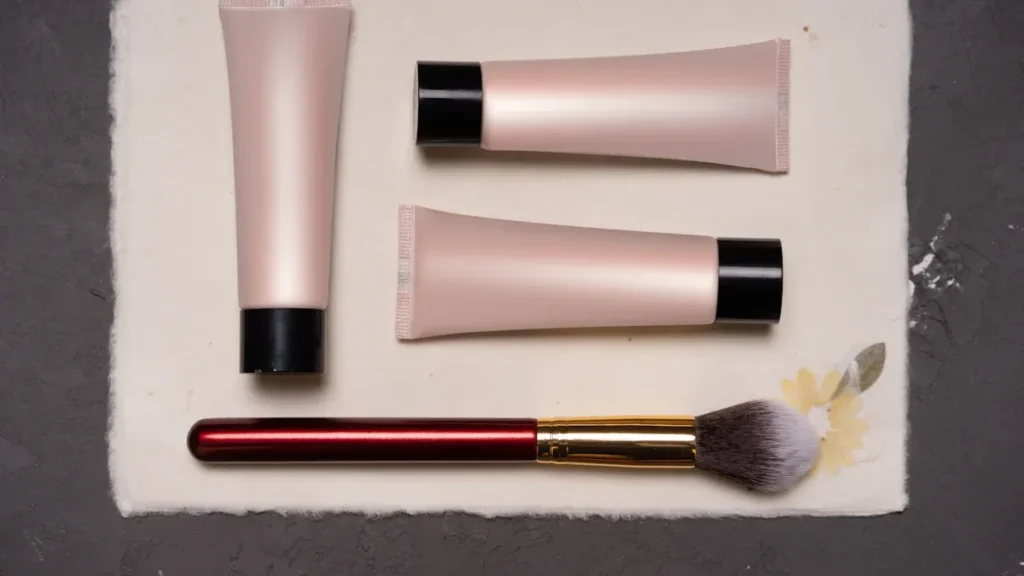
Product Compatibility
Picking the right cosmetic tube means knowing your product well. You should check if your formula is a cream, gel, or serum. Each type needs a special tube. Creams need tubes that keep air out. This helps them stay smooth and fresh. Gels need tubes that hold their thick shape. Serums have sensitive ingredients. They need tubes that block light and air.
Before you choose wholesale plastic cosmetic tubes, match the material to your formula. If you skip this, you might get yellow color, bad smells, or leaks. Sometimes, the tube and product react. This can make the tube crack or change your product. Here are some common problems:
| Material Type | Common Incompatibilities |
|---|---|
| Aluminum tubes | Water-based acids, vitamin C |
| PET bottles | Essential oils, high pH formulas |
| Glass containers | Alkaline formulas, surfactants |
| PP jars | Oil-based actives, fragrances |
Always test your product with the tube before ordering a lot. Fill a few tubes and store them at different temperatures. Watch for changes in color, smell, or texture. If the tube gets soft or leaks, try another material. This step helps small beauty brands avoid mistakes and keeps customers happy.
Cosmetic Tube Material Options
When you look for wholesale plastic cosmetic tubes, you will see many choices. Each material has good and bad points. Here is a table to help you compare:
| Packaging Type | Advantages | Disadvantages |
|---|---|---|
| Traditional Tube | Cheap, easy to use, good for big orders | Lets in air, can lower product quality |
| Airless Tube | Blocks air and germs, keeps product fresh | Costs more, harder to make |
| PCR | Eco-friendly, strong, saves resources | N/A |
| Recycled PE/PP | Cheap, good for custom designs | N/A |
| Bio-Based (sugarcane) | Lowers carbon footprint, biodegradable | N/A |
| Laminated Tubes (ABL, PBL) | Great barrier, flexible, full-color printing | Harder to recycle because of layers |
If you want your brand to look eco-friendly, pick tubes made from PCR, recycled PE/PP, or bioplastic. These help the planet and make your brand look good to green shoppers. Many brands use biodegradable or refillable tubes to stand out. Most cosmetic packaging uses more than one material. This makes recycling hard. Try to pick simple materials when you can.
Customization and Branding
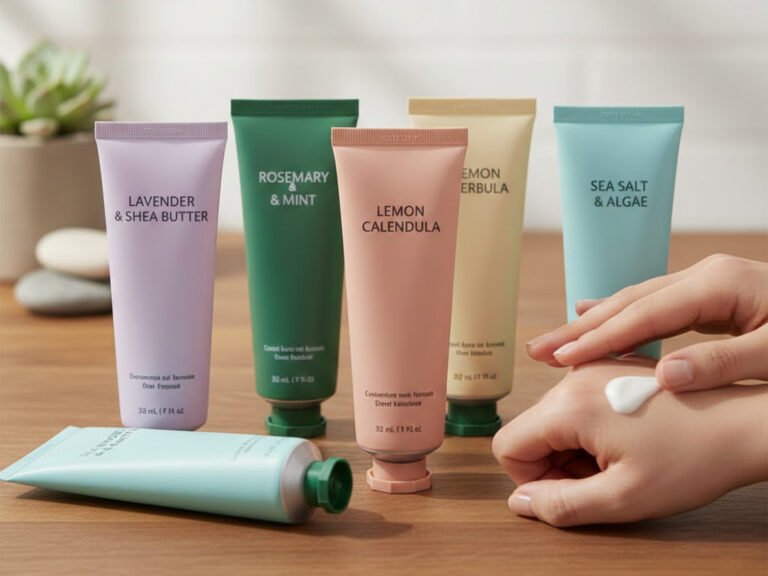
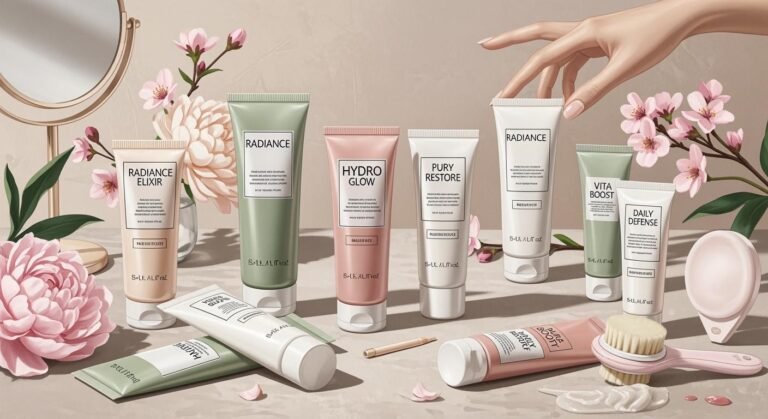
Your packaging is the first thing people see. It should show your brand and make your products stand out. Wholesale plastic cosmetic tubes come in many colors, shapes, and finishes. You can pick a color that matches your brand’s style. Green looks natural. Black looks fancy. Special shapes make your product easy to spot.
Here are some popular ways brands customize tubes in 2025:
- Use post-consumer recycled plastics to show you care about the environment.
- Offer refillable tubes to support a circular economy.
- Pick eco-friendly materials like PCR or sugarcane-based tubes.
- Try airless pump tubes or dual-chamber tubes for better product protection.
- Add special finishes like holographic designs, matte coatings, or embossed logos.
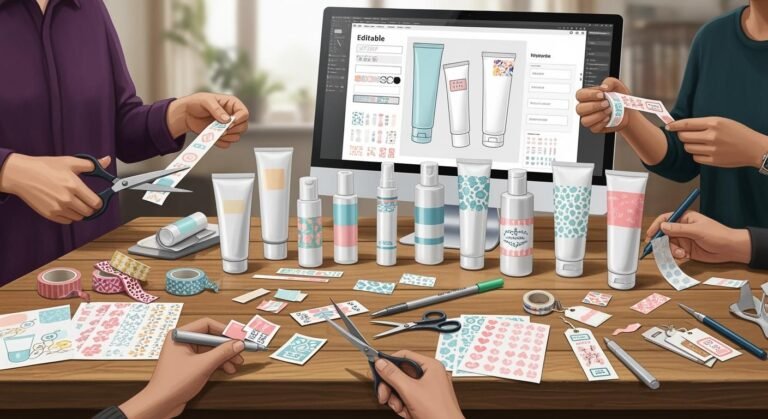
- Customize caps, labels, and textures for a unique feel.
- Use advanced printing like digital or silk-screen for detailed designs.
Tip: Custom packaging can help you reach your audience. Bright colors attract younger buyers. Simple designs appeal to older shoppers. The feel of the tube matters too. A soft finish can make your product seem fancy.
Tube Shape and Size
The shape and size of your cosmetic tube change how easy it is to use. It also changes how it looks in stores. Stores like tubes that stack well and save space. Round, oval, and mini tubes each have their own strengths. Round tubes are classic and easy to squeeze. Oval tubes stand out and give more space for your logo. Mini tubes are great for samples or travel.
| Size Category | Capacity Range | Common Uses |
|---|---|---|
| Small | 5ml to 15ml | Lip balms, concealers, eye creams |
| Medium | 15ml to 50ml | Cleansers, serums, sunscreens |
| Large | 50ml to 200ml+ | Body lotions, sunscreens, hair care |
A good tube design can help your product sell better. Flexible shapes and bright finishes help your brand stand out. Offset printing and embossing add extra style. Picking the right tube makes your product look good and helps your marketing.
Note: Indie beauty brands should pick tube shapes and sizes that fit their product and customer’s lifestyle. Always think about how your packaging looks on the shelf and in your customer’s hand.
By focusing on these key factors, you can make smart choices. Good packaging protects your product, shows your brand, and makes customers happy.
Supplier Selection and Cost
Supplier Reliability
You need a supplier you can trust. First, check what other brands say about them. Read reviews from beauty companies. Good suppliers, like Xinfly Amenities, have ISO 9001 or GMP certificates. These show they care about safety and quality. Ask for reports that show their products are safe. Good suppliers will give you these papers. Make sure they can handle your order size. They should also meet your deadlines. Here is a table to help you compare:
| Criteria | What to Look For |
|---|---|
| Production Capabilities | Can they handle your current and future needs? |
| Customization Services | Do they offer design and decoration options? |
| Certifications | ISO, SGS, FDA, GMP, or other quality standards? |
| MOQ and Lead Time | Do they offer low minimums and fast delivery? |
| Quality Control | Do they test for leaks, color, and print accuracy? |
Cost Considerations
Cost is important, but not just the price per tube. If you buy more tubes at once, you can get a discount. This helps you save money and keeps your packaging ready. Watch out for extra costs when you buy from other countries. Shipping, customs, and import fees can add up fast. Sometimes, making tubes in China costs less. This can help you save money. Always ask about all costs before you order. This way, you will not be surprised and can plan your budget.
Practical Tips and Checklist
Choosing the right cosmetic tube means checking every detail. Use this checklist to help you:
- Check the supplier’s certificates and quality rules.
- Ask for samples and test them with your product.
- Make sure you know the smallest order and how long it takes.
- See if they answer your questions and help you.
- Make sure the tube matches your product and brand.
- Pick packaging that is good for the planet, like bioplastic.
- Do not make mistakes like picking the wrong cap or skipping tests.
Tip: Always plan early. Give yourself extra time for testing and shipping. This helps you launch your products on time and keeps your customers happy.
You can choose the best cosmetic tube by making sure it fits your product and brand. Try to use eco-friendly, compostable, or biodegradable options. Pick tubes made from recycled or bio content and bioplastic to help the planet. Think about recycling when you design your packaging. Always remember to care about the environment and sustainability. Keep learning about new trends in sustainable packaging. You can ask Xinfly Amenities for samples and expert help.
Wholesale Plastic Cosmetic Tubes – Frequently Asked Questions
Key 2025 considerations: materials & barrier, sizes & orifices, caps, printing, sustainability (PCR/bio-PE), QA, MOQ & lead time, cost levers, shipping and documentation.
1) Which plastics are best for wholesale tubes in 2025?
2) How do I match materials to my formula?
3) What sizes/diameters and orifice options are typical?
4) Which caps/closures are most common for wholesale?
5) What printing and finishes are available at scale?
6) How can I make wholesale tubes more sustainable?
7) What are typical MOQs and lead times?
8) What QA and testing should I require from suppliers?
9) What documents and certifications should I ask for?
10) What drives unit cost—and how do I control it?
11) Which shipping methods and Incoterms fit wholesale orders?
12) How do I brief suppliers for accurate quotes?
Ready to customize your packaging? Contact our team for detailed pricing, MOQ flexibility, and fast production samples.