
How to Find the Perfect Empty Cosmetic Squeeze Tube for Your Brand


When you look for empty cosmetic squeeze tubes, you want to choose the best one. You should think about some important things:
- Formula compatibility
- Shelf life
- Barrier properties
- Brand image
- Size and shape
- Material
- Opening size
- User experience
- Cost
Your packaging choices are important. Many people care about eco-friendly packaging for cosmetics. Some will pay more for it. Squeeze tubes made from PCR materials help your brand look better. Traditional plastics may not appeal to shoppers who care about the environment. For independent beauty brands, good practices include using designs that stand out. Customizable designs help create loyal customers in the beauty market.
Key Takeaways
- Pick the right tube material so it works with your cosmetic formula. You must test the tube to stop leaks and keep the product clean.
- Think about what your customers like when you pick tube size and shape. Younger people like tubes they can carry easily. People who care about the planet want tubes made from safe materials.
- Use eco-friendly packaging to get customers who care about the environment. Tubes made from recycled stuff or bioplastic can make your brand look better.
- Choose closures that make using the product easy. Simple caps stop spills and keep the product safe.
- Buy good packaging that shows what your brand is about. Special designs and colors can help people decide to buy your product.
Product Needs
Formula Compatibility
You want your cosmetic formula to stay safe in the tube. If you pick the wrong material, problems can happen. Your product might leak or get dirty. Sometimes, the formula can even change. Some ingredients react with certain plastics or metals. This can make the formula break down. It might even move through the tube walls. When this happens, you lose product weight and quality.
Tip: Always test if your formula works with the tube material before buying a lot.
If you skip this, customers may get upset. You could waste products too. Brands like Xinfly Packaging can help test for durability and compatibility before you decide.
- Not checking product compatibility can cause:
- Leaks
- Contamination
- Product breaking down early
Shelf Life
The right tube helps your product last longer. Different formulas need different protection. Oil-based creams need strong oxygen barriers. This keeps them from going bad. Water-based gels need tubes that block moisture and light.
Here’s a quick look at how tube materials affect shelf life:
| Tube Material Type | Effect on Oil-Based Products | Effect on Water-Based Products |
|---|---|---|
| Multi-layer tubes with EVOH | Great oxygen barrier, makes shelf life longer | Moisture barriers are important |
| Opaque tubes | Not needed | Blocks light, stops germs from growing |
| Metal-infused materials | Blocks light, protects from oxidation | Moisture barriers are important |
If you want your product to stay fresh, think about the formula and tube together.
Target Market
Think about who will use your product. Younger people like packaging that is easy to carry. Busy people want tubes that are clean and simple to open. Many shoppers now want eco-friendly choices.
- Younger buyers want easy-to-carry tubes.
- Busy people like clean, simple tubes.
- More shoppers care about the environment.
- Online shoppers want packaging that looks nice and protects the product.
| Age Group | Preference for Sustainable Packaging |
|---|---|
| Millennials | 1 in 4 care about this |
| Gen Z | 40% value diversity and inclusion |
| All Ages | 84% say sustainability matters |
When you know your target market, you can pick a tube that fits what they want.
Tube Materials
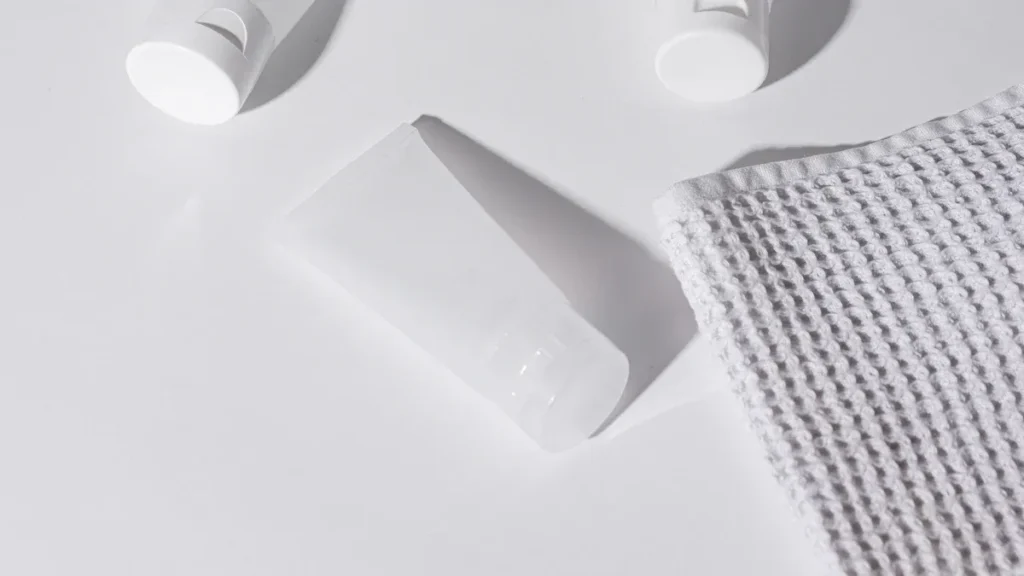
When you pick a material for your cosmetic tube, you have a few choices. Each choice has good and bad points. Let’s look at them so you can choose what fits your brand.
Plastic Tubes
Plastic tubes are used a lot in beauty products. They are light and bend easily. You can squeeze out almost all the product. Most plastic tubes have layers of different plastics. Some have a special EVOH layer. This layer helps stop oxygen and water from getting in. It keeps creams and lotions fresh longer. But plastic tubes do not block air and water as well as other types. If you want something cheap and strong, plastic tubes are a good pick. They come in many shapes and sizes. You can find one that matches your brand.
Tip: Ask your supplier for oxygen and moisture rates. This helps you know how well the tube protects your formula. Xinfly Packaging can help with this.
Aluminum Tubes
Aluminum tubes make your product look fancy. They protect your formula from light, air, and water better than most plastics. This is good for things like Vitamin C creams. Aluminum tubes are light, so shipping costs less. You can recycle aluminum many times and it stays strong. This is good if you want to show you care about the planet.
| Advantage | Description |
|---|---|
| Infinite recycling | Aluminum can be recycled again and again. Eco-friendly shoppers like this. |
| Product protection | Blocks light, water, and air to keep your product safe. |
| Lightweight for shipping | Aluminum is strong but light, so shipping is easier and cheaper. |
| Customization options | You can pick from many finishes and colors for a special look. |
| Luxurious feel | Aluminum feels fancy and can make your brand look better. |
Laminated & Bioplastic Tubes
Laminated tubes have layers of plastic and sometimes a thin aluminum sheet. Aluminum Barrier Laminate tubes give the best protection from air, water, and light. These are great for formulas that break down fast, like retinol or Vitamin C. Plastic Barrier Laminate tubes use only plastic layers. They work for most creams but do not protect as much as ABL tubes.
Bioplastic tubes are made from plants, not oil. Many brands like them because they can break down in compost. Bioplastics can lower greenhouse gases by up to 25% if used a lot. But they cost more and need special places to break down. Some bioplastics can cause more pollution when made because of farming. If you pick a compostable tube, tell your customers how to throw it away the right way.
| Aspect | Bioplastics | Traditional Plastics |
|---|---|---|
| Environmental Impact | Better for the earth, but farming can pollute more. | Regular plastics cause long-term waste. |
| Greenhouse Gas Emissions | Up to 25% less gas released. | Can be lower with clean energy. |
| Biodegradability | Can break down in compost, but needs special places. | Not compostable; ends up in trash dumps. |
| Cost | Costs 20-50% more. | Usually costs less. |
When you pick a tube material, think about what matters most for your brand. Do you want it to last, be good for the earth, or cost less? The right choice helps your product stand out and keeps your customers happy.
Choosing Empty Cosmetic Squeeze Tubes
Size & Shape
When you pick empty cosmetic squeeze tubes, size matters a lot. You want your product to fit the tube, but you also want it to feel right in your customer’s hand. Small tubes work best for lip balms and eye creams. These are easy to carry and let people use just a little at a time. Medium tubes, usually between 15ml and 50ml, are great for daily products like cleansers and serums. They give enough product for regular use but still fit in a purse or travel bag. Large tubes, over 50ml, are perfect for body lotions or products people use a lot. These tubes often have wider openings, so it’s easy to get the right amount out.
Shape also changes how people use your product. Cylindrical tubes are simple to hold and easy to make. Oval tubes stand out on the shelf and feel comfortable in your hand. Some tubes have special tips, like nozzles for spot treatments, roller balls for a gentle massage, or brush tips for makeup. These shapes help your customers use your product the way you want.
| Tube Shape | User Experience Impact |
|---|---|
| Cylindrical | Easy to manufacture and handle. |
| Oval | Provides ergonomic grip and stands out on shelves. |
Tip: If you want your product to look unique, try an oval tube or a special tip. Xinfly Packaging offers many shapes and sizes to match your brand.
Opening & Closure
The opening and closure of your squeeze tube can make a big difference. You want your customers to get the right amount of product without making a mess. The thread design on the tube neck helps keep the tube sealed tight. This stops leaks and keeps your formula safe.
There are many types of closures. Each one works best for different products:
| Closure Type | Description | Benefits | Best For |
|---|---|---|---|
| Disc Caps | Flat, circular closures with a small dispensing hole. | Compact, easy to use, minimal mess, tight seal for leak protection. | Hand creams, balms, smaller personal care products. |
| Twist-Up Caps | Caps that allow the tube to be twisted from the bottom to dispense product. | Easy dispensing, keeps tube neat, prevents wastage, often used for premium packaging. | High-end lotions, luxury skincare products. |
| Spout Caps | Feature a nozzle that opens with a squeeze. | Ideal for thicker products, controlled flow, often have tamper-evident seals. | Hair care products, sunscreens, thicker cosmetics. |
| Airless Pump Caps | Use a vacuum mechanism to dispense product without air exposure. | Keeps product fresh longer, hygienic, suitable for sensitive products. | Sensitive skincare products, luxury creams. |
You can also choose flip-top caps for everyday use, screw caps for a tight seal, or pump heads for more control and hygiene. Flip-top and snap-to caps make it easy to open and close the tube with one hand. This is great for people who are always on the go.
Note: The right closure keeps your product safe from leaks and germs. It also makes your product easier to use.
Finding the Right Cosmetic Tube
You want your customers to enjoy every drop of your product. The best empty cosmetic squeeze tubes let people use up to 95% of what’s inside. This means less waste and more value for your buyers. Squeeze tubes also help keep your product clean. The design stops air and germs from getting in, so your formula stays fresh longer.
When you choose a squeeze tube, think about these steps:
- Decide how much product you want in each tube. Tube diameters range from 13mm to 50mm, and volumes go from 5ml to 250ml. Small tubes work well for samples or travel. Standard sizes fit most retail products.
- Pick a shape and opening that match your product. Nozzle tips work for spot treatments. Roller balls give a massage feel. Brush tips help with makeup.
- Choose a closure that fits your product’s needs. Disc caps and flip-tops are easy for daily use. Airless pumps work best for sensitive creams.
- Make sure the tube material matches your formula. Some products need extra protection from air or light.
- Think about how the tube looks and feels. The appearance of your tube can attract new customers and build your brand.
Squeeze tubes made from recyclable materials also help the planet. Many shoppers look for eco-friendly packaging. If you want to stand out, try using tubes with high recycled content or mono-material designs.
Callout: Xinfly Packaging can help you test different tube sizes, shapes, and closures. You can request samples to see what works best for your product.
Choosing the right cosmetic tube is not just about looks. It’s about giving your customers a great experience and making sure they get the most out of your product. When you match the tube size, shape, and opening to your product, you help people use it easily and waste less. That’s a win for your brand and your customers.
Sustainability
Eco-Friendly Materials
You want your beauty brand to be special and help the earth. Using eco materials for cosmetic tubes is important. More brands now pick tubes made from recycled plastic, bioplastic, or compostable materials. These choices are better for the planet. They also show your customers that you care about the environment.
Let’s look at how different tube materials affect the earth:
| Type of Plastic | Carbon Footprint Impact | Source of Materials |
|---|---|---|
| Recycled Plastic | Lower impact because it uses old materials. | Made from waste materials. |
| Bioplastic | Higher impact because it needs new crops and makes more greenhouse gases. | Made from plants grown for this use. |
If you use recycled or bio content, you help cut down on waste. These tubes are easier to recycle. Biodegradable and compostable tubes break down faster. You need to tell customers how to throw them away the right way. Eco choices like these can help your brand look better. They also bring in more shoppers who care about the earth.
Reducing Waste
You can make less waste by picking smart packaging. Many beauty brands now use refillable tubes, simple packaging, and safe inks. These steps help the earth and make your product look good.
- Refillable packaging lets people use the same tube again. This means less trash.
- Simple packaging uses fewer materials. Lush even sells some products with no packaging.
- Safe inks, like those from Aveda, make recycling easier and hurt the earth less.
Here’s how people feel about eco packaging:
| Evidence | Description |
|---|---|
| 92% of shoppers | Say that being eco-friendly matters when picking a brand. |
| Increased loyalty | People stick with brands that care about the earth. |
| Demand for sustainable packaging | More people want eco packaging because of changing trends. |
You can also make recycling easier by using mono-material tubes. This helps everyone recycle better. Xinfly Packaging has eco tubes that fit these needs. When you use eco materials and make less waste, you help the earth. You also build trust with your customers. Your beauty brand becomes a leader in caring for the planet.
Branding & Customization
Design & Color
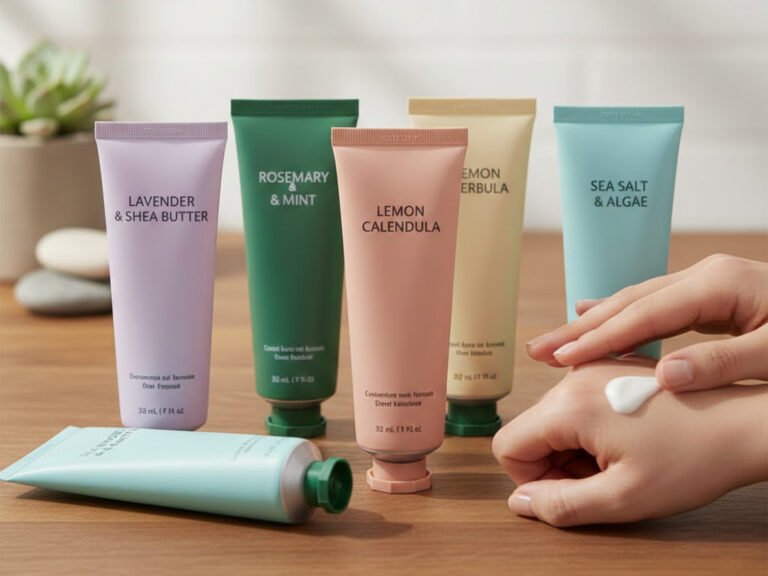
Your cosmetic tube’s design and color do more than just look pretty. They help your product stand out on the shelf and connect with your customers. Over 60% of shoppers say they notice cosmetic products because of the packaging color. About 30-40% even decide to buy based on the color alone. That means your choices matter a lot.
- Unique, bright colors grab attention fast.
- Colors can show feelings. Red feels bold and passionate. Pink feels soft and romantic.
- Color can help people remember your brand.
- The right color shows what your product is about and what it’s worth.
- Many people pick colors that match their own style or mood.
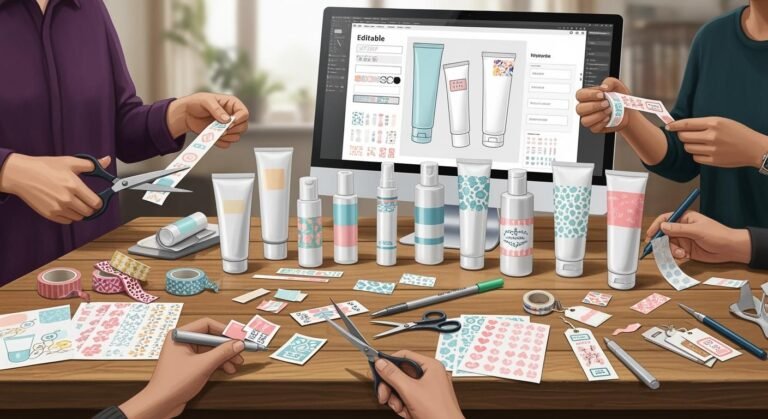
You can use strong-contrast colors for a lively look. If you want something calm and classy, try simple designs with gentle colors. Some brands use artistic drawings to make their packaging feel special. When you work with a company like Xinfly Packaging, you get help picking the best design and color for your brand.
Tip: Think about how your tube will look next to others. A great design can make your product the first one people reach for.
Printing & Decoration
Printing and decoration turn your tube into a work of art. You have many ways to make your packaging pop and last a long time. Here are some top choices:
| Printing Method | Features | Durability | Visual Appeal |
|---|---|---|---|
| Silk Screen Printing | Bold logos, solid colors, raised texture | Very durable | Textured, stands out |
| Offset Printing | Great for big orders, many colors | Cost-effective | Smooth, photo-like finish |
| Hot Stamping | Shiny gold, silver, or holographic details | Luxurious look | Perfect for logos |
| Heat Transfer Printing | Full-color images, perfect gradients | Sharp details | Bright, clear designs |
| Digital Printing | Fast, good for small batches or samples | Quick turnaround | Lets you personalize each tube |
You can also add special touches:
- Embossing or debossing gives a raised or pressed feel.
- Pearl or iridescent effects add shimmer.
- Gradient coloring makes modern, eye-catching looks.
- Soft-touch coating feels smooth and fancy.
- Transparent or frosted finishes show off your formula.
- Metallic layers reflect light for a luxury vibe.
When you choose the right printing and decoration, your tube feels high-quality and unique. Xinfly Packaging offers all these options, so you can create a tube that matches your vision. Your design choices help your product shine and make customers remember your brand.
Cost & Supplier
Price vs. Quality
When you buy empty cosmetic squeeze tubes, price is important. But quality is even more important for your brand. Good packaging keeps your formula safe and looks nice. Cheap tubes might break or leak. This can make your brand look bad. High-quality tubes last longer and protect your product better. There are many choices, and each one changes the price.
Here are some things that change the cost:
| Feature | Details |
|---|---|
| Material | High-quality plastic (PE, PP, PET), aluminum, laminated materials |
| Available Sizes | Custom sizes available |
| Capacity | 5ml to 300ml |
| Customization | Custom sizes, styles, colors, and printing available |
| Coating Options | Gloss, matte, spot UV |
| Printing | Full-color, single-color, offset, silk screen |
| Cap Types | Flip-top, screw-on, snap-on, nozzle, custom caps |
Special coatings, bright printing, and custom caps cost more. Aluminum tubes are more expensive than plastic ones. They also look and feel fancier. Custom shapes and colors help your product stand out. But these extras add to the price. You need to think about your budget and your brand’s look. Xinfly Packaging has many options. You can find a good balance between price and quality.
Tip: Don’t just pick the cheapest tube. Choose packaging that fits your product and your brand’s style.
Sample Testing
You should test samples before buying lots of tubes. This helps you check if the tube works well with your formula. Good suppliers, like Xinfly Packaging, let you order samples first. You can squeeze, open, and close the tube to see how it feels. You can also test if it keeps your product safe.
Cosmetic brands look at these things when picking a supplier:
| Key Factor | Description |
|---|---|
| Regulatory Compliance | Follows rules like the U.S. FDA and EU EC Regulation 1223/2009 |
| Good Manufacturing Practices | Uses safe methods to prevent contamination |
| Robust Testing Programs | Tests raw materials and finished tubes for safety |
| Supply Chain Transparency | Shares info about sourcing and manufacturing |
| Traceability | Tracks where materials come from |
| Technology in Transparency | Uses tools like QR codes for easy product info |
You want a supplier who follows safety rules and tests their products. You also want to know where the materials come from. Xinfly Packaging meets these standards and helps you feel sure about your choice.
Note: Always ask for samples and check the supplier before buying a lot. This keeps your brand safe and your customers happy.
Choosing the right cosmetic squeeze tube helps your product shine and builds trust with your customers. Here are the key steps experts suggest:
- Pick strong, safe materials that fit your formula.
- Choose the right size and shape for your product.
- Select easy-to-use caps or nozzles.
- Make sure the tube protects against air, light, and moisture.
- Match the design and color to your brand.
A tube that matches your brand’s look makes your product stand out and keeps shoppers coming back. Always ask for samples from suppliers like Xinfly Packaging. The right tube can turn first-time buyers into loyal fans!
Empty Cosmetic Squeeze Tubes – Frequently Asked Questions
Choose the right tube by balancing material & barrier, capacity & diameter, orifice & tip, closures, printing/finishes, sustainability, QA, MOQ/lead time and cost control.
1) Which materials are best for empty squeeze tubes?
2) How do I match the tube to my formula?
3) What capacities and diameters are typical?
4) How do I choose the orifice size and dispensing tip?
5) Which closures work best?
6) What printing and finishes elevate branding?
7) How can I keep the tube sustainable?
8) What tests are essential before mass run?
9) What are typical MOQ and lead time?
10) How do I brief suppliers for accurate quotes?
11) What drives cost—and easy ways to reduce it?
12) Any labelling & compliance tips?
Ready to customize your packaging? Contact our team for detailed pricing, MOQ flexibility, and fast production samples.