
Is AI the Key to Faster and Smarter Cosmetic Tube Packaging Development?

The cosmetic industry has always been about beauty, innovation, and consumer appeal. But in today’s fast-paced digital world, the role of Cosmetic Tube Packaging AI is growing rapidly. What once took months of brainstorming with designers, multiple prototypes, and countless revisions can now be accelerated with AI-powered Cosmetic packaging tools.
Brands no longer see AI as a futuristic luxury—it’s becoming a practical necessity. Think of it as the beauty consultant behind the scenes, helping companies refine their Cosmetic Tube designs, generate fresh Cosmetic Tube themes, and even provide ready-to-use Cosmetic Tube templates.
And when we talk about AI’s practical application in the cosmetic world, one name stands out: Xinfly Packaging. As a pioneer in packaging innovation, Xinfly is helping brands merge tradition with AI-driven creativity.
So, is AI really the golden key to faster and smarter cosmetic packaging development? Let’s dive deep.
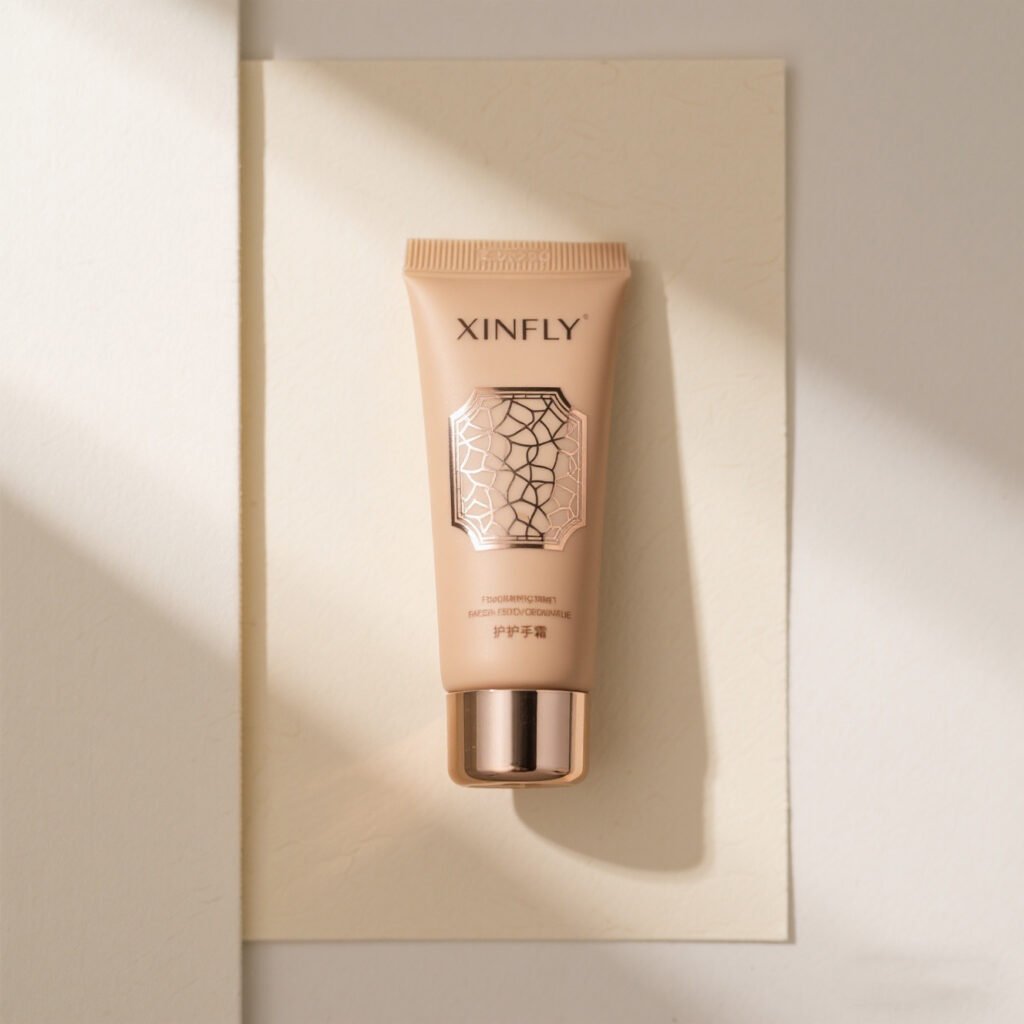
The Rise of AI in Cosmetic Packaging
The cosmetic industry thrives on trends, consumer demands, and sustainability goals. Traditional design processes often fall short of keeping up. That’s where AI cosmetic packaging design is transforming the game.
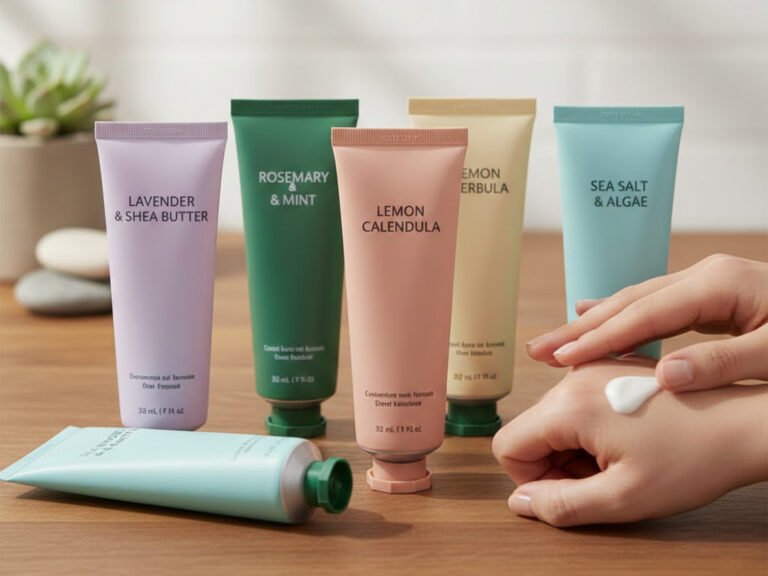
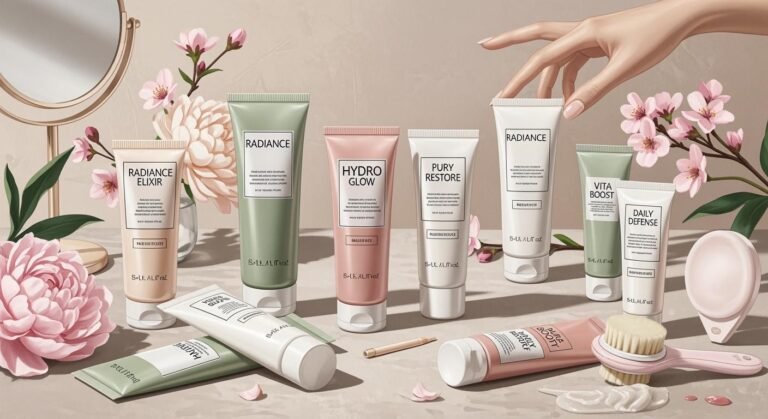
AI tools analyze thousands of design inspirations, market trends, and consumer data in seconds. What would take a team of designers weeks can now be done in minutes. Imagine telling an AI system: “Design a premium skincare tube with eco-friendly appeal, inspired by Japanese minimalism,” and receiving 20 cosmetic tube design AI options instantly.
It’s not about replacing designers—it’s about supercharging them.
Why Cosmetic Brands Are Turning to AI
1. Speed Meets Precision
Cosmetic companies live in a competitive world where time-to-market is critical. Design Cosmetic Tube AI systems drastically reduce design turnaround times while ensuring precise alignment with brand values.
2. Consumer-Centric Customization
AI studies consumer preferences and suggests Cosmetic Tube themes that resonate with different demographics. A youthful, vibrant look for Gen Z? A minimalist, luxury-inspired design for millennials? Done in a snap.
3. Sustainability by Default
Today, eco-conscious packaging is not optional—it’s expected. AI analyzes material efficiency, suggesting biodegradable and recyclable solutions, which is crucial for future-proofing cosmetic packaging.
How AI Streamlines the Cosmetic Tube Design Process
AI isn’t just about spitting out images. It supports the entire pipeline:
Step 1: Idea Generation
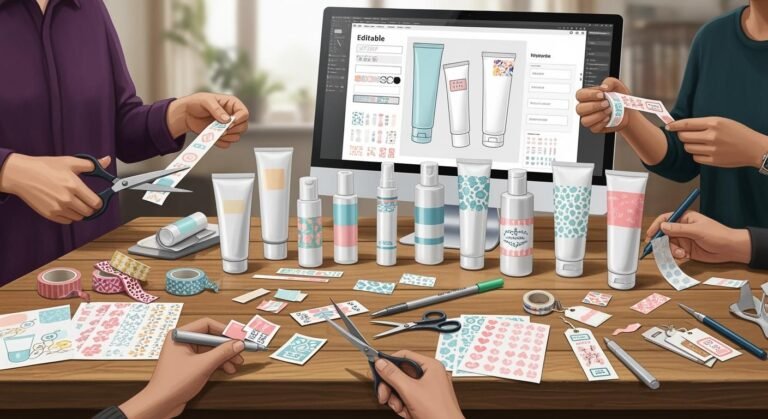
AI tools create multiple Cosmetic Tube templates based on mood boards, keywords, and cultural references.
Step 2: Smart Prototyping
Through 3D rendering, brands can instantly see how a tube will look on shelves or in a digital campaign.
Step 3: Testing & Feedback
Machine learning evaluates consumer reactions via online surveys, AR try-ons, or even social media simulations.
Step 4: Manufacturing Alignment
AI aligns design choices with real-world production capabilities—reducing wasted materials, costs, and time.
Case Study: Xinfly Packaging’s AI-Powered Innovation
Xinfly Packaging is at the forefront of AI-enabled packaging. By integrating AI cosmetic tube design, Xinfly helps beauty brands develop packaging that looks amazing while being sustainable and functional.
For example, one of their clients, a skincare startup, needed eco-conscious tubes that felt luxurious. With cosmetic packaging design AI, Xinfly generated multiple concepts—balancing aesthetics, material science, and shelf appeal. The final design used a bio-based laminate material, saving costs and boosting the brand’s green reputation.
This case demonstrates that AI doesn’t just create pretty visuals; it influences real-world manufacturing decisions.
Comparing Traditional vs. AI-Driven Packaging Development
| Feature | Traditional Design | AI-Driven Design |
|---|---|---|
| Time to Market | 6–12 weeks | 2–4 weeks |
| Creativity | Dependent on team | AI + human creativity blend |
| Cost Efficiency | High iterations = costly | Optimized iterations reduce costs |
| Consumer Insights | Post-launch research | Pre-launch predictive insights |
| Sustainability | Manual research | AI-suggested eco-materials |
The difference is clear: cosmetic tube design AI is the accelerator brands have been waiting for.
Consumer Perception of AI Packaging
Consumers are surprisingly receptive to AI-driven cosmetic packaging. Why? Because it leads to more personalized, trend-aware, and sustainable designs.
Shoppers aren’t thinking, “Was this tube designed by a human or AI?” They’re thinking, “This looks great, feels eco-friendly, and reflects me.”
Market Insights: Who’s Winning with AI Packaging?
Global beauty giants like L’Oréal and Estée Lauder are experimenting with AI cosmetic packaging design, but smaller brands are catching up too. Indie beauty startups find AI an equalizer—it gives them access to premium design capabilities without hiring massive creative teams.
Companies partnering with firms like Xinfly Packaging can leapfrog into competitive markets by combining high-tech design processes with efficient production.
The Future of AI in Cosmetic Tube Packaging
So, where’s this all heading? Expect more integration of:
- AI + AR: Try before you buy packaging visualization.
- Hyper-personalization: Packaging that adapts to customer preferences in real-time.
- Green-first AI: Automatic suggestions for biodegradable materials.
- On-demand packaging: Instant, AI-created designs ready for print.
Simply put, the role of AI-powered Cosmetic packaging is only just beginning.
Conclusion: The Smarter Future of Cosmetic Packaging
AI is no longer an optional tool—it’s the backbone of modern cosmetic packaging development. From accelerating Cosmetic Tube designs to generating sustainable Cosmetic Tube themes, AI allows brands to move faster, smarter, and greener.
Companies like Xinfly Packaging prove that AI isn’t just a flashy tech trend—it’s a practical, game-changing solution. Whether you’re a global beauty giant or a rising indie brand, embracing cosmetic tube design AI is like giving your business a competitive edge that traditional processes simply can’t match.
So yes, the future is clear: AI is the key to faster and smarter cosmetic tube packaging development.
AI for Cosmetic Tube Packaging – Frequently Asked Questions
See how AI accelerates discovery → design → DFM → sampling → launch for PE/COEX/PBL/ABL tubes: timeline cuts, cost control, color accuracy, sustainability and e-commerce performance.
1) How exactly does AI speed up tube development?
2) Which packaging tasks benefit most from AI?
3) Can AI work with real dielines and print specs?
4) Does AI help choose materials (PE, COEX/EVOH, PBL, ABL)?
5) What about orifice size and wiper matching?
6) Can AI make sustainability claims safer?
7) How does AI improve color accuracy?
8) Can AI predict which design will sell better?
9) Does AI handle e-commerce durability concerns?
10) Will AI replace human packaging engineers?
11) What files do I get from an AI-assisted workflow?
12) How do I keep outputs on brand?
13) Is data privacy a concern?
14) How quickly can sampling start with AI concepts?
15) Why partner with Xinfly Packaging for AI-driven development?
Ready to customize your packaging? Contact our team for detailed pricing, MOQ flexibility, and fast production samples.