
Monolayer vs Multilayer Cosmetic Tubes A Guide to Making the Right Choice

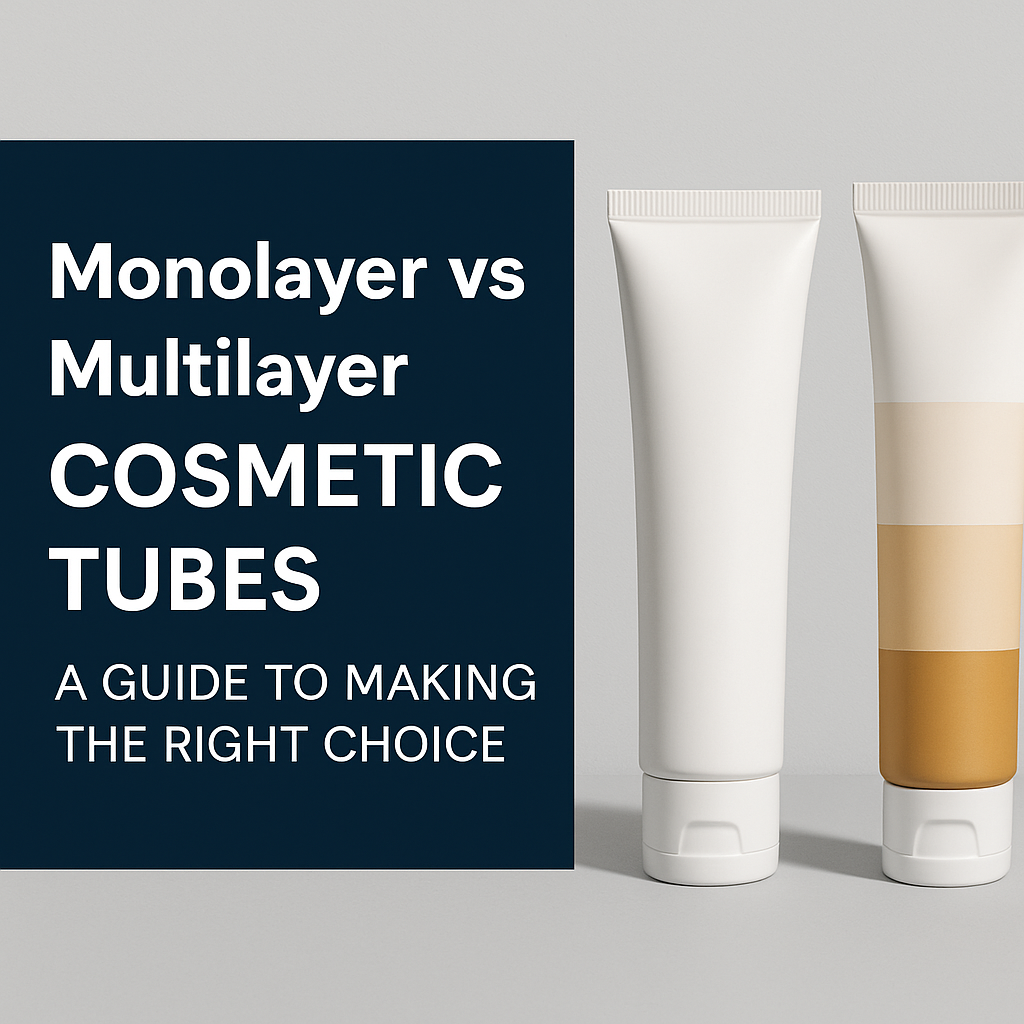
When selecting cosmetic packaging for your product, it’s essential to consider what matters most to you. The choice between Monolayer vs. Multilayer tubes can significantly impact your packaging decision. Monolayer tubes are made from a single material, offering flexibility and an eco-friendly option at a lower cost. In contrast, Multilayer tubes consist of multiple layers that provide enhanced protection, making them ideal for specific cosmetic requirements. If your product contains potent ingredients or needs a longer shelf life, opting for multilayer tubes is advisable. Many brands weigh factors such as cost, protection, flexibility, sustainability, and aesthetics when making their choice. Ultimately, deciding between Monolayer vs. Multilayer tubes involves aligning your packaging with your brand’s goals and needs. This guide is designed to assist you in quickly selecting the best custom cosmetic tube for your product.
Key Takeaways
- Choosing between Monolayer vs. Multilayer tubes impacts cosmetic packaging decisions significantly.
- Monolayer tubes offer cost savings and eco-friendliness but have limited barrier protection and shorter shelf life.
- Multilayer tubes provide enhanced protection, making them ideal for sensitive formulations with longer shelf life requirements.
- When selecting tubes, consider factors like formula sensitivity, shelf life, sustainability goals, and budget.
- Understanding these differences helps brands select the best cosmetic packaging to meet their needs.
Monolayer Cosmetic Tube Overview
What Is a Monolayer Tube
If you pick a monolayer cosmetic tube, it has just one layer. Most monolayer tubes use polypropylene. This material is safe and meets FDA rules. Monolayer tubes are made in several steps. First, the raw material gets heated and shaped into tubes. Next, the tube cools down and forms its shape. Printing puts your brand’s design on the tube. Capping closes the tube so you can use it. The last step seals the tube to keep your product safe.
| Material Type | Description |
|---|---|
| Polypropylene (PP) | Main material in monolayer tubes. It is safe and follows FDA rules. |
| High-Density Polyethylene (HDPE) | Used in other tubes, not usually in monolayer tubes. |
| Low-Density Polyethylene (LDPE) | Found in other tubes, not the main choice for monolayer tubes. |
| Barrier Options | Extra protection can use EVOH, foil, or aluminum for safety. |
Monolayer Advantages
Cost and Eco-Friendliness
If you want to spend less on packaging, monolayer tubes are a good pick. They use less material and are easy to make, so you save money. If you care about the planet, monolayer tubes help your brand be green. They lower pollution and help with your eco goals. Aluminum monolayer tubes are special because you can recycle them over and over. They do not lose quality when reused. This helps you attract customers who want eco-friendly tubes.
- Monolayer tubes help you make less pollution.
- They keep your packaging strong and nice looking.
- Aluminum tubes can be recycled many times and stay good.
- You can show your brand cares about the planet and get green buyers.
Flexibility and Softness
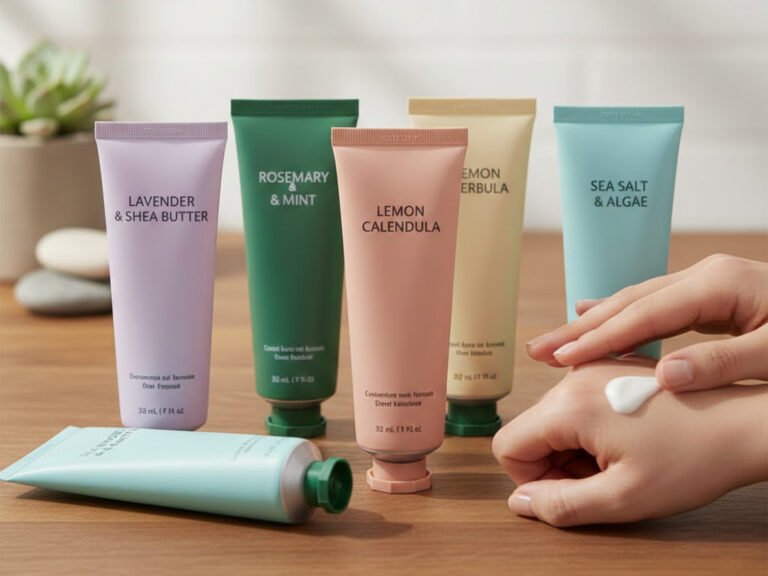
Monolayer cosmetic tubes feel soft and bend easily. You can squeeze them without trouble. The single layer lets the tube bend and go back to shape. You get a smooth feel when you use your product. Many brands pick monolayer tubes for lotions, creams, and gels because they are flexible.
Monolayer Limitations
Barrier Protection
Monolayer tubes do not block air, water, or light very well. The single layer does not protect as much as multilayer tubes. If your product is sensitive, it may not stay fresh. Some monolayer tubes add EVOH, foil, or aluminum to help, but they still do not work as well as multilayer tubes.
Shelf Life
Monolayer tubes do not keep products fresh for a long time. The weak barrier means your product may spoil faster. If you want to pack items with strong ingredients or things that go bad quickly, you should look for other tubes.
| Type | Monolayer Tube | Multilayer Tube |
|---|---|---|
| Shelf Life | Shorter | Longer |
| Barrier Properties | Limited | Superior |
Tip: If you want cheap, bendy, and eco-friendly tubes for less sensitive products, monolayer tubes work well. If you need strong protection and longer shelf life, pick multilayer tubes.
Best Uses for Monolayer
Monolayer cosmetic tubes work for many products. You see them in beauty creams and personal care items. They are also used for healthcare products. These tubes are good for formulas that do not need strong protection. Air and light do not hurt these products much. Monolayer tubes are great for lotions, gels, and creams that stay stable.
- Beauty creams
- Personal care products
- Healthcare products
Monolayer tubes feel soft and bend easily. You can squeeze them and get just the right amount. This makes them good for things you use every day. The tubes look clean and simple. Many brands use them to show their products are easy and friendly for the planet.
You can make your brand stand out with special materials. Aluminum, bioplastics, and kraft paper look and feel fancy. You can pick simple designs that look elegant and attract luxury buyers. Some brands add gold or shiny details for a high-end look. You can emboss or deboss your logo for a special touch.
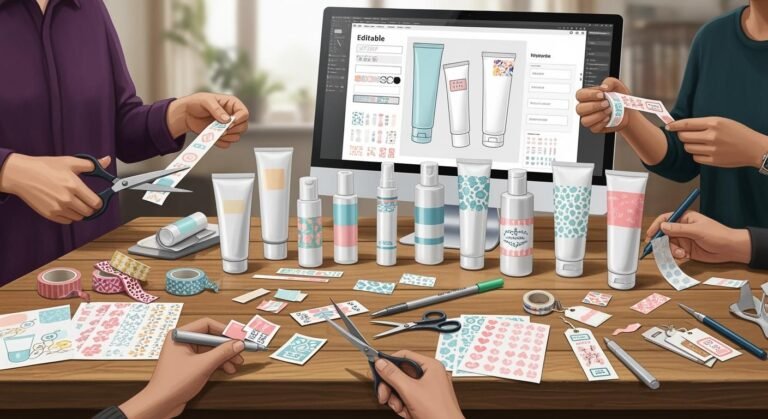
Tip: Custom shapes and caps make your tube look unique. Advanced printing helps your design stand out. You can make limited editions for special launches and personalize your tubes.
Here is a table that shows how brands use monolayer tubes for different strategies:
| Brand Strategy | How Monolayer Tubes Help |
|---|---|
| Premium Materials | Use aluminum or bioplastics for luxury feel |
| Minimalist Elegance | Clean designs show sophistication |
| Metallic Accents | Gold details add a high-end effect |
| Embossed Logos | Textured logos create a tactile experience |
| Unique Shapes & Caps | Custom designs make your product stand out |
| Sustainable Luxury | Eco-friendly tubes attract modern buyers |
| Custom Printing | Advanced techniques create eye-catching looks |
| Personalization | Limited editions feel exclusive |
| Transparency Effects | Clear tubes show off your product |
| Quality Supplier Partnerships | Ensure luxury designs are well made |
Monolayer tubes help you match your brand’s values. If you care about the planet, pick eco-friendly materials. If you want a modern look, choose simple designs. Monolayer tubes let you balance cost, style, and being green. You get packaging that fits many products and helps your brand grow.
Multilayer Cosmetic Tube Overview
What Is a Multilayer Tube
If you pick a multilayer cosmetic tube, it has many layers. Each layer does something important. Two-layer tubes use PE material for basic protection. Five-layer tubes add EVOH to block oxygen and moisture. This helps your product stay fresh longer. Five-layer tubes are common in high-performance cosmetic packaging.
Here is a table that shows what each material does:
| Material | Function |
|---|---|
| PE (Polyethylene) | Makes the outside and inside of the tube strong. |
| EVOH (Ethylene-Vinyl Alcohol Copolymer) | Blocks oxygen and moisture to keep products fresh. |
Multilayer tubes use PE for strength and EVOH for better protection. These tubes keep sensitive formulas safe.
Multilayer Advantages
Enhanced Barrier Protection
Multilayer tubes protect against air, water, and light. The barrier layer, like EVOH or aluminum foil, keeps your product safe. Five-layer tubes are best for formulas that need extra care. The outside layer is tough and can show your brand. Adhesive layers hold the tube together. The inside layer touches your product and keeps it stable.
Here is how each layer works in a five-layer tube:
| Layer Type | Function |
|---|---|
| Outer Layer | Makes the tube strong and lets you add your brand. |
| Adhesive Layer | Sticks the layers together. |
| Barrier Layer | Stops air and keeps ingredients safe. |
| Adhesive Layer | Adds more strength to the tube. |
| Inner Layer | Touches your product and keeps it safe. |
Multilayer tubes block gas well. Your product stays fresh and does not lose ingredients. The strong design makes the tube tough. You can use these tubes for many products that need good protection.
Shelf Life and Stability
If you want your product to last longer, use multilayer tubes. Five-layer tubes block oxygen and moisture. This keeps ingredients safe and formulas stable. Multilayer tubes help stop spoilage and keep your product safe for months. You get good performance and better results.
Multilayer Limitations
Cost Factors
Multilayer tubes cost more than monolayer tubes. They use more materials and need harder steps to make. Prices for things like aluminum foil and special films can change fast. Printing and new designs can make tubes cost even more. If you want to save money, pick simple tube designs.
Recycling Challenges
Multilayer tubes are harder to recycle than monolayer tubes. You must separate each layer, which takes time and work. The mix of materials makes recycling tough. This can cause more pollution and hurt the environment. Monolayer tubes are easier to recycle and better for the planet.
Here is a table that compares recycling problems:
| Type of Tube | Recycling Challenges | Environmental Impact |
|---|---|---|
| Multilayer Tubes | Hard to recycle because of many layers and glue. | More pollution and harm to the environment. |
| Monolayer Tubes | Easy to recycle because they use one material. | Better for the planet. |
Tip: If you need strong protection and longer shelf life, pick multilayer tubes. If you want easy recycling and lower costs, monolayer tubes are better.
Best Uses for Multilayer
You want your products to stay fresh and safe. Multilayer tubes give strong protection. These tubes block air, water, and light well. They work best for items that spoil fast or have special ingredients.
Here are some top ways to use multilayer tubes:
- Premium skincare products
- Anti-aging creams
- Medicinal formulas needing extra protection
- High-end serums and gels
Multilayer tubes help creams and gels last longer. They keep oxygen and moisture out. This means your product stays strong and works well. If you sell special products, multilayer tubes make your brand stand out.
Many brands pick multilayer tubes for these reasons:
- They keep formulas safe from damage.
- They help products last longer on shelves.
- They make packaging look and feel fancy.
Note: Fancy skincare brands often use multilayer tubes. This shows their products are high quality. This packaging helps attract customers who want the best.
You see multilayer tubes in many places. They are common in stores with luxury beauty items. You find them in products that promise good results. If your formula is sensitive or costs a lot, think about using multilayer tubes.
Here is a quick table to help you decide if multilayer tubes are right for you:
| Product Type | Why Choose Multilayer Tubes? |
|---|---|
| Premium Skincare | Keeps ingredients fresh and active |
| Anti-Aging Creams | Stops air and light from breaking down formula |
| Medicinal Formulations | Gives advanced protection from outside factors |
| High-End Serums and Gels | Maintains product quality and appeal |
If you want your product to last, look nice, and stay safe, multilayer tubes are a smart pick. They give you peace of mind and help your brand shine in busy stores.
Monolayer vs. Multilayer Comparison
Protection and Barrier
When you look at monolayer and multilayer cosmetic tubes, you see big differences. Monolayer tubes have one layer. This layer gives basic protection. It helps block some air and water. But it does not block much. If you use monolayer tubes for sensitive products, they may not last long. Oxygen and water can get through and spoil your product.
Multilayer tubes have many layers. Each layer does something important. The main layer makes the tube strong. The barrier layer, like EVOH or foil, blocks air and water. Laminated tubes mix materials for a strong barrier. These tubes protect your products from light, air, and water. Multilayer tubes work better for formulas that need extra care. The layers make the tube tough and keep your product safe.
Tip: If you want your product to stay fresh, multilayer tubes give the best protection.
Cost Analysis
You should think about cost when picking tubes. Monolayer tubes cost less. You can buy small amounts and pay less for each tube. Multilayer tubes cost more because they use more layers and special materials. You need to buy more tubes at once, and each tube costs more. The extra layers make the price go up.
Here is a table that shows the cost difference:
| Tube Type | Minimum Order Quantity (MOQ) | Unit Cost Comparison |
|---|---|---|
| Monolayer Tubes | 10,000–50,000 units | Lower than multilayer |
| Multilayer Tubes | 100,000+ units | Higher due to features |
If you want to save money, monolayer tubes are a good choice. If you need strong protection, you may pay more for multilayer tubes. You need to balance your budget with your product’s needs.
Sustainability Impact
If you care about the planet, you should look at how tubes are made. Monolayer tubes use one material. This makes recycling easy. Green PE monolayer tubes can be recycled. They help remove up to 2.15 metric tons of CO2 for every ton made. True mono-material tubes, like PP, have the lowest carbon footprint by weight. All PE tubes help with your green goals.
Multilayer tubes use many layers. Some use PCR materials. These tubes are only partly recyclable. The mix of layers makes recycling hard. Multilayer tubes with PCR still lower the carbon footprint, but they lose some strength. You must choose between easy recycling and better protection.
Here is a table that shows the environmental impact:
| Tube Type | Recyclability | Carbon Footprint Impact |
|---|---|---|
| Monolayer (Green PE) | Fully recyclable | Removes up to 2.15 metric tons of CO2 per ton produced |
| Multilayer (with PCR) | Partially recyclable | Slightly less polymer strength, but reduces carbon footprint |
| True Mono-material (PP) | Fully recyclable | Lowest CO2 emissions by weight of all plastics |
| All PE | Fully recyclable | Aligns with sustainability commitments |
Note: If you want eco-friendly tubes, monolayer tubes are the best pick. If you need strong protection, multilayer tubes work well, but recycling is harder.
Shelf Life
Shelf life matters when you choose cosmetic packaging. You want your product to stay fresh and safe for as long as possible. Monolayer tubes give you basic protection. These tubes work well for products that do not spoil quickly. You can use monolayer tubes for lotions, creams, and shampoos. These formulas do not break down fast. You get a shorter shelf life with monolayer tubes because air and moisture can pass through the single layer.
Multilayer tubes help your product last longer. These tubes use several layers to block air, water, and light. The barrier layer, such as EVOH or aluminum, keeps your formula safe. You can pack sensitive products in multilayer tubes. These tubes protect ingredients that spoil or react with oxygen. You see longer shelf life for serums, anti-aging creams, and sunscreens in multilayer tubes.
You should think about how long you want your product to stay fresh. If you sell items that need to last for months or years, multilayer tubes give you better results. If your formula is stable and does not need strong protection, monolayer tubes work well.
Tip: Always check your formula’s needs before picking a tube. Shelf life depends on how much protection your product requires.
Tube Selection Guide
Assess Formula Sensitivity
Think about how sensitive your formula is before picking a tube. Some formulas react to air, light, or water. Others need extra care because they have active ingredients. If your product has strong or delicate ingredients, you need tubes that protect them.
Here are things to think about for formula sensitivity:
- Osmolality is important. Isotonic formulas are gentle for skin.
- Delivery systems change how your product works. Open tubes let in air. Closed tubes keep air out.
- Fiber content matters for products that help skin health.
- Formula composition is key. Polymeric, peptide-based, or modular formulas need special tubes.
- Vitamins, minerals, and electrolytes must stay safe. The right tube keeps them stable.
- Disease-specific formulas need more protection. These help with special skin problems.
If your product has sensitive ingredients, pick multilayer tubes. These tubes block air and light better. They help keep your formula fresh and safe.
Tip: Always check what your formula needs. Sensitive formulas need strong protection from the right tube.
Determine Shelf Life Needs
Shelf life means how long your product stays safe and works well. You want your product to last until customers finish using it. Tube packaging protects your product from air, light, and germs. This keeps your formula strong and stable.
Shelf life is the time your product stays good and safe. You must show this on your packaging. Look for these signs:
| Requirement | Description |
|---|---|
| Minimum Shelf Life Date | Show this with an hourglass symbol or the words ‘Best before…’ on the tube. |
| Post-Opening Period (PaO) | Use an open jar symbol and show how many months or years the product lasts after opening. |
| Exemptions | Single-dose tubes, aerosols, and low-risk products do not need a PaO symbol. |
Pick tubes that match your shelf life needs. If your formula spoils fast, multilayer tubes protect better. If your product is stable, monolayer tubes work fine.
- Tube packaging keeps your product safe from air and light.
- It helps your product stay strong and fresh longer.
- Good packaging means happy customers and better results.
Note: Always check how long your product needs to last. The right tube helps you follow shelf life rules and keeps customers safe.
Evaluate Sustainability Goals
Think about your sustainability goals when picking cosmetic tubes. Many customers care about the planet. They want brands to use eco-friendly packaging. You can choose tubes with special certifications to show you care.
Look for these certifications:
- Compostable certifications like ABA, TUV, and BPI show your tube breaks down safely.
- TUV certification checks how fast the tube breaks down and if it is safe for nature.
- ABA certification makes sure your tube is good for the environment.
- BPI certification looks at how well your tube breaks down and its effect on the planet.
If you want to meet your sustainability goals, pick tubes that are easy to recycle or compost. Monolayer tubes are often better for the environment. They help show your brand cares about nature.
Tip: Pick tubes with trusted certifications. This helps you reach your sustainability goals and attract buyers who care about the planet.
Consider Budget
You need to think about your budget before you choose a cosmetic tube. The cost of packaging can change how much profit you make. Monolayer tubes usually cost less. They use one material and simple steps to make. You can order fewer tubes and pay a lower price for each one. Multilayer tubes cost more. They use special materials and more steps to build. You often need to order more tubes at once, and each tube costs more.
Here is a table that shows the main cost differences:
| Tube Type | Typical Minimum Order | Unit Cost | Production Complexity |
|---|---|---|---|
| Monolayer | 10,000–50,000 units | Lower | Simple |
| Multilayer | 100,000+ units | Higher | Complex |
If you want to save money, monolayer tubes help you keep costs low. You can start with a small order and test your product in the market. If you need strong protection and a longer shelf life, you may need to spend more on multilayer tubes. These tubes work best for products with sensitive formulas or high value.
Tip: Always match your packaging budget to your product goals. If you plan to launch a luxury item, spending more on multilayer tubes can help your brand stand out. If you want to offer affordable products, monolayer tubes are a smart choice.
You should also think about extra costs. Printing, custom shapes, and special caps can make tubes cost more. Decide what matters most for your brand. Pick the tube that fits your budget and helps you reach your goals.
Real-World Applications
Monolayer Cosmetic Tube Examples
Common Products
Monolayer tubes are used in many products you see every day. These tubes work best for things that do not need a lot of protection. You can find them in:
- Hand creams
- Body lotions
- Hair gels
- Toothpaste
- Sunscreens
Monolayer tubes keep these items safe and simple to use. They feel soft and are easy to squeeze. The design is simple, which makes them good for daily care. You can get the right amount out each time.
Brand Cases
Lots of brands pick monolayer tubes for their products. For example, one skincare brand uses them for gentle face wash. The tube feels soft and looks nice on the shelf. Another brand uses monolayer tubes for eco-friendly hand cream. This shows the brand cares about the planet.
Tip: If your product does not spoil fast, monolayer tubes help you save money and be green.
A famous toothpaste company uses monolayer tubes for its classic toothpaste. The tube keeps the paste fresh and easy to use. You also see travel-size lotions in monolayer tubes from big brands. These tubes are light and easy to recycle.
Multilayer Cosmetic Tube Examples
Common Products
Multilayer tubes are used for products that need more protection. You can find these tubes in:
- Anti-aging creams
- Vitamin C serums
- Prescription ointments
- High-end sunscreens
- Whitening toothpastes
These tubes keep air and light away from the product. The extra layers help the formula last longer and stay strong.
Brand Cases
Luxury brands often use multilayer tubes for their best products. A famous anti-aging cream comes in a five-layer tube. This tube keeps the cream fresh and powerful. Another skincare brand uses multilayer tubes for vitamin-rich serum. The tube blocks oxygen and keeps the serum safe.
Note: If your product needs strong protection, multilayer tubes are a smart choice.
A top pharmaceutical company uses multilayer tubes for medicated ointment. The tube keeps the medicine safe and ready to use. You also see premium whitening toothpaste in multilayer tubes. The tube helps the formula stay good until the end.
| Product Type | Tube Type | Why Brands Choose It |
|---|---|---|
| Hand Cream | Monolayer | Soft, eco-friendly, easy to squeeze |
| Anti-Aging Cream | Multilayer | Strong barrier, longer shelf life |
| Toothpaste | Monolayer | Simple, cost-effective, recyclable |
| Vitamin C Serum | Multilayer | Protects sensitive ingredients |
| Medicated Ointment | Multilayer | Keeps formula stable and safe |
You can look at these real-life examples to help pick the right tube. This helps you choose the best packaging for your brand and your customers.
You have learned how monolayer and multilayer cosmetic tubes are different. Monolayer tubes bend easily and help the environment. Multilayer tubes keep products safe and last longer. To pick the best tube, use these steps: Check if your formula is sensitive. Think about how long your product should stay fresh. Set goals for helping the planet. Make sure your choice fits your budget and brand look.
Tip: If you want more advice, ask packaging experts or read supplier guides for more help.
Frequently Asked Questions
Key questions about selecting the right tube diameter for your cosmetic packaging—balance usability, fill-volume, shelf presentation, cost, and manufacturing constraints.
Q1How does tube diameter impact fill volume and feel?
Q2What are common diameters for cosmetic tubes?
Q3How does diameter influence printing and decoration?
Q4Does diameter affect manufacturing cost?
Q5How do I choose diameter for sample vs full-size tubes?
Q6Should I consider diameter when planning sustainability or recyclability?
Q7What role does logistics play in diameter selection?
Q8Can I mix diameters within one brand range?
Q9How do I validate my diameter choice before mass production?
Q10How can Xinfly Packaging help me choose the right tube diameter?
Ready to finalise your tube diameter & size?
Send us your product volume, target finish, cap style and budget — Xinfly Packaging will propose optimal diameter, wall thickness and decoration for your cosmetic tube.