
Offset Printing for Cosmetic Tube Packaging: The Professional’s Guide to Mass Customization

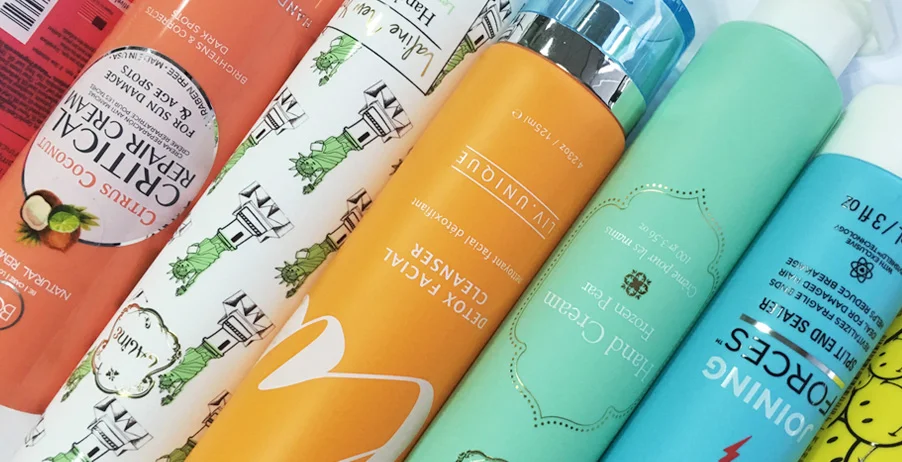
In the competitive beauty market, your packaging is your first touchpoint with the consumer. Offset printing remains the industry standard for cosmetic tube packaging due to its incredible efficiency and ability to render complex, multi-colored designs with precision.
As a manufacturer, we often recommend offset printing for brands that require high-volume production without sacrificing professional aesthetics. In this guide, we’ll explore the technical process, its benefits, and how to optimize your artwork for the best results.
Offset printing gives you a reliable method to decorate cosmetic tubes with sharp, colorful graphics. You see this technique widely used because it produces vivid logos and smooth finishes that help products stand out. The process works efficiently for large runs and saves money when you need bulk packaging.
Key Takeaways
- Offset printing for cosmetic tube offers vivid graphics and consistent quality, making it ideal for bulk production.
- This method supports multi-color designs and special finishes like UV lacquering for a premium look.
- Offset printing has high setup costs and longer lead times, which may not suit small orders.
- Consider offset printing if you need high-quality packaging for luxury products or large quantities.
- This technique excels in delivering sharp images and cost savings for brands that prioritize quality.
| Reason for Popularity | Description |
|---|---|
| Cost-effectiveness for large runs | Offset printing is ideal for bulk production, making it more economical than small projects. |
| Vivid and colorful designs | The technique allows for multi-color designs with great control over color impact. |
| Flexibility in design | Offers great respect for dimensional variation and allows for detailed graphical elements. |
| Gentle handling of substrates | Uses an intermediate blanket for ink transfer, making it easier on the packaging materials. |
How Offset Printing Works for Tubes
Unlike flat-sheet offset printing, cosmetic tubes use Dry Offset Printing.
- Ink Transfer: The design is etched onto metal plates.
- The Blanket: The ink is transferred from the plates to a rubber “blanket” cylinder.
- Direct Application: The blanket then rolls the ink directly onto the rotating tube.
- Result: This allows for high-speed application of up to 6–8 colors in a single pass, ensuring perfect registration and a smooth finish.
Key Advantages of Offset Printing
Why do 80% of our high-volume clients choose offset printing?
- Cost-Effectiveness: Once the plates are set, the cost per unit is significantly lower than silk-screen or digital printing, making it ideal for large runs (10,000+ units).
- High-Speed Production: Perfect for brands with tight launch deadlines.
- Gradient & Halftone Capabilities: Offset is superior at rendering delicate gradients, shadows, and photographic-style “halftones” that other methods struggle to replicate.
- Thin Ink Layer: The ink layer is thinner than silk-screen, giving the tube a sleek, integrated look that doesn’t “peel” or feel bulky.
Offset vs. Silk-Screen: Which One is Right for You?
Understanding the difference is crucial for your procurement strategy:
| Feature | Offset Printing | Silk-Screen Printing |
| Ideal Design | Gradients, photos, multi-colors. | Solid colors, bold text, tactile feel. |
| Ink Texture | Smooth, flat. | Raised, “3D” feel. |
| Color Saturation | Subtle, natural. | Extremely vibrant, opaque. |
| Unit Cost | Lower (in mass production). | Higher (due to slower speed). |
| MOQ | Higher (usually 10,000+). | Flexible. |
Designing for Success: Pro Tips for Artwork
To ensure your custom cosmetic tubes look flawless, follow these technical guidelines during the design phase:
- Use Pantone Matching System (PMS): While offset uses CMYK blends, defining your core brand colors in PMS ensures consistency across different production batches.
- Mind the Overlap: In dry offset, colors are applied nearly simultaneously. Avoid overlapping dark colors over light colors to prevent “bleeding.”
- Minimum Font Size: Keep text above 4pt–5pt to ensure readability after the tube is squeezed and used.
- Finish Options: Consider adding a Matte or Glossy varnish over the printing to protect the ink from scratches and chemical reactions with the formula.
Sustainability in Printing
At Xinfly, we align our offset processes with modern environmental standards:
- Low-VOC Inks: We use eco-friendly, low-volatile organic compound inks that are safer for the environment and the end consumer.
- PCR Compatibility: Our offset process is fully optimized for PCR (Post-Consumer Recycled) tubes, ensuring the recycled texture doesn’t interfere with the print quality.
Offset printing process for cosmetic tubes
Offset printing stands out as a preferred method for decorating cosmetic tubes because it delivers sharp images, vibrant colors, and consistent quality. You can achieve impressive results by following a series of precise steps that ensure both efficiency and high visual impact.
Image transfer steps
The image transfer process in offset printing uses a unique indirect method. This approach helps you maintain the integrity of your designs, even on curved or delicate tube surfaces.
Plate to blanket
You start by preparing your graphic files and selecting Pantone colors for your design. Each color gets converted into a negative film, which is then used to make a printing plate. The plate holds the image you want to print. When the process begins, ink adheres only to the image areas on the plate. A rubber blanket then receives the ink from the plate. This step is crucial because the blanket acts as a cushion, protecting the tube material and ensuring even ink distribution.
Blanket to tube
Next, the rubber blanket transfers the inked image onto the surface of the tube. This indirect transfer method allows you to print fine details and small text without distortion. The blanket molds to the tube’s shape, so even curved surfaces receive crisp, clear graphics. The wet ink method prevents color bleeding and keeps the color density high. You get photographic images with natural gradients and smooth color blending, which is essential for premium packaging.
Tip: The indirect transfer process helps you avoid damaging sensitive substrates, making it ideal for both aluminum and plastic tubes.
| Step | Description |
|---|---|
| 1 | Prepare graphic files, selecting four Pantone colors for design. |
| 2 | Convert each color into a negative film for printing and plate making. |
| 3 | Conduct trial production to adjust ink ratios for optimal results. |
| 4 | Use a rubber drum to transfer ink onto the surface of the aluminum tube. |
| 5 | Finalize the printing process ensuring color consistency and quality. |
Multi-color and UV lacquering
Offset printing allows you to use multiple colors with precise registration. Modern machines often feature six color stations for CMYK and two extra stations for custom inks or varnishes. This setup lets you create vibrant, multi-color designs with perfect alignment. The introduction of eight-color printing technology gives you even more flexibility to meet specific branding needs.
UV lacquering is another advanced feature. After the main printing, you can apply a UV-cured varnish for a glossy or matte finish. This step not only enhances the visual appeal but also adds a protective layer to the tube. UV-cured inks and varnishes dry quickly, which increases production speed and reduces the risk of smudging.
Substrate protection
Offset printing adapts well to different tube materials, including aluminum and various plastics. Before printing, you treat the tube surface—often with corona or flame treatment—to improve ink adhesion. The rubber blanket’s gentle touch prevents scratches or dents, preserving the tube’s integrity.
Hybrid-compatible and UV-curable inks further improve the process. These inks dry faster and bond better to treated surfaces, which means you get durable, high-quality prints. Regular maintenance of your press equipment ensures even ink transfer and consistent results.
- Offset printing is ideal for high-volume production.
- You can choose from glossy or matte finishes to match your brand.
- The process minimizes moiré patterns, so your graphics always look sharp.
Note: Proper viscosity and surface treatment are key to achieving optimal ink coverage and adhesion.
By following these steps and using advanced technologies, you ensure that your cosmetic tubes stand out on the shelf with vivid, durable, and attractive packaging.
Offset printing benefits
Print quality and vivid colors
You want your cosmetic tubes to stand out on the shelf. Offset printing helps you achieve this goal with exceptional print quality and vibrant colors. The process uses a plate-to-blanket transfer, which guarantees even ink coverage and sharp image reproduction. This method ensures that every detail of your design appears crisp and clear, even on curved surfaces.
- High-quality color output enhances the visual appeal of your cosmetic tube packaging.
- Natural inks provide a unique look and texture, making your product feel premium.
- You can print on various surfaces, giving you more options for creative packaging.
The meticulous ink transfer process maintains uniformity, which is ideal for intricate designs and bold, bright colors. Accurate color alignment is crucial for professional packaging, and offset printing delivers this with every run.
Tip: If you want consistent, eye-catching graphics, choose offset printing for your cosmetic tubes.
Efficiency for large runs
When you need to produce thousands of tubes, speed matters. Offset printing offers impressive production rates, making it a top choice for large orders. You can print up to 200 pieces per minute, which outpaces many other methods.
| Method | Speed |
|---|---|
| Offset Printing | 200 pieces per minute |
| Screen Printing | 50 tubes per minute |
| Flexographic | 150-200 m/min |
| Gravure | 150-200 m/min |
This high-speed capability means you can meet tight deadlines and keep your supply chain moving. The process minimizes interruptions, so you get consistent results from the first tube to the last.
Cost savings
Offset printing helps you save money, especially when you order in bulk. The setup costs spread out over large quantities, which lowers the price per tube. Automated systems reduce labor expenses, and reusable plates make future orders even more affordable.
| Evidence Type | Description |
|---|---|
| Economies of Scale | Setup costs are distributed over larger orders, leading to a decrease in per-unit costs. |
| Printing Efficiency | The speed of offset printing makes it ideal for medium to large runs, minimizing interruptions. |
| Reduced Waste | The precise ink transfer system results in fewer rejected tubes and less material loss. |
| Low Labor Costs | Automated systems reduce labor costs, and plates can be reused for future orders. |
You also benefit from bulk purchasing discounts on materials, which further reduces your expenses. As your order size increases, the cost per unit drops significantly. This makes offset printing a smart choice for brands that need high-quality packaging at a competitive price.
- Cost per unit decreases as the quantity produced increases.
- Significant price reductions are common with larger orders.
- Bulk purchasing discounts for materials lead to lower prices for customers.
Note: Offset printing gives you the best value when you need high-volume, high-quality tube packaging.
Design flexibility
Offset printing gives you unmatched freedom when designing cosmetic tube packaging. You can create detailed graphics, fine lines, and small text without losing clarity. This method supports a wide range of colors and gradients, so your designs can look bold and vibrant. You can use offset printing to bring your creative ideas to life, whether you want a minimalist look or a complex, multi-color pattern.
You can also customize your packaging to match your brand’s identity. Offset printing works well with different finishes, such as glossy or matte, which helps you set your product apart on the shelf. You can add special effects, like metallic inks or spot varnishes, to make your tubes even more eye-catching. This flexibility lets you respond quickly to trends or seasonal campaigns.
Tip: Offset printing allows you to update your designs easily for limited editions or promotional launches. You do not need to change the entire production process.
Here are some ways offset printing supports your design goals:
- You can print high-resolution images and intricate patterns.
- You can use multiple colors with precise alignment.
- You can choose from a variety of finishes and effects.
- You can adjust your designs for different tube sizes and shapes.
Offset printing enables you to create packaging that stands out in a crowded market. You can experiment with new looks and update your graphics as your brand evolves. This level of customization helps you connect with your target audience and build a strong brand presence.
| Feature | How It Helps Your Brand |
|---|---|
| Intricate graphics | Lets you use detailed artwork and fine lines |
| Wide color range | Supports bold, vibrant, and subtle designs |
| Finish options | Offers glossy, matte, and special effects |
| Adaptability | Makes it easy to update or change designs |
Offset printing allows you to combine creativity with practicality. You can achieve both high-quality results and the flexibility to adapt your packaging as your business grows.
Offset printing limitations
Minimum order requirements
When you consider offset printing for your cosmetic tubes, you need to think about the minimum order requirements. This printing method works best for large production runs. Most manufacturers set a minimum order quantity for custom designs. You often see these minimums start at around 10,000 units. Some suppliers may offer lower minimums, sometimes as low as 5,000 units, but this depends on the manufacturer and their capabilities.
- Minimum order quantities for custom offset printing usually start at 10,000 units.
- Some suppliers may accept orders starting from 5,000 units.
If you plan to launch a new product or test a limited edition, these minimums might feel high. Small brands or startups may find it challenging to meet these requirements. You should weigh your expected sales volume before choosing this method.
Design and color constraints
Offset printing gives you excellent results for most designs, but it does have some limitations. You can use multiple colors, but each color requires its own plate. This setup makes it harder to change designs quickly or add extra colors after production starts. If your design uses many spot colors or metallic effects, you may face higher costs and longer setup times.
You also need to consider color matching. Offset printing uses a precise process, but slight variations can occur between print runs. Achieving perfect consistency for every batch can be difficult, especially for very specific brand colors. Complex gradients or photographic images may not always reproduce exactly as you see on a computer screen.
- Each color in your design needs a separate plate.
- Adding special effects or extra colors increases cost and setup time.
- Color consistency can vary between batches.
Lead times
You should also plan for longer lead times when you choose offset printing. The process involves several steps, including plate making, machine setup, and trial runs. These steps take time, especially for new designs or first-time orders. You may wait several weeks from the time you approve your artwork to the delivery of finished tubes.
If you need packaging quickly, offset printing may not be the fastest option. The setup process cannot be rushed without risking quality. You should build extra time into your production schedule to avoid delays.
Tip: Always discuss lead times with your supplier before placing an order. Planning ahead helps you avoid last-minute surprises.
Offset printing offers many advantages, but you need to understand these limitations to make the best choice for your brand.
Environmental considerations
When you choose offset printing for cosmetic tube packaging, you should think about its environmental impact. This printing method offers many benefits, but it also brings some challenges for sustainability. Understanding these factors helps you make informed decisions for your brand and the planet.
Offset printing uses several resources during production. You need aluminum plates to transfer your designs onto tubes. Making these plates requires a lot of energy. However, you can recycle aluminum plates after use, which helps reduce waste. Recycling aluminum saves energy compared to producing new plates from raw materials.
You also use more paper during the setup process. Before you start the main print run, you must test and adjust the machines. These test prints often use extra paper or substrate. Digital printing, in contrast, can start printing right away and usually wastes less material. However, digital printing often uses more ink per tube, which can create other environmental concerns.
Volatile organic compounds (VOCs) are another factor to consider. Offset printing releases VOCs from inks and cleaning solvents. These compounds can affect air quality and contribute to pollution. You will notice that VOC emissions are higher during short print runs. If you print large batches, the emissions per tube drop significantly. This makes offset printing more efficient and less polluting for high-volume orders.
Here are some key environmental impacts of offset printing:
- Paper and substrate usage: You use more material during setup, which increases waste.
- VOC emissions: Short runs produce more VOCs per tube, but long runs lower the average emissions.
- Aluminum plate production: Making plates uses a lot of energy, but recycling them helps offset this impact.
Note: You can reduce your environmental footprint by recycling plates, choosing eco-friendly inks, and planning larger print runs.
Many suppliers now offer low-VOC inks and energy-efficient presses. You can ask your printer about these options to make your packaging more sustainable. You should also consider the total lifecycle of your packaging, from material sourcing to end-of-life recycling.
If you want to minimize your brand’s environmental impact, plan your production carefully. Larger orders, recycled materials, and greener inks all help you create packaging that looks good and does good for the environment.
Offset printing vs. other methods
When you choose a printing method for cosmetic tube packaging, you need to compare offset printing with other popular options. Each method offers unique strengths and works best for different needs. Let’s look at how offset printing stacks up against digital printing, flexographic printing, and silk screen printing.
Digital printing comparison
Digital printing gives you flexibility and speed, especially for small batches or frequent design changes. You do not need plates, so setup is quick and easy. Offset printing, on the other hand, shines when you need high-volume production and exact color matching. You get ultra-consistent quality and lower costs per tube as your order size grows.
Here’s a quick comparison:
| Feature | Offset Printing | Digital Printing |
|---|---|---|
| Print Quality | Ultra-consistent quality, exact color matching | Stunning color accuracy, great image resolution |
| Cost for High Volume | Cost per unit drops significantly as volume increases | More economical for low quantities (less than 1000) |
| Setup Costs | Higher upfront costs for plates and setup | Minimal setup, no plates required |
| Ideal for | Large quantities, complex designs, long shelf life | Small to medium quantities, frequent design changes |
| Lead Time | Longer lead times | Fast turnarounds |
| Best for | Brands with high-volume SKUs | Brands launching new products or testing designs |
- Offset printing works best for large-scale jobs. You save money as your order size increases.
- Digital printing is more affordable for short runs. You avoid upfront costs like plate-making.
If you want to test new designs or launch a limited edition, digital printing gives you speed and flexibility. For established products with high sales, offset printing offers better value and consistency.
Flexographic printing comparison
Flexographic printing, or flexo, is another common choice for packaging. You see flexo used for many types of materials, including flexible films and plastics. Offset printing delivers sharper detail and richer colors, especially on smooth surfaces like tubes.
| Factor | Flexo Printing | Offset Printing |
|---|---|---|
| Substrates | Highly versatile, works on many materials | Best for smooth, flat surfaces |
| Ink Type | Fast-drying, food-grade options available | Oil-based or UV inks, vibrant colors |
| Speed | Extremely high-speed, ideal for long runs | Slower, best for medium to large volumes |
| Print Quality | Moderate to high, good for packaging | Very high, superior detail on coated surfaces |
| Cost | Higher plate cost, lower unit cost for long runs | Lower plate cost for short runs, economical for paper-based materials |
You should choose flexo if you need to print on a wide range of materials or require very high production speeds. Offset printing gives you better detail and color vibrancy for premium cosmetic tubes.
Silk screen printing comparison
Silk screen printing stands out for its bold, vibrant colors and tactile finishes. You often see this method used for striking designs or when you want to add texture to your packaging. Offset printing, in contrast, excels at producing sharp images and fine details, making it ideal for complex graphics and small text.
- Offset printing produces clean, detailed images and works best for large orders.
- Silk screen printing creates eye-catching, vivid colors, perfect for bold logos or simple graphics.
- You find silk screen printing more cost-effective for small batches, but it becomes less efficient as your order size grows.
- Offset printing offers better economies of scale, so you pay less per tube when you print in bulk.
- Silk screen printing gives you unique finishes, but offset printing ensures consistency and speed for high-volume runs.
If you want to highlight your brand with rich, solid colors and a tactile feel, silk screen printing is a great choice for limited editions or specialty products. For detailed designs and large-scale production, offset printing remains the top option.
Choosing offset printing for your tubes
Brand image needs
You want your packaging to reflect your brand’s identity. Packaging does more than protect your product; it tells your story. If your brand stands for luxury, sustainability, or innovation, your tube design should show these values. Consistent branding across all your products helps customers recognize and trust your brand. Offset printing gives you many ways to customize your tubes so you can match your brand’s vision.
- Offset printing provides extensive customization options.
- You can tailor colors, textures, patterns, finishes, and even the shape and size of your tubes.
- This flexibility lets you align your packaging with market trends and what your customers want.
If you want your makeup line to stand out, use offset printing to create a unique look that matches your brand’s personality.
Production volume
You should consider how many tubes you need before choosing offset printing. This method works best for large orders. Offset printing uses a process called dry offset, which is designed for high-volume production. You get fast and efficient results, making it ideal for mass production of cylindrical products like cosmetic tubes.
Dry offset is designed for high-volume production, offering speed and efficiency that make it ideal for mass production of cylindrical products. In contrast, pad printing is more suited for lower volumes and intricate shapes.
The choice between pad printing and dry offset ultimately depends on the production volume: prioritize speed and efficiency for high-volume cylindrical products with dry offset.
If you plan to launch a new product or expect high sales, offset printing helps you keep up with demand and maintain quality.
Budget factors
You need to think about your budget when selecting a printing method. Offset printing has some upfront costs, such as plate-making fees. Each color in your design requires a separate plate, which adds to the cost. However, the price per tube drops as your order size increases. You can also choose from different printing options, such as multi-color or silk screen printing, and add special finishes like hot stamping.
| Factor | Details |
|---|---|
| Plate-making fee | 200–300 RMB per color |
| Printing options | Multi-color or silk-screen printing available; hot stamping charged by area |
| Silk screen printing | Produces the best visual effect but costs more and is offered by fewer suppliers |
| Supplier selection | Based on brand positioning and budget |
You should compare suppliers and printing options to find the best fit for your brand and budget. Offset printing gives you a balance between quality and cost, especially for larger orders.
Material compatibility
When you choose offset printing for your cosmetic tubes, you need to think about the material of the tube itself. Not every material reacts the same way to the printing process. The surface quality, texture, and composition of the tube all play a role in how well the ink adheres and how sharp your graphics appear.
Offset printing works best on smooth, non-porous surfaces. You get the most vibrant colors and crisp details when the tube material allows the ink to transfer evenly. If the surface is rough or uneven, the print quality can suffer. You might see blurred lines or faded colors.
Here is a quick overview of how different tube materials perform with offset printing:
| Material Type | Compatibility with Offset Printing |
|---|---|
| PE | Works best with smooth surfaces |
| Laminated Tubes | High-quality printing achievable |
| Co-extruded Tubes | Effective ink adhesion |
Polyethylene (PE) tubes are common in the cosmetic industry. You often see two main types: LDPE (low-density polyethylene) and MDPE (medium-density polyethylene). Both types offer smooth surfaces that support high-quality printing. LDPE gives you a glossy finish, which makes colors pop. MDPE provides a slightly firmer feel, but still accepts ink well.
- LDPE: Smooth surface for high-quality printing
- MDPE: Suitable for offset printing due to surface quality
Laminated tubes also work well with offset printing. These tubes have a multi-layer structure that creates a smooth outer layer. You can achieve sharp images and vibrant colors on laminated tubes. The ink bonds well, so your designs stay bright and clear even after handling.
Co-extruded tubes use several layers of plastic fused together. This construction gives you a strong, flexible tube with a smooth exterior. Offset printing adheres effectively to co-extruded tubes, so you can expect consistent results.
Tip: Always check with your supplier about the specific material blend of your tubes. Some additives or surface treatments can affect ink adhesion.
Surface treatment is another factor you should consider. Many manufacturers use corona or flame treatment to improve ink adhesion. These treatments change the surface energy of the tube, making it easier for the ink to stick. If your tubes have not been treated, you might see poor print quality or ink that rubs off easily.
You should also think about the finish you want. Glossy finishes reflect light and make colors look more intense. Matte finishes give a softer, more subtle appearance. Both finishes are possible with offset printing, but the tube material and surface treatment can influence the final look.
If you want the best results, choose tube materials with smooth, even surfaces. Ask your supplier about the compatibility of their tubes with offset printing. This step helps you avoid surprises and ensures your packaging looks professional.
Note: Material compatibility affects not only print quality but also durability. The right combination of tube material and printing method keeps your packaging looking fresh from the factory to the customer’s hands.
When to use offset printing
Best use cases
You should choose offset printing when you want your cosmetic tube packaging to look premium and consistent. This method works best for brands that need high-quality prints to enhance the visual appeal of luxury products. You get sharp images and vibrant colors that help your tubes stand out on store shelves. Offset printing ensures color consistency across every tube, which is important for building a strong brand identity.
If you plan a large production run, offset printing gives you the best value. The process becomes more cost-effective as your order size increases. You also benefit from fast production speeds, which help you meet tight deadlines. Offset printing is ideal when you want to create an impressive unboxing experience for your customers. You can combine this method with special finishes like hot stamping to add metallic effects or unique textures. This combination makes your packaging feel even more luxurious.
Here are some situations where offset printing is the preferred choice:
- Launching a new luxury skincare or makeup line
- Producing seasonal or limited-edition collections in large quantities
- Rebranding your product with updated graphics and consistent colors
- Adding special effects such as hot stamping for a premium touch
- Meeting strict color standards for global product launches
Offset printing helps you deliver packaging that matches your brand’s vision and meets customer expectations for quality.
Success stories
Many well-known cosmetic brands rely on offset printing to achieve their signature look. For example, a global skincare company wanted to refresh its packaging for a new product line. The team chose offset printing to ensure every tube displayed the same vibrant colors and sharp details. They added hot stamping to highlight the brand logo, giving the tubes a metallic shine that caught the eye of shoppers. The result was a packaging design that boosted sales and strengthened the brand’s image.
Another beauty brand used offset printing for a holiday collection. The company needed thousands of tubes with intricate patterns and bold colors. Offset printing delivered consistent results across the entire batch. The brand also used hot stamping to create a festive, high-end appearance. Customers noticed the quality and shared photos of the packaging online, which increased the product’s popularity.
You can see how offset printing supports both creativity and efficiency. When you want to impress your customers and grow your brand, this method gives you the tools to succeed.
Offset printing gives you unmatched print quality and cost savings for large cosmetic tube orders. You can use it on many materials and add special finishes. However, you face high setup costs and longer turnaround times. Small orders may not suit this method.
| Advantages | Limitations |
|---|---|
| High-quality, sharp images | High setup costs |
| Cost-effective for large runs | Longer turnaround times |
| Versatile with materials/finishes | Not ideal for small quantities |
Think about your brand goals and production needs before you choose offset printing.
Frequently Asked Questions
Learn how offset printing applies to cosmetic tube packaging—process, benefits, material compatibility, costs, and when to choose it.
Q1What is offset printing for cosmetic tubes?
Q2Why choose offset printing for cosmetic tube packaging?
Q3Which tube materials are compatible with offset printing?
Q4What are the cost and volume considerations for offset printing?
Q5What design and finish advantages does offset printing offer?
Q6Are there limitations with offset printing on tubes?
Ready to apply offset printing on your cosmetic tubes?
Contact our packaging team with your tube material, design artwork and print volume — we’ll assist you in choosing the right printing method and obtain sample proofs.