
PCR Plastic Cosmetic Tube: The 2026 Gold Standard for Sustainable Packaging


In today’s eco-conscious beauty market, PCR (Post-Consumer Recycled) plastic cosmetic tubes have become the gold standard for sustainable packaging. Leading beauty and skincare brands in the United States are transitioning to PCR tubes to reduce virgin plastic consumption, meet sustainability targets, and appeal to environmentally aware consumers. Xinfly Packaging, a leading Chinese manufacturer exporting globally, is helping brands achieve both style and sustainability through innovative PCR packaging solutions.
1. What Is a PCR Plastic Cosmetic Tube?
PCR cosmetic tubes are made from post-consumer recycled polyethylene (PCR-PE), which is collected, cleaned, and reprocessed into new packaging materials. Unlike virgin PE, PCR significantly reduces carbon emissions and plastic waste. Typically, each PCR tube contains 30–70% recycled content, depending on the desired flexibility, opacity, and decoration requirements.
1.1 Environmental Advantages
- ✔ Reduces virgin plastic usage by up to 60%
- ✔ Lowers CO₂ emissions by approximately 1.4 tons per 100,000 tubes
- ✔ Fully recyclable within existing PE waste streams
- ✔ Compliant with ISO 14001, SGS, and REACH standards
2. Technical Structure and Material Composition
Xinfly’s PCR tubes use co-extrusion (COEX) technology, combining multiple layers to ensure barrier performance and print quality. A typical tube structure looks like this:
| Layer | Material | Function |
|---|---|---|
| Outer Layer | PCR LDPE / HDPE | Provides strength and surface gloss |
| Barrier Layer | EVOH or PP | Protects formula from oxygen and UV exposure |
| Inner Layer | PCR LDPE | Ensures product contact safety and flexibility |
Color tolerance is controlled within ΔE2000 ≤ 2.0, ensuring consistent branding across multiple batches — a critical factor for global beauty labels.
3. Customization & Design Options
At Xinfly Packaging, customization is key to differentiation. PCR tubes can be tailored through:
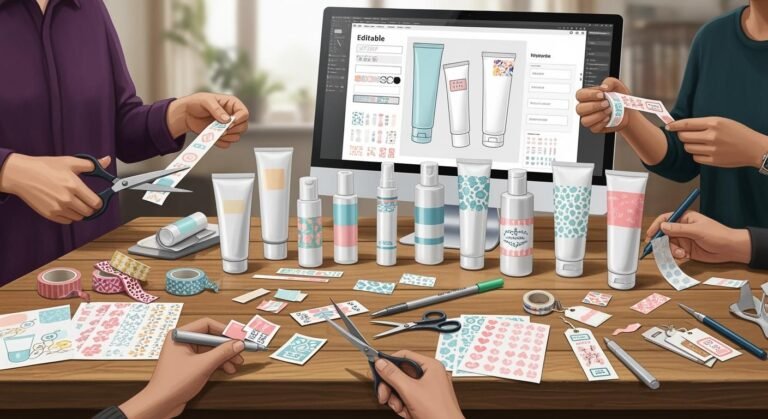
- 💄 Printing: Silk screen, offset, or hot-stamping
- 🎨 Finish: Matte, glossy, metallic, or gradient
- 🧴 Caps: Flip-top, screw, pump, or airless heads
- 🌿 Color Matching: Pantone accuracy within ±2%
4. Market Trends & Carbon Footprint Case Study
4.1 Sustainability Metrics
Switching to 50% PCR material can reduce the global warming potential (GWP) of your packaging by approximately 25-30% compared to 100% virgin PE. For a brand ordering 100,000 units, this equates to saving nearly 1.5 tons of CO₂.
4.2 Case Example: US Indie Skincare Brand
A California-based skincare brand partnered with Xinfly to transition to PCR-PE tubes. The results:
- ♻️ 62% reduction in virgin plastic usage
- 🌍 Annual CO₂ reduction of 1.8 tons (equivalent to planting 30 trees)
- 💰 14% growth in repeat customers citing “eco-conscious packaging”
Frequently Asked Questions
What is PCR plastic and is it safe for skincare?
What percentage of PCR can be used in a tube?
Are PCR tubes more expensive than regular tubes?
What is the MOQ for custom PCR cosmetic tubes?
Ready to Upgrade to Sustainable Packaging?
Get a custom quote and free samples of our PCR plastic tubes today.
Lead the Green Revolution
The future of beauty is circular. Jiangsu Xinfly Packaging Co., Ltd. is your technical partner in engineering a sustainable brand identity.