
PCR vs Sugarcane Tubes A Guide for Eco-Friendly Skincare Packaging


If you want the most eco-friendly skincare packaging, you may wonder about the differences between PCR vs Sugarcane Tubes. Sugarcane tubes utilize a plant that grows back and absorbs carbon as it matures. On the other hand, PCR tubes are crafted from 100% recycled plastic, contributing to waste reduction. Both types are beneficial for the environment, but each offers unique advantages. You might consider factors such as the appearance of the tubes, their durability, pricing, and current trends. This guide will assist you in selecting the tubes that align with your brand’s values and requirements.
| Feature | Sugarcane Tubes | PCR Tubes |
|---|---|---|
| Material Source | Renewable (sugarcane) | Recycled plastics |
| Carbon Absorption | Yes | No |
| Environmental Impact | Carbon sink | Reduces plastic waste |
Key Takeaways
- PCR vs sugarcane tubes offer eco-friendly skincare packaging options, each with unique benefits.
- Sugarcane tubes are made from renewable resources, while PCR tubes use 100% recycled plastics to reduce waste.
- Consider factors like cost, appearance, durability, and consumer appeal when choosing between PCR and sugarcane tubes.
- Both types help lower carbon footprints; sugarcane absorbs carbon while PCR reduces plastic waste.
- Ultimately, the choice depends on your brand’s values and what resonates with your target audience.
Overview
pcr vs sugarcane tubes
When you compare pcr vs sugarcane tubes for skincare, you see two green choices. Both help you care for the planet. You may wonder which one is right for your brand. Let’s look at what makes each one special.
Sugarcane tubes come from a plant that grows back. The plant takes in carbon while it grows. These tubes help you make less carbon. pcr squeeze tubes use old plastic that gets recycled. This keeps plastic out of dumps and lets it be used again. Picking pcr squeeze tubes helps cut down on trash.
pcr squeeze tubes often feel matte or rough. Sugarcane tubes look smooth and simple. Both kinds work for creams, lotions, or gels. Many brands pick plastic cosmetic tubes because they are strong. They keep your products safe.
Key Differences
Let’s check out the main ways pcr vs sugarcane tubes are different. Here’s a quick list to help you compare:
- Material Source: Sugarcane tubes use plants. pcr squeeze tubes use recycled plastic.
- Environmental Impact: Sugarcane tubes take in carbon. pcr squeeze tubes help lower plastic trash.
- Finish and Look: pcr squeeze tubes look matte. Sugarcane tubes look smooth.
- Durability: Both tubes are tough and protect your stuff.
- Cost: pcr squeeze tubes may be cheaper since recycled plastic is easy to get. Sugarcane tubes can cost more because the material is new.
- Consumer Appeal: Some people like the story of sugarcane tubes. Others want to help recycling by picking pcr squeeze tubes.
Tip: If you want to show you care about the earth, you can use either tube. Both choices tell people you care about being eco-friendly.
Here’s a simple table to show the differences:
| Feature | Sugarcane Tubes | pcr squeeze tubes |
|---|---|---|
| Source | Plant-based | Recycled plastic |
| Carbon Absorption | Yes | No |
| Waste Reduction | Some | High |
| Finish | Smooth/Natural | Matte/Textured |
| Cost | Higher | Lower |
When you look at pcr vs sugarcane tubes, think about what matters to your brand. Do you want to help recycling or use renewable things? Both kinds of plastic cosmetic tubes are good for the planet. Pick the tubes that fit your story and what your customers want.
Material

PCR Tubes
Source
You may wonder what PCR tubes are made from. These tubes use post-consumer resin. This means they come from plastic people already used and recycled. Instead of making new plastic, companies collect old bottles and containers. They clean them and turn them into new packaging. This helps use less new plastic. It also keeps plastic out of landfills when you pick post-consumer recycled tubes.
Here’s a quick look at what makes up PCR tubes:
| Material Type | Description |
|---|---|
| PCR (Post-consumer recycled) | Made from 100% recycled plastic, so it cuts down on waste and saves energy during production. |
| Recyclable | Made to be easy to recycle after you use it, which helps make skincare packaging more green. |
PCR tubes often feel matte or rough. They can feel different from regular plastic tubes. Xinfly Packaging has many PCR tubes, so you can find one that fits your skincare line.
Uses
You can use PCR tubes for many skincare items. They work well for creams, lotions, gels, and scrubs. These tubes are strong and keep your products safe. Many brands choose PCR tubes to show they care about using recycled materials and helping the planet.
Sugarcane Tubes
Source
Sugarcane tubes come from a plant, not oil. Companies use sugarcane-based pe, which is a kind of plastic made from sugarcane. This plant grows back fast and takes in carbon from the air as it grows. The tubes are not all sugarcane, but they use a lot of renewable resources. This makes them a good choice for brands that want to lower their carbon footprint.
Uses
You can use sugarcane tubes for almost any skincare product. They are as strong as regular tubes, so you do not have to worry about leaks or breaks. These tubes look smooth and natural, which many people like. Xinfly Packaging sells sugarcane tubes for brands that want to show they care about the earth.
Material Impact
When you compare PCR tubes and sugarcane tubes, both help the earth in different ways. PCR tubes use post-consumer resin, which lowers plastic waste and means we need less new plastic. Sugarcane tubes use plants that grow back, so we use less oil. Both types of tubes can be recycled, but sugarcane tubes can also break down in special composting places.
Here’s a quick table to help you see the differences:
| Material Type | Composition | Recyclability |
|---|---|---|
| PCR Tubes | Made from post-consumer recycled plastics | Can be recycled in many places |
| Sugarcane Tubes | Made from renewable sugarcane resources | Can break down in industrial composting sites |
Note: Both PCR tubes and sugarcane tubes help you use greener materials. You can pick either one to show your customers you care about the planet.
If you want to try both, Xinfly Packaging can help you find the best tubes for your brand.
Environmental Impact

Carbon Footprint
When you think about how tubes affect the earth, you want to know how much carbon they make. Sugarcane tubes are special here. They use a plant that grows back quickly and takes in carbon from the air. This means sugarcane tubes can lower the carbon footprint by up to 70% compared to normal plastic tubes. That is very good for the planet.
PCR tubes help by using old plastic again, but sometimes they must travel far to be recycled. For example, many PCR tubes are sent back to China to be used again. This extra travel puts more carbon into the air. So, both kinds of tubes help the earth, but sugarcane tubes usually make less carbon.
Here is a quick list of the differences:
- Sugarcane tubes cut carbon by using plants that grow again.
- PCR tubes use old plastic, but shipping them can add more carbon.
- Both types make less waste than regular plastic tubes.
If you want your brand to make less carbon, sugarcane tubes are a great pick.
End-of-Life
You might wonder what happens to these tubes after you finish using your skincare. Both PCR and sugarcane tubes are better for the end of their life than normal plastic tubes.
- Sugarcane tubes use bioresin. You can recycle them at most recycling centers.
- PCR tubes can also be recycled, but it can be hard in some places. Different places have different rules, so recycling PCR tubes is not always easy.
- Some bioplastics in sugarcane tubes can break down in special composting places. But these places are rare, so most tubes still go to recycling.
If you want your packaging to help keep materials in use, both tube types are good. They help keep things out of landfills.
Sustainability
Sustainability is important for skincare brands and buyers. You want tubes that do more than just hold your product. You want them to help the earth too.
- Sugarcane tubes use plants that grow back. They help us use less oil and make less greenhouse gas.
- PCR tubes give old plastic another use. This helps make less waste and keeps plastic out of dumps.
- Both tubes follow new rules for the environment. Governments now want brands to use more recycled or plant-based stuff. Some states even say packaging must have a certain amount of PCR. These rules make brands pick greener options.
Here is a table with common certifications for green tubes:
| Certification | Description |
|---|---|
| FDA | Says the material is safe for food contact. |
| PEFC | Makes sure forests are managed well and products come from good sources. |
| FSC | Checks that forest products are made with care for nature and people. |
Green packaging is getting more popular. Experts think the market will be over $393 billion by 2028. Most shoppers—about 74%—say they will pay more for products with green packaging. When you choose PCR or sugarcane tubes, you show your customers you care about the earth.
Picking the right tubes helps your brand follow new rules, make your customers happy, and protect the planet for the future.
Cost
Production
There are some big cost differences when making tubes. Making pcr squeeze tubes usually costs less than sugarcane tubes. This is because pcr squeeze tubes use recycled plastic. Recycled plastic is easy to find and cheap to use. You can help the earth and save money too.
Sugarcane tubes use Bio-PE, a special plastic from sugarcane. Turning sugarcane into plastic costs more than using old plastic. Most sugarcane comes from Brazil. The tubes must travel far to reach you. This makes the price higher, especially if shipping has problems.
Note: The price difference between sugarcane tubes and normal plastic is getting smaller. More people want eco-friendly packaging now. The cost to make sugarcane tubes may go down in the future.
Availability
You might wonder if these tubes are easy to get for your skincare brand. Both pcr squeeze tubes and sugarcane tubes are getting more popular. Many brands use them because shoppers want green packaging.
- pcr squeeze tubes come from recycled single-use packaging.
- Sugarcane tubes use bioplastics made from plants.
- Both types help cut down on plastic waste and greenhouse gases.
- You can buy both kinds from suppliers like Xinfly Packaging.
- Some brands still use regular plastic tubes, but more are choosing eco-friendly ones.
Remember, most sugarcane tube caps are still regular plastic. Some companies are trying to make bio-based caps. These are not very common yet.
Brand Costs
You want to know how much you will spend on new packaging. pcr squeeze tubes usually cost less for your brand. Recycled plastic is easy to get, and the supply chain is short. You do not have to wait long or pay a lot for shipping.
Sugarcane tubes can cost more because they come from Brazil. Bio-PE is also more expensive. You may pay extra for shipping and face delays. Some brands spend more time teaching customers about sugarcane tubes. People can get confused about bioplastics. You might need to explain that sugarcane tubes are renewable and recyclable.
Here is a simple table to compare:
| Cost Factor | pcr squeeze tubes | Sugarcane tubes |
|---|---|---|
| Material Cost | Lower | Higher |
| Supply Chain | Shorter, more stable | Longer, more complex |
| Shipping | Less expensive | More expensive |
| Consumer Education | Less needed | More needed |
Tip: If you want to save money and help the earth, pcr squeeze tubes are a good choice. If you want your brand to stand out with plant-based packaging, sugarcane tubes can help, but they may cost more.
No matter which tubes you pick, you show customers you care about the planet. Xinfly Packaging has both pcr squeeze tubes and sugarcane tubes. You can choose what works best for your brand and your budget.
Performance
When you pick tubes for your skincare brand, you want packaging that works well and lasts. Let’s talk about how PCR squeeze tubes and sugarcane tubes perform in real life. You’ll see how they stand up to daily use, keep your products safe, and help your brand shine.
Durability
You want tubes that can handle bumps, drops, and moisture. Both PCR squeeze tubes and sugarcane tubes offer strong durability. You can toss them in your bag, squeeze out your favorite cream, or leave them in a steamy bathroom. They won’t crack or leak easily. This means your skincare stays fresh and protected.
Here’s a quick look at durability features:
- Impact resistance: Both types of tubes can take a hit and keep their shape.
- Moisture resistance: You don’t have to worry about water damage.
- Flexibility: PCR squeeze tubes bend without breaking. Sugarcane tubes also stay strong when squeezed.
Tip: If you want packaging that lasts, you can trust both PCR squeeze tubes and sugarcane tubes. They give you peace of mind and keep your products safe.
Compatibility
You need tubes that work with many skincare formulas. PCR squeeze tubes and sugarcane tubes handle creams, gels, lotions, and scrubs. They don’t react with most ingredients. You can fill them with thick or thin products, and they won’t change the formula.
Plastic cosmetic tubes are popular because they work with many types of skincare. You don’t have to worry about your product breaking down or losing its power. Both PCR squeeze tubes and sugarcane tubes keep your formulas stable.
Here’s a table to show compatibility:
| Tube Type | Works With Creams | Works With Gels | Works With Lotions | Works With Scrubs |
|---|---|---|---|---|
| PCR squeeze tubes | Yes | Yes | Yes | Yes |
| Sugarcane tubes | Yes | Yes | Yes | Yes |
Note: You can use these tubes for almost any skincare product. They make your job easier and your customers happy.
Shelf Life
You want your skincare to last on the shelf. PCR squeeze tubes and sugarcane tubes help with that. They block out air and moisture, so your products stay fresh longer. You don’t have to worry about spoilage or leaks.
Plastic cosmetic tubes are known for keeping products safe over time. Both PCR squeeze tubes and sugarcane tubes offer long shelf life. You can store them in different places, and they won’t lose their strength.
Here are some shelf life benefits:
- Airtight seals: Tubes keep air out, so your product stays fresh.
- Leak-proof design: You don’t get messy spills.
- Long-lasting material: Both tube types keep their shape and protect your skincare.
If you want packaging that keeps your products fresh, PCR squeeze tubes and sugarcane tubes are great choices. You get durability and functionality in every tube.
Quick Recap
- Both PCR squeeze tubes and sugarcane tubes are tough, moisture-resistant, and work with many skincare formulas.
- You get strong durability, great compatibility, and long shelf life.
- Plastic cosmetic tubes help your brand deliver safe, fresh products every time.
Aesthetics
Look
When you pick skincare packaging, the look of the tubes matters a lot. PCR tubes often have earthy tones and a simple, clean style. These tubes give off a vibe of purity and care for the planet. You might notice that PCR tubes usually have a matte or less shiny finish. This makes them feel natural and honest.
Sugarcane tubes stand out in a different way. These tubes can show off bright colors and playful finishes. They look fresh and lively, which can make your products pop on the shelf. The smooth surface of sugarcane tubes gives them a modern and natural look. If you want your skincare to feel fun and eco-friendly, sugarcane tubes might be the right choice.
The look of your tubes can tell a story. You can show your customers that you care about the earth just by the way your packaging looks.
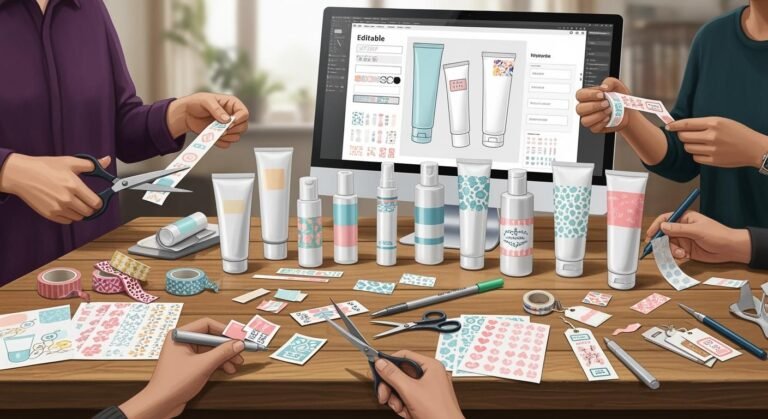
Customization
You want your tubes to match your brand. Both PCR and sugarcane tubes give you lots of ways to make your packaging unique. You can pick the color, finish, and even the type of printing you want. This helps your products stand out and look professional.
Here’s a quick table to show your options:
| Customization Aspect | Options |
|---|---|
| Color | Customizable |
| Finish | Frosty, Matte, Satin, Semi-gloss, Glossy |
| Printing | Silkscreen, Hot Stamp, Offset |
You can choose a frosty or glossy finish for your tubes. You can also add your logo with silkscreen or hot stamp printing. Both types of tubes let you get creative with your design. This means you can match your tubes to your brand’s colors and style.
Tip: Custom tubes help your products catch the eye and make a strong first impression.
Brand Perception
The tubes you choose say a lot about your brand. If you use PCR tubes, people may see your brand as honest and focused on recycling. These tubes show that you care about using what we already have. Customers who want to support recycling will notice this.
Sugarcane tubes send a message of renewal and energy. They show that your brand likes new ideas and cares about the planet in a fresh way. These tubes can attract shoppers who love plant-based and renewable products.
Here are some ways your tubes can shape how people see your brand:
- PCR tubes: Show you care about waste and recycling.
- Sugarcane tubes: Show you support renewable resources and a lively, green future.
- Both tubes: Tell your customers you care about the earth.
When you pick the right tubes, you help your brand stand out and connect with people who care about the planet.
Trends
Consumer Demand
You probably notice more people talking about eco-friendly skincare. This is not just a small change. The demand for sustainable packaging keeps growing every year. Shoppers want products that look good and help the planet. In the U.S., you see a big shift toward recyclable mono-material tubes, bioplastics made from sugarcane, and even refillable designs. People want tubes that do not harm the earth but still work well and look stylish. You might hear friends say they want to buy from brands that care about the environment. This is why so many companies now offer green packaging choices. If you want your skincare brand to stand out, you need to pay attention to these trends.
Brand Examples
Many brands now use eco-friendly tubes to show they care about the planet. Xinfly Packaging leads the way by offering both PCR and sugarcane tubes. You can find their tubes in many skincare lines. Some brands use mono-material PCR tubes, which are easy to recycle and help cut down on plastic waste. Others pick sugarcane tubes because they come from plants and lower carbon emissions. One cool example is the Ocean Plastic tube. It uses 70% ocean plastic resin and has the Oceanworks Guarantee. This tube is a mono-material PCR PE tube, so it is simple to recycle. It also uses 12% less plastic and cuts CO2 emissions by 77% compared to regular tubes. These brands show you that it is possible to make a difference with your packaging choices.
Tip: When you choose eco-friendly tubes, you join a group of brands that care about the earth and want to lead the way in green beauty.
Certifications
You want to make sure your tubes really help the planet. That is where certifications come in. These labels show that your packaging meets strict rules for being green. Different countries have different rules, so you need to check what works for your market. Here are some things to look for:
- Your tubes should use safe materials and be easy to recycle or compost.
- The packaging must have honest claims about being eco-friendly.
- Independent groups check and approve these claims, so you know they are true.
Some certifications you might see include:
- Oceanworks Guarantee: Shows the tube uses real ocean plastic.
- Mono-material PCR PE: Means the tube is easy to recycle and uses less plastic.
- CO2e Reduction: Proves the tube helps lower carbon emissions.
When you pick tubes with these certifications, you show your customers that you care about real change, not just good looks.
Choosing the Best
pcr vs sugarcane tubes: Decision
You want to pick tubes that fit your skincare brand. The choice between PCR and sugarcane tubes depends on what you care about most. Some brands like using recycled materials. Other brands want packaging made from plants. You might think about cost, how tubes look, or what your customers want.
Here’s a table to help you compare the main things:
| Factor | PCR Tubes | Sugarcane Tubes |
|---|---|---|
| Sustainability | Made from recycled materials, reducing waste | Derived from renewable resources, eco-friendly |
| Aesthetic Variations | May have limited aesthetic options | Offers diverse aesthetic possibilities |
| Structural Considerations | Compatible with existing manufacturing processes | Chemically identical to traditional plastics |
| Cost Implications | Slightly higher production costs | Potentially lower costs depending on sourcing |
| Consumer Trends | Appeals to eco-conscious consumers | Attracts consumers interested in renewable materials |
Both tubes help your brand look green. PCR tubes show you care about recycling and less waste. Sugarcane tubes tell customers you support renewable resources. Eco-conscious shoppers like sustainable packaging. Many people do not want brands that use new plastic. If you want your brand to look better, you should choose green options.
Tip: Think about what your brand stands for and what your customers want. The right tubes can help you stand out and build trust.
Action Steps
Are you ready to pick the best tubes for your skincare line? Follow these steps to make a smart choice:
- Evaluate your brand’s values. Decide if you want to focus on recycling or renewable resources.
- Identify your target audience. Ask what your customers care about. Do they want recycled tubes or plant-based tubes?
- Assess your product needs. Check if your skincare formulas work well with PCR or sugarcane tubes.
- Use renewable, recyclable, or compostable materials. Look for tubes made from bioplastics, bamboo, or even aluminum if you want more options.
- Minimize excess packaging. Choose tubes that don’t have extra layers or heavy caps. This saves money and helps the planet.
- Opt for refillable and reusable packaging models. Try tubes that can be refilled or reused. This supports a circular economy.
- Explore plant-based barrier coatings. Pick tubes with biodegradable coatings to keep your products safe without adding plastic waste.
- Implement smart packaging technologies. Add QR codes or NFC tags to your tubes. These help customers recycle and learn more about your brand.
You can also try other packaging choices. Paperboard tubes and cartons come from renewable resources and are easy to recycle. Bamboo packaging breaks down and is good for compost. Metal tins and aluminum tubes feel fancy and last a long time.
Note: You do not have to pick just one kind. Some brands use both PCR and sugarcane tubes in their products. This lets you see what your customers like best.
If you need help, talk to suppliers like Xinfly Packaging. They have both PCR and sugarcane tubes. You can ask for samples and see which tubes match your brand.
Quick Checklist
- Decide what matters most: recycling, renewables, cost, or looks.
- Ask your customers what they want.
- Test your products with different tubes.
- Choose tubes that match your brand’s values.
- Look for certifications to prove your tubes are eco-friendly.
Picking the best tubes is not just about the earth. It is about your brand, your customers, and your future.
Both PCR and sugarcane tubes are good for the earth, but they help in different ways. PCR tubes keep plastic out of landfills and help reuse old materials. Sugarcane tubes use plants that grow back and make less carbon. The best tube for you depends on what you want, how much you can spend, and what your product needs. If you need help, you can ask companies like Xinfly Packaging for advice. Picking the right tube helps your brand and is good for the planet.
Frequently Asked Questions
Key points: PCR vs. sugarcane PE, recyclability, carbon impact, food/cosmetic compliance, colors & finishes, MOQ/lead time, and on-pack claims.
Q1What’s the core difference between PCR and sugarcane (bio-PE) tubes?
Q2Which option is more recyclable?
Q3Which has the lower carbon footprint?
Q4Are both materials safe for skincare and cosmetics?
Q5Do PCR tubes look different from sugarcane tubes?
Q6What finishes and printing methods work best?
Q7What PCR percentage or bio-content can I claim?
Q8Do both support barrier structures?
Q9What are the typical MOQ and lead times?
Q10How do I choose between PCR and sugarcane for my brand?
Ready to customize your packaging? Contact our team for detailed pricing, MOQ flexibility, and fast production samples.