
PE Cosmetic Tubes: Right PE to use in cosmetic tubes

Estimated reading time: 31 minutes
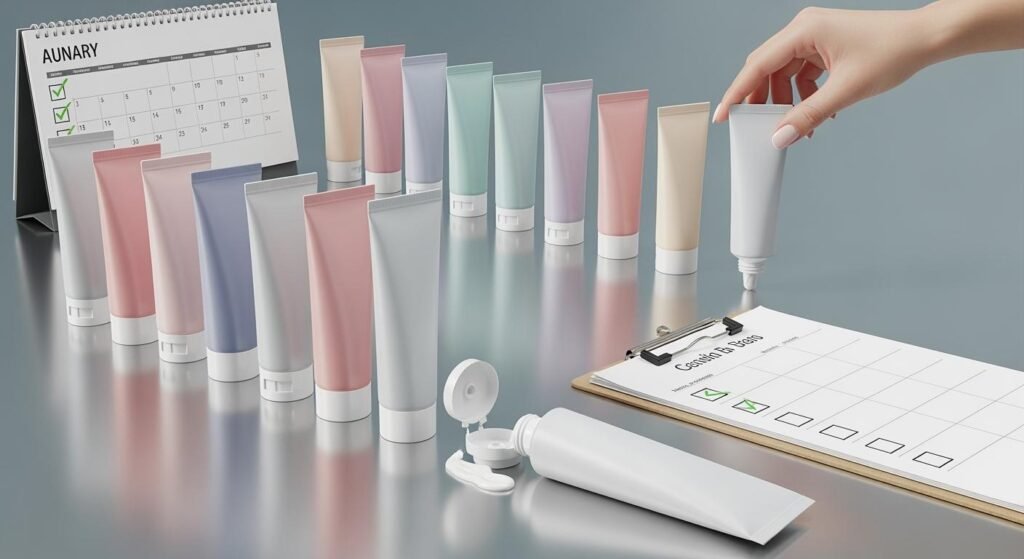
Picking the right PE cosmetic tubes can affect your product’s success. LDPE is good for soft creams and travel tubes. It is the most bendable type. MDPE is both bendable and firm. It works well for ointments and thick creams. HDPE is very firm and resists chemicals. It is best for thick gels and strong packaging. Always choose a tube that fits your formula and brand style.
As a leading cosmetic tube manufacturer, we understand that choosing the right packaging is as critical as the formula inside. Polyethylene (PE) tubes remain the gold standard in the beauty industry due to their versatility and durability.
In this professional guide, we will dive deep into the technical specifications, barrier technologies, and sustainability trends of PE cosmetic tubes to help you make an informed procurement decision.
Understanding PE Materials: LDPE vs. HDPE vs. LLDPE
Not all PE tubes are created equal. Depending on your product’s viscosity and brand positioning, the material choice is crucial.
| Material Type | Density | Characteristics | Best For |
| LDPE | Low | Soft, flexible, excellent squeeze-back. | Hand creams, lip gloss, facial cleansers. |
| HDPE | High | Stiff, matte finish, superior chemical resistance. | Sunscreen, medicated ointments, industrial cleaners. |
| LLDPE | Linear Low | High puncture resistance and tensile strength. | Travel-size products or high-pressure applications. |
| Soft Touch | Varied | Velvet-like texture, premium feel. | Luxury skincare and high-end cosmetics. |
Quick Selector for PE Cosmetic Tubes
At-a-Glance Comparison Table
Choosing the right tube for your cosmetic product can feel confusing. You want packaging that matches your formula and brand image. The table below gives you a quick way to compare the three main types of polyethylene tubes. You can see how each material works for different needs.
| Type of PE | Flexibility | Barrier Protection | Cost | Best Use |
|---|---|---|---|---|
| LDPE | High | Low | Low | Soft creams, travel tubes |
| MDPE | Medium | Medium | Medium | Ointments, richer creams |
| HDPE | Low | Medium-High | Higher | Thick gels, durable tubes |
LDPE tubes bend easily. You can squeeze them with little effort. They work best for products like hand creams or travel-size lotions. MDPE tubes feel firmer but still allow some squeeze. You might use them for ointments or thicker creams. HDPE tubes stand out for their strength. They hold their shape and resist chemicals. You often see them used for strong gels or products that need extra protection.
How to Use This Ultimate Guide
You want to make smart choices for your cosmetic packaging. This ultimate guide helps you match tube properties to your product’s needs. Start by looking at your formula. Does it need a soft tube or a firm one? Think about how customers will use your product. If they need to squeeze out every drop, LDPE might work best. If your product needs to stay fresh longer, HDPE offers better barrier protection.
Next, consider your brand style. Do you want a tube that feels soft and flexible in the hand? Or do you prefer a sturdy look that stands out on the shelf? Cost also matters. LDPE usually costs less, while HDPE costs more but gives extra durability.
Tip: Make a list of your product’s needs before you choose a tube. This helps you narrow down your options quickly.
You can use this ultimate guide as a reference whenever you plan new packaging. The table above gives you a fast way to compare. The rest of the guide explains each material in detail. You will learn about flexibility, barrier strength, and cost. You will also see how each tube type fits different cosmetic products.
If you want to explore more, keep reading. You will find practical advice and examples that make your decision easier. The ultimate guide gives you all the facts you need to pick the best pe cosmetic tubes for your brand.
What Are PE Cosmetic Tubes?
Polyethylene in Cosmetic Packaging
Polyethylene is used a lot in cosmetic packaging. It is safe, strong, and easy to shape. There are different types like LDPE, MDPE, and HDPE. Each type has its own benefits for cosmetics. You can find polyethylene in tubes, bottles, and jars. Most brands use pe cosmetic tubes for creams, gels, and lotions.
Polyethylene tubes have special layers that make them different. You can pick 2-layer or 5-layer tubes. The 2-layer tubes use only polyethylene. The 5-layer tubes have an EVOH layer. This layer protects against air and moisture. It helps your product stay fresh longer.
- 2-layer tubes: Made with just polyethylene. Good for basic protection.
- 5-layer tubes: Have an EVOH layer. Give better protection for sensitive products.
You can choose the tube structure that fits your product. If you want more protection, use the 5-layer tube. If you need a simple tube, the 2-layer tube is enough.
Key Benefits of PE Tubes
Polyethylene tubes have many good points over other packaging. You want your packaging to look nice and protect your product. Polyethylene helps you do both.
Here is a table that shows the main benefits of each type:
| Material | Advantages |
|---|---|
| LDPE | Low cost and easy to find. Shiny finish for a nice look. Very flexible and easy to squeeze. |
| LLDPE | Very strong and hard to poke holes in. Stays flexible in cold weather. Does not crack easily. |
LDPE costs less and is easy to get. It makes your products look shiny and nice. It is also easy to squeeze, so it works well for creams and lotions. LLDPE is stronger and does not break easily. It is good for tubes that need to be strong in the cold.
Polyethylene tubes also keep your product safe from chemicals. You can print bright colors and designs on them. This helps your brand stand out in stores. Polyethylene lets you pick the best tube for your product and style.
Tip: If you want your cosmetics to stay fresh and look good, polyethylene tubes are a great choice.
LDPE, MDPE, HDPE: Material Overview
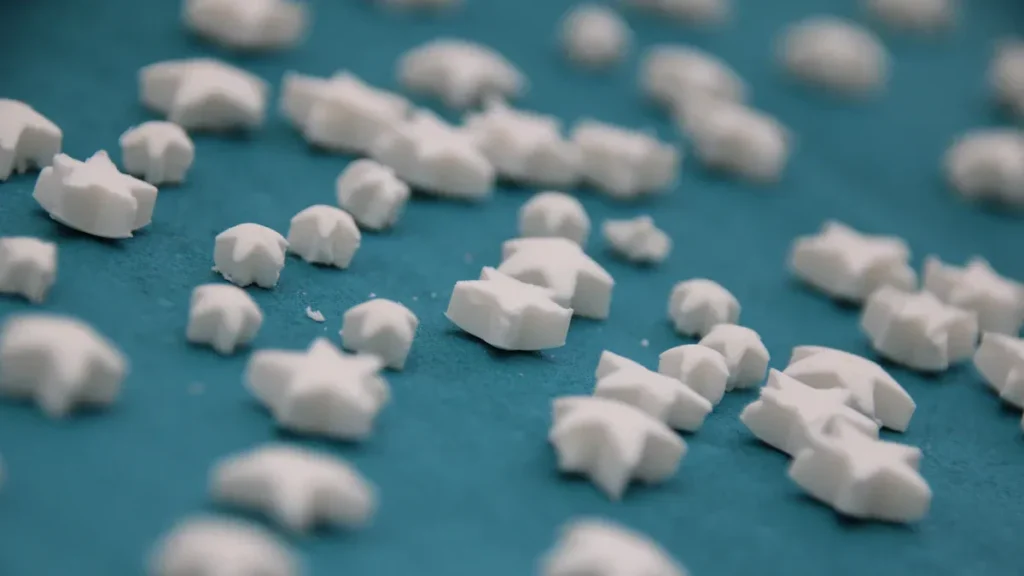
When you look at pe cosmetic tubes, you see that not all tubes are the same. The main difference comes from the type of polyethylene used. Each grade—ldpe, mdpe, and hdpe—brings its own strengths to cosmetic packaging. You need to know these differences to pick the right tube for your product.
LDPE Properties
LDPE stands for low-density polyethylene. This grade gives you a soft, flexible tube. You can squeeze it easily, which makes it perfect for creams and lotions. LDPE has a low density and a soft feel. It also has excellent impact resistance. If you drop a tube made from ldpe, it will not crack. This grade also resists stains and water. You get good electrical insulation, too, but that matters less for cosmetic packaging.
Here is a quick look at ldpe’s main features:
| Type | Density | Hardness | Characteristics | Melting Point | Tensile Strength |
|---|---|---|---|---|---|
| LDPE | Low | Soft | Impact resistance, stain resistance, water resistance | 239°F (115°C) | 1,400 psi |
You will find that ldpe is easy to use in production. It shapes well and lets you make tubes in many sizes. This grade is also used in lldpe, or linear low-density polyethylene. Lldpe gives you even more flexibility and strength. You can use lldpe for tubes that need to bend without breaking. Linear low-density polyethylene is great for cold weather, too. It keeps its shape and does not crack.
MDPE Properties
MDPE means medium-density polyethylene. This grade sits between ldpe and hdpe. You get a balance of flexibility and strength. Mdpe tubes feel firmer than ldpe but still let you squeeze out your product. This grade works well for ointments and richer creams. Mdpe gives you medium hardness and good impact resistance. You can use it for many types of cosmetic packaging.
Mdpe also uses lldpe in some blends. Linear low-density polyethylene helps mdpe tubes stay strong and flexible. You get better durability and a tube that holds up in daily use. Mdpe is a smart choice if you want both flexibility and strength.
HDPE Properties
HDPE stands for high-density polyethylene. This grade gives you a hard, strong tube. Hdpe has a high density and high tensile strength. You get a tube that keeps its shape and stands up to pressure. Hdpe also resists chemicals and UV light. If your product needs extra protection, hdpe is the best choice.
Here is a table to compare the main grades:
| Type | Density | Hardness | Characteristics | Melting Point | Tensile Strength |
|---|---|---|---|---|---|
| HDPE | High | Hard | Strong tensile strength, stiffness, chemical resistance, UV-resistant | 275°F (135°C) | 4,000 psi |
| MDPE | Middle | Medium | Balanced flexibility and strength | — | — |
| LDPE | Low | Soft | Flexible, impact resistant | 239°F (115°C) | 1,400 psi |
Hdpe tubes often use lldpe to improve flexibility. Linear low-density polyethylene helps hdpe tubes avoid cracking. You get a tube that is both strong and a bit flexible. Hdpe is popular for gels and products that need a tough barrier.
Note: Each polyethylene grade offers unique benefits. You should match the grade to your product’s needs for the best functionality and durability.
You can see that ldpe, mdpe, and hdpe all play important roles in pe cosmetic tubes. When you understand the differences, you can choose the right tube for your cosmetic packaging and ensure your product stands out.
Manufacturing Differences
When you look at LDPE, MDPE, and HDPE cosmetic tubes, you see more than just different materials. The way manufacturers make each type of tube also changes how the tube feels, looks, and works. Understanding these differences helps you pick the right tube for your product.
How Are PE Tubes Made?
Most PE cosmetic tubes use a process called extrusion. In this process, machines heat small plastic pellets until they melt. The melted plastic gets pushed through a mold to form a long, hollow tube. Workers then cut the tube into the right length for your product. After that, they add the cap and decorate the tube.
Tip: The type of polyethylene you choose affects how easy it is to shape and decorate your tube.
Key Manufacturing Differences
| Step | LDPE Tubes | MDPE Tubes | HDPE Tubes |
|---|---|---|---|
| Melting Temperature | Lower (softer) | Medium | Higher (harder) |
| Extrusion Speed | Fast | Medium | Slower |
| Tube Flexibility | Very flexible | Some flexibility | Rigid |
| Decoration | Easy to print | Easy to print | Needs special inks |
- LDPE tubes melt at lower temperatures. You can shape them quickly. The soft plastic flows easily through the mold. This makes LDPE tubes very flexible and squeezable. You can print bright colors and designs on them with little trouble.
- MDPE tubes need a bit more heat. The plastic is firmer, so the tube holds its shape better. You still get some flexibility, but the tube feels stronger in your hand. Printing and decorating MDPE tubes is also easy.
- HDPE tubes require the highest temperature. The plastic is hard and stiff. It takes longer to shape and cool these tubes. HDPE tubes resist dents and keep their shape. You may need special inks or printing methods because the surface is less smooth.
Why Do Manufacturing Differences Matter?
- If you want a soft, squeezable tube, LDPE works best. The manufacturing process makes it easy to create flexible tubes in many sizes.
- For a tube that feels sturdy but still squeezes, MDPE gives you a good balance. The process creates a tube that looks neat and feels strong.
- When you need a tough, rigid tube, HDPE is the top choice. The extra steps in manufacturing give you a tube that protects your product and stands up to rough handling.
Note: The right manufacturing process helps you get the tube that matches your product’s needs and your brand’s style.
You can talk to your packaging supplier about which process fits your product. They can show you samples and explain how each material will look and feel. This way, you make the best choice for your cosmetic packaging.
Applications of PE Cosmetic Tubes
When you look at how pe cosmetic tubes are used, you see that each type works for different products. Picking the right tube helps your lotion or cream last longer. It also makes it easier for people to use. You should match the tube to your product’s texture and how people use it. The table below shows how flexibility, stiffness, and strength change what each material is good for.
| Material | Flexibility | Rigidity | Stability | Key Features | Typical Applications |
|---|---|---|---|---|---|
| LDPE | High | Low | Low | Moisture barrier, lightweight | Hand lotion, travel lotion, facial lotion, body lotion, after-sun lotion |
| MDPE | Moderate | Moderate | Moderate | Impact resistance, smooth surface | Ointment, rich lotion, sunscreen lotion, medicated lotion, baby lotion |
| HDPE | Low | High | High | Chemical resistance, UV resistance | Gel lotion, acne lotion, whitening lotion, anti-aging lotion, foot lotion |
LDPE Applications
You pick ldpe when you need a soft tube. This material is best for light lotions that spread easily. LDPE tubes are used for hand lotion, facial lotion, and travel lotion. People like these tubes because they can squeeze out all the lotion. LDPE is great for daily lotion and after-sun lotion. You also see it in baby lotion and gentle skin lotion tubes. These tubes are light and strong. They keep lotion safe from moisture and help it stay fresh. You can print bright colors on ldpe tubes, so your product looks nice.
- Hand lotion tubes
- Travel lotion tubes
- Facial lotion tubes
- Baby lotion tubes
- After-sun lotion tubes
Tip: Pick ldpe tubes if you want people to squeeze out lotion easily.
MDPE Applications
Mdpe gives you both strength and some squeeze. You use mdpe for tubes that need to hold their shape but still bend a little. Mdpe tubes are good for ointment and rich lotion. You also see them in sunscreen and medicated lotion tubes. Mdpe is stiff enough to protect the lotion inside. The tube still feels nice to hold. Mdpe works for baby lotion and soothing lotion too. The smooth surface makes it easy to print labels. These tubes are strong and last through daily use.
- Ointment tubes
- Rich lotion tubes
- Sunscreen lotion tubes
- Medicated lotion tubes
- Baby lotion tubes
Note: Mdpe tubes are good when you want protection and a little squeeze for your lotion.
HDPE Applications
Hdpe is best for tubes that need to be very strong. You use hdpe for gel lotion, acne lotion, and whitening lotion. These tubes are also good for anti-aging lotion and foot lotion. Hdpe tubes are stiff and keep their shape, even with thick lotion inside. Hdpe does not let chemicals or sunlight hurt the lotion. You also see hdpe in sunscreen and medicated lotion tubes. The tube blocks UV light and keeps lotion safe. Hdpe tubes are best when you want lotion to last a long time and stay fresh.
- Gel lotion tubes
- Acne lotion tubes
- Whitening lotion tubes
- Anti-aging lotion tubes
- Foot lotion tubes
Tip: Use hdpe tubes for products that need extra protection or have strong ingredients.
How Flexibility, Rigidity, and Stability Affect Applications
You should match the tube’s features to your lotion’s needs. Flexible tubes like ldpe are best when people need to squeeze out lotion easily. Mdpe gives you both squeeze and strength, so it fits many lotions. Hdpe is the strongest and works for thick or special lotions.
- LDPE: Very flexible, great for easy-squeeze lotion tubes.
- MDPE: Balanced, good for tubes that need both squeeze and shape.
- HDPE: Stiff and strong, best for tubes that need lots of protection.
You can see that picking the right polyethylene helps your lotion stand out. Each tube type is good for different uses and keeps your product safe and easy to use.
Side-by-Side Comparison
Flexibility & Squeezability
When you choose pe cosmetic tubes, you want to know how easy it is for customers to squeeze out your product. Squeezability depends on the type of polyethylene used. LDPE gives you the softest tube. You can press it with little effort, and the tube bounces back after each use. HDPE feels much firmer. You need more force to squeeze out the contents, and the tube keeps its shape. MDPE sits in the middle. It offers a balance between easy squeezability and a sturdy feel.
Here is a table that shows how each material compares in flexibility and squeezability:
| Type of Polyethylene | Flexural Modulus (GPa) | Shore D Hardness | Squeezability | ESCR Survival Time in 10% Igepal |
|---|---|---|---|---|
| LDPE | 0.24 to 0.35 | 46 to 52 | Very easy | ~1 hour |
| MDPE | 0.69 to 0.90 | 52 to 56 | Moderate | 1000 hours or more |
| HDPE | 0.93 to 1.52 | 60 to 66 | Firm | >1000 hours |
- LDPE tubes give you the highest squeezability. Customers can get every drop of cream or lotion.
- MDPE tubes let you squeeze out thick creams but feel firmer in your hand.
- HDPE tubes are best for products that need a strong, rigid package. Squeezability is lower, but the tube protects the contents well.
Tip: If your product needs to be easy to dispense, pick LDPE for maximum squeezability.
Barrier & Chemical Resistance
You want your cosmetic product to stay fresh and safe. The tube’s barrier properties and chemical resistance help protect your formula. LDPE, MDPE, and HDPE all block moisture, but HDPE gives you the strongest barrier against oxygen and chemicals. This means your product lasts longer and stays stable.
The table below shows how each material performs:
| Property | LDPE (0.918 g/cm³) | MDPE (0.935 g/cm³) | HDPE (0.955 g/cm³) |
|---|---|---|---|
| O₂ Transmission (cc/m²/day) | 4,000–7,000 | 1,500–3,000 | 500–1,500 |
| Max. Use Temp (°C) | 80 | 90 | 110 |
- LDPE tubes allow more oxygen to pass through. They work well for products used quickly, like travel creams.
- MDPE tubes offer better protection. You can use them for richer creams and lotions that need to last longer.
- HDPE tubes have the lowest oxygen transmission. They keep gels and strong formulas safe from air and chemicals.
If your product contains active ingredients or needs extra protection, HDPE is the best choice. You can trust it to keep your formula stable.
Note: HDPE tubes are ideal for products with sensitive or strong ingredients.
Appearance & Finish
The look and feel of your tube matter for your brand. LDPE tubes have a shiny, glossy finish. They feel soft and flexible in your hand. MDPE tubes look smooth and neat. They offer a balance between shine and firmness. HDPE tubes have a matte finish. They feel solid and sturdy.
You can decorate all three types with bright colors and designs. LDPE and MDPE are easier to print on. HDPE may need special inks for best results. The finish you choose helps your product stand out on the shelf.
- LDPE: Shiny, flexible, easy to decorate.
- MDPE: Smooth, balanced, prints well.
- HDPE: Matte, rigid, needs special printing.
Tip: Match the tube’s appearance to your brand style for the best customer experience.
Cost Factors
When you choose a cosmetic tube, cost plays a big role. You want packaging that fits your budget and meets your needs. Each type of polyethylene—LDPE, MDPE, and HDPE—comes with its own price range. The cost depends on the material, how easy it is to make, and the features you want.
Here is a table that shows the main cost differences:
| Tube Material | Raw Material Cost | Manufacturing Cost | Decoration Cost | Overall Price Range |
|---|---|---|---|---|
| LDPE | Low | Low | Low | $ |
| MDPE | Medium | Medium | Medium | $$ |
| HDPE | High | High | Medium-High | $$$ |
- LDPE tubes cost less. The material is easy to find and shape. You can make LDPE tubes quickly, which saves money. Decoration is simple, so you spend less on printing and design.
- MDPE tubes sit in the middle. The material costs more than LDPE, but less than HDPE. Manufacturing takes a bit longer. You pay a moderate price for these tubes.
- HDPE tubes cost the most. The material is strong and needs more heat to shape. Manufacturing takes extra time. Decoration may need special inks, which adds to the cost.
Tip: If you want to save money, choose LDPE tubes for simple products. If your product needs extra protection or a premium look, HDPE tubes are worth the higher price.
Other cost factors include tube size, layer structure, and decoration style. Bigger tubes use more material and cost more. Tubes with extra layers, like EVOH, add to the price. Special printing, metallic finishes, or custom shapes also increase costs.
You should balance your budget with your product’s needs. Sometimes, spending a little more on packaging helps your product stand out and last longer.
Specification Ranges
You need to know the specification ranges for each type of tube. These ranges tell you what sizes, thicknesses, and shapes you can choose. LDPE, MDPE, and HDPE tubes offer different options.
Here is a quick look at the main specification ranges:
| Tube Material | Diameter Range | Wall Thickness | Length Range | Common Shapes |
|---|---|---|---|---|
| LDPE | 13–60 mm | 0.4–0.7 mm | 50–200 mm | Round, oval |
| MDPE | 16–50 mm | 0.5–0.8 mm | 60–180 mm | Round, oval |
| HDPE | 19–50 mm | 0.6–1.0 mm | 70–180 mm | Round, oval |
- LDPE tubes give you the widest range of sizes. You can pick thin or thick walls. LDPE works for small travel tubes and large body lotion tubes.
- MDPE tubes offer medium ranges. You get sturdy walls and many length options. MDPE fits most creams and ointments.
- HDPE tubes have thicker walls. These tubes work best for products that need strong protection. HDPE is good for gels and lotions that come in medium or large sizes.
You can also choose different shapes. Most tubes are round or oval. Some brands use custom shapes to stand out. The tube’s diameter and length affect how much product you can fit inside.
Note: Always check the specification ranges before you order tubes. Make sure the tube size matches your product and brand style.
You can talk to your supplier about custom options. They can help you pick the right diameter, wall thickness, and length for your cosmetic product.
Layer Technology: Mono-layer vs. 5-Layer (EVOH)
One of the most common mistakes in cosmetic packaging procurement is overlooking oxygen permeability.
- Mono-layer & 2-Layer Tubes: Suitable for stable formulas like basic cleansers or hair conditioners. They are cost-effective but offer limited protection against oxidation.
- 5-Layer Co-extruded Tubes (with EVOH): These feature an EVOH (Ethylene Vinyl Alcohol) barrier layer.
- Why EVOH? It prevents oxygen from entering and fragrances from escaping.
- Recommendation: For products containing active ingredients (Vitamin C, Retinol) or essential oils, 5-layer tubes are mandatory to ensure a 12-24 month shelf life.
Customization & Decoration: Turning Packaging into Branding
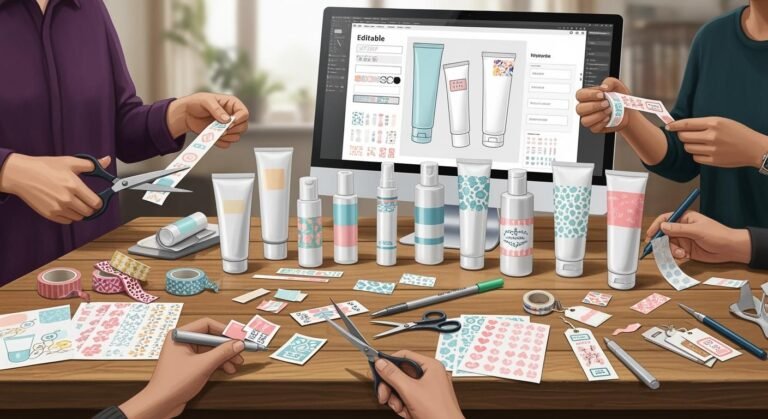
To stand out on the shelf, your PE tube needs professional finishing. We offer several industry-leading decoration methods:
- Offset Printing: Best for complex, multi-color designs with gradients (up to 6-8 colors).
- Silk Screen Printing: Provides a raised, premium texture and vibrant colors. Ideal for minimalist designs.
- Hot Stamping (Foil): Adds a metallic gold, silver, or rose gold finish to elevate brand prestige.
- Labeling: A versatile option for small batches or high-gloss photographic effects.
The Sustainability Shift: Green PE and PCR
In 2025, eco-friendly packaging is no longer optional—it’s a requirement for global market entry (especially in the EU and North America).
- PCR (Post-Consumer Recycled) PE: We can incorporate 10% to 100% recycled plastic into your tubes, significantly reducing carbon footprints.
- Sugarcane PE (Green PE): Derived from renewable sugarcane ethanol. It is 100% recyclable and looks/feels identical to traditional PE.
- Monomaterial Design: By using a PE tube with a PE cap, the entire unit becomes “ready to recycle,” simplifying the waste stream for consumers.
Technical Specifications for Sizing
Choosing the right diameter is the first step in the design process.
- D13mm to D19mm: Ideal for lip balms and eye creams (5ml – 20ml).
- D30mm to D40mm: Standard for facial cleansers and hand creams (30ml – 150ml).
- D50mm to D60mm: Perfect for body lotions and hair masks (150ml – 400ml).
Choosing the Right Tube
Formula Compatibility
You want your lotion to stay fresh and work well for your customers. The tube you pick must match your formula. Some lotions have ingredients that react with air or light. Others are thick and hard to squeeze out. You need to check if your lotion fits best with ldpe, mdpe, or hdpe tubes.
Here is a table that shows common compatibility issues:
| Tube Material | Compatibility Issue | Example Ingredient |
|---|---|---|
| LDPE | Degradation of sensitive ingredients due to oxygen permeation | Vitamin C, botanical extracts |
| HDPE | Difficulty dispensing thick products | Clay masks |
| MDPE | Potential for product waste and user frustration | Thick balms |
If your lotion contains vitamin C or plant extracts, ldpe tubes may let in too much air. This can make your lotion lose its power. Hdpe tubes block air better, so they protect sensitive lotions. However, hdpe tubes feel stiff. Thick lotions or clay masks can be hard to squeeze out. Mdpe tubes give you a balance. They work for many lotions but can still cause waste if your product is very thick.
Tip: Always test your lotion in the tube before you launch your product. This helps you avoid problems and keeps your customers happy.
Packaging Requirements
You want your cosmetic packaging to do more than just hold lotion. It must protect your product, look good, and feel easy to use. Many brands look for tubes that keep lotion safe from air, light, and moisture. You also want a tube that matches your lotion tube design and makes it simple for people to use every drop.
Here is a table that lists the most important packaging requirements:
| Factor | Description |
|---|---|
| Product Compatibility | The material must be suitable for the product, ensuring resistance to moisture and air. |
| Barrier Properties | Tubes must protect against light, oxygen, and moisture to maintain product stability. |
| User Experience | Packaging should be easy to use, with materials that provide convenience for consumers. |
| Aesthetic Appeal | The design and finish of the tube should enhance brand image and attract customers. |
| Environmental Impact | Consideration of sustainable materials that are recyclable or biodegradable is increasingly important. |
You should pick a tube that matches your lotion’s needs. If your lotion is sensitive, choose a tube with strong barrier properties like hdpe. If you want a soft, squeezable tube, ldpe works well for most lotions. Mdpe tubes offer a middle ground for lotions that need both protection and easy use.
Note: Think about how your lotion tube design will look and feel in your customer’s hand. Good packaging makes your lotion stand out in the market.
Branding & Aesthetics
Your lotion tube design tells your story. The tube acts as a mini billboard for your brand. You want your cosmetic packaging to catch the eye and show off your logo, colors, and message. Squeeze tubes give you a large area to print on. This helps your lotion stand out on the shelf.
- Squeeze tubes give you a 360-degree space for your brand. You can print bright colors, bold logos, and clear instructions.
- Tubes cost less than glass or hard plastic bottles. This makes them a smart choice for many brands in the market.
- You can customize your tube with different shapes, caps, and finishes. This lets you match your lotion tube design to your brand’s style.
You can pick a shiny ldpe tube for a soft, modern look. Mdpe tubes give you a smooth, neat finish. Hdpe tubes offer a matte, sturdy feel. Each type helps you create a unique lotion tube design that fits your brand.
Tip: Work with your supplier to see samples and try different finishes. This helps you find the best look for your lotion and your brand.
Budget Considerations
You want your lotion to look great and stay safe, but you also need to watch your costs. Picking the right tube for your lotion helps you balance quality and price. You see many choices in the market, and each option affects your budget in different ways.
First, think about the type of tube you need. LDPE tubes cost less. You can use them for everyday lotion or travel-size lotion. HDPE tubes cost more because they are stronger and last longer. MDPE tubes sit in the middle. You pay a bit more than LDPE, but you get better protection for your lotion.
Here is a table to help you compare the costs:
| Tube Type | Cost Level | Best for Lotion Type | Durability | Decoration Options |
|---|---|---|---|---|
| LDPE | Low | Daily lotion, travel lotion | Basic | Many |
| MDPE | Medium | Rich lotion, sunscreen lotion | Good | Many |
| HDPE | High | Gel lotion, premium lotion | Best | Special inks |
You also need to think about the size and shape of your tube. Bigger tubes use more material, so they cost more. Special shapes or custom designs add to the price. If you want your lotion to stand out in the market, you may spend more on packaging.
Decoration matters too. Simple printing costs less. If you want bright colors or metallic finishes, you pay extra. HDPE tubes sometimes need special inks, which can raise your costs.
Here are some tips to help you save money:
- Choose LDPE tubes for basic lotion or travel lotion.
- Use standard shapes and sizes for your lotion tubes.
- Pick simple decoration styles for your lotion packaging.
- Order tubes in larger quantities to get better prices.
Tip: Ask your supplier for samples before you order. You can see how your lotion looks in each tube and pick the best option for your brand.
You want your lotion to fit your budget and your brand style. Xinfly Packaging can help you find the right tube for your lotion. They offer expert advice and samples, so you make smart choices for your lotion in the market.
Sustainability & Recyclability

Environmental Impact
When you pick the right packaging, you help the environment. Making LDPE, MDPE, and HDPE tubes uses energy and makes greenhouse gases. Using recycled materials saves energy and natural resources. Recycling plastic uses much less energy than making new plastic. The type of polyethylene and how you recycle it changes the impact. HDPE is easier to recycle in most places. LDPE and MDPE are not recycled as often. Choosing recyclable packaging helps protect the earth.
Tip: Ask your supplier if their tubes use recycled polyethylene. This helps lower your carbon footprint.
Recyclability of Polyethylene Tubes
You want packaging that is easy to recycle. Polyethylene tubes can be recycled, but each type is different. HDPE tubes are the easiest to recycle. Most recycling centers take them. LDPE and MDPE tubes are not accepted everywhere. You may need to check with your local recycling center. Recycling these tubes saves energy and cuts down on waste. How easy it is to recycle depends on the tube and your local system.
Here is a table that shows how each type compares:
| Tube Type | Recyclability | Common Recycling Symbol | Notes |
|---|---|---|---|
| LDPE | Moderate | #4 | Less accepted in curbside programs |
| MDPE | Moderate | #2 or #4 | Check local guidelines |
| HDPE | High | #2 | Widely accepted |
- HDPE tubes are the best for recycling.
- LDPE and MDPE tubes might need special recycling programs.
- Simple tube designs without extra layers are easier to recycle.
Note: Take off caps and labels before recycling. This makes recycling easier.
Eco-Friendly Options
You can pick eco-friendly packaging for your cosmetics. Many brands use PCR tubes made from recycled materials. These tubes help lower your carbon footprint and work well. PCR tubes may cost more, but they are better for the planet. New polyethylene tubes can protect products as well as aluminum tubes. Some companies mix materials to make tubes stronger and easier to recycle.
Here are some eco-friendly choices:
- PCR tubes: Made from recycled polyethylene, save energy, and are easy to recycle.
- Hybrid tubes: Use different materials to make recycling and protection better.
- Modern plastic tubes: Use new plastics for better sustainability and recycling.
Choosing recyclable and recycled packaging helps the earth. Eco-friendly packaging shows customers you care about the planet.
Tip: Tell your customers about your eco-friendly packaging. People like brands that care about the environment.
Customization in Cosmetic Packaging
Printing & Decoration
You can make your cosmetic tubes stand out with many printing and decoration options. These techniques help you show off your brand and attract customers. When you choose the right method, your packaging design looks professional and unique.
- Silk screen printing works well for bold logos or text. It creates a raised, textured print that feels special.
- Offset printing gives you smooth finishes and is great for large orders with detailed designs.
- Hot stamping adds shiny metallic elements. This makes your tube look more luxurious.
- Heat transfer printing lets you use full-color images with perfect alignment.
- Digital printing is best for small batches or when you want to personalize each tube.
- Embossing and debossing create raised or pressed patterns. These effects add a premium touch.
- Pearl or iridescent effects give your tube a shimmer, perfect for high-end products.
- Gradient coloring creates smooth color transitions. This style is popular in modern packaging.
- Soft-touch coating makes the tube feel velvety and improves grip.
- Transparent or frosted finishes keep the look clean and let customers see the product inside.
- Metallic and chrome layers reflect light and work well for luxury lines.
Tip: Try combining two or more decoration methods to create a unique look for your brand.
Labeling Choices
You have several ways to label your cosmetic tubes. Each option helps you share important information and boost your brand image. Direct printing puts your logo and details right on the tube. This method looks clean and lasts a long time. You can also use pressure-sensitive labels. These labels stick to the tube and can show bright colors or special finishes. Shrink sleeves wrap around the whole tube. They give you 360-degree coverage for bold designs.
When you pick a labeling method, think about how it fits with your packaging design. Direct printing works best for simple, clean looks. Labels and sleeves are good for detailed graphics or when you want to change designs often.
Note: Always check that your labels stay on the tube and do not peel off during use.
Caps & Closures
Caps and closures play a big role in how customers use your product. You can choose from many types, such as flip-top caps, screw caps, and nozzle tips. Flip-top caps make it easy to open and close the tube with one hand. Screw caps give a tight seal and work well for travel. Nozzle tips help control how much product comes out, which is great for gels or spot treatments.
You can also pick special shapes or colors for your caps. Some brands use metallic or matte finishes to match the tube. Others add tamper-evident seals for safety. When you work with custom lotion tube manufacturing, you get more choices for caps and closures. This helps you match the tube to your product and brand style.
Tip: Test different caps to see which one your customers like best. The right closure makes your product easier to use and keeps it fresh.
Shapes & Sizes
You can make your cosmetic tubes stand out by choosing the right shapes and sizes. The shape of your tube changes how people see your product. The size affects how much product you can sell and how easy it is to use. When you pick the best shape and size, you help your brand look unique and make your product more user-friendly.
Common Tube Shapes
Most cosmetic tubes come in a few basic shapes. Each shape has its own benefits.
- Round tubes: These are the most popular. They feel comfortable in your hand and work well for creams and lotions.
- Oval tubes: These tubes look modern and save space on the shelf. They also give you a bigger area for printing your design.
- Flat tubes: These tubes look slim and fit well in pockets or bags. They are great for travel-size products.
- Custom shapes: You can create a special shape to match your brand. Some brands use heart, star, or even animal shapes for fun products.
Tip: Pick a shape that matches your product’s use. For example, a flat tube works well for hand cream you carry in your bag.
Tube Size Options
You can choose from many tube sizes. The size you pick depends on your product and how customers use it. Here is a table to help you compare common sizes:
| Tube Diameter | Typical Volume | Best Use Example |
|---|---|---|
| 13–19 mm | 5–15 ml | Eye cream, lip balm |
| 20–30 mm | 15–50 ml | Hand cream, sunscreen |
| 35–50 mm | 50–120 ml | Body lotion, hair mask |
| 50–60 mm | 120–250 ml | Shower gel, body cream |
Small tubes work well for samples or travel kits. Medium tubes fit daily products like hand cream. Large tubes are best for body lotion or shower gel.
Why Shape and Size Matter
The right shape and size help your product stand out. A unique tube shape can catch a shopper’s eye. The right size makes your product easy to use and carry. You also control how much product customers get, which helps with pricing and value.
- Small tubes encourage people to try new products.
- Large tubes offer better value for family-size products.
- Custom shapes help your brand look special.
Note: Always test your tube shape and size with real users. This helps you find out what works best for your customers.
You can talk to your supplier about custom options. Many companies, like Xinfly Packaging, offer samples so you can see and feel different shapes and sizes before you decide. This helps you make the best choice for your brand and your customers.
Quality & Compliance
Regulatory Standards
You want your cosmetic tubes to follow important rules. Every country has its own laws for packaging. You must follow these laws to sell your products safely. The table below lists the main standards for LDPE, MDPE, and HDPE tubes:
| Regulatory Standard | Description |
|---|---|
| FDA Regulations | Follows U.S. cosmetic packaging rules. |
| EU Regulations | Meets European packaging laws. |
| ISO 22716 | Shows good manufacturing and tracking. |
| GMP | Proves quality with good practices. |
Check that your tubes meet FDA rules if you sell in the U.S. For Europe, follow EU laws. ISO 22716 and GMP help keep your factory safe and clean. These rules protect your customers and your brand.
Note: Always ask your supplier for proof before you buy tubes.
Testing & Certification
You want your packaging to be safe and strong. Testing and certification help you check this. Good suppliers test their tubes for leaks and strength. They use machines to see if the tube can handle drops or pressure. They also test if the tube keeps your product safe from air and light.
Look for tubes with certificates from trusted labs. These papers show the tubes passed safety and quality tests. Some common tests are:
- Drop tests
- Squeeze tests
- Barrier tests for air and moisture
- Chemical resistance tests
If your tubes pass these tests, your product will stay safe and fresh.
Tip: Ask for test reports and certificates when you pick a new tube supplier.
Xinfly Packaging Quality
You want a partner who cares about quality. Xinfly Packaging follows strict rules for every tube they make. They use modern machines and skilled workers to check each step. Their team tests every batch for leaks and strength. They also keep records to track every tube back to its source.
Xinfly Packaging meets global standards like ISO 22716 and GMP. They help you follow FDA and EU rules for your market. When you work with Xinfly Packaging, you get tubes that protect your product and help your brand. You can trust them to deliver safe, high-quality packaging every time.
Tip: Pick a supplier like Xinfly Packaging to make sure your tubes meet all safety and quality rules.
Sourcing PE Cosmetic Tubes
Supplier Checklist
When you start looking for suppliers, you want to make sure you get the best tubes for your products. A good checklist helps you compare options and avoid problems later. You can use the table below to guide your search. Each point helps you check if the supplier meets your needs for quality, safety, and sustainability.
| Criteria | Description |
|---|---|
| Product Integrity | Make sure the tube keeps its shape and does not harm your formula. |
| Compatibility | Test if your product works well with the tube material. |
| Sustainability | Ask if the tube is recyclable and follows local recycling rules. |
| Mono-material Design | See if the tube and cap use the same plastic for easier recycling. |
| Impact of Decoration on Recycling | Check if printing or decoration makes recycling harder. |
Tip: Use this checklist when you talk to suppliers. It helps you find tubes that protect your product and support your brand’s values.
Key Questions to Ask
You want to feel confident before you choose a supplier. Asking the right questions helps you learn about their products and services. Here are ten important questions you should ask:
- What materials do you offer, and are they compatible with my formula?
- What are your customization options?
- What is your minimum order quantity (MOQ)?
- What is the lead time for sample production, mass production, and shipping?
- Can you provide physical samples before final approval?
- What quality control measures do you have in place?
- What certifications or testing reports can you provide?
- What is your pricing structure and payment terms?
- Do you offer logistic support, including customs clearance?
- What is your after-sales support policy?
Note: Write down the answers to these questions. You can compare suppliers and choose the one that fits your needs best.
Working with Xinfly Packaging
You want a supplier who understands your goals and helps your brand grow. Xinfly Packaging offers expert advice and a wide range of pe cosmetic tubes. Their team helps you test formulas and choose the right tube material. You can ask for samples to see how your product looks and feels in each tube. Xinfly Packaging supports you with custom designs, fast production, and reliable shipping.
You get help with quality checks and certifications. The team explains recycling options and helps you pick eco-friendly tubes. If you have questions, Xinfly Packaging answers quickly and solves problems. You can trust them to deliver safe, attractive packaging that matches your brand’s style.
Tip: Reach out to Xinfly Packaging for samples and advice. You can work together to create packaging that stands out and keeps your product safe.
You now know how LDPE, MDPE, and HDPE each offer unique benefits for pe cosmetic tubes. Think about your product’s formula, how customers use it, and what image you want for your brand. Reach out to suppliers like Xinfly Packaging for samples or expert advice. When you choose the right tube, you help your product stand out and stay safe. Smart choices lead to stronger brands.
- LDPE: Most flexible with excellent squeeze-back, ideal for hand creams and facial cleansers.
- MDPE: Balances flexibility with firmness, suitable for thicker ointments.
- HDPE: High stiffness and chemical resistance, best for gels or products requiring strong protection.
Ready to Elevate Your Brand Packaging?
Get expert advice on the best PE material and barrier technology for your specific formula.
Get Free Quote & Samples