
PE Cosmetic Tubes: The Ultimate Guide (LDPE vs. MDPE vs. HDPE)

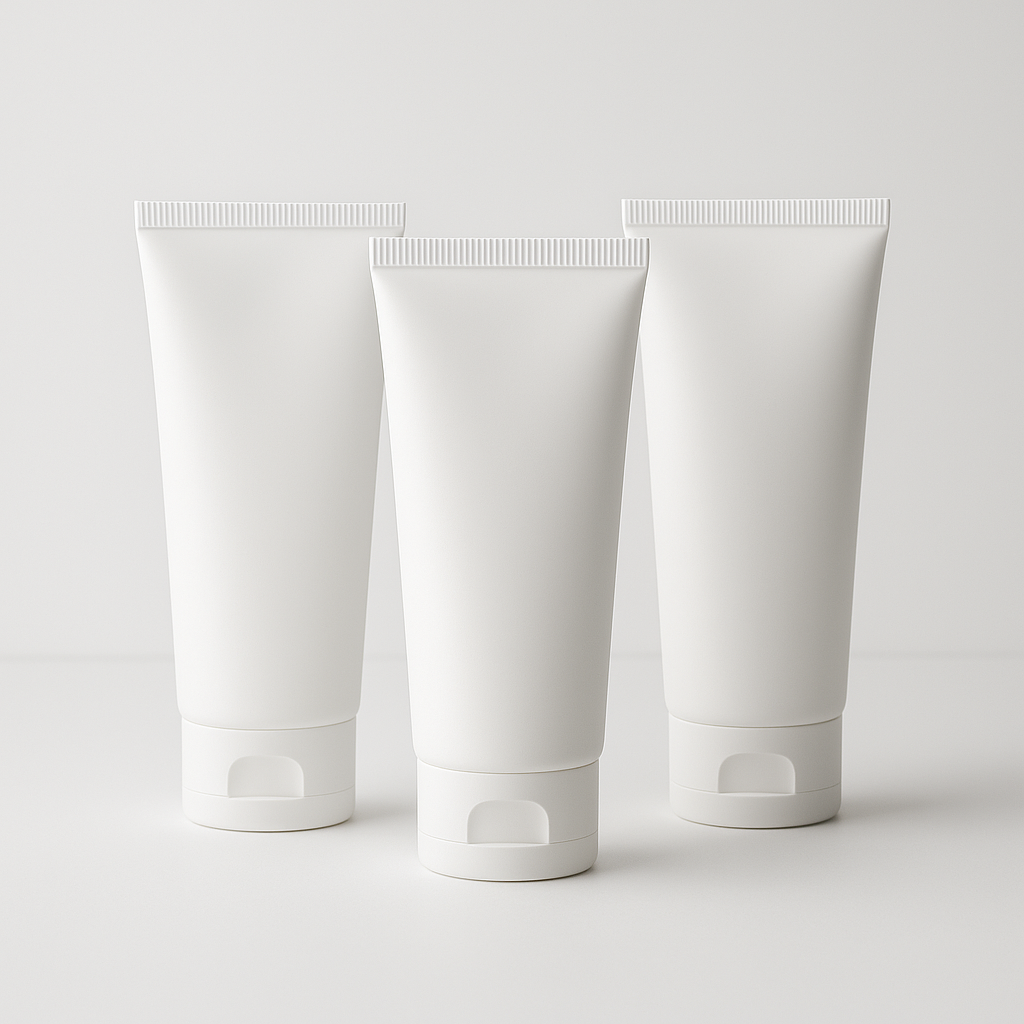
You want the best pe cosmetic tubes for your product. The right choice depends on what your formula needs. If you want tubes that bend easily, LDPE is a good pick. If you need stronger tubes, MDPE or HDPE are better. The table below shows how each tube material works for different cosmetic products:
| PE Type | Flexibility | Barrier Protection | Cost | Best Use |
|---|---|---|---|---|
| LDPE | High | Low | Low | Soft creams, travel tubes |
| MDPE | Medium | Medium | Medium | Ointments, richer creams |
| HDPE | Low | Medium-High | Higher | Thick gels, durable tubes |
You can also mix these materials. This helps make tubes with special hardness for different packaging needs.
Quick Selector for PE Cosmetic Tubes
Comparison Chart
You want to choose the right tube for your cosmetic product. The chart below helps you compare the main types of pe tubes. You can see how each type works for different needs.
| Tube Type | Flexibility | Barrier Protection | Strength | Squeezability | Best For |
|---|---|---|---|---|---|
| LDPE | Very High | Low | Low | Excellent | Creams, lotions, travel sizes |
| MDPE | Medium | Medium | Medium | Good | Ointments, thicker creams |
| HDPE | Low | High | High | Fair | Gels, sunscreens, strong formulas |
Tip: If you want a tube that is easy to squeeze, LDPE works best. If you need a tube that protects your product from air and moisture, HDPE is a better choice.
Guide to Choosing
You can follow these steps to pick the best pe cosmetic tubes for your product:
- Check Your Product’s Texture
- If your product is soft or runny, you need a flexible tube. LDPE gives you the most flexibility.
- If your product is thick or firm, you need a stronger tube. HDPE or MDPE works better.
- Think About Barrier Needs
- Some products need more protection from air or light. HDPE gives you the best barrier.
- For products that do not spoil easily, LDPE or MDPE is enough.
- Decide on Squeezability
- If you want your customers to squeeze out every drop, choose LDPE.
- If you want a tube that holds its shape, pick HDPE.
- Consider Chemical Resistance
- Some formulas have strong ingredients. All pe tubes resist many chemicals, but HDPE gives you the most protection.
- Look at Cost and Appearance
- LDPE costs less and feels soft. HDPE costs more but looks and feels sturdy.
- MDPE gives you a balance between the two.
- Ask About Custom Blends
- You can mix LDPE, MDPE, and HDPE to get special hardness or feel. This helps you match your brand style.
Note: Always test your product with the tube you choose. This makes sure your formula stays safe and fresh.
You can use this quick selector to make smart choices for your pe cosmetic tubes. You will find the right balance of flexibility, strength, and protection for your brand.
PE Cosmetic Tubes in Cosmetic Packaging
Overview of PE Tubes
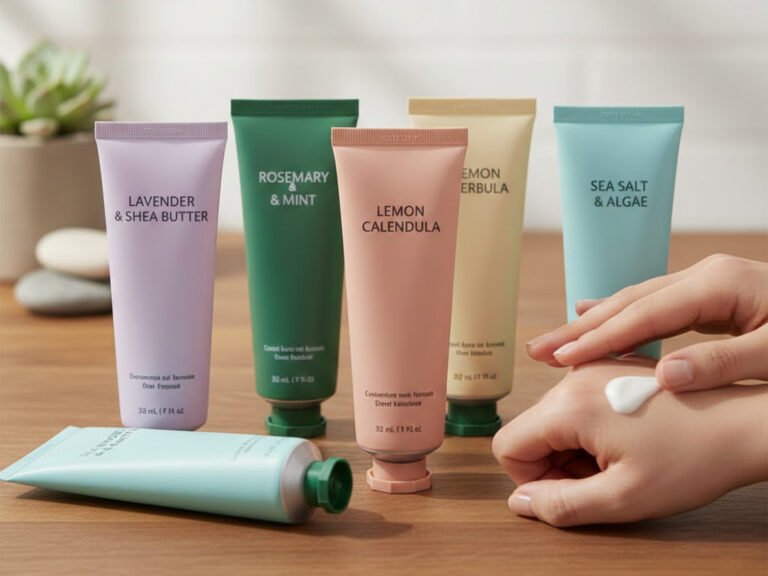
You see PE tubes everywhere in the beauty world. These tubes hold many types of products you use every day. PE stands for polyethylene. This material gives you a safe and strong way to store creams, gels, and lotions. You find these tubes in many shapes and sizes. Some tubes feel soft and easy to squeeze. Others feel firm and protect thick formulas. PE tubes help brands keep products fresh and easy to use.
You use PE cosmetic tubes for many reasons. They work well for daily-use skincare such as cleansers and moisturizers. You also find them in hand and body creams. Sunscreen, after-sun gels, and soothing lotions often come in these tubes. Even oral and personal hygiene formulas use PE tubes. This shows how important these tubes are in personal care packaging.
Why Use PE for Cosmetic Packaging
You want your product to stay safe and look good. PE gives you both. This material does not react with most formulas. It keeps your creams and gels from leaking or drying out. You can squeeze out every drop with little waste. PE also lets you shape the tube in many ways. You can pick a soft tube for easy use or a firm tube for strong protection.
PE works well for both small and large packaging. You can use it for travel-size tubes or big family packs. The surface of PE lets you print bright colors and clear labels. This helps your product stand out on the shelf. You also get a tube that feels good in your hand and works well every time.
Key Advantages
You get many benefits when you choose PE for cosmetic packaging:
- Flexibility: PE tubes bend and squeeze easily. This makes them perfect for soft creams and lotions.
- Strength: These tubes protect your product from bumps and drops.
- Barrier Protection: PE keeps air and moisture out. Your product stays fresh longer.
- Chemical Resistance: PE does not break down with most cosmetic formulas.
- Custom Options: You can pick the size, shape, and color you want.
- Safe for Skin: PE is gentle and safe for personal care packaging.
Tip: If you want a tube that matches your brand style, PE gives you many choices. You can blend different types of PE to get the right feel and look.
You see PE cosmetic tubes in almost every part of the beauty and personal care world. They help you deliver safe, fresh, and easy-to-use products to your customers.
LDPE Tubes: Properties and Uses
What Is LDPE
You often see LDPE in cosmetic packaging. LDPE stands for low-density polyethylene. Manufacturers create LDPE by polymerizing ethylene under high pressure. This process gives LDPE a branched structure. You notice that LDPE feels softer and more flexible than other types of polyethylene. LDPE is lightweight and cost-effective, making it a popular choice for many brands.
LDPE has a high degree of inertness. This means it does not react with most cosmetic formulas. You find LDPE used in food processing, medical devices, and even construction. Its strong resistance to moisture and good barrier to gases and vapors help keep your product fresh.
LDPE Tube Properties
Flexibility
You want a tube that bends easily and feels soft in your hand. LDPE gives you this flexibility. You can squeeze the tube without much effort. This makes it perfect for products you use every day, like creams and gels. LDPE’s branched structure allows the tube to return to its shape after squeezing. Your customers enjoy getting every last drop from the tube.
Barrier Performance
You need your product to stay safe from air and moisture. LDPE provides a good barrier to gases, vapors, and moisture. While it does not offer the highest barrier protection among pe types, it keeps most creams and lotions fresh for a long time. LDPE’s lightweight nature also helps reduce shipping costs. You get a tube that protects your product and saves money.
Chemical Resistance
You want your cosmetic tube to resist strong ingredients. LDPE has excellent chemical resistance. It does not break down when exposed to most cosmetic formulas. This property makes LDPE safe for storing a wide range of products. You can trust LDPE tubes to keep your creams, gels, and cleansers stable.
LDPE Tube Applications
You find LDPE tubes in many cosmetic products. Brands use LDPE tubes for gels, creams, and facial cleansers. The flexibility and squeezability of LDPE make it ideal for these applications. You can easily dispense the product without wasting any. LDPE tubes also work well for travel-size packaging. You get a tube that fits in your bag and stands up to daily use.
Tip: If you want a tube that feels soft and lets you squeeze out every drop, LDPE is a smart choice for your pe cosmetic packaging.
When to Choose LDPE
You want your cosmetic packaging to match your product’s needs. LDPE works best for certain types of formulas and user experiences. You should consider LDPE tubes when you want a soft, squeezable package that feels comfortable in your hand. This material gives you the flexibility that many customers enjoy.
Here are some situations where LDPE is the right choice for your pe cosmetic tubes:
- Soft and Runny Products
If your product has a light or creamy texture, LDPE makes it easy for users to squeeze out just the right amount. You see this with lotions, facial cleansers, and travel-size creams. - Daily Use Items
You want your customers to use every drop of your product. LDPE tubes let them do this without much effort. The tube bounces back to its shape after each squeeze, so it always looks neat. - Travel-Friendly Packaging
You need a tube that can handle bumps and pressure changes. LDPE’s flexibility helps prevent cracks or leaks in travel-size pe tubes. Your customers can toss these tubes in a bag without worry. - Cost-Effective Solutions
If you want to keep packaging costs low, LDPE is a smart pick. You get a reliable tube that protects your product and saves money. - Gentle Formulas
You use LDPE for products that do not need the highest barrier protection. Many gentle creams, gels, and cleansers work well in LDPE pe tubes.
Tip: Always test your formula with the tube you choose. Some ingredients may need more barrier protection. If your product is sensitive to air or light, you might need to blend LDPE with other pe types for better results.
You should also think about the user experience. LDPE tubes feel soft and easy to squeeze. This makes them popular for products that need frequent use. If you want your brand to stand out with a friendly, approachable package, LDPE gives you that option.
You can ask your packaging supplier about custom blends. Mixing LDPE with other pe materials can help you adjust the tube’s hardness or barrier properties. This way, you get the best features for your product.
Choosing the right pe tube helps you protect your formula and build customer trust. LDPE gives you a flexible, affordable, and user-friendly option for many cosmetic products.
MDPE Tubes: Properties and Uses
What Is MDPE
You might wonder how MDPE is different from other pe types. MDPE means medium-density polyethylene. It is not as soft as LDPE and not as hard as HDPE. MDPE gives you both strength and flexibility. This means the tube feels strong but is still easy to squeeze. Many brands use MDPE for tubes that need to be soft and tough at the same time. You see MDPE tubes in products that need to last but also feel nice to use.
MDPE Tube Properties
Strength and Flexibility
MDPE is strong and flexible at the same time. You can squeeze the tube easily. The tube does not lose its shape or break. This makes MDPE good for pe cosmetic tubes you use every day. The tube does not dent or crack if you drop it. MDPE also handles pressure well, so it does not leak.
Here is a table that shows how MDPE is different from LDPE and HDPE:
| Property | MDPE | LDPE | HDPE |
|---|---|---|---|
| Density | Medium-density | Low-density | High-density |
| Flexibility | Retains excellent flexibility | High flexibility | Less flexible |
| Impact Resistance | High impact resistance | Moderate impact resistance | High impact resistance |
| Stress Cracking Resistance | Better resistance | Lower resistance | Moderate resistance |
Note: MDPE does not crack as easily as LDPE. This means your tube lasts longer and keeps your product safe.
Barrier and Chemical Resistance
You want your pe cosmetic tubes to keep your product safe. MDPE stops air and water from getting in. This helps your creams and lotions stay fresh. MDPE also does not react with most chemicals in your product. Your formula stays safe inside the tube.
MDPE Tube Applications
You see MDPE tubes in many beauty products. Brands pick MDPE when they want a tube that is strong and easy to squeeze. Here are some products that use MDPE tubes:
| Common Cosmetic Products |
|---|
| Shampoo |
| Body Wash |
| Lotion |
You find MDPE pe tubes in shampoos, body washes, and lotions. These tubes can handle lots of squeezing and rough use. MDPE gives you a tube that protects your product and feels good to use.
Tip: If you want a tube that is strong and keeps your product fresh, MDPE is a good choice for your pe cosmetic packaging.
When to Choose MDPE
You want your cosmetic packaging to match your product’s needs. MDPE tubes give you a balance between flexibility and strength. You should consider MDPE when you need a tube that feels soft but also stands up to daily use. MDPE works well for many pe cosmetic products.
Here are some situations where MDPE is the right choice:
- Medium-thick Formulas
You have creams or lotions that are not too runny and not too thick. MDPE tubes let you squeeze out the product easily. The tube does not collapse or lose its shape. - Products That Need Extra Protection
You want your product to stay fresh. MDPE gives you better barrier protection than LDPE. Your creams and lotions last longer in pe tubes made from MDPE. - Frequent Use Items
You sell products that customers use every day. MDPE tubes handle lots of squeezing and rough handling. The tube does not crack or leak. - Travel and On-the-Go Packaging
You want a tube that can go in a bag or suitcase. MDPE tubes resist dents and pressure. Your product stays safe during travel. - Balanced Cost and Performance
You need a tube that is not too expensive but still strong. MDPE gives you a good balance. You get a tube that protects your product and saves money.
Tip: If you want a pe tube that is stronger than LDPE but not as rigid as HDPE, MDPE is a smart choice.
You should also think about your brand’s image. MDPE tubes look smooth and feel comfortable in your hand. You can print bright colors and clear labels on the surface. This helps your product stand out on the shelf.
Here is a quick table to help you decide if MDPE is right for your pe cosmetic packaging:
| Situation | Is MDPE a Good Choice? |
|---|---|
| Medium-thick creams or lotions | ✅ Yes |
| Need for better barrier protection | ✅ Yes |
| Frequent squeezing or handling | ✅ Yes |
| Travel-size packaging | ✅ Yes |
| Very thick gels | ❌ No |
| Very runny liquids | ❌ No |
You want your customers to enjoy using your product. MDPE tubes give them a package that feels good and works well. You can ask your supplier about custom blends. Mixing MDPE with other pe types lets you adjust the tube’s hardness or barrier properties. This way, you get the best features for your product.
Note: Always test your formula with the tube you choose. Some ingredients may need more protection. MDPE gives you a strong and flexible option for many pe cosmetic products.
HDPE Tubes: Properties and Uses
What Is HDPE
Some cosmetic tubes feel harder and stronger than others. These tubes often use HDPE. HDPE stands for high-density polyethylene. This type of pe has a tightly packed structure. That makes it strong and tough. You see HDPE in many packaging products. It does not break easily and keeps its shape. Manufacturers pick HDPE when they want a tube that protects the product inside. HDPE tubes can handle rough use without damage.
HDPE Tube Properties
Rigidity
You want your cosmetic tube to feel strong and sturdy. HDPE gives you this solid feeling. The material does not bend much, so the tube keeps its shape. Even after many uses, it still looks new. HDPE is a good pick for products that need extra protection. Its hardness helps stop dents and cracks. You can notice the difference when you compare HDPE to softer pe types.
Here is a table that shows the mechanical properties of HDPE:
| Property | Value |
|---|---|
| Density | 0.941-0.965 g/cm³ |
| Melting Point | 120-130°C |
| Tensile Strength | 26-33 MPa |
| Flexural Modulus | 800-1,400 MPa |
| Hardness (Shore D) | 60-70 |
| Temperature Range | -50°C to 80°C |
Barrier Performance
You want your product to stay fresh and safe. HDPE gives great barrier protection. It blocks moisture and air from getting in. This helps keep creams, gels, and lotions from going bad. HDPE also protects sensitive ingredients from UV light. Your product lasts longer on the shelf and at home.
Chemical Resistance
You want your tube to handle strong ingredients. HDPE resists many chemicals found in cosmetic formulas. This keeps your product safe and stops leaks or reactions. You can trust HDPE tubes for formulas with active or delicate ingredients.
HDPE Tube Applications
You see HDPE tubes used for many cosmetic products. Their strength and barrier properties make them great for:
- 12 oz HDPE cosmetic oval bottles for lotions and creams
- 30 cc HDPE powder bottles for powdered skincare or bath products
- 16 oz HDPE semi-opaque cylinder bottles for hand soaps or body balms
- HDPE cosmetic packaging with airless dispensers for delicate formulations
You can use HDPE tubes for skin care, hair care, body lotions, shower gels, sun products, and beard or shaving products. HDPE works well for products kept in humid places or in sunlight. HDPE is light, so it helps lower shipping costs. You also help the environment because HDPE is recyclable.
Tip: If you want a tube that protects your product and looks high quality, HDPE is a smart choice among pe options.
When to Choose HDPE
You want your cosmetic packaging to match your product’s needs. HDPE tubes give you a strong and reliable choice. You should pick HDPE when you need a tube that protects your product and keeps it fresh for a long time. This type of pe works best for certain products and situations.
Here are some signs that HDPE is the right choice for your pe cosmetic tubes:
- Thick or Dense Formulas
You have products like gels, sunscreens, or ointments. These need a tube that holds its shape and does not bend easily. HDPE gives you the rigidity you need. - Products That Need High Barrier Protection
You want to keep air, moisture, and light away from your formula. HDPE offers the best barrier among pe types. Your product stays safe and lasts longer. - Active or Sensitive Ingredients
You use formulas with strong or delicate ingredients. HDPE resists many chemicals and keeps your product stable. You do not have to worry about leaks or reactions. - Premium or Durable Packaging
You want your brand to look high quality. HDPE tubes feel sturdy and look professional. Customers notice the difference when they hold the tube. - Products Used in Wet or Humid Places
You sell items for the shower, bathroom, or beach. HDPE does not absorb water and stands up to tough conditions.
Tip: If you want a tube that stands up to rough handling, HDPE is a smart pick. It does not crack or dent easily.
You should also think about the user experience. HDPE tubes feel firm in the hand. They do not collapse when squeezed. This makes them perfect for products that need careful dosing. You can use HDPE for both small and large tubes. The material works well for family-size packs or travel tubes.
Here is a quick table to help you decide if HDPE is right for your pe cosmetic packaging:
| Product Need | Is HDPE a Good Choice? |
|---|---|
| Thick gels or ointments | ✅ Yes |
| High barrier protection | ✅ Yes |
| Sensitive ingredients | ✅ Yes |
| Soft, runny creams | ❌ No |
| Maximum squeezability | ❌ No |
You can ask your supplier about blending HDPE with other pe types. This lets you adjust the tube’s hardness or feel. You get the best features for your product and your brand.
Always test your formula with the tube you choose. HDPE gives you a strong, safe, and long-lasting option for many pe cosmetic products.
Comparing LDPE, MDPE, and HDPE Tubes
Physical Properties
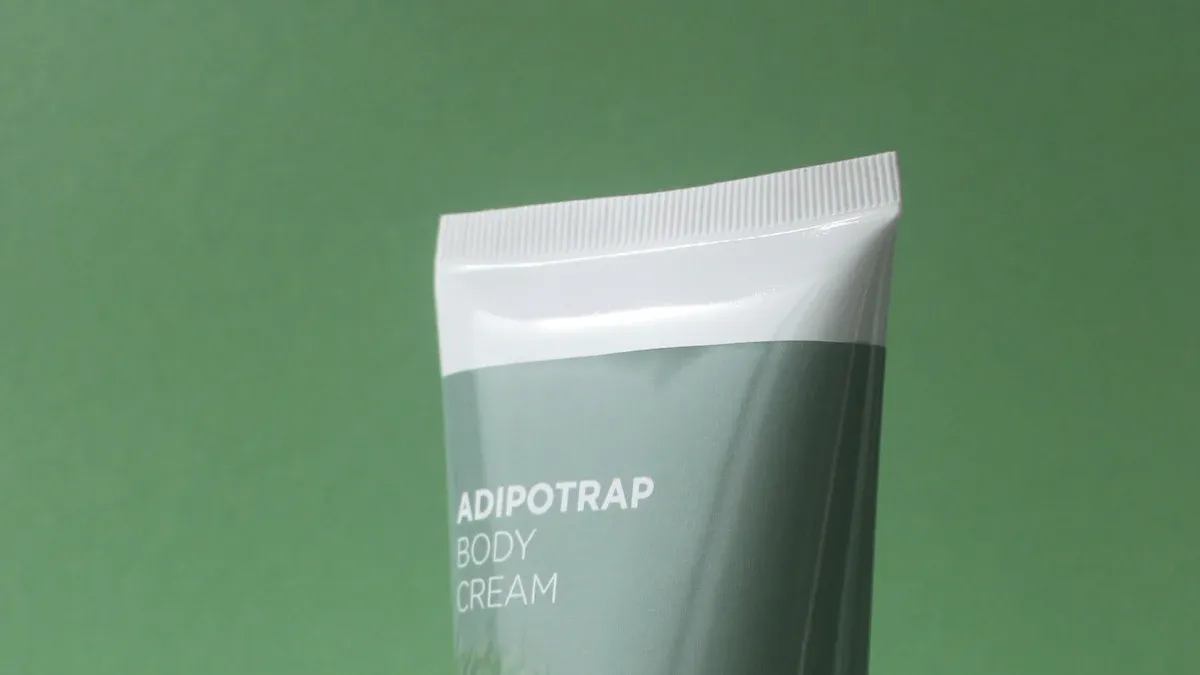
You need to know how each pe tube feels and works. LDPE is soft and bends easily. You can squeeze it, and it pops back into shape. MDPE is in the middle. It is not too soft or too hard. You get a tube that feels strong but still squeezes well. HDPE is the hardest. It keeps its shape and protects your product from dents.
Here is a table to help you compare the main physical properties:
| Property | LDPE | MDPE | HDPE |
|---|---|---|---|
| Tensile Strength | Lower than HDPE | Balanced | Higher |
| Flexibility | Highly flexible | Good flexibility | Less flexible |
| Impact Resistance | Excellent | Good | Good |
- LDPE is very flexible and handles bumps well.
- MDPE gives you both flexibility and strength.
- HDPE is strong and tough, but not as bendy.
Pick LDPE if you want a soft tube that is easy to squeeze. MDPE is good if you want some strength and some flexibility. HDPE is best for tubes that need to be strong and stiff.
Barrier and Chemical Resistance
You want your products to stay fresh and safe. The barrier in pe tubes keeps out air, water, and light. LDPE gives a basic barrier for everyday creams and lotions. MDPE is a bit better and helps your product last longer. HDPE has the best barrier. It keeps out more air and water, so your product stays fresh.
Chemical resistance is also important. LDPE can handle some chemicals, like alcohols, but not all. HDPE can handle more chemicals and even heat. MDPE is in the middle. It gives you okay chemical resistance.
Here is a table to show the differences:
| Property | LDPE | MDPE | HDPE |
|---|---|---|---|
| Barrier to Air/Moisture | Low | Medium | High |
| Chemical Resistance | Good (some substances) | Good | Excellent (wide range) |
| UV Resistance | Can degrade under UV | Moderate | Good |
Tip: If your product has sensitive ingredients or needs to last a long time, HDPE tubes give you the best protection.
Sustainability and Cost
You care about the planet and your money. Each pe tube type is different for cost and the environment. LDPE is soft and flexible. It is used for hand creams and body washes. It costs less to make, but does not block oxygen well. HDPE is hard and strong. It costs more, but protects your product better. MDPE is in the middle. It is not too soft or too hard. It also blocks air better than LDPE.
Here is a table to help you compare:
| Material | Key Characteristics | Common Applications | Barrier Properties | Cost | Recyclability |
|---|---|---|---|---|---|
| LDPE | Soft, flexible, translucent | Hand creams, lotions, facial cleansers, body washes | Low barrier to oxygen and organic compounds | Low | High |
| MDPE | Balanced flexibility and strength | Various cosmetic products | Intermediate | Medium | High |
| HDPE | Rigid, strong, opaque | Shampoos, conditioners, large products | Moderate barrier, better than LDPE | Higher | High |
All three types of pe tubes can be recycled. This helps the planet by making less waste. You should check if your local recycling center takes these tubes.
Note: Recyclability and sustainability are important for modern cosmetic packaging. You can tell your customers that your tubes support a greener future.
You also need to think about how much it costs to make the tubes. LDPE is cheaper, so it saves you money. HDPE costs more, but protects your product better. MDPE is in the middle for both cost and how it works. All three types are recyclable, so you can feel good about your choice.
Now you can compare the feel, protection, and cost of LDPE, MDPE, and HDPE tubes. This helps you pick the best pe cosmetic tubes for your brand and your customers.
Selecting the Right PE Tube
Product Compatibility
You want your lotion tube to match your product’s formula. The type of pe you choose affects how well your lotion stays fresh and easy to use. If you make a lotion that is thick, you need a tube that holds its shape. If your lotion is light or runny, you want a tube that bends and squeezes easily.
You should always test your lotion with the tube before you start manufacturing. Some lotions have oils or acids that can react with certain materials. Pe works well for most lotions because it does not react with many cosmetic ingredients. You can use pe cosmetic tubes for creams, gels, and cleansers.
If you want to make a lotion tube for travel, choose a tube that will not leak or break. LDPE and MDPE tubes are soft and flexible. These tubes work well for lotions you use every day. HDPE tubes are better for lotions that need extra protection or have strong ingredients.
Tip: Always match your lotion’s texture and formula to the right tube. This helps your customers get the best experience.
Barrier Needs
You want your lotion to stay fresh and safe inside the tube. The barrier property of pe matters for every lotion tube. Some lotions need more protection from air, water, or light. If your lotion has vitamins or plant extracts, you need a tube with a strong barrier.
Here is a table that shows how different materials block air and water:
| Material Type | Barrier Property Level |
|---|---|
| Aluminum foil | High |
| Polyvinyl alcohol (PVA) | High |
| Ethylene-vinyl alcohol copolymer (EVOH) | High |
| Nylon (PA) | Medium |
| Polyethylene terephthalate (PET) | Medium |
Pe gives you a good barrier for most lotions. HDPE has the best barrier among pe types. You should use HDPE for lotions that spoil easily or have sensitive ingredients. MDPE gives you medium protection. LDPE works for lotions that do not need much barrier.
If you want even more protection, you can ask about custom lotion tube manufacturing. Some suppliers add extra layers to the tube. This helps your lotion last longer on the shelf.
Note: Always check the barrier needs of your lotion before you choose a tube. This keeps your product safe and your customers happy.
Squeezability and User Experience
You want your customers to enjoy using your lotion tube. The squeezability of the tube changes how easy it is to get the lotion out. LDPE and MDPE tubes feel soft and are easy to squeeze. These tubes work best for lotions, creams, and cleansers. HDPE tubes feel stiffer and are harder to squeeze. These tubes are better for sunscreens or lotions that need a strong package.
Here is a table that shows how squeezability affects the user experience:
| Material | Feel & Appearance | Best For |
|---|---|---|
| LDPE/MDPE | Soft, highly squeezable. | Lotions, creams, cleansers. |
| HDPE | Stiffer, less squeezable | Sunscreens, industrial products. |
If you want your lotion tube to be easy for kids or older adults, choose LDPE or MDPE. These tubes let users get every drop of lotion out. If you want a tube that looks strong and feels premium, HDPE is a good choice.
You can also ask your supplier about custom lotion tube manufacturing. You can blend different types of pe to get the right feel for your lotion tube. This helps you match your packaging design to your brand style.
Tip: Squeezability makes a big difference in how much your customers enjoy your lotion. Choose the tube that fits your lotion and your customer’s needs.
You can use these tips to pick the best pe cosmetic tubes for your lotion. Always think about your lotion’s formula, how much protection it needs, and how you want your customers to use it. This helps you make the best choice for your cosmetic packaging.
Environmental Impact
You want to help the planet when you pick pe tubes. The way these tubes affect the earth is important to you and your customers. You can cut down on waste and pollution if you know how pe impacts the environment.
- You can pick tubes made from post-consumer recycled (PCR) plastics. These tubes use plastic that people have already used and recycled. This helps keep plastic out of landfills and gives old plastic a new use.
- Some companies make biodegradable tubes. These tubes use plant-based materials that break down on their own. You can make less landfill trash by choosing these tubes.
- All-plastic composite tubes are another green choice. These tubes are easy to recycle and help lower pollution from packaging. They also keep their shape after you squeeze them, so your product always looks nice.
You can recycle both LDPE and HDPE tubes. Many towns let you recycle HDPE in your curbside bin. LDPE might need to go to a special recycling place. You should check your local rules to see how to recycle your tubes. Easy recycling means less trash and a cleaner earth.
Tip: You can tell your customers about your green choices. Many people like to buy products that are good for the planet.
Here is a table to help you compare the green features of different pe tubes:
| Tube Type | Recyclable | PCR Options | Biodegradable Options | Notes |
|---|---|---|---|---|
| LDPE | Yes* | Yes | Sometimes | May need special recycling |
| MDPE | Yes | Yes | Rare | Easy to recycle in some areas |
| HDPE | Yes | Yes | Rare | Curbside recycling available |
*Check your local recycling center for LDPE rules.
You can make your cosmetic packaging better for the earth by picking the right pe tube. You help protect the planet and show your customers you care.
Customizing PE Cosmetic Tubes
Printing and Labeling
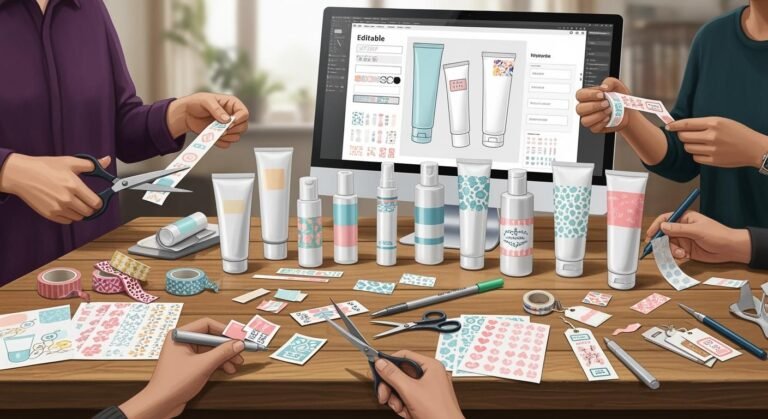
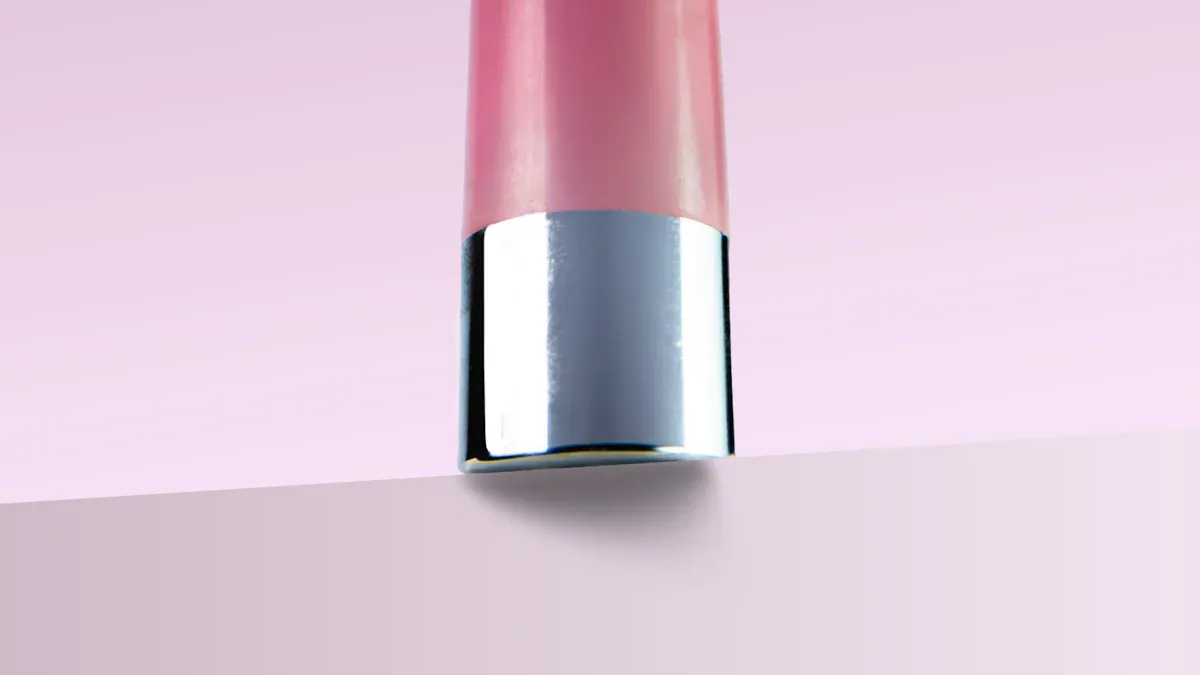
You want your product to stand out on the shelf. Printing and labeling play a big role in how customers see your brand. You can choose from many printing techniques for pe cosmetic tubes. Silk screen printing gives you bold and clear designs. Offset printing works well for detailed images and text. Hot stamping adds shiny gold or silver accents that catch the eye. Heat transfer printing lets you use full-color images that wrap around the tube. Digital printing is fast and works for small batches or special editions.
You can add important information to your tube with these methods. You show your logo, product name, and directions. You also add safety warnings or ingredient lists. Good printing makes your pe tube look professional and easy to read.
Here is a table that shows popular customization options for pe tubes:
| Customization Aspect | Description |
|---|---|
| Printing Techniques | Silk Screen, Offset, Hot Stamping, Heat Transfer, Digital Printing |
| Color Choices | Distinctive color schemes for brand recognition and product type |
| Finish Options | Matte, glossy, metallic, and soft-touch for visual appeal |
Tip: You can use custom design options to match your brand style and attract more customers.
Color and Finish
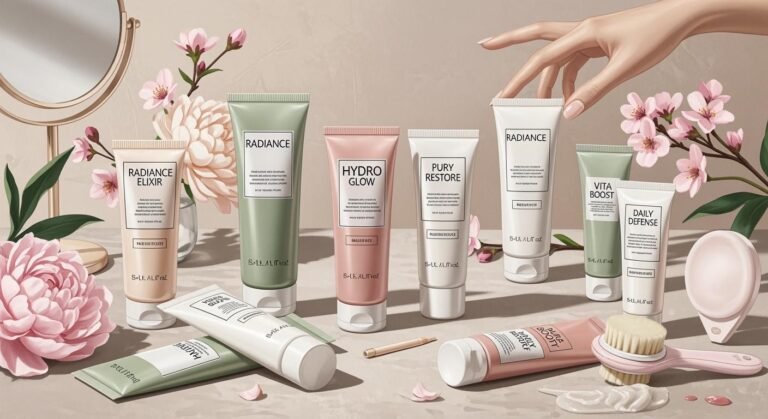
You can pick almost any color for your pe cosmetic tubes. Bright colors help your product get noticed. Soft colors give a gentle and natural look. You can use one color or mix several for a unique effect. Color choices help customers know if your product is for luxury, daily care, or natural beauty.
The finish of your tube changes how it feels and looks. A matte finish gives a soft and smooth touch. Glossy finishes make colors look bright and shiny. Metallic finishes add a high-end look. Soft-touch finishes feel smooth and make the tube easy to hold. You can choose the finish that fits your brand and product.
Note: The right color and finish make your pe tube more attractive and help your product stand out.
Cap and Closure Options
You can choose from many caps and closures for your pe cosmetic tubes. Flip-top caps are easy to open and close with one hand. Screw caps give a tight seal and work well for travel. Disc-top caps let you control how much product comes out. Pump dispensers are good for lotions and gels that need careful dosing.
You can match the cap color to your tube or pick a different color for contrast. Some brands use metallic or clear caps for a special look. The right cap makes your pe tube easy to use and keeps your product safe.
Tip: Always test your cap and closure with your product. This helps you make sure the tube works well and does not leak.
You have many ways to customize your pe cosmetic tubes. You can use printing, color, finish, and cap options to create a package that fits your brand and pleases your customers.
Tube Shape and Size
You can choose many shapes and sizes for your pe cosmetic packaging. The shape of your tube changes how people use your product. A round tube feels smooth and fits well in your hand. An oval tube gives a modern look and stands out on the shelf. Some brands use flat tubes for easy storage in bags or pockets.
You also pick the size that matches your product. Small tubes work well for travel or samples. Large tubes are good for family-size lotions or body washes. You can find pe tubes from 5 ml up to 300 ml or more. The right size helps your customers use the right amount each time.
Here are some common tube shapes and sizes you might see:
| Shape | Best For | User Experience |
|---|---|---|
| Round | Most creams and gels | Easy to squeeze |
| Oval | Premium products | Unique shelf presence |
| Flat | Travel and samples | Fits in small spaces |
| Custom | Special launches | Brand differentiation |
Tip: You can ask your supplier for custom shapes or sizes. This helps your product stand out and matches your brand style.
Material Blending for Custom Hardness
You can adjust the hardness of pe cosmetic tubes by blending different types of pe. The three main types are LDPE, MDPE, and HDPE. Each type gives a different feel and strength to your tube.
- If you use more LDPE, your tube will feel softer and easier to squeeze.
- If you add more HDPE, your tube will become harder and more rigid.
- MDPE gives you a balance between soft and hard.
The ratio of these materials changes the final hardness. You can ask your supplier to blend them based on your needs. Some products need a soft tube for easy use. Others need a hard tube for extra protection.
Here is a table that shows how each polymer type affects hardness:
| Polymer Type | Hardness Level | Comments |
|---|---|---|
| LDPE | Lowest | Softer tubes with lower hardness |
| MDPE | Medium | Balanced flexibility and strength |
| HDPE | Highest | Harder tubes due to higher rigidity |
- Higher LDPE content results in softer tubes.
- Higher HDPE content leads to harder tubes.
- You can adjust the blend to match your brand’s style and your customer’s needs.
Note: Harder tubes may be harder to seal. You should always test your blend before making a large order.
You can create the perfect pe cosmetic tube by choosing the right blend. This helps you give your customers the best experience and keeps your product safe.
Quality and Compliance in PE Tubes
Industry Standards
You want your cosmetic packaging to follow important rules. These rules keep your products safe and high quality. When you pick pe tubes, you should know the main standards. These standards cover safety, chemicals, and packaging quality. Here is a table with the most important standards for pe cosmetic tubes:
| Standard | Description |
|---|---|
| EU REACH | Regulates phthalates in cosmetic packaging, requiring disclosure of certain substances. |
| FDA Regulations | Ensures safety of cosmetic products, including packaging, without explicit bans on phthalates. |
| ISO 22715 | Establishes criteria for safety and quality of cosmetic packaging materials, emphasizing non-toxicity. |
EU REACH looks at chemicals in packaging. FDA rules make sure packaging does not hurt users. ISO 22715 sets rules for safe and non-toxic packaging. These standards help you protect your customers and your brand.
Tip: Always ask your supplier if their pe tubes follow these standards. This helps you avoid problems and build trust with buyers.
Safety and Testing
You want your pe cosmetic tubes to stay strong and safe. Manufacturers use tests to check the quality of each tube. These tests make sure your packaging will not break or leak. Here are the most common safety and testing steps for pe tubes:
- Carton stacking test
You check if the packaging can hold up under stacked cartons. - Simulated transportation vibration test
You test how well the tube resists shaking during shipping. - Packaging drop test
You drop the tube to see if it tears or loses its seal. - Impact resistance test
You check how tough the tube is when handled roughly. - Salt spray corrosion resistance test
You test if the tube can resist salt spray, which matters for sea shipping.
These tests help you make sure your pe tubes protect your product from damage. You want your packaging to pass every test before sending it to stores.
Note: You should always ask for test reports from your supplier. This gives you proof that your pe cosmetic tubes meet safety and quality standards.
You can feel sure when you choose pe tubes that meet these standards and pass these tests. Your customers get safe, reliable packaging every time.
Sourcing PE Cosmetic Tubes
Choosing a Supplier
You need to pick a good supplier for your pe cosmetic tubes. The supplier you choose can change your product’s quality and your brand’s reputation. You should look for some key things when you start searching.
- The supplier should know a lot about making cosmetic tubes.
- They should be able to make more tubes if your business grows.
- They should care about the environment and offer green choices.
- Their designs should help your brand look different.
- They should follow safety rules for ingredients like titanium dioxide and iron oxides.
Ask the supplier about their experience with pe tubes. A good supplier will show you samples and tell you how they make tubes. You want a partner who can handle big and small orders. You also want someone who cares about the planet. Suppliers who use recycled or biodegradable tubes help you offer eco-friendly products.
Tip: Always check if the supplier follows safety rules and tests their tubes. This keeps your customers and your brand safe.
Xinfly Packaging Overview
You might want to look at Xinfly Packaging for your pe cosmetic tubes. Xinfly Packaging has worked in the cosmetic industry before. They offer many pe tube choices for creams, gels, and lotions. You can pick different shapes, sizes, and finishes. Xinfly Packaging can print and label tubes to match your brand.
You can ask Xinfly Packaging about their green options. They have tubes made from recycled materials and support earth-friendly practices. Their team helps you design packaging that fits your needs. You get help from your first idea to your finished product.
Here is a table that shows what Xinfly Packaging offers:
| Feature | Details |
|---|---|
| Tube Materials | LDPE, MDPE, HDPE, blends |
| Customization | Printing, color, finish, caps |
| Eco-Friendly Options | PCR, biodegradable tubes |
| Compliance | Meets safety and quality standards |
Note: You can work with Xinfly Packaging to make pe tubes that fit your brand and keep your product safe.
Supplier Questions
You should ask suppliers some important questions before you order pe cosmetic tubes. These questions help you know what the supplier can do and how they check quality.
- What kinds of pe tubes do you make?
- Can you give samples for me to test?
- Do you have green or recycled tube choices?
- How do you check your tubes for safety and quality?
- What is the smallest order I can make?
- Can you help with printing and labeling?
- Do you follow the rules for cosmetic packaging?
Write down your questions and compare answers from different suppliers. This helps you pick the best partner for your pe cosmetic tube needs.
Tip: Talking clearly with your supplier helps you get better products and fewer problems.
You now understand the main differences between LDPE, MDPE, and HDPE. Each type works best for certain pe cosmetic tubes. You should match tube properties to your product’s needs for the best results. If you want expert advice, ask suppliers like Xinfly Packaging. Use the quick selector and comparison chart to help you choose the right cosmetic packaging for your brand.
Frequently Asked Questions
Core questions about PE cosmetic tubes: differences between LDPE, MDPE and HDPE, material performance, usage, printing compatibility, sustainability, MOQ & lead time.
Q1What’s the difference between LDPE, MDPE & HDPE in cosmetic tubes?
Q2Which PE grade is best for squeeze tubes?
Q3How does PE flexibility affect packaging performance?
Q4Are all PE tubes recyclable?
Q5Can these PE tubes support custom printing?
Q6Which formulations suit each PE grade?
Q7Are PE tubes good for active or sensitive skincare?
Q8What is typical MOQ and lead time for PE tubes?
Q9Can we use PCR in PE tubes?
Q10How do I choose the right PE grade for my product?
Have questions about PE cosmetic tubes?
Share your formula, tube volume and branding details — we’ll help you pick LDPE, MDPE or HDPE options and provide tailored samples and quotes.