
The Ultimate Guide to Skincare Tube Packaging Design for Brands

Estimated reading time: 20 minutes
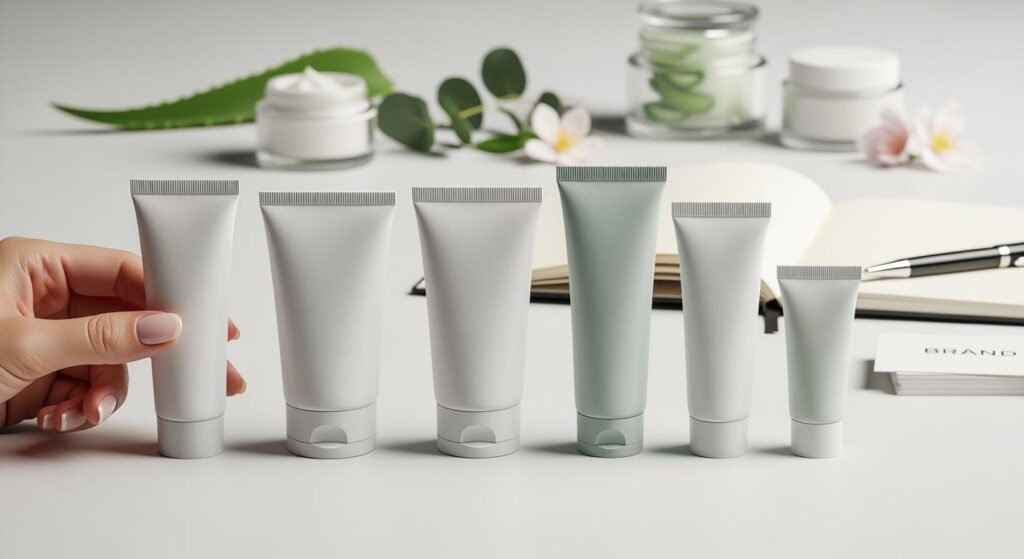
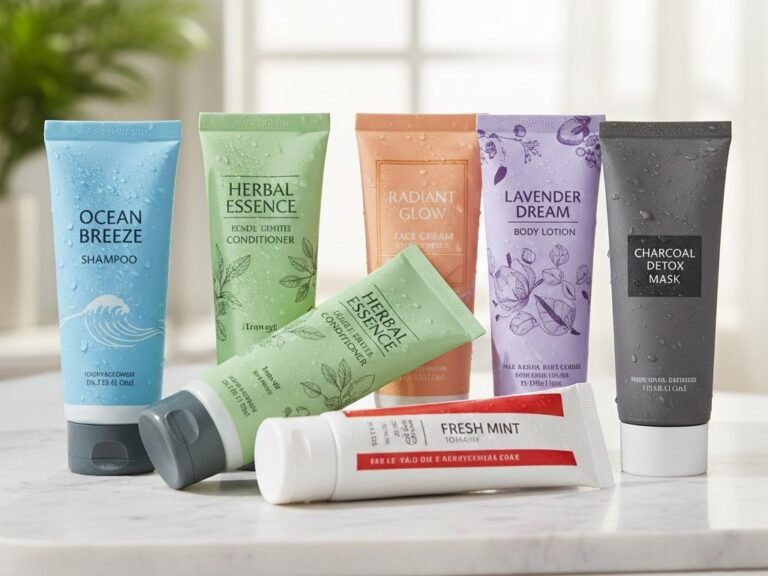
You want your skincare to stay fresh and safe. Packaging is very important for this. The right tube keeps your formulas safe and strong. Good packaging also shares your story and brings in customers. Each tube should fit your product and your brand. Look at how packaging features help keep products good longer:
| Protective Feature | How It Helps Shelf Life |
|---|---|
| Oxygen barriers | Stop ingredients from breaking down and going bad |
| Light protection | Keep light-sensitive ingredients and natural extracts safe |
| Contamination prevention | Make sure product comes out one way to stop germs |
| Moisture barriers | Keep product texture and feel the same |
| Pressure resistance | Protect tubes during shipping and store handling |
A smart packaging guide helps new beauty brands balance these needs. Cosmetic Tube Manufacturers can help you pick the best tube for your goals.
Key Takeaways
- Proper Skincare Tube Packaging protects your product, keeping it fresh and safe from elements like air and moisture.
- Selecting the right tube type and material, such as plastic, aluminum, or laminated options, impacts durability and brand identity.
- Effective sealing methods, including heat and ultrasonic seals, ensure product integrity and extend shelf life.
- Custom design elements like color, artwork, and typography enhance brand recognition and customer appeal.
- Sustainability options, such as recycled and biodegradable materials, are increasingly important for eco-conscious consumers.
What Makes Effective Skincare Tube Packaging
Role in Product Protection
Cosmetic tubes help keep skincare safe and fresh. The most important thing is barrier protection. Tubes stop oxygen, light, and moisture from getting in. This makes your product last longer and keeps it strong. Seals stop leaks and keep germs out. Cosmetic tubes let you use just the right amount. This keeps the rest of the product clean. You can pick materials that fit your product. Thick creams need wide openings. Serums need small ones. Flip-top closures are easy to use and keep tubes clean. Travel sizes make it simple to take skincare anywhere.
Tip: Always check that your cosmetic tubes have strong seals and the right material for your formula.
Impact on Brand Identity
Cosmetic tubes show what your brand is like. The packaging design tells your story and gets people interested. Shape, color, and artwork help your product stand out. Cosmetic tubes let you change the look in many ways. Research shows tubes change how people see your brand. Your packaging choices send messages to your customers. Cosmetic tubes also make using your product better. This helps build trust and loyalty.
| Evidence | Description |
|---|---|
| Physical design impact | Cosmetic tubes affect manufacturing efficiency, user experience, and brand recognition in stores. |
| Design decisions | Packaging choices communicate brand messages to customers. |
Cosmetic tubes help people notice and remember your product.
Key Design Elements
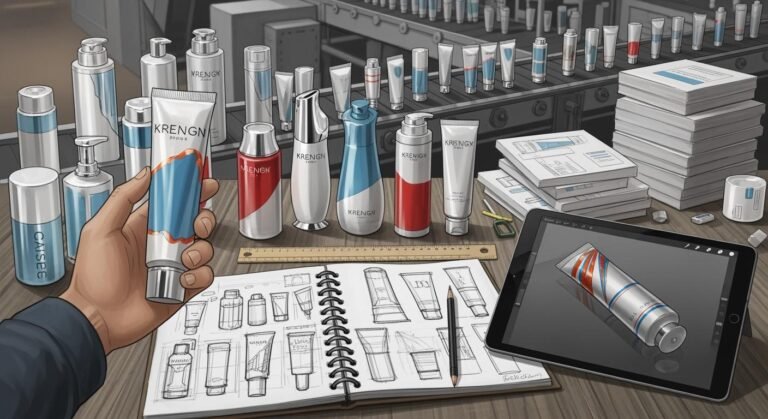
You need to think about a few things to make good cosmetic tubes. Material choices matter for how they work and feel. You can use plastic, aluminum, or laminated tubes. Good design helps with comfort, stops leaks, and makes tubes easy to use. Custom options let you match tubes to your brand and market. Cosmetic tubes mix protection, style, and convenience. This makes them a smart pick for skincare.
Here are the most important features for cosmetic tubes:
- Material selection for durability and flexibility
- Sealing functionality to keep product integrity
- Design elements like shape and color for branding
- User experience features such as flip-top closures
- Travel sizes for portability
| Design Element | Description |
|---|---|
| Material Choices | The choice of materials affects performance, feel, and sustainability, with options like plastic, aluminum, and laminated tubes. |
| Functional Design | Ergonomics, leak prevention, and ease of use are crucial for user experience and product protection. |
| Customization Options | Tubes must align with brand identity and market positioning, enhancing aesthetics and consumer appeal. |
Cosmetic tubes give you lots of ways to package your product. You can keep your product safe, show your brand, and make customers happy.
Tube Material Choices
Plastic Tubes
Plastic tubes are used a lot in skincare. They are everywhere because they cost less and bend easily. In 2023, plastic tubes made up about 45% of the cosmetic packaging market. Polyethylene (PE) and polypropylene (PP) are the main plastics used. These plastics feel light and strong. You can squeeze them to get all the product out.
Plastic tubes keep out water, oil, and chemicals. They work well for things that are liquid or almost liquid. They give good protection, but recycling is hard. Most plastic tubes end up in the trash. Cardboard tubes are better for the earth, but they do not block water as well. Check the table below to see how plastic and cardboard tubes compare:
| Feature | Plastic Tubes | Cardboard Tubes |
|---|---|---|
| Barrier Protection | Strong moisture, oil, and chemical resistance | Less moisture-resistant |
| Suitability | Suitable for liquids or semi-liquids | Sufficient for most dry goods |
| Environmental Impact | Less environmentally friendly, lower recyclability | Biodegradable, recyclable, made from renewable resources |
| Recycling Difficulty | Harder to recycle, often end up in landfills | Highly recyclable, can be composted or reused |
Tip: Pick plastic tubes if you want tough, bendy packaging for creams or gels. Try to find ways to recycle them to help the planet.
Laminated Tubes
Laminated tubes mix the good parts of plastic and aluminum. They give great protection for your skincare. Laminated tubes are becoming more popular from 2021 to 2028. They keep air, water, and light away from your product. Use laminated tubes for things that need extra safety.
These tubes look nice and feel smooth. They show if someone has opened them, so people trust them. Laminated tubes can be recycled, but they cost more than plastic ones. Sometimes metal in the tube can react, and they can get dents. Look at the table below for a quick look:
| Advantages | Disadvantages |
|---|---|
| Superior Protection | Higher Cost |
| Tamper-Evident | Metal Reactivity |
| Aesthetic Appeal | Denting Risk |
| Highly Recyclable |
Note: Laminated tubes are good for keeping special ingredients safe and making people trust your brand. They are great for fancy skincare products.
Aluminum Tubes
Aluminum tubes keep out light, air, and water very well. This helps your skincare last longer. Aluminum tubes can be recycled many times, so they are good for the earth. Many brands use aluminum tubes to help the environment.
You can squeeze aluminum tubes, but they can get dents if you press too hard. More people want eco-friendly packaging, so aluminum tubes are more popular. They keep your product safe and help nature too.
- Aluminum tubes block light, air, and water.
- The material can be recycled again and again.
- More people want eco-friendly tubes, so demand is rising.
Tip: Use aluminum tubes if you need strong protection and care about the environment.
Material Selection Factors
You must think hard before picking a tube for skincare. The material you choose affects how well your product stays safe. It also changes how your brand looks to buyers. Every skincare formula needs something different. Some creams need tubes that block air and germs. Some serums need tubes that keep out light and oxygen. Your packaging should not mix with your product or let bad stuff in.
Check the table below for important things to think about:
| Factor | Description |
|---|---|
| Chemical Compatibility | Packaging must not react with the formula or leach harmful substances. |
| Durability | Packaging should withstand normal handling without cracking or breaking. |
| Sustainability | Eco-conscious alternatives are increasingly important to consumers. |
| Barrier Properties | Packaging must protect the formula from air, light, and contamination. |
| Aesthetic Considerations | The design and appearance of the packaging should align with brand identity and consumer expectations. |
Your tube should last through shipping and store handling. Durability is important. You also need to think about how your tube looks. The design should match your brand and make people want to buy it. Many buyers care about the planet now. They want packaging that helps nature. You can pick eco-friendly materials to meet this need.
Tip: Always test your tube with your formula before selling. This helps you stop leaks or bad reactions.
Sustainability Options
There are many new green choices for skincare tubes. Brands use recycled materials to make packaging now. Tubes made from recycled plastic or aluminum help cut down waste. You can also pick materials that break down in nature. Plant-based plastics like PLA or bio-resins break down over time.
Here are some popular green options for tube packaging:
- Recycled materials, like PCR plastic and recycled aluminum, use fewer new resources.
- Biodegradable or compostable materials, such as PLA and PHA, break down in nature and help stop pollution.
- FSC certified paper tubes use paper from good sources and can be recycled or composted.
- PHA and PLA are new bioplastics that break down naturally. PHA comes from microbes and is all natural.
- Compostable ideas, like fully bio-based tubes, give more ways to help the planet.
You can pick a tube that fits your brand and what buyers want. Green packaging shows you care about nature. It also helps your product stand out in stores.
Note: When you pick green packaging, check if it works with your formula and keeps your product safe.
Cosmetic Tube Manufacturers & Production
Selecting a Manufacturer
Picking the right cosmetic tube manufacturers is very important for your brand. You need a partner who gives good quality and is dependable. Good manufacturers help you avoid mistakes and keep your skincare safe. They also help you with rules and being eco-friendly.
When you look for manufacturers, use clear rules to compare them. The table below shows what you should check:
| Criteria | Details |
|---|---|
| Recycled Content | Minimum 30% recycled content in tube body |
| Biodegradable Materials | Approved list of biodegradable materials |
| Material Sourcing Traceability | Verified material sourcing traceability |
| Certification Requirements | ISO 14001, Third-party sustainability standards audit |
| Product Claims Validation | Industrial compostable packaging testing report, Degradation timeframe documentation |
| Production Capability | Assess production lead time, confirm manufacturing capacity, check backup lines |
| Storage & Stock Control | Inspect storage facilities, review inventory management systems, ask about safety stock levels |
| Delivery Strength | Evaluate logistics partners, review global shipping capabilities, verify delivery schedules |
| Regulatory Compliance | Confirm FDA approval, verify REACH compliance, use certified BPA-free materials |
| Safety Testing | Conduct leak-proof testing, validate barrier properties, perform shelf-life testing |
| Environmental Commitment | Fully recyclable packaging designs, carbon tracking for lower carbon footprint |
Tip: Always ask for proof of certifications and test results before you pick a manufacturer.
Manufacturing Methods
Cosmetic tube manufacturers use different ways to make tubes. Each way changes how your packaging looks and feels. You should know about these ways to pick the best one for your product.
Extrusion
Extrusion is a common way to make plastic tubes. The manufacturer melts plastic and shapes it into a hollow tube. This makes strong and bendy tubes that protect your skincare. Extrusion works well for round tubes and lets you pick different sizes. You can also add color or texture during this step.
- Extrusion makes a smooth tube with no seams.
- It is fast and can make many tubes quickly.
- You get the same quality and good protection every time.
Lamination
Lamination is another way to make tubes. This way uses layers of plastic and sometimes aluminum. Laminated tubes give extra safety from air, light, and water. They are good for products with special ingredients.
- Lamination lets you have cool designs and finishes.
- It gives your tube strong protection.
- Laminated tubes can show if someone opened them, so people trust them more.
The table below shows the main steps in making tubes and how each step matters:
| Step | Description |
|---|---|
| Material Selection | Choosing the right raw materials, such as plastic, laminate, or aluminum, impacts durability. |
| Extrusion of Tube Body | Melting resin to create hollow sleeves ensures the tube’s structural integrity. |
| Heading and Neck Molding | Injection molding creates the dispensing opening, affecting usability. |
| Printing and Decoration | Branding techniques enhance aesthetic appeal, influencing consumer perception. |
| Capping | Secure closures ensure product safety and user convenience. |
| Quality Control | Rigorous testing guarantees consistency and safety, directly impacting product quality. |
| Filling and Sealing | Proper sealing methods ensure product integrity during distribution. |
Note: Ask your manufacturer about their quality checks. This helps you stop leaks and keeps your product safe.
Custom Shapes and Sizes
Custom shapes and sizes make your skincare look special. Cosmetic tube manufacturers can make many shapes. The shape and size you pick change how people use your product and how it looks in stores.
- Round tubes are used the most. They are easy to fill and work well for creams.
- Oval tubes look nice and feel good to hold.
- Flat tubes are great for travel-size products or samples.
The table below shows why each tube shape is good:
| Tube Shape | Advantages |
|---|---|
| Round Tubes | Cost-efficient, industry standard, compatible with all filling systems |
| Oval Tubes | Improved ergonomics, distinctive appearance on shelves |
| Flat Tubes | Modern aesthetic, strong visual differentiation |
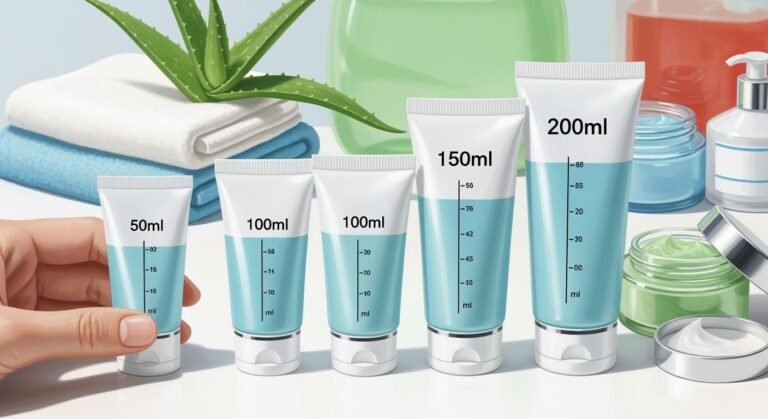
You can use custom sizes to fit your product. Small tubes are good for samples or travel kits. Big tubes are good for family-size products. Picking the right shape and size makes your packaging better and more fun to use.
Tip: Work with your manufacturer to try different shapes and sizes. This helps you find what works best for your brand and your customers.
Tube Customization & Branding
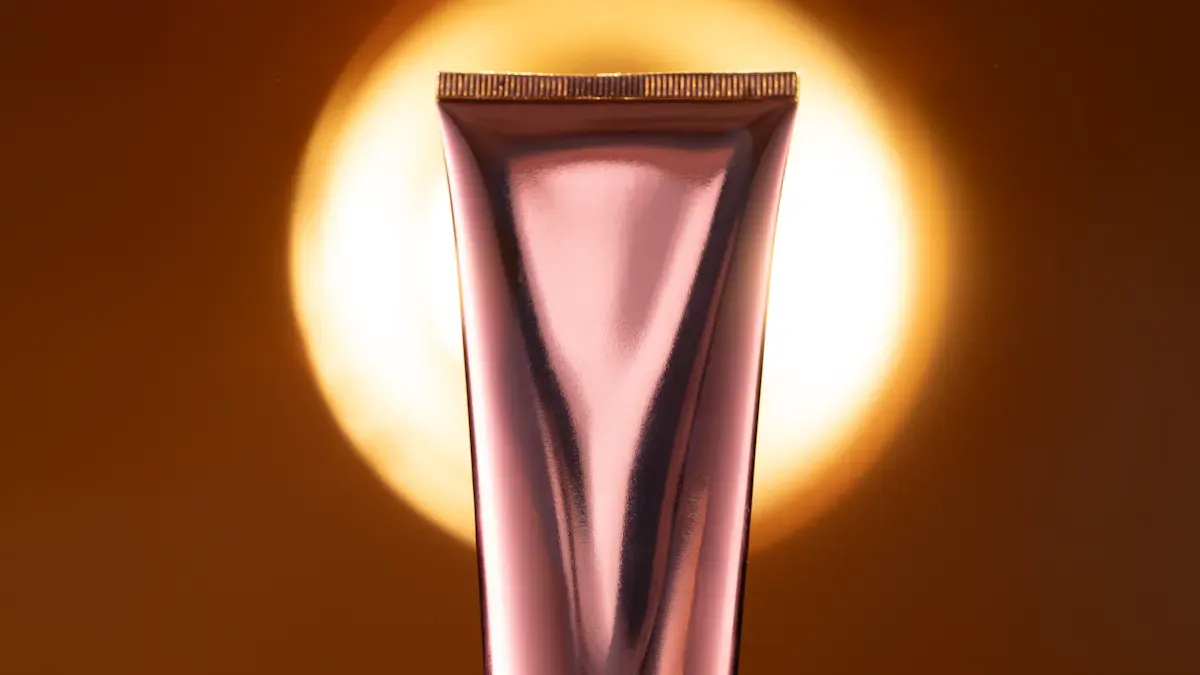
You can make your skincare tube special with custom designs. Custom options help show off your brand and connect with buyers. There are many ways to decorate your tube and tell your story. Here are the main ways and choices for design.
Printing Techniques
Printing makes your packaging look exciting. You can choose from different methods based on your needs and money. Each way gives your tube a different style and feel.
| Printing Technique | Benefits |
|---|---|
| Screen Printing | Bright, bold colors; strong finish; good for small or medium amounts; works well on curved tubes. |
| Offset Printing | Clear pictures and words; uses up to 6 colors; good for making lots of tubes. |
| Digital Printing | Good for small batches; no plates needed, but usually needs bigger orders. |
| Hot Stamping | Makes tubes look fancy; no drying time; works on many materials. |
| Flexographic Printing | Great for big batches; keeps quality the same for many tubes. |
| UV Printing | Dries right away; very strong; can print sharp, colorful images. |
Offset
Offset printing gives clear pictures and easy-to-read words. You can use up to six colors. This way is best for making lots of tubes. Offset printing keeps every tube looking the same.
Silk Screen
Silk screen printing makes colors bright and bold. The finish is strong and lasts a long time. It works well for small batches and curved tubes. Silk screen printing helps your tube stand out.
Hot Stamping
Hot stamping adds shiny and fancy touches. You can use gold, silver, or other shiny colors. This way works on many materials. Hot stamping makes your tube look special and eye-catching.
Tip: Pick the printing method that matches your brand and how many tubes you need. Each way gives your packaging its own look.
Artwork and Color Choices
Artwork and color choices help your tube get noticed. You can use colors to show what your product is about. Green means natural or organic. Black means fancy. White means clean. Blue means people can trust it. Red and orange show energy. Yellow is for younger people. Teal and turquoise make people feel calm.
| Color | Meaning/Association |
|---|---|
| Green | Means natural or organic products |
| Black | Means luxury and style |
| White | Means purity |
| Blue | Means trust |
| Red/Orange | Means energy |
| Yellow | Attracts younger buyers |
| Teal/Turquoise | Makes people feel calm |
Simple artwork makes your packaging look neat and modern. Using colors in smart ways helps buyers remember your brand. Colors can make people feel certain things and notice your product first.
Typography and Brand Messaging
Typography is how you use letters and words on your tube. You use fonts to show your product’s name and what it does. Easy-to-read text helps buyers know what your product is fast.
Typography means how letters look and are used. How easy it is to read, the size, and the style all matter. Typography helps people know your product’s name and what it does.
You can use typography to make your brand look special. Fonts and logos help tell your story and make your tube easy to remember.
Your brand’s look starts with your logo and how you use words. Typography and your logo are important for your brand’s image.
Pick a font style that matches your brand. Bold fonts look strong. Script fonts look fancy. Simple fonts look clean. Use typography to make your packaging easy to read and share your message.
Note: Custom designs help your tube stand out and show your brand. Smart design choices make your packaging look great on the shelf.
Caps, Closures & Dispensing
Caps and closures play a big role in how you use your skincare tube. You need to pick the right cap to make your product easy to open, close, and dispense. The cap also helps keep your formula safe and fresh. You can choose from several types. Each one fits different needs and styles.
Cap Types
You see many cap types in skincare tubes. Each cap has its own features and best uses. Look at the table below to compare the most common caps:
| Cap Type | Description | Ideal Use Cases |
|---|---|---|
| Flip-Top Caps | Convenient for one-handed use, ideal for lotions and everyday products. | Lotions, cleansers, everyday skincare. |
| Screw Caps | Classic and secure, providing a clean look. | Aluminum tubes, premium skincare lines. |
| Disc-Top Caps | Push-button mechanism for easy dispensing. | Haircare products, thinner lotions. |
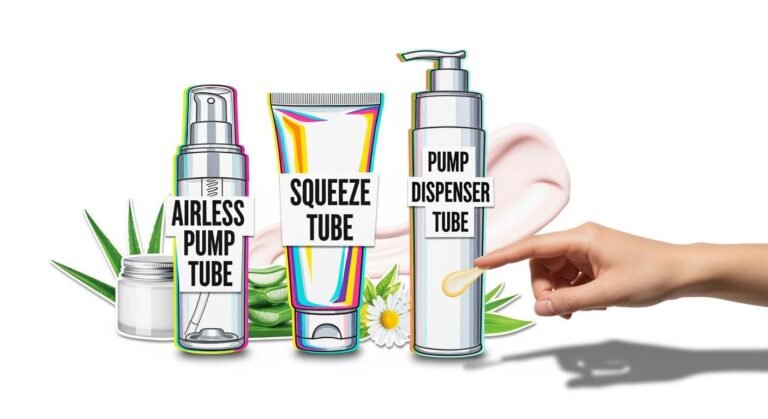
| Pump Caps | Best for high-viscosity formulas, offering controlled dispensing. | Thick creams, sunscreens. |
| Specialty Caps | Unique visual appeal, often used in high-end or sustainable lines. | High-end or sustainable products. |
Flip-Top
Flip-top caps let you open and close your tube with one hand. You can use them for lotions and cleansers. They make daily routines faster and easier.
Screw
Screw caps give your tube a tight seal. You twist them on and off. They work well for aluminum tubes and premium skincare. You get a clean look and strong protection.
Airless Pump
Airless pump caps help you get measured doses from your tube. You press the pump to dispense thick creams or sunscreens. This cap keeps air out and reduces waste.
Functional and Aesthetic Considerations
You need to think about both function and style when you pick a cap. The right cap makes your tube easy to use and keeps your product safe. The cap also adds to the look of your packaging. See the table below for how cap types affect function and style:
| Cap Type | Functionality | Aesthetic Contribution |
|---|---|---|
| Screw Caps | Provide a tight seal, suitable for infrequent use products. | Simple and reliable design enhances product perception. |
| Flip-Top Caps | Allow for one-handed operation, ideal for daily-use products. | Convenient design improves user experience. |
| Nozzle Tips | Enable precision application for targeted dispensing. | Design can enhance brand identity through uniqueness. |
| Pump Caps | Offer measured doses for thicker products, reducing waste. | Can convey a sense of luxury and sophistication. |
You can use flip-top caps for easy access. Screw caps give a classic look. Pump caps make your tube feel more luxurious. Nozzle tips help you apply product with precision. The cap you choose can make your packaging stand out and match your brand.
Tip: Try different cap types to see which one fits your product and brand best.
Compatibility with Tube Material
You must check if your cap works well with your tube material. Some caps need a strong tube to handle repeated opening and closing. Others need a rigid tube to prevent collapse when you press the pump. Look at the table below for common compatibility issues:
| Closure Type | Compatibility Issues |
|---|---|
| Standard Caps (Screw-on/Flip-top) | Must handle repeated torque without stripping or cracking. |
| Dispensing Pumps (Airless or Standard) | Requires a more rigid tube structure to prevent collapse during use. |
Plastic tubes work well with flip-top and screw caps. Aluminum tubes often use screw caps for a tight seal. Laminated tubes can use pump caps if they have enough strength. You need to test your tube and cap together to make sure they fit and work well.
Note: Always check your tube and cap for leaks and strength before you launch your product.
Sealing & Barrier Protection
Sealing Methods
You need to choose the right sealing method to keep your skincare tube safe and fresh. Sealing stops leaks and keeps germs out. It also helps your product last longer. There are several ways to seal a tube. Each method has its own benefits.
Here is a table that shows the most common sealing methods for skincare tubes:
| Sealing Method | Description |
|---|---|
| Heat Seals | Applied at the base after filling, commonly used in skincare tubes. |
| Foil Seals | Provides a peel-away barrier for product freshness, often used with heat seals. |
| Induction Seals | Uses electromagnetic energy for a secure bond, ideal for high-security needs. |
Heat Seal
Heat sealing is the most popular way to close a tube. You fill the tube with your product, then use heat to melt the end shut. This creates a strong barrier. Heat seals work well for creams, gels, and lotions. You see this method in many skincare tubes because it is fast and reliable. Heat sealing also works with foil seals to add extra protection.
Ultrasonic Seal
Ultrasonic sealing uses sound waves to join the end of the tube. The machine presses the tube and sends high-frequency vibrations. This melts the plastic and creates a tight seal. Ultrasonic sealing does not need extra heat, so it works well for sensitive formulas. You get a clean, airtight seal that keeps your product safe. This method also helps stop leaks and keeps out air and moisture.
- Ultrasonic sealing gives you a strong, airtight seal.
- It works well for products that need extra care.
- This method helps your tube last longer on the shelf.
Ensuring Product Integrity
You want your skincare to stay pure and safe. Good sealing methods protect your tube from leaks and contamination. They keep out air, water, and germs. This means your product stays fresh and works as it should. When you use the right seal, you help your product last longer and keep customers happy.
- Effective sealing prevents contamination and leakage.
- Sealing methods help your tube keep its shape and protect the formula.
- Good seals make sure your product stays strong until the last use.
Tamper-Evidence
Tamper-evident features show if someone has opened your tube before you buy it. These features build trust with your customers. You can use foil seals or special caps that break when opened. If you see a broken seal, you know not to use the product. Tamper-evidence is important for safety and brand reputation.
- Foil seals give a clear sign if the tube has been opened.
- Breakable caps show if someone has tampered with the product.
- Tamper-evident packaging helps you feel safe when you buy skincare.
Tip: Always check for tamper-evident features before you buy or sell skincare tubes. This keeps everyone safe and builds trust in your brand.
Shelf Life Impact
You want your skincare to stay fresh and safe for as long as possible. The way you seal your tube makes a big difference in how long your product lasts. Sealing methods help keep air, moisture, and germs out. When you choose the right seal, you protect your formula and give your customers a better experience.
Different sealing types affect shelf life in unique ways. Look at the table below to see how each sealing method works and what it is best for:
| Sealing Type | How It Works | Best For | Pros | Cons |
|---|---|---|---|---|
| Screw Caps | Twist-lock mechanism with an inner seal | Creams, lotions, serums | Easy to use, low cost | Can loosen over time, risk of leakage |
| Pump Dispensers | Spring-loaded pump with anti-leak valve | Lotions, serums, liquid foundation | Controlled dispensing, reduces contamination | May clog with thicker formulas |
| Airless Pumps | Vacuum-sealed, no air exposure | Anti-aging creams, serums, luxury skincare | Preserves product quality, prevents oxidation | Higher cost, limited refillability |
You see that airless pumps give the best protection. They keep air out and stop oxidation. This helps your product last longer. Pump dispensers also help by reducing contamination. Screw caps are easy to use but can loosen over time. This may let air in and shorten shelf life.
When you pick a tube, think about how the seal will affect your product. Airless pumps work well for formulas that break down easily. Pump dispensers fit lotions and serums. Screw caps are good for creams but need to stay tight.
Here are some ways sealing impacts shelf life:
- Seals keep air and moisture out. This stops bacteria from growing.
- Strong seals prevent leaks. Your product stays safe during shipping and storage.
- Tamper-evident seals show if someone opened the tube. This builds trust and protects your brand.
- Airless tubes keep sensitive ingredients strong. You get the same quality every time you use the product.
Tip: Always test your tube with your formula. Make sure the seal stays tight and keeps your product fresh.
You can improve shelf life by choosing the right packaging and sealing method. Look for tubes that match your product’s needs. Use airless pumps for luxury skincare. Try pump dispensers for everyday lotions. Screw caps work for simple creams. When you use the best seal, your product stays strong and safe longer.
Quality Assurance Steps
Inspection & Testing
You have to check every tube before selling it. First, you look at the raw materials. You test them to make sure they are pure and the same each time. During making, you measure how thick the tube walls are. You also check if the seals are strong. Leak tests help you see if the tube will spill. You look at the color and make sure the printing sticks well. Good manufacturers check the tube’s thickness and seal strength before sending them out. You use pressure and burst tests to see if the tube can handle being squeezed. Quality checks happen at every step. You follow strict rules and write down what you do. You use numbers and charts to watch for problems. You keep records so you can check back later. You do regular checks to keep your standards high.
- Test raw materials to make sure they are pure
- Check wall thickness and sealing
- Look for leaks and check print quality
- Measure tube thickness and seal strength
- Use pressure and burst tests
Tip: Always check every tube for important quality points. This helps you find problems early.
Regulatory Compliance
You have to follow rules to sell skincare in different places. ISO 9001:2015 is a rule for good quality management. You must meet FDA rules to keep people safe. You also follow GMP rules with written steps and clear notes. ISO 22715 says your tube should not hurt your product or make it unsafe. You test to make sure nothing bad moves from the tube to the product. You need to follow EC No 1223/2009 if you sell in the European Union. These rules help keep your product safe and ready to sell.
ISO 22715 says packaging must not change your product’s quality, safety, or how it works. You must test to stop chemicals from moving into your product or the tube breaking down. Following ISO 22715 is needed for selling in places like the European Union, where rules match EC No 1223/2009.
Final Approval
You finish by giving final approval. You hand over the design and get approval for the printed copy. You test how strong the product is and check the packaging. You only send out the batch if all tests are good. You keep all your notes so you can check them later. You make sure every tube is good before it goes to stores.
| Step | Description |
|---|---|
| Design Handover and Regulatory Approval | Finish the design and get approval for the printed copy. |
| Final QC and Regulatory Release | Test the product and packaging before sending out the batch. |
Note: Final approval keeps your brand safe and makes sure customers get good, safe skincare.
You can make a good skincare tube by following some simple steps. First, pick materials that feel nice and work well with your product. Look at your tube design and see if you can use less material or try different shapes. Choose tubes that can be recycled or are made from plants to help the environment. Work with suppliers you trust and always test your tube to make sure it does not leak and is strong. Keep learning about new trends like refillable tubes, small sizes, and airless tubes. Use a checklist so you do not miss anything and your packaging stays safe, strong, and looks good.
Frequently Asked Questions
Key points: skincare tube packaging design, materials, branding, functionality, sustainability, and customization.
Q1What is skincare tube packaging design and why is it important?
Q2How do I design skincare tube packaging for my brand?
- Product type and viscosity
- Tube size and diameter
- Material (PE, PCR, PBL, ABL)
- Cap or applicator type
- Brand colors and printing style
Q3What materials are commonly used in skincare tube packaging?
- PE → flexible and cost-effective
- PCR → recycled and eco-friendly
- PBL / ABL → high barrier protection
- Bio-based plastics → sustainable alternative
Q4How does tube packaging design affect product performance?
Q5What customization options are available for skincare tubes?
- Tube shape (round, oval, flat)
- Cap types (flip-top, screw, airless)
- Applicators (metal tip, silicone, brush)
- Printing (offset, silk screen, hot stamping)
Q6How important is packaging design for skincare branding?
Q7Can skincare tube packaging be eco-friendly?
Q8What sizes are available for skincare tubes?
- 5–30ml → serums, eye creams
- 50–100ml → facial care
- 120ml+ → body care
Q9What is the MOQ for custom skincare tube packaging?
Q10What should I prepare before designing packaging?
- Product formula and type
- Target market and positioning
- Preferred materials and size
- Brand design concept or artwork
- Estimated order quantity
Need help designing your skincare tube packaging?
Get expert advice on materials, structure, and branding — plus fast samples and pricing.