
Step-by-Step Guide to Your First Cosmetic Tubes Packaging

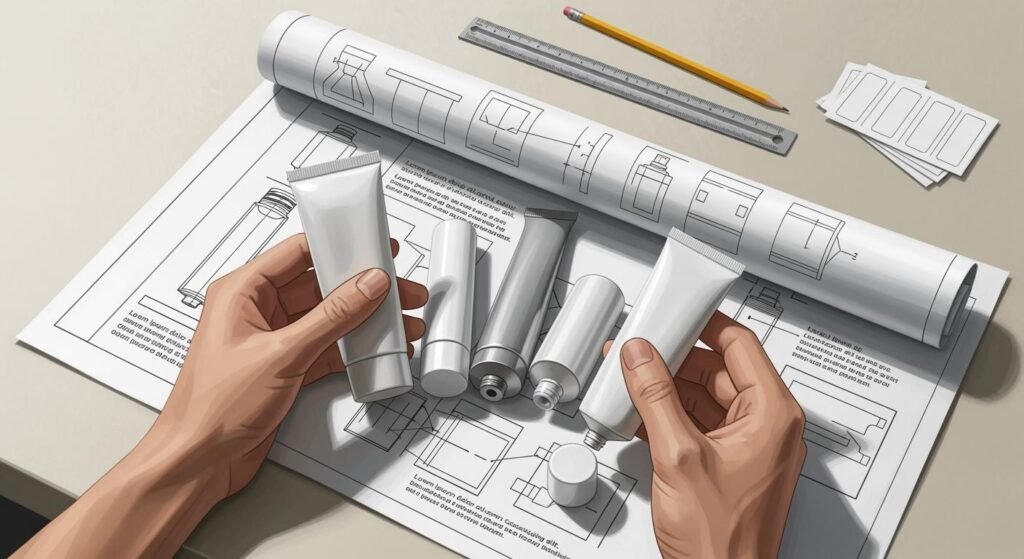
You want your cosmetics to look special and last long. Picking the right cosmetic tubes keeps your product safe from germs. Good packaging helps formulas stay safe and fresh.
- Raw materials must stay clean and stored well to stop dangers.
- Stability testing checks if your formula works with the container and stays good over time.
- ISO 22716 tells you how to test and store materials the right way.
Customization and following rules make your brand special and trusted.
Why Cosmetic Tubes Matter
Brand Identity
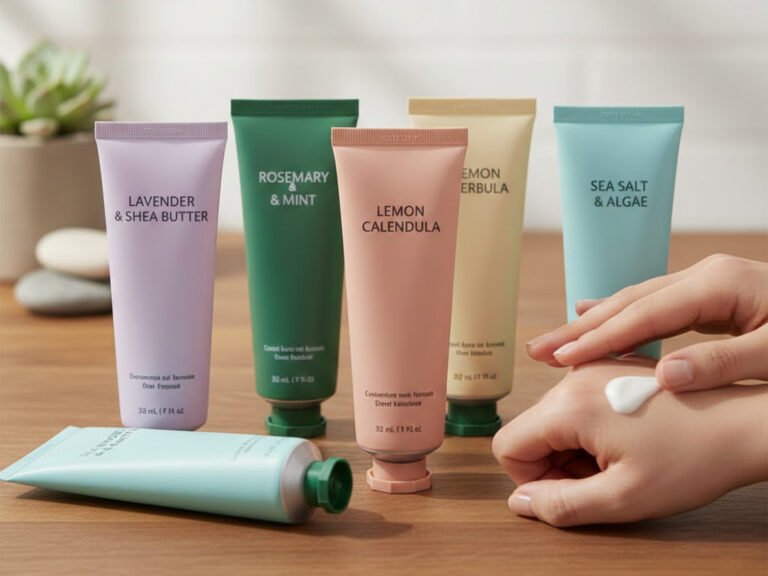
Picking the right cosmetic tubes helps your brand stand out. These tubes show your style and what you care about. You can choose shapes and colors that make your products easy to see. Many brands use shiny, flat, or shiny-metal finishes to match their look. You can add soft textures or raised designs for a special touch. These things help people remember your brand. Custom tubes let you share your story too. You can print nice pictures or make special holiday versions. Eco-friendly tubes show you care about the earth, and many shoppers like that. When your packaging matches your ads, your brand gets stronger and people trust it.
- Cosmetic tubes help show your brand’s personality:
- Special shapes and colors get noticed.
- Cool finishes and textures make people remember.
- Eco-friendly choices fit modern values.
- Custom pictures and decorations tell your brand’s story.
Tip: Use unique tube designs so your cosmetics are easy to spot and remember.
Product Protection
You want your cosmetics to stay safe and fresh. Cosmetic tubes keep your products safe from harm during shipping and storage. Wrapping each item and using bubble wrap or air pillows helps stop leaks and breaks. Extra packaging adds more safety and protects against bumps and scratches. This care means your customers get perfect products.
- Ways to keep your products safe:
- Wrap each tube alone to stop scratches.
- Use bubble wrap or packing peanuts for padding.
- Add extra packaging for more protection.
Note: Careful packaging keeps your cosmetics safe and helps customers trust you.
Compliance
You have to follow rules when you design cosmetic packaging. In the US, the FDA checks for clear labels, safe materials, and safety warnings. In the EU, rules focus on safety, recycling, and correct information. Some products need child-resistant packaging to keep families safe. You must list all ingredients and give clear instructions. Safety checks make sure your packaging does not hurt anyone. Using recyclable materials helps you meet green goals.
| Region | Regulatory Body | Key Focus Areas |
|---|---|---|
| US | FDA | Labeling, Material Selection, Safety Assessments |
| EU | EU Regulations | Safety Assessments, Sustainability, Recyclable Materials |
- Important steps for following rules:
- List ingredients clearly.
- Give simple instructions.
- Add safety warnings if needed.
- Pick safe and recyclable materials.
Remember: Following these rules helps people trust your brand and keeps customers safe.
Market Appeal
You want people to notice your cosmetics on the shelf. The design of your cosmetic tubes can make people look at them. Shoppers often pick products based on what they see first. Bright colors and bold pictures help your products stand out. Unique shapes also catch people’s eyes. Special finishes like matte or glossy can make a strong first impression.
Packaging is not just about looks. It tells shoppers what your brand means. Using eco-friendly materials shows you care about the earth. Many people want to buy products that match their values. Clear labels and easy-to-read fonts help customers trust your brand. Good design makes your products easy to spot and remember.
You can see how packaging design affects shoppers in the table below:
| Key Elements of Packaging Design | Impact on Consumer Perception |
|---|---|
| Visual Appeal | Gets attention and can lead to quick buys. |
| Communication of Brand Values | Builds trust and loyalty. |
Choosing good materials sends a message about your product. Glass often makes people think of luxury and something special. Plastic may seem less fancy, but it is safe and useful. Strong tubes show your product is reliable. The material you choose changes how people feel about your brand.
| Packaging Material | Perceived Quality |
|---|---|
| Glass | Shows luxury and something special. |
| Plastic | Can seem less fancy. |
Colors are important for how people feel about your cosmetics. Warm colors like red and orange can make people feel excited. Cool colors like blue and green can make people feel calm and safe. You can use color choices to match your brand’s style. Typography is important too. Big, clear letters make your product easy to read and find.
| Aspect of Packaging Design | Impact on Consumer Behavior |
|---|---|
| Material Quality | Changes how people see quality and safety. |
| Color Psychology | Affects feelings and brand style. |
| Typography | Makes it easy to read and remember. |
| Emotional Impact | Helps build trust and can lead to more sales. |
Tip: Pick colors, materials, and fonts that fit your brand and attract your customers.
You can make your packaging better by making it easy to use. Tubes that open easily and give the right amount make customers happy. When people like using your product, they may buy it again. You can add things like seals or soft finishes to make your tubes feel special.
- Ways to make your packaging better:
- Choose colors that match your brand.
- Use strong, good materials.
- Make labels simple to read.
- Add features that make it easier to use.
Your cosmetic tubes can help you get loyal customers. When your packaging looks good and works well, people trust your brand. This can make them buy your products again. You can use your tubes to share your brand’s story and connect with shoppers. Good packaging helps your cosmetics stand out and do well in a busy market.
Defining Your First Cosmetic Tubes
Target Audience
Before you design your first cosmetic tubes, you need to know who will use them. Knowing your audience helps you make better choices about packaging. People of different ages, genders, and backgrounds want different things. Some want gentle formulas. Others like bold designs. You should think about age, gender, income, and where people live. These details help you decide how your product should look and work.
| Demographic Factor | Description |
|---|---|
| Age Group | Different ages have special skincare needs and likes. This changes how you make your product. |
| Gender | Men and women like different skincare. You need to market to each group. |
| Income Level | How much money people have changes what they buy. This affects your prices. |
| Geographic Location | Where people live changes what products they need. Weather and culture matter. |
| Skin Type Distribution | Knowing skin types helps you make the right products for everyone. |
| Ethnicity and Skin Tone | People from different backgrounds have different skin needs. This helps you market to everyone. |
| Education Level | People who know more about skincare want better products. This changes your message. |
| Lifestyle and Occupation | How people live and work changes what skincare they want. This helps you plan your products. |
| Buying Behavior and Channel Preferences | How people shop helps you pick where to sell and how to market. |
| Technology Use and Social Media Engagement | How much people use tech and social media changes how you reach them. |
| Psychographic Insights Linked to Demographics | Mixing interests with facts about people helps you market better. |
You can use this information to make cosmetic tubes that fit your customers. If you want to sell to teens, use bright colors and fun shapes. If you want to sell to adults, use simple and classy designs.
Brand Values
Your brand values help shape your first cosmetic tubes. Packaging shows what your brand stands for. It tells your story and what you care about. If you care about the earth, use eco-friendly materials. Many people want brands that help the planet. Green packaging helps you connect with these shoppers.
- Packaging helps people feel close to your brand.
- Eco-friendly materials attract people who care about nature.
- Brands that care about the earth build trust.
- Good-looking packaging is nice, but matching values is more important.
Think about what your brand means. If you want to look fancy, use high-quality materials and pretty designs. If you care about nature, use recycled or biodegradable tubes.
Product Specs
You need to know your product specs before picking your first cosmetic tubes. These details help you choose the right containers.
Size & Volume
Decide how much product goes in each tube. Small tubes are good for travel or samples. Big tubes are good for home use. The size changes how people use your cosmetics and how you show them in stores.
Formula Needs
Your formula decides what tube and material you need. Some formulas need strong tubes to stay fresh. Others need soft tubes for easy squeezing. You can pick from different tube types and materials:
| Tube Type | Material Composition | Key Characteristics |
|---|---|---|
| 2-layer tube | PE | Cheap and flexible, but not as strong against chemicals. |
| 5-layer tube | PE (multi-layer) | Strong barrier, good for products with active ingredients. |
| Aluminum tube | Aluminum | Not good for acidic or alkaline products. Good for neutral ones. |
| Aluminum-plastic | PE-aluminum foil-PE | Great barrier, shiny look, but not as bendy as PE tubes. |
| Kraft paper tube | Paper with PE lining | Looks natural, but needs PE lining to work well. |
Match your formula to the right tube. If your product has active ingredients, use a tube with a strong barrier. If you want a natural look, kraft paper tubes are good, but you need a PE lining for safety.
Tip: Always check your formula before picking containers. This keeps your cosmetics safe and fresh.
Packaging Goals
You need clear packaging goals before you start designing your cosmetic tubes. These goals help you make smart choices and create packaging that fits your brand. When you know what you want, you can avoid mistakes and save money.
Many new beauty brands focus on four main goals:
- Sustainability
You want packaging that helps the planet. Eco-friendly tubes use less plastic or recycled materials. Some brands choose biodegradable options. These choices show you care about nature and attract shoppers who want green products. - Functionality
Your tubes must work well for your product. Easy-to-squeeze tubes help customers use every drop. Leak-proof caps keep formulas safe. You can pick tubes that fit thick creams or thin lotions. Good functionality makes your product easy to use and keeps customers happy. - Aesthetics
You want your packaging to look great. Bright colors, shiny finishes, and bold graphics catch people’s eyes. A pretty tube stands out on the shelf. You can use special shapes or textures to make your product unique. Good design helps people remember your brand. - Brand Storytelling
Your packaging tells your brand’s story. You can print your logo, mission, or a short message on the tube. Some brands share their values or history. You can use graphics that show what your brand stands for. Storytelling helps shoppers feel close to your brand.
Here is a table that shows how each goal helps your brand:
| Packaging Goal | What It Does for Your Brand | Why It Matters |
|---|---|---|
| Sustainability | Shows you care about the planet | Attracts eco-friendly shoppers |
| Functionality | Makes your product easy to use | Builds trust and loyalty |
| Aesthetics | Makes your product stand out | Gets attention in stores |
| Storytelling | Shares your brand’s message | Connects with customers |
Tip: Pick two or three goals that fit your brand best. You do not need to do everything at once. Focus on what matters most to your customers.
You can also think about professionalism and innovation. Professional packaging looks neat and clean. Innovative tubes use new materials or smart designs. These features help your brand look modern and reliable.
When you set your packaging goals, write them down. You can share these goals with your designer or supplier. Clear goals help everyone work together. You get packaging that matches your brand and makes your cosmetics stand out.
Cosmetic Tubes Materials & Types
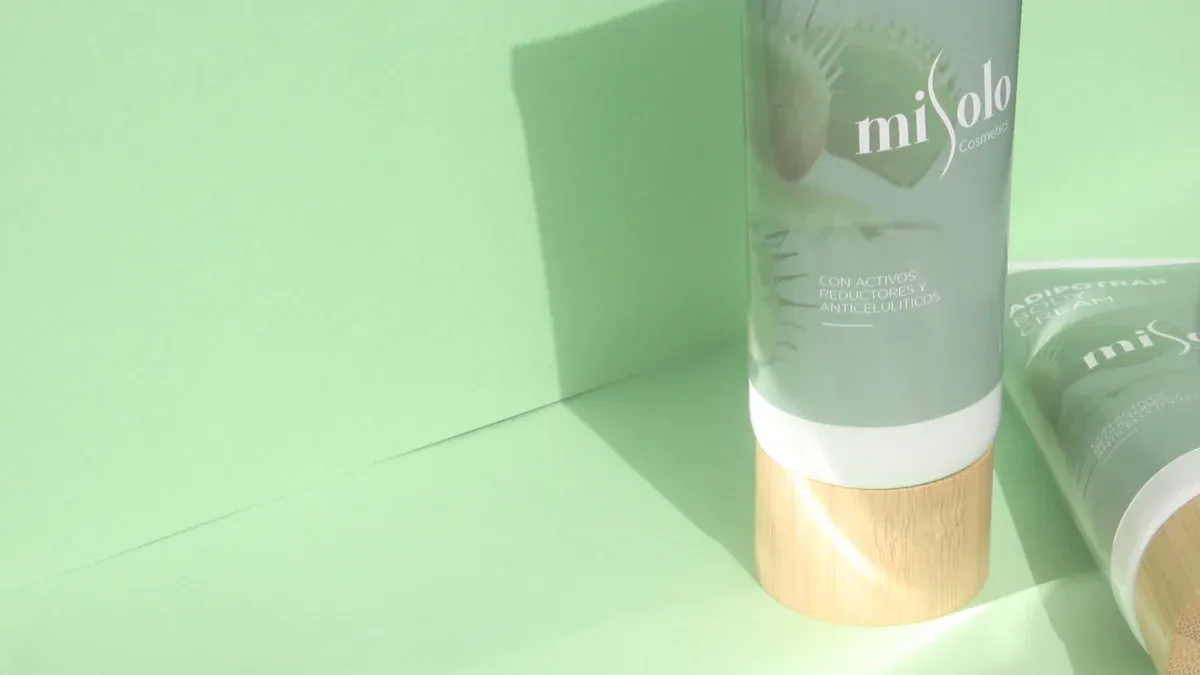
Picking the right tube helps your brand stand out. It also keeps your cosmetics safe and fresh. The right tube can help the planet too. Good packaging protects your product’s special features.
Tube Types
There are many kinds of tubes. Each type works for different products and brands.
Squeeze
Squeeze tubes are simple to use. You press the tube to get the product. Many brands use them for toothpaste and creams. They work for both thick and thin formulas.
Airless
Airless tubes keep air and germs away from your product. You press a pump to get just enough out. These tubes help keep things fresh and safe. They are used for anti-aging creams and whitening products.
Twist-Off
Twist-off tubes have caps you turn to open. They are good for travel and single-use items. You can use them for lip balms or small creams.
Here is a table that shows popular tube types used by top brands:
| Type of Tube | Materials Used | Typical Products |
|---|---|---|
| Plastic squeeze tubes | PE or multi-layer | Toothpaste, gum care gel |
| Laminated tubes | ABL, PBL | BB/CC creams, liquid foundation, lip gloss |
| Aluminum barrier laminate tubes | Aluminum foil with plastic layers | Medicated creams, organic skincare |
| Metalized squeeze tubes | Metalized plastic | Premium cosmetics, limited-edition items |
| Airless pump tubes | Various materials | Anti-aging, whitening products |
| Rollerball and applicator tip tubes | Plastic or aluminum | Eye creams, serum sticks |
| Oval and custom-shaped tubes | Various materials | Unique brand storytelling |
| Recyclable mono-material tubes | PP or PE only | Eco-conscious products |
Materials
You need to pick the best material for your tube. This choice changes how your product looks and feels. It also affects cost and the environment.
Plastic
Plastic tubes are light and bend easily. You can pick many colors and shapes. They cost less and work for lots of products. Some plastic tubes can break down in nature.
- Advantages:
- Cheaper to make
- Many design choices
- Light to carry
- Easy to produce
- Some are biodegradable
- Disadvantages:
- Can hurt the environment
- Not the best at blocking air
- May let things leak in or out
- Some people think they look cheap
- Can change shape in heat
Aluminum
Aluminum tubes feel strong and look fancy. They keep out light and air very well. These tubes cost more and are heavier. They last long and can be recycled.
- Advantages:
- Blocks air and light well
- Very strong
- Handles heat well
- Feels fancy
- Can be recycled
- Disadvantages:
- Costs more to make
- Harder to produce
- Heavier to carry
- May not work with all products
- Fewer design choices
Eco-Friendly
Eco-friendly tubes use recycled or plant-based stuff. These tubes show you care about the earth. You can pick tubes made from one kind of plastic or kraft paper with PE lining.
Here is a table that compares aluminum and plastic tubes:
| Feature | Aluminum Tubes | Plastic Tubes |
|---|---|---|
| Durability | Very strong | Not as strong |
| Aesthetics | Shiny and fancy | Many colors and looks |
| Cost | More expensive | Cheaper |
| Weight | Heavier | Lighter |
Manufacturing Process
It is important to know how tubes are made. This changes quality and how green your tube is.
Single-Layer
Single-layer tubes use just one material. They cost less and are good for simple products. They may not protect strong formulas well.
Multi-Layer
Multi-layer tubes use more than one material. They protect your product better and keep it fresh. These tubes are good for products with special ingredients.
Making tubes has many steps. You pick the material, cut and shape it, seal it, print on it, check the quality, fill it, and pack it. Each step helps keep your product safe and meets the rules.
Tip: Work with trusted suppliers like Xinfly Packaging. They can give you good tubes that fit your needs and help the planet.
Leak Prevention
You want your cosmetic tubes to keep your product safe and fresh. Leaks can ruin your formula and make customers unhappy. You need to understand how leaks happen and how to stop them. Small cracks, holes, or weak joints can let air or liquid escape. The hot sealing and bottle mouth areas often cause the most trouble. You must use strong production techniques and careful testing to prevent leaks.
Sealing performance testing helps you find any weak spots in your packaging. You can use special methods to check if your tubes seal tightly. The positive pressure method pushes air into the tube to see if it holds. The negative pressure method pulls air out to test the seal. These tests help you spot leaks before your product reaches customers.
You should also check the strength of your tube materials. Strong tubes do not break or crack easily. You can use different tests to measure this:
- Tensile strength and elongation: This test shows how much your tube can stretch before it breaks. Strong tubes stretch without snapping.
- Peel strength: This test checks how well the layers of your tube stick together. Good bonding stops leaks between layers.
- Heat sealing strength: This test looks at how strong the sealed edges are. Strong seals do not crack or leak during shipping.
- Impact resistance test: This test checks if your tube can handle bumps and drops. Tough tubes do not get damaged easily.
- Salt spray corrosion resistance test: This test checks if your tube can resist damage from salty air, which is important for products shipped to coastal areas.
You need to pay attention to every step in the production process. Careful sealing and strong materials help you avoid leaks. You should work with suppliers who use strict quality control. Xinfly Packaging uses advanced testing methods to make sure your tubes stay safe and leak-free.
Here is a simple list of steps you can follow to prevent leaks in your cosmetic tubes:
- Choose strong materials for your tubes.
- Use reliable sealing techniques, especially at the mouth and edges.
- Test your tubes with positive and negative pressure methods.
- Check bonding strength between layers.
- Make sure your tubes can handle impact and corrosion.
Tip: Always ask your supplier about their leak prevention tests. Good suppliers will share their testing results and help you pick the best tube for your product.
Leak prevention protects your brand and keeps your customers happy. When you use strong tubes and careful testing, you show that you care about quality. Your products arrive fresh and safe, ready to impress your customers.
First Cosmetic Tubes Design

Smart cosmetic packaging design changes how people see your products. When you make your cosmetic containers special, they look different from others. This helps your brand look professional and keeps your products safe.
Customization
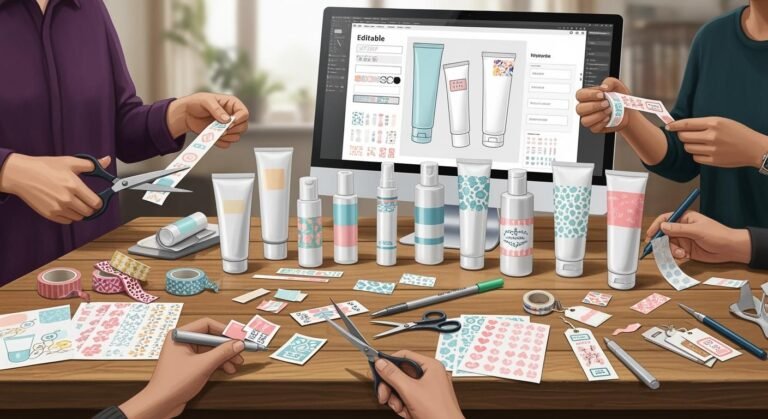
There are many ways to make your cosmetic containers unique. You can use graphics, colors, and logos in your packaging design. Pick bold designs or simple styles to match your brand.
Graphics
Graphics help your products get noticed. You can use custom printing or embossing to make your packaging stand out. Some brands use clear finishes or cool artwork to show their style.
Colors
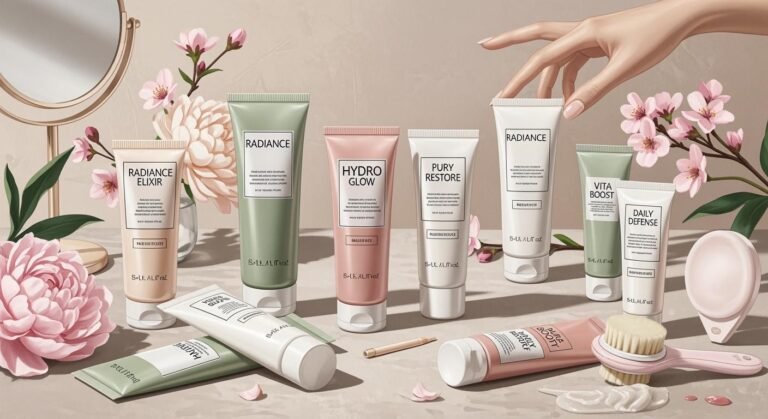
Colors help set the mood for your cosmetics. Soft pastels work for simple designs. Bright colors are good for fun products. Bold colors catch the eye, and clean layouts look fancy.
Logo
Your logo tells people about your brand. Put it where it is easy to see. A clear logo helps people trust and remember your brand. You can use embossing or printing to make your logo pop.
Here is a table with popular ways to customize that shoppers like:
| Customization Option | Description |
|---|---|
| Versatility | Works for creams, balms, and more with flexible, squeezable design. |
| Functionality | Twist caps and airless pumps for different uses. |
| Sustainability | Eco-friendly materials like biodegradable plastics. |
| Aesthetic Appeal | Transparent finishes or bold designs for brand identity. |
| Minimalist Beauty | Soft pastels and simple layouts for elegance. |
| Bold and Vibrant | Dramatic colors and typography for playful products. |
Tip: Custom printing and special applicator heads help your products get noticed in stores.
Labeling
Clear labels are important for good packaging design. Labels tell shoppers what is inside and how to use your products safely.
Ingredients
List all ingredients on your cosmetic containers. Shoppers want to know what is in the product. Clear lists help people with allergies stay safe and build trust.
Instructions
Give simple instructions for how to use your products. Easy directions make your packaging easier to use. This helps customers get the best results.
Legal Info
Add legal information to your packaging. Include safety warnings and recycling symbols. This keeps your brand following the rules and shows you care about safety.
User Experience
User experience is important in packaging design. You want your containers to feel good and work well every time.
- Shapes that fit the hand are easy to use.
- Good pumps give the right amount each time.
- Airtight seals keep your products fresh and safe.
- Clear walls let shoppers see the color and how much is left.
Here is a table with features that make user experience better:
| Design Feature | Benefit |
|---|---|
| Ergonomic shapes | Easy to hold and use. |
| Precise pump mechanisms | Consistent doses for satisfaction. |
| Airtight seals | Prevent oxidation and keep products fresh. |
| Transparent walls | Show product color and volume. |
You can pick eco-friendly tubes made from biodegradable or recyclable materials. Light tubes help lower shipping pollution. Tubes made from one material are easier to recycle and follow new design trends.
Note: Sleek and practical packaging design makes your products easy to carry and keeps them clean.
Cosmetic packaging design changes how people see and use your products. When you focus on making your packaging special, clear, and easy to use, your products stand out and meet what customers want.
Packaging Guide Steps
You want your cosmetic tubes to look great and work well. This packaging guide helps you move from idea to finished product. You will learn how to find the right supplier, test your designs, and check quality before launch.
Sourcing
Finding the best manufacturer is the first step in your packaging guide. You need a partner who understands your brand and can deliver wholesale cosmetic tubes that meet your needs.
Manufacturer Search
Start by making a list of possible suppliers. Look for companies with experience in cosmetic tubes. Check if they offer the styles and materials you want. Ask about their certifications and safety standards. You should also see if they can handle bulk orders and keep quality high.
Here are important criteria to help you choose:
| Criteria | Description |
|---|---|
| Quality | Check if materials last long and meet safety rules. |
| Customization | See if you can change designs to fit your brand. |
| Sustainability | Ask about eco-friendly materials and green practices. |
| Regulatory Compliance | Make sure they follow all industry rules and safety standards. |
| Production Capacity | Confirm they can make enough tubes for your needs. |
| Design Innovation | Look for new designs that match what shoppers want. |
Tip: Always ask for proof of certifications like ISO 9001. This shows the supplier cares about quality.
Xinfly Packaging
Xinfly Packaging is a trusted supplier for wholesale cosmetic tubes. They offer many styles and materials. You can ask for custom designs that match your brand story. Xinfly Packaging uses eco-friendly options and follows strict safety rules. They have experience with bulk orders and keep quality high. You can work with their team to create packaging that stands out in stores.
Prototyping
Prototyping is the next step in your packaging guide. You need to see and touch your cosmetic tubes before you order a large batch. This helps you spot problems and make changes early.
Sample Review
Ask your supplier for samples of your chosen tube design. Check if the packaging matches your brand story. Look at the colors, graphics, and logo placement. Test the material to see if it feels strong and looks good. Make sure the tube fits your product type, whether it is a cream, gel, or balm.
- Make sure the packaging is easy to use.
- Check if the tube opens and closes smoothly.
- See if the design matches your brand values.
- Look for eco-friendly or recyclable options.
Iteration
You may need to change your design after seeing the samples. Work with your supplier to fix any problems. You can adjust the color, shape, or material. Try different formats, like droppers or pumps, if needed. Keep testing until you get the perfect tube for your product.
Note: Prototyping helps you avoid mistakes and saves money in the long run.
Quality Control
Quality control is the final step in your packaging guide. You want every tube to be safe, strong, and ready for customers. Good quality checks help you build trust and avoid returns.
Inspection
Inspect every batch of wholesale cosmetic tubes before launch. Look for smooth edges and strong seals. Make sure the labels and printing are clear and in the right place. Check if the packaging stays safe during shipping.
| Quality Control Measure | Description |
|---|---|
| Opening and Closing Test | Make sure caps or nozzles open easily and seal tight. |
| Leak Test | Tilt and shake tubes to check for leaks. |
| Material Quality | Confirm materials are safe and meet hygiene standards. |
| Edge Smoothness | Look for smooth edges without sharp spots. |
| Seal Integrity | Check that seals are strong and free from defects. |
| Labels and Printing | Make sure labels and logos are correct and easy to read. |
| Packaging Integrity | Test if tubes stay safe during transport. |
| Environmental Certification | Ask for proof of eco-friendly materials. |
| Biodegradability | Check if tubes meet biodegradation standards. |
| Compatibility Testing | Make sure tubes work well with your cosmetic formula. |
Testing
Test your cosmetic tubes for leaks and strength. Try opening and closing them many times. Spray or squeeze the product to see if it comes out evenly. Make sure the packaging does not break or leak when dropped or turned upside down. Test the tube with your actual formula to check for reactions.
- Test for leaks and spills.
- Check if the nozzle or pump works well.
- Make sure the tube does not change shape in heat or cold.
- Confirm that the packaging keeps your product fresh.
Tip: Good quality control helps you avoid problems and keeps your customers happy.
Your packaging guide gives you clear steps for sourcing, prototyping, and quality control. When you follow these steps, you get wholesale cosmetic tubes that look great, work well, and help your brand grow.
Cosmetic Packaging Costs
Knowing how much cosmetic packaging costs helps you plan. It also helps you not spend too much. You need to think about materials, design, and shipping. If you make smart choices, you can save money. You can still get good cosmetic containers for your brand.
Cost Estimation
Materials
You can pick from many kinds of cosmetic containers. Plastic tubes are cheaper and good for big orders. Glass containers look fancy and feel nice, but they cost more and are heavier. If you want special designs for luxury cosmetic packaging, it will cost even more. You should pick the best material for your product and your budget.
| Component | Cost Range (per unit) | Considerations |
|---|---|---|
| Basic Plastic | $0.15 – $1.50 | Lightweight, cost-effective for large runs |
| Glass | $0.50 – $3.00 | Premium feel, more expensive to ship |
| Custom Design | $5.00+ | Branding cost with unique shapes and finishes |
Tip: Use plastic for everyday products. Pick glass for luxury cosmetic packaging.
Design
Design costs can be very different. Simple designs are cheaper. If you want special shapes or cool finishes for luxury cosmetic packaging, it costs more. A basic design project can cost $500 to $2,000. If you want a full brand plan, it can cost $5,000 to $20,000. Fancy visual design for luxury cosmetic packaging can cost $8,000 to $18,000.
- Brand strategy: $5,000–$20,000
- Brand identity: $5,000–$20,000
- Visual design: $8,000–$18,000
Note: Start with simple designs if you do not have much money. You can get luxury cosmetic packaging later as your brand grows.
Shipping
Shipping costs depend on how heavy and big your containers are. Glass and custom luxury cosmetic packaging cost more to ship. They are heavier and need more protection. Plastic tubes and refillable packaging are lighter and cheaper to ship. Use the right size packaging to save money and not waste space.
| Material | Shipping Cost | Notes |
|---|---|---|
| Plastic | Low | Lightweight, easy to pack |
| Glass | High | Heavy, needs extra padding |
| Custom/Luxury | Highest | Odd shapes, special care |
Tip: Use refillable and reusable cosmetic containers to save on shipping.
Cost Management
Bulk Orders
Buying a lot at once can save you money. Suppliers give discounts for big orders of cosmetic tubes or luxury cosmetic packaging. You need to make sure you do not buy more than you can use or store.
- Buy more to get lower prices.
- Check the smallest amount you can order.
- Only store what you need.
Negotiation
You can talk to suppliers about prices. Ask for discounts if you buy a lot or want eco-friendly packaging. You might get better prices if you use the same cosmetic containers for many products. Private labeling can help you save on research and development.
- Ask for better prices.
- See if there are deals for eco-friendly or refillable packaging.
- Use containers that work for many products to save money.
Tip: Suppliers may give you a better price if you order refillable or reusable cosmetic containers.
Handling Unexpected Expenses
Sometimes, you will have extra costs you did not plan for. Changes in design, shipping problems, or new rules can make things cost more. You should be ready for these surprises.
- Save some extra money for emergencies.
- Use refillable packaging to avoid buying single-use containers.
- Pick simple designs to use less material and make less waste.
- Work with partners to help with storage.
- Use eco-friendly inks and labels to make recycling easier.
Refillable packaging can help you save money and make less trash. Light materials for refill systems also cost less. Simple luxury cosmetic packaging helps you not spend too much.
Note: Always check your budget and change it if you change your cosmetic containers or packaging plans.
You can control costs by making smart choices. Pick the best cosmetic containers for your brand. Use refillable and reusable options. Plan for surprises. This helps you get luxury cosmetic packaging that fits your budget and helps your brand grow.
Launch & Feedback
Launch Prep
Getting your new cosmetic containers ready takes planning. You want your cosmetics to arrive on time and look great. Start by making a plan for each step. Write down when to finish the design, order packaging, and get your first shipment. Use a calendar or planner to keep track of everything.
Timelines
Set a deadline for each part of your launch. First, decide what packaging you need. Learn about the types of cosmetic containers that fit your product. Find good suppliers who can deliver on time. Make your cosmetic containers match your brand. Ask for samples to check the quality. Place your first order when you are sure. Think about how to handle more orders as your business grows.
Launch Timeline Steps:
- Decide what packaging you need.
- Learn about different cosmetic containers.
- Find good suppliers.
- Make your cosmetic containers match your brand.
- Ask for samples and check them.
- Place your first order.
- Plan for more orders in the future.
Tip: Use a checklist to keep track and not miss any steps.
Inventory
You need enough cosmetic containers for your launch. Count how many you want to sell. Order extra in case you get more sales than you think. Keep your cosmetic containers in a clean, dry place. Check your stock often so you do not run out. Good inventory helps you avoid delays and keeps customers happy.
Marketing Cosmetics
You want people to see your new cosmetic packaging. Use different ways to reach more customers. Social media helps you show your cosmetic containers to lots of people. Post photos and videos on Instagram and TikTok. Share behind-the-scenes looks at your packaging design.
Social Media
Social media lets you talk to shoppers directly. You can run polls to ask what people think about your cosmetic containers. Share stories and posts to get people excited before launch. Use hashtags to reach more people. Answer comments and messages to build trust.
Influencers
Influencers help you reach new groups of people. Work with people who share your brand values. Send them samples of your cosmetic containers and ask for honest reviews. Influencer and affiliate marketing can save money because you pay for real sales. You can sell directly for more control or use stores to reach more people. Using many ways to sell gives shoppers a smooth experience everywhere.
| Marketing Channel | Benefit |
|---|---|
| Social Media | Talk to customers directly |
| Influencer Marketing | Reach new groups of people |
| Direct Sales | More control over your brand |
| Indirect Sales | More people see your products in stores |
| Omnichannel Strategy | Easy shopping everywhere |
Customer Feedback
You want to know what people think about your cosmetic containers. Collect feedback to make your packaging and products better. Use different ways to get honest answers.
Surveys
Online surveys help you hear from many people fast. Send surveys by email or put them on your website. Ask simple questions about your cosmetic containers and packaging. You can also use social media polls to get quick feedback before you launch new cosmetics.
Iteration
Use feedback to make your cosmetic containers better. Listen to what people say in surveys or focus groups. Change your packaging if you find problems. Try new ideas and ask for more feedback. Keep making your cosmetic packaging better to fit what customers want.
Note: Getting feedback often helps you build trust and make cosmetics people love.
You can make your cosmetics stand out by following this guide. First, figure out what your brand is about. Next, pick the best cosmetic tubes and materials for your products. Pay attention to design, quality, and following the rules. The table below shows what helps packaging launches do well:
| Key Factor | Description |
|---|---|
| Formula Compatibility | Keeps your product’s important parts safe |
| Dispensing Needs | Makes sure the tube works for your product |
| Brand Story | Tells people about your brand |
| Sustainability Goals | Helps you choose earth-friendly options |
| Regulatory Requirements | Follows safety and law rules |
You can start by talking to Xinfly Packaging or begin your design now.
Frequently Asked Questions
Key questions for first-time cosmetic tube packaging — from material selection, sampling, production, compliance to launch.
Q1How do I choose the right tube material for my first product?
Q2Do I need samples before mass production?
Q3What is a reasonable MOQ and lead time for first-time orders?
Q4What decoration and printing options should I consider?
Q5How to balance costs when launching the first batch?
- Use standard molds instead of custom shapes
- Limit printing colors to 1–2
- Start with fewer SKUs and simpler tubes
- Order a modest volume to test market response before scaling
Q6What regulatory or quality checks should I do before using tubes for cosmetics?
Q7Does packaging play a role in marketing and brand perception?
Q8What should I do before mass-producing multiple SKUs?
- Seal strength and leak resistance
- Print consistency batch-to-batch
- Tube integrity under shipping and handling (drop test, vibration test)
- Compatibility between formula and tube (no discoloration, no chemical reaction)
Q9How can Xinfly Packaging help first-time brand owners?
- Material & structure recommendations based on formula type
- Sample production for evaluation
- Guidance on decoration, print design and cost optimization
- Quality testing and compliance support
Q10What are the first steps after I receive the tubes?
- Inspect tubes for defects (shape, wall thickness, print, cap fit)
- Run a sample fill (if possible) to test sealing/leak
- Perform stability or compatibility test with your formula
- Document all checks before proceeding to full production or filling
Ready to start your first cosmetic tube project?
Share your formula type, desired tube material & decoration — we’ll help you pick the right tube, provide samples, and support your packaging launch with professional guidance.