
Sweet Sustainability: Why Sugarcane Based Bioplastic Cosmetic Tubes Are the Future of Beauty

Estimated reading time: 8 minutes
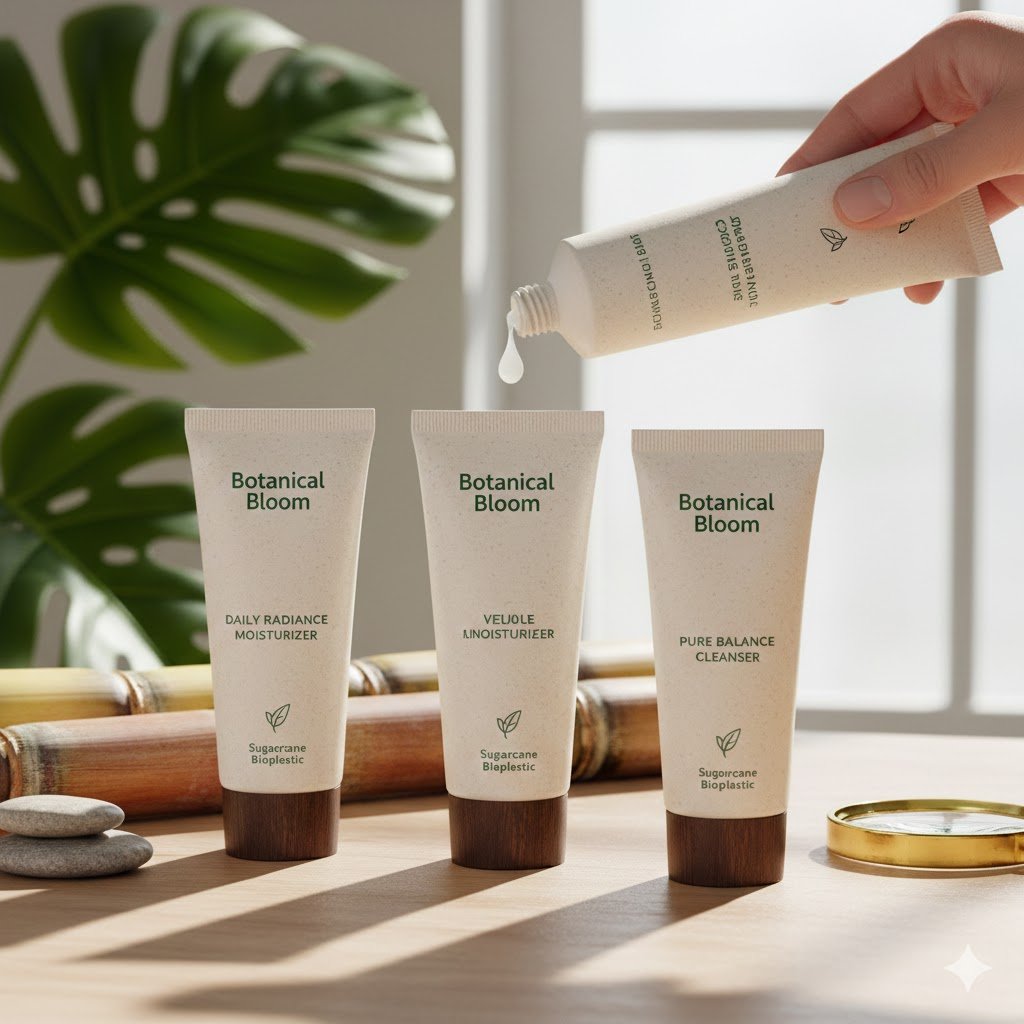
Have you ever looked at a “natural” face cream and felt a tiny bit of guilt because, despite the organic ingredients, the tube it came in was destined to outlive you by 500 years? You’re not alone. We’re currently living in a “green revolution” where the container is just as important as the contents. If you’re a brand owner or a conscious consumer, you’ve likely heard the buzz about sugarcane based bioplastic cosmetic tubes.
But is this just another marketing gimmick, or is it a genuine solution to our plastic problem? At Xinfly Packaging, we’ve seen firsthand how switching to bio-polyethylene (Bio-PE) can transform a brand’s carbon footprint without sacrificing that premium, “squeeze-worthy” feel. Let’s peel back the layers (or the husks) and explore why sugarcane is the secret ingredient your packaging strategy has been missing.
Key Takeaways
- Sugarcane-based bioplastic cosmetic tubes provide a sustainable alternative to traditional plastic, reducing carbon footprint.
- At Xinfly Packaging, we ensure these tubes maintain high-quality aesthetics while being eco-friendly and customizable.
- The production process involves using renewable sugarcane, which sequesters CO2, making it a carbon-negative option.
- Consumers, especially Gen Z, prefer brands that emphasize sustainability, leading to increased sales for those using bioplastic tubes.
- Xinfly Packaging aims to create a holistic, fossil-fuel-free packaging system beyond just tubes, promoting a circular economy.
The Science of Sugarcane: From Field to Pharmacy
When we say “sugarcane plastic,” people often imagine a tube made of sticky candy. In reality, the science is much more sophisticated. It’s a “drop-in” solution, meaning the final plastic is chemically identical to the stuff made from oil—it just has a much better origin story.
The Fermentation Miracle
The journey starts in the sun-drenched fields of Brazil. Once the sugarcane is harvested, the juice is extracted for sugar.2 The leftover stalks (bagasse) and molasses are fermented to produce ethanol.3 This ethanol is then dehydrated to create ethylene, which is polymerized into polyethylene.4 Voilà! You have a high-performance plastic that didn’t require a single drop of crude oil.
The Carbon Sink Effect
Here is the real kicker: while traditional plastic production releases carbon, sugarcane actually sequesters it.5 As the sugarcane grows, it breathes in $CO_2$. According to industry data, for every ton of sugarcane plastic produced, up to 3.09 tons of 6$CO_2$ are removed from the atmosphere.7 It’s one of the few manufacturing processes that can actually claim to be carbon-negative at the raw material stage.
Why Xinfly Packaging is Leading the Green Charge
At Xinfly Packaging, we didn’t just jump on the eco-trend; we built our manufacturing philosophy around it. We realized early on that beauty brands were tired of the “Eco-Dilemma”—choosing between a tube that looks good and a tube that is good.
Uncompromising Quality and Aesthetics
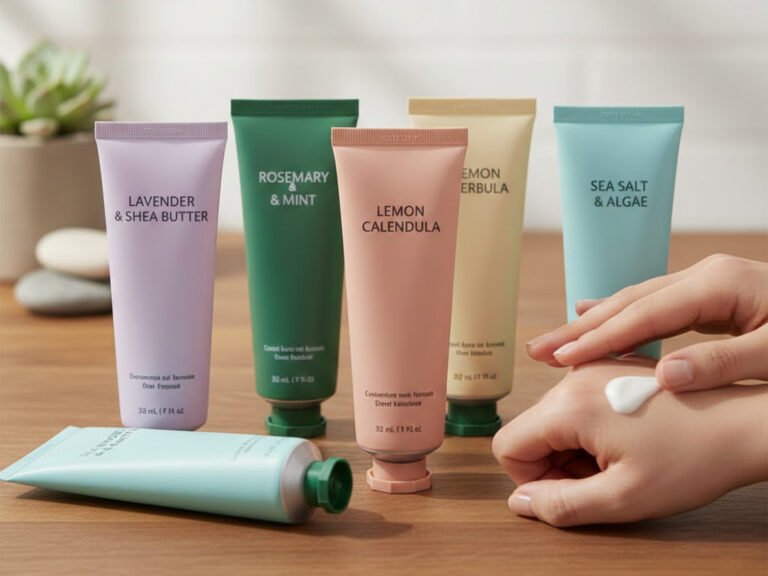
One of the biggest misconceptions is that sugarcane based bioplastic cosmetic tubes look “earthy” or “cheap.” Not on our watch. Because Bio-PE has the same physical properties as traditional PE, we can apply all our high-end decorative techniques. Want that luxurious gold foil? Or a sleek matte finish? Our sugarcane tubes take printing and texture just as well as petroleum-based ones.
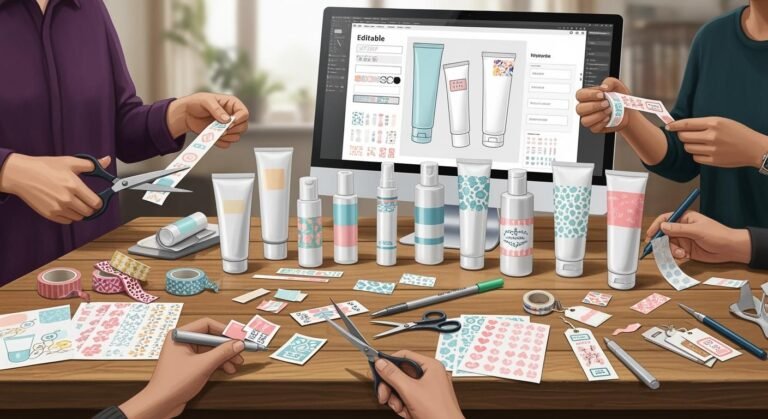
Customization for Every Niche
Whether you’re a startup looking for low MOQs or a global giant needing millions of units, we offer:
- Diameters from 13mm to 60mm.
- Cap options ranging from bamboo-effect screw caps to high-precision flip-tops.
- Multi-layer technology to ensure your sensitive formulas stay potent and fresh.
Battle of the Plastics: Sugarcane vs. Traditional PE
| Feature | Petroleum-Based PE | Sugarcane-Based Bio-PE |
| Raw Material | Finite Fossil Fuels | Renewable Sugarcane |
| Carbon Footprint | Positive (Emits $CO_2$) | Negative (Sequesters $CO_2$) |
| Recyclability | 100% (Stream #4 or #2) | 100% (Stream #4 or #2) |
| Performance | High | Identical |
| Consumer Perception | Declining | Rapidly Rising |
Notice the “Recyclability” row. This is a common point of confusion. Unlike some compostable plastics that ruin the recycling stream, sugarcane tubes are “chemically identical” to regular plastic. This means they can go right into the existing recycling bins. No new infrastructure is needed!
Market Insights: The 2025 “Clean Beauty” Standard
The beauty industry is no longer just about “Clean Ingredients”; it’s about “Clean Systems.” By 2025, industry analysts project that the bioplastic packaging market will exceed $13 billion. Why the sudden surge?
The Gen Z Influence
Younger consumers are voting with their wallets. They are savvy enough to spot “greenwashing.” When they see the “I’m g seal on a tube from Xinfly Packaging, they know the brand has invested in a verified, sustainable supply chain. It’s an instant trust-builder.
Regulatory Pressure
With the EU and various US states introducing stricter plastic taxes and EPR (Extended Producer Responsibility) laws, moving to a renewable source like sugarcane isn’t just good for the planet—it’s good for your bottom line. It future-proofs your brand against coming legislation.
Case Study: The “Botanical Bliss” Success Story
A boutique skincare brand, “Botanical Bliss,” was struggling to differentiate itself in the crowded “Organic” market. Their ingredients were top-notch, but their packaging was generic. They switched to sugarcane based bioplastic cosmetic tubes from Xinfly Packaging and highlighted the “Carbon-Negative” story on their Instagram.
The result? Their “Sustainability” highlight became their most-viewed story. They saw a 35% increase in repeat purchases because customers felt better about finishing a tube and knowing it came from a plant, not an oil rig.
Technical Deep Dive: Is Sugarcane Right for Your Formula?
You might be wondering: “Will my retinol/Vitamin C/SPF stay stable in a plant-based tube?”
The Barrier Myth
There is a myth that bioplastics are “breathable” and will let your product oxidize. This is true for some PLA (corn-based) plastics, but not for sugarcane Bio-PE. At Xinfly Packaging, we can manufacture sugarcane tubes with EVOH (Ethylene Vinyl Alcohol) barrier layers. This creates a “shield” that prevents oxygen from getting in and fragrance from getting out.
Compatibility Testing
As with any packaging, we always recommend a 4-week stability test. However, in our experience, if your product works in a standard plastic tube, it will work perfectly in our sugarcane version.
Beyond the Tube: The Future of Holistic Packaging
At Xinfly Packaging, we believe the tube is just the beginning. We are currently developing caps made from wood-fiber composites to pair with our sugarcane bodies. The goal is a 100% fossil-fuel-free packaging system. Imagine a product that is grown in a field, used in a bathroom, and then recycled back into the system—that is the circular economy we are building.
Conclusion: A Sweet Deal for Your Brand
In the end, choosing sugarcane based bioplastic cosmetic tubes is about alignment. It’s about ensuring that your brand’s outward appearance matches its internal values. It’s a way to tell your customers: “We care about your skin, and we care about the world you live in.” With the manufacturing expertise of Xinfly Packaging, making the switch is easier, more affordable, and more stylish than ever before. Let’s turn the tide on plastic, one squeeze at a time.
Frequently Asked Questions
Key points: what sugarcane bio-PE tubes are, how they differ from biodegradable plastics, recyclability, sustainability claims, performance for skincare formulas, printing options, MOQ & lead time, and how to choose the right structure.
Q1What are sugarcane-based bioplastic cosmetic tubes?
Q2Are sugarcane cosmetic tubes biodegradable or compostable?
Q3Are sugarcane bio-PE tubes recyclable?
Q4How do sugarcane tubes compare to PCR tubes?
Q5Do sugarcane tubes protect skincare formulas well?
Q6Can I customize printing and finishes on sugarcane tubes?
Q7Will sugarcane material affect tube color or appearance?
Q8What sustainability claims are safe to use on sugarcane tubes?
Q9What are typical MOQ and lead time for sugarcane cosmetic tubes?
Q10How do I choose the right sugarcane tube for my product line?
Ready to switch to sugarcane bio-PE tubes?
Share your tube size, target look, printing style, and sustainability goals — we’ll recommend the best structure and provide fast samples.