
The application of wheat straw plastic in cosmetic tube packaging

You can help the planet by picking a wheat straw cosmetic tube for your beauty products. Makers mix wheat straw fibers with strong materials to make Biodegradable Wheat Straw Cosmetic Tubes. These tubes help cut down on plastic waste. Using things like wheat straw, walnut shells, and loofah in cosmetic tube packaging helps the circular economy. It also helps lower pollution. Here are some features of Customized Wheat Straw Tubes:

| Key Feature | Description |
|---|---|
| Eco-Friendly & Biodegradable | Wheat straw material cuts plastic waste and helps the earth. |
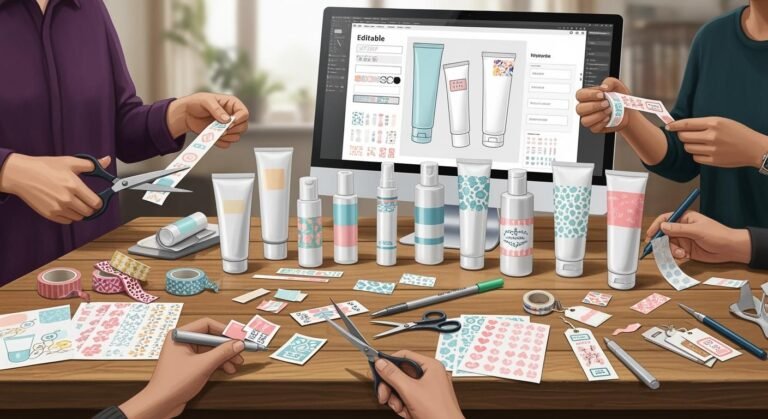
| Brand Customization | You can pick logo printing, colors, and finish types. |
Wheat Straw Cosmetic Tubes are safe, have no smell, and are BPA-free. They work for many kinds of cosmetic tube products.
Key Takeaways
- Picking wheat straw cosmetic tubes helps cut down plastic trash and keeps the Earth cleaner.
- These tubes are safe for makeup because they do not have BPA and follow tough safety rules.
- Wheat straw tubes break down quicker than normal plastics, so they are better for nature.
- Brands can choose colors and print logos on these tubes, which helps people remember their brand.
- Even though they may cost more, using eco-friendly packaging can save money over time and help the planet.
Wheat Straw Cosmetic Tube Overview
What Is Wheat Straw Plastic
You might ask why wheat straw plastic is different. Makers mix wheat straw fibers with biodegradable resins to make it. Wheat straw comes from the stalks left after wheat is picked. Instead of throwing these stalks away, people use them to make green products.
Here is a table showing the main parts of wheat straw plastic:
| Component | Proportion (%) |
|---|---|
| Wheat Straw Fiber | 20-40 |
| Polylactic Acid (PLA) | 50-70 |
| Additives and Plasticizers | 5-10 |
Wheat straw has cellulose, hemicellulose, and lignin. PLA holds everything together and helps it break down. Additives and plasticizers make the tubes bend and stay strong.
Wheat straw plastic does not have gluten or BPA. You do not need to worry about allergies or bad chemicals. The material has no smell, so your cosmetics stay fresh.
How Wheat Straw Cosmetic Tubes Are Made
The way to make wheat straw cosmetic tubes uses smart science and helps the planet. Makers first treat wheat straw fibers with an alkaline solution like sodium hydroxide. This step takes out things that are not needed and makes the fibers smoother. Smoother fibers mix better with the resin.
Then, makers mix the treated wheat straw fibers with PLA and other additives. This mix makes a bioplastic that is strong and bends easily. The better bond between fiber and resin makes the tube last longer.
Here is how this process is different from making regular plastic tubes:
- Wheat straw cosmetic tubes use farm leftovers and keep waste out of landfills.
- Regular plastic tubes use fossil fuels and petroleum-based stuff.
- Wheat straw plastic mixes natural fibers with biodegradable resins, so it is better for the earth.
- This way helps the circular economy and cuts down on pollution.
You get a safe, green tube that meets FDA rules. You can use these tubes for many cosmetics and not worry about safety or smell.
Benefits

Sustainability
When you pick a wheat straw cosmetic tube, you help the earth. These tubes use wheat straw, which comes from farm leftovers. Wheat straw is a renewable resource. You do not use up fossil fuels with these tubes. Makers need less energy to make them than regular plastic tubes. This means your beauty products have a smaller carbon footprint.
- Wheat straw cosmetic tubes use up to 30% less plastic.
- These tubes break down faster in landfills than normal plastics.
- Using farm waste helps lower carbon emissions during making.
- The process turns waste into useful packaging and helps the circular economy.
- You can choose designs and colors that fit your brand.
Tip: Choosing wheat straw cosmetic tubes helps keep the earth clean and cuts pollution.
Safety
You want your cosmetics to be safe and fresh. Wheat straw cosmetic tubes follow strict safety rules. They do not have BPA or gluten. You do not need to worry about bad chemicals or allergies. The tubes have no smell, so your products keep their own scent.
Here is a table with common safety certifications for these tubes:
| Certification | Description |
|---|---|
| CE | Follows health, safety, and environmental rules in Europe. |
| RoHS | Limits bad substances in products. |
| BPA Free | No Bisphenol A, which is in some plastics. |
| ISO9001 | Shows strong quality management. |
| SGS Testing | Proves the material is safe and good quality. |
You can use these tubes for many cosmetics like creams, lotions, and balms. The material keeps your products safe for you and your customers.
Recyclability
You can recycle wheat straw cosmetic tubes in many places. The tubes use biodegradable materials, so they break down easier than regular plastics. This helps keep landfills smaller and the environment cleaner.
- Wheat straw tubes are not fully biodegradable, but they break down much faster than normal plastics.
- The natural fibers in the tubes help them break down in compost or recycling systems.
- You help lower landfill waste when you use these tubes.
- The tubes help trap carbon in the material instead of letting it go into the air.
Note: Wheat straw cosmetic tubes work best for products that do not need high heat or moisture resistance. You get a green choice that fits most cosmetic needs.
Applications
Cosmetic Products
You can find wheat straw cosmetic tubes in many types of beauty and personal care items. These tubes work well for both home and travel use. Many hotels use them for toiletries because they are safe and eco-friendly. You might see them in:
- Lip balms
- Hand creams
- Lotions
- Bottles for shampoo or conditioner
- Jars for face masks or scrubs
The physical properties of wheat straw help decide which products fit best. The moisture content in the material ranges from 5.02% to 7.79%. This level helps keep your creams and lotions stable inside the tube. The small particle size, usually less than 0.85 mm, gives the tube a smooth texture. You will notice that the tube feels nice in your hand and makes it easy to squeeze out the product. Bulk density, which ranges from 97.52 to 177.23 kg/m³, helps the tube stay strong and not break easily. Porosity, from 46.39% to 84.24%, lets the tube work with many types of creams and gels.
Tip: Wheat straw cosmetic tubes are a smart choice for products that need safe, stable, and eco-friendly packaging.
Industry Adoption
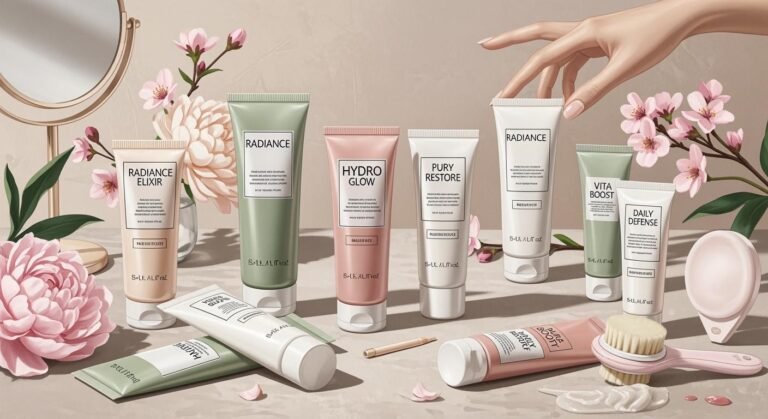
Many brands now use wheat straw cosmetic tubes to show they care about the planet. You see these tubes in both big and small companies. They want to give you a green choice without losing quality. The cosmetic industry likes these tubes because they use farm waste and help lower pollution. Companies also like that you can print logos and pick colors to match your brand.
You support the environment when you choose products in wheat straw cosmetic tubes. Brands that use these tubes help lead the way for more eco-friendly packaging. This move supports the growing demand for green products and helps protect the earth for the future.
Challenges
Cost
You may notice that wheat straw cosmetic tubes cost more than regular plastic tubes. The price can be 15-30% higher. This happens because the process uses special materials and new technology. You also need to order a minimum of 10,000 pieces, which can be hard for small brands. The production time is about 35 days, so you must plan ahead. Most tubes ship from ports like Guangzhou or Shenzhen.
| Feature | Details |
|---|---|
| Material | Wheat straw fibers, Tube PE, Cap PP |
| Diameter | D40mm, 60-150ml per different length |
| Production time | 35 days |
| MOQ | 10,000 pcs |
| Port of export | Guangzhou, Shenzhen |
You might pay more at first, but you help the planet and follow new rules for eco-friendly packaging. Over time, you can save money by using less plastic and meeting green standards.
Availability
You may find that wheat straw tubes are not always easy to get. Several things affect how many tubes you can buy:
- The first cost is higher than regular plastic tubes.
- You need enough wheat straw to make the tubes, so farms must grow and collect it.
- Companies must scale up production to meet demand.
- Using green packaging can save money in the long run and help you follow new laws.
If you want to use wheat straw tubes, you need to check if suppliers can meet your needs. The supply chain is growing because more people want eco-friendly products. The market for green packaging could reach $8.3 billion by 2027. Still, you may see delays or higher prices because the supply chain is not as strong as for regular plastic tubes.
Performance
You may wonder if wheat straw tubes protect your products as well as plastic ones. Wheat straw fibers make the tubes strong and sturdy. They keep your creams, lotions, and balms safe during shipping and storage. These tubes do not break easily and can handle normal use. You can trust them to keep your products fresh and safe.
Wheat straw tubes are food-safe, so you can use them for beauty and personal care items. They meet safety rules and keep your products in good condition. You may need to check if the tubes work for products that need high heat or moisture resistance. Most brands find that wheat straw tubes perform well for everyday cosmetics.
Note: You help the environment and get strong, safe packaging when you choose wheat straw cosmetic tubes. You may need to plan for higher costs and check with suppliers, but you support a cleaner future.
If you pick a wheat straw cosmetic tube, you help the earth. Experts say this packaging can cut over 75% of greenhouse gas emissions. This is much better than regular packaging. Wheat straw tubes use farm waste that would be thrown away. This helps keep the planet safe. When you choose eco-friendly packaging, you support a cleaner world. More brands may start using these tubes as people want greener options.
Wheat Straw Plastic for Cosmetic Tubes – Frequently Asked Questions
How wheat-straw composites translate into real tube performance: sustainability, safety, barrier, molding, finishes, QA, recycling/composting and branding.
1) What is wheat straw plastic for cosmetic tubes?
2) Why apply wheat straw plastic to tube packaging?
3) Is it safe for skin-contact cosmetics?
4) How does barrier performance compare to standard PE?
5) Which tube components can use wheat straw plastic?
6) Does it affect molding or sealing on the line?
7) What finishes and printing work well?
8) Can I keep it recyclable?
9) Is it biodegradable or compostable?
10) How should I phrase sustainability claims?
11) What typical sizes and use cases fit best?
12) Any color or aesthetic limitations?
13) What QA tests are essential?
14) MOQs and lead times vs. standard PE?
15) Why Xinfly Packaging for wheat-straw tubes?
Ready to customize your packaging? Contact our team for detailed pricing, MOQ flexibility, and fast production samples.
You may like:

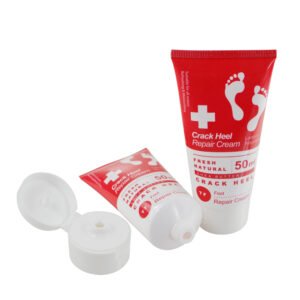
100ml Offset printing Plastic Hand Foot Cream Packaging with Flip Cap
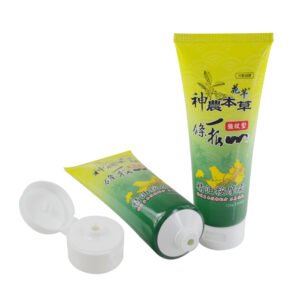
100ML Offset printing Plastic Lotion Cream Cosmetic Squeeze Tubes with Flip Cap
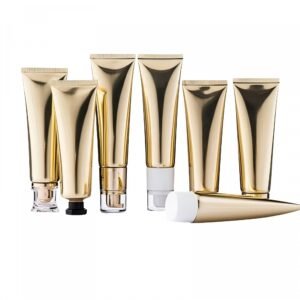
30ml 50ml 60ml 100ml 120ml ABL Shiny Gold Aluminum Plastic Cosmetic Tubes for Cream, Lotion & Facial Cleansing Packaging
50ml 1.75oz Empty Oval Plastic Squeeze Packaging Tubes for Lotion