
The Startup’s Survival Guide: Finding the Best Low MOQ Cosmetic Tube Suppliers

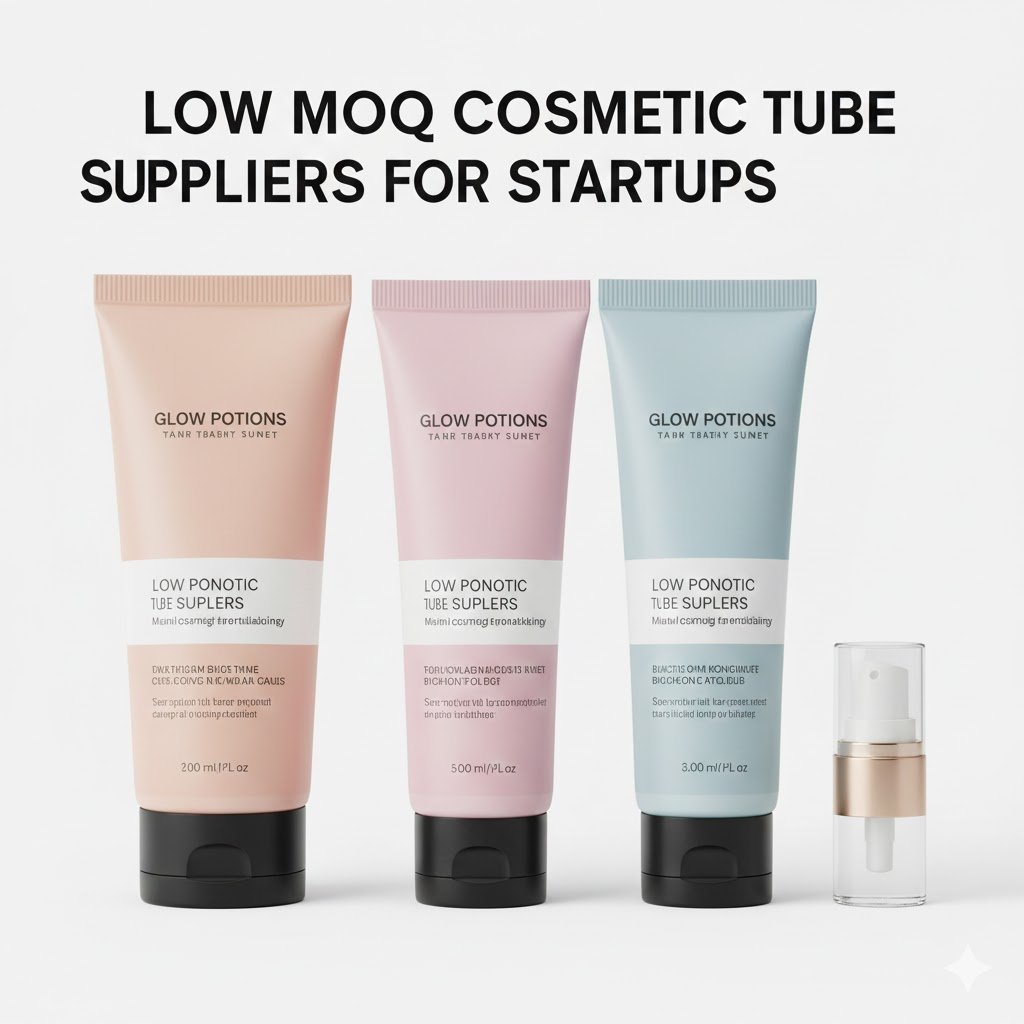
Starting a beauty brand is a lot like brewing the perfect cup of coffee. You need the right beans (your formula), the right temperature (your marketing), and—most importantly—the right mug to hold it all together. But for many “indie” founders, that “mug” comes with a catch: manufacturers often want you to buy 50,000 of them before they’ll even talk to you. If you’re a startup, that’s not a hurdle; it’s a brick wall.
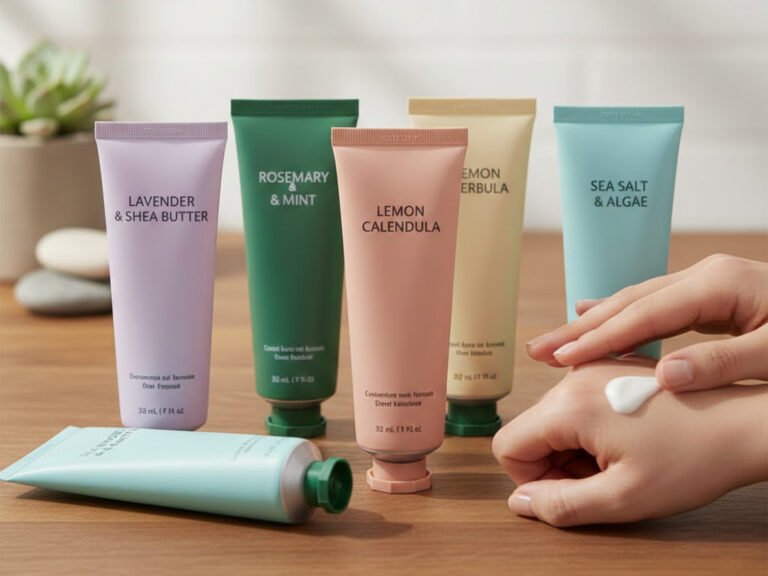
This is where the magic of low MOQ cosmetic tube suppliers comes into play. By lowering the “Minimum Order Quantity,” these partners allow you to launch without selling your car or turning your garage into a warehouse for 40,000 unsold tubes of lip gloss. In this guide, we’re going to dive deep into how to find these elusive suppliers, why they are the backbone of the modern beauty industry, and how our brand, Xinfly Packaging, is changing the game for small-scale entrepreneurs.
Key Takeaways
- Starting a beauty brand requires the right components, and low MOQ cosmetic tube suppliers solve the issue of high minimum orders for startups.
- Low MOQs enable brands to test new products with less financial risk and adapt to customer feedback efficiently.
- Xinfly Packaging specializes in small runs, allowing startups to achieve quality similar to larger companies without heavy investments.
- The beauty industry is shifting towards small batches and niche markets, making low MOQ suppliers essential for success.
- Utilizing sustainable materials and customized design options can enhance brand image while keeping costs manageable.
The MOQ Dilemma: Why the Numbers Usually Scare Startups
To understand why a low MOQ is such a big deal, we have to look at the “old way” of doing things. Traditionally, cosmetic tube factories operate on thin margins and high volume. Setting up a machine to print a custom design takes hours; if they only print 500 tubes, they actually lose money on the electricity and labor.
The Financial Risk of High Minimums
Imagine you’ve developed a revolutionary vegan hand cream. A traditional supplier demands a 20,000-unit minimum. At $0.50 per tube, that’s $10,000 just for the empty packaging! For a startup, that capital is better spent on social media ads or better ingredients. High MOQs trap your cash in “dead inventory”—tubes that sit on a shelf, slowly becoming obsolete as trends shift.
Speed vs. Scale: The Pivot Factor
What if your customers love the cream but hate the scent? If you have 19,500 tubes left, you’re stuck. Low MOQ cosmetic tube suppliers give you the “Pivot Factor.” You can order 1,000 tubes, test the market, listen to feedback, and tweak your design or formula for the next batch. It’s the “Lean Startup” methodology applied to physical goods.
How Xinfly Packaging Empowers the Next Generation of Beauty Giants
When we built Xinfly Packaging, we saw a gap in the market. There were massive factories for the Estée Lauders of the world, and there were tiny “re-sellers” on Amazon selling generic tubes. But there was nothing in the middle for the ambitious startup that wanted professional, custom-printed tubes without the corporate-level commitment.
Bridging the Gap Between Quality and Quantity
At Xinfly Packaging, we’ve optimized our production lines specifically to handle smaller, high-detail runs. We believe that a brand ordering 1,000 tubes deserves the same precision, color matching, and material quality as a brand ordering a million. By utilizing digital printing and flexible manufacturing, we allow startups to look like “big players” from day one.
Material Variety for Niche Brands
Startups often lead the way in sustainability. That’s why we offer our low MOQ options in a variety of “green” materials:
- PCR (Post-Consumer Recycled) Plastic: Giving a second life to existing plastic.
- Sugarcane Bio-Resin: A carbon-negative alternative that looks and feels like premium PE.
- Aluminum Tubes: The ultimate “infinite” recyclable material for that luxury, clinical aesthetic.
Spotting the Right Supplier: A Startup’s Checklist
Not all low MOQ cosmetic tube suppliers are created equal. Some “low MOQ” vendors are actually just middle-men who buy in bulk and mark up the price. To get the best results, you want to work as close to the factory floor as possible.
1. Communication Speed
In the startup world, time is your most valuable asset. If a supplier takes four days to answer an email about tube diameters, how long will they take to fix a production error? Look for partners who are responsive and transparent.
2. In-House Decoration Capabilities
Does the supplier actually print the tubes, or do they send them to a third party? Xinfly Packaging handles printing in-house, which means better quality control and faster lead times. Whether it’s silk-screening, offset printing, or hot stamping, having it all under one roof is a massive advantage.
3. Sample Availability
Never—and I mean never—place a full order without seeing a sample. A reputable supplier should offer samples of their previous work or, for a small fee, a “pre-production sample” of your specific design. This is where you check for “leak-proofness” and ink durability.
Market Insights: Why 2025 is the Year of the Small Batch
The beauty industry is moving away from “one-size-fits-all.” We’re seeing a surge in “micro-niches”—skincare for gamers, makeup for extreme athletes, or locally-sourced botanical balms. These brands don’t need 100,000 units; they need 500 units of ten different varieties.
The Rise of “Drop Culture” in Beauty
Just like streetwear, beauty brands are now using “limited edition drops” to create hype. By working with low MOQ cosmetic tube suppliers, you can release a seasonal “Pumpkin Spice” lotion in October and a “Peppermint” cream in December without the risk of leftover stock.
Social Media and “Shelfie” Appeal
On TikTok and Instagram, the packaging is the content. Startups are winning because they can afford to take risks with bold, “loud” packaging designs that stand out in a scrolled feed. A custom-printed tube from Xinfly Packaging with a holographic finish can go viral much faster than a generic white tube with a sticker on it.
Case Study: From Kitchen Sink to Sephora Shelves
Let’s talk about “Glow-Up Botanicals” (a fictionalized composite of several brands we’ve helped). They started by making organic face masks in glass jars. The jars were heavy, expensive to ship, and hard for customers to use in the shower.
They wanted to move to tubes but were quoted 30,000 units by three different local vendors. They reached out to Xinfly Packaging, and we worked with them on a run of 2,000 PCR plastic tubes with a soft-touch matte finish.
- The Result: Their shipping costs dropped by 60%.
- The Growth: Because they didn’t sink all their money into 30,000 tubes, they had the budget to hire a skincare influencer.
- The Exit: Within 18 months, they were picked up by a major national retailer. They now order 50,000 units a month, but it all started with that first low MOQ run.
Technical Deep Dive: Materials and Compatibility
When you’re a startup, you can’t afford a product recall. The relationship between your formula and the tube material is critical.
Understanding Barrier Properties
If your product contains active ingredients like Vitamin C or Retinol, “standard” plastic won’t cut it. You need an ABL (Aluminum Barrier Laminate) tube. This prevents oxygen from seeping through the plastic and turning your expensive serum into a brown, useless mess. At Xinfly Packaging, we guide our startup clients through these technical hurdles so they don’t make rookie mistakes.
The Sustainability “Tax”
Is eco-friendly packaging more expensive? Honestly, yes—usually by 15-25%. However, for a startup, this is an investment in brand equity. In 2025, being “green” isn’t a bonus; it’s a requirement for Gen Z consumers. Choosing a sustainable option from the start saves you from a “re-branding” headache two years down the line.
Navigating the Global Supply Chain as a Small Player
Many startups are afraid of “importing.” They worry about customs, shipping delays, and language barriers. While working with a domestic supplier feels “safe,” it’s often 3x the price.
The “Direct-from-Source” Advantage
By working with a manufacturer like Xinfly Packaging based in China, you’re tapping into the world’s most efficient cosmetic supply chain. We handle the complexities of export documentation, and with modern air-freight, you can have your custom tubes at your door in less time than it takes some domestic suppliers to finish a “discovery call.”
Customization on a Budget: Making Every Cent Count
If you’re working with a low MOQ, you want maximum impact. Here’s how to get a “luxury” look without a “luxury” price tag:
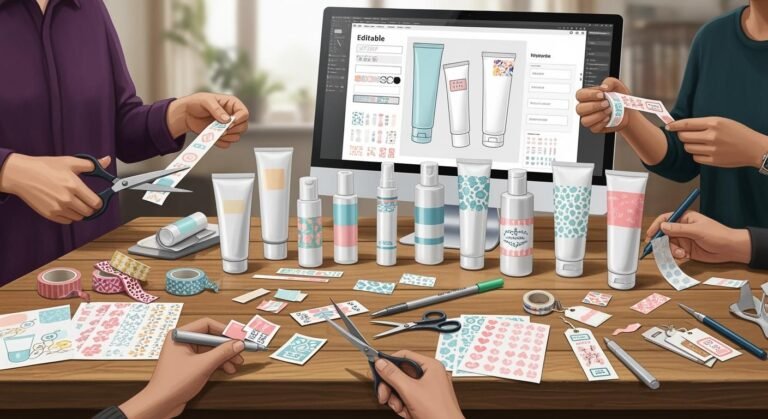
- Use Bold Typography: Instead of expensive multi-color illustrations, use one or two bold colors and striking fonts.
- Focus on the Cap: A custom-colored cap (like a matte gold or wood-grain) can make a standard tube look like a $50 product.
- Play with Texture: A “spot UV” finish—where only certain parts of the tube are glossy and the rest is matte—adds a high-end tactile feel for a very low additional cost.
Conclusion: Small Start, Big Future
The journey of a thousand skincare routines begins with a single squeeze. Don’t let high minimums stifle your creativity or drain your bank account. By finding the right low MOQ cosmetic tube suppliers, you’re giving your brand the agility it needs to survive the first year and the professional look it needs to thrive for the next decade. At Xinfly Packaging, we aren’t just selling you a tube; we’re providing the vessel for your brand’s success.
Are you ready to stop dreaming and start squeezing? Let’s build something beautiful together.
Frequently Asked Questions
Key points: what “low MOQ” really means, realistic MOQ ranges, cost drivers, sampling, artwork setup, lead time, supplier vetting, quality control, and how startups can scale without inventory risk.
Q1What counts as a “low MOQ” for custom cosmetic tubes?
Q2Why do some suppliers require higher MOQs?
Q3How can startups get lower MOQ without sacrificing quality?
Q4What’s the best tube type for a startup’s first order?
Q5Can I get samples before placing a low-MOQ order?
Q6What artwork files do I need for custom tube printing?
Q7How long does production take for low-MOQ cosmetic tubes?
Q8How do I vet a low-MOQ supplier as a startup?
Q9What quality checks matter most for first-time orders?
Q10How can I reduce risk and scale after my first launch?
Launching a startup brand with a low MOQ?
Send your tube size, product type, and target quantity — we’ll recommend a low-MOQ option (structure + cap + printing) and provide a fast sampling plan.
Estimated reading time: 10 minutes