
The Ultimate Guide to Custom Toothpaste Tubes for New Brands

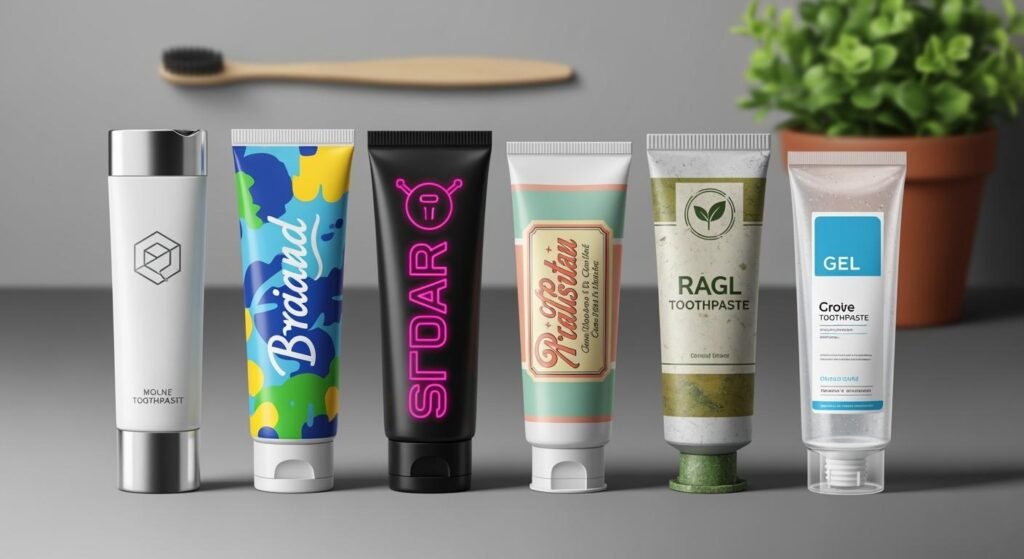
You want your toothpaste packaging to be special and catch people’s eyes. Picking the best toothpaste tubes means you need to think about materials and design. You also need to think about how your product fits in the market. Many new brands make mistakes because they do not know their customers. Some brands also confuse people with their branding. Custom cosmetic tubes can help you make a strong brand identity. Good packaging can help you stand out. It can also make you feel more confident when you launch your product.
Key Takeaways
- Choosing the right toothpaste tubes involves considering materials, design, and market fit.
- Different tube types include plastic, aluminum, laminated, and eco-friendly options, each with unique benefits and drawbacks.
- Customization options allow brands to create eye-catching designs and improve shelf presence.
- Quality compliance is vital; choose safe materials and follow regulations for labeling and sustainability.
- Selecting the right supplier ensures successful production and aligns with your brand’s goals.
Define Your Toothpaste Tubes Needs
Product Requirements and Compatibility
First, think about what your toothpaste needs. Some toothpaste needs extra protection from air and water. Multi-layer composite materials can keep the ingredients safe. If you want to help the planet, plant-based plastics are a good choice. They help cut down on plastic waste. High-density polyethylene (HDPE) is cheap and can be recycled. Make sure the tube material works well with your toothpaste.
Market Positioning and Branding
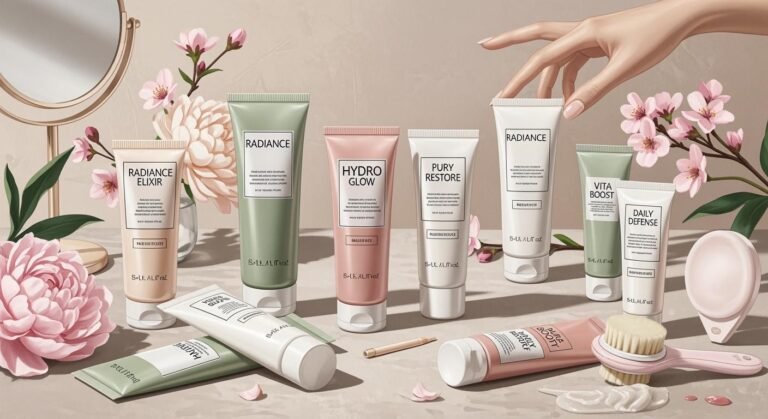
Your tube design shows what your brand is about. Bright pictures and cool fonts make your toothpaste easy to spot. People like products that look nice. If you use eco-friendly materials, people know you care about the Earth. This can make your brand stronger and bring in shoppers who want green products. New caps and easy-to-squeeze tubes make your toothpaste feel modern and simple to use.
Tube Size and Capacity
Choose a tube size that fits your customers. Most people buy collapsible tubes. These are the most common type. Stand-up tubes save space and look tidy in the bathroom. Think about how much toothpaste people use. Small tubes are good for travel or samples. Big tubes are better for families. Pick a size that matches what your customers need.
Budget Planning
You need to know your budget before you buy. The price of toothpaste tubes depends on the material and how many you order. Aluminum tubes cost between $0.15 and $0.60 each. Pure aluminum costs more than laminated tubes. Most suppliers want you to order at least 10,000 to 50,000 tubes. Laminated tubes usually start at 10,000 pieces. Some suppliers let you order different designs in one batch. Plan your budget for your first order and for later orders. This helps you avoid problems and keeps your business running well.
Tip: Always ask a few suppliers for prices. This helps you compare and find the best deal for your money.
Types of Toothpaste Tubes
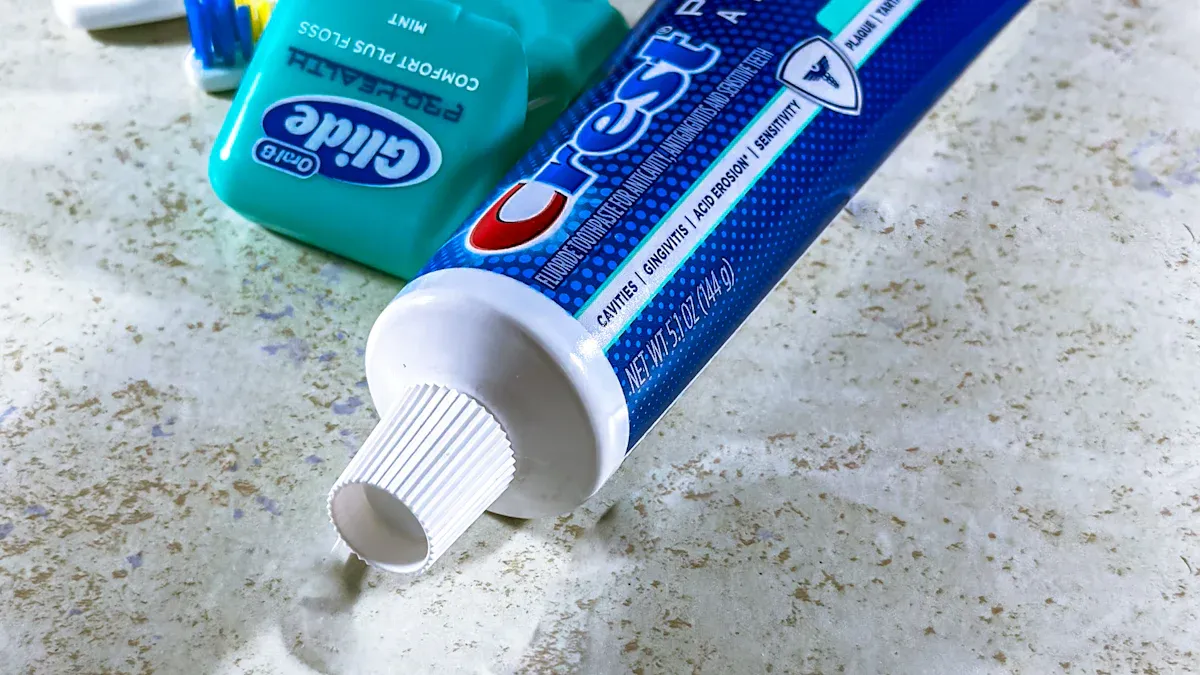
There are many kinds of toothpaste tubes you can pick. Each kind has good and bad points. The best one for you depends on your product and brand. It also depends on what your customers want. Let’s look at the main types you will find in stores.
Plastic Tubes (Polyethylene, Polypropylene)
Plastic toothpaste tubes are very common. You see them in almost every store. They are cheap and simple to make. The two main plastics used are polyethylene (PE) and polypropylene (PP). Here is a table that shows how they are different:
| Material | Advantages | Disadvantages |
|---|---|---|
| Polyethylene (PE) | Low cost, easy processing, good flexibility, high transparency, easy curing | Low hardness, not suitable for high/low temperatures, shorter shelf life products |
| Polypropylene (PP) | Harder than PE, better heat and cold resistance, some flexibility | More expensive than PE, susceptible to UV aging, requires protection from direct sunlight during storage |
Plastic tubes are light and easy to squeeze. You can get all the toothpaste out. But there are some problems with them:
- Most toothpaste tubes use mixed materials, so recycling is hard.
- Making these tubes uses a lot of energy and oil, which causes more pollution.
- These tubes can leave a big carbon footprint.
If you want to sell to people who care about the planet, you may want to try other tubes. But if you need something cheap and simple, plastic tubes work well.
Aluminum Tubes
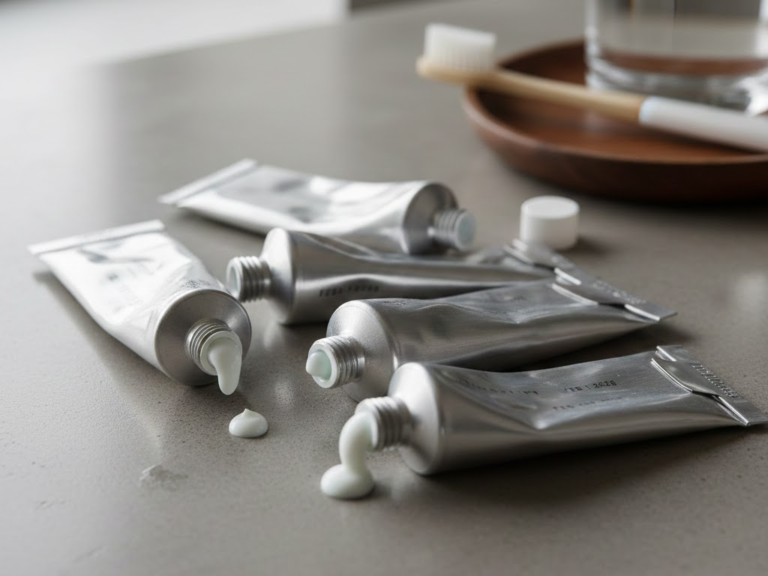
Aluminum toothpaste tubes protect your toothpaste very well. They keep out air, light, and water. This helps your toothpaste stay fresh longer. Here is what aluminum tubes can do:
- They block all light, so your toothpaste does not spoil.
- They stop air and water from getting inside.
- They do not dent easily and keep their shape.
- They do not crack when you squeeze them.
Aluminum tubes cost more than plastic ones. Sometimes they cost 30-50% more. This can make it harder to make money if you are new. But if your toothpaste has special ingredients, aluminum tubes are a good choice. They also make your brand look fancy.
Laminated Tubes
Laminated tubes mix the best parts of plastic and aluminum. They have layers that protect your toothpaste and show off your brand. Here is a table that explains what laminated tubes offer:
| Benefit Type | Description |
|---|---|
| Structural Protection | Laminated tubes provide superior barrier protection against oxygen, moisture, and light. |
| Branding Opportunities | The outer plastic layer allows for high-quality printing and vibrant branding possibilities. |
| User Experience | The flexibility and squeezability enhance the user experience by allowing precise dispensing. |
Laminated tubes keep toothpaste safe for a long time. They can make toothpaste last 12 to 36 months or more. These tubes also help stop toothpaste from going bad, which is good for fluoride toothpaste. If you want bright and colorful packaging, laminated tubes are a good pick.
Laminated tubes usually cost less than pure aluminum tubes. They are a good choice if you want both safety and style.
Eco-Friendly Tubes
Eco-friendly toothpaste tubes are getting more popular every year. Big brands like Colgate and Procter & Gamble use recyclable tubes now. Colgate says 90% of its U.S. brands use these tubes. Other companies like Unilever and Haleon are also making the switch.
You can find different types of eco-friendly toothpaste tubes:
| Material | Description | Biodegradability Rate |
|---|---|---|
| Plant-Based Plastics | Made from renewable resources like sugarcane or cornstarch, reducing carbon footprint. | Not specified |
| Paper-Based Packaging | Often compostable or recyclable, suitable for solid or tablet toothpaste. | Compostable/Recyclable |
| Mushroom Packaging | Biodegradable and compostable, made from mycelium, can be shaped as needed. | Biodegradable |
Eco-friendly tubes help your brand stand out to green shoppers. They show you care about the Earth. These tubes also help cut down on trash and pollution. If you want your brand to look modern and caring, eco-friendly tubes are a smart pick.
Tip: Pick the right toothpaste tube for your product and customers. If you sell natural toothpaste, eco-friendly tubes are a good match. If you need toothpaste to last a long time, laminated or aluminum tubes are better. Always think about what your customers want and what fits your brand.
Customization Options
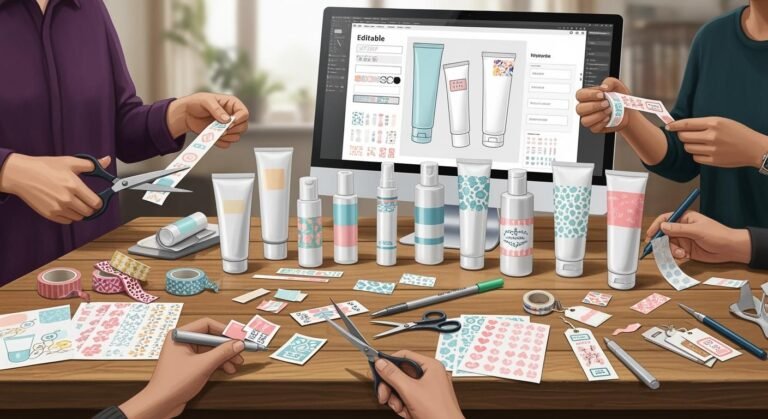
You want your toothpaste tubes to stand out. Customization gives you the power to create a unique look that matches your brand. With the right customization options, you can make your product more appealing and memorable. Let’s break down how you can use shapes, printing, caps, and branding elements to boost your shelf presence.
Tube Shapes and Sizes
The shape and size of your tube do more than just hold toothpaste. They help your product get noticed and make it easier for customers to use. When you pick the right shape, you can attract more buyers and even get better placement in stores. Here’s a quick look at how different shapes and sizes make a difference:
| Aspect | Impact on Shelf Presence and Consumer Choice |
|---|---|
| Shape | Changes how your product looks and feels on the shelf. |
| Visibility | Unique shapes catch the eye and draw attention. |
| Retailer Preferences | Easy-to-stack tubes get better spots in stores. |
| Sales | Smart design can lead to more sales and better product placement. |
You can choose from many tube sizes, from 15ml for travel to 200ml for family packs. Slim tubes work well for people on the go. Wide-mouth tubes fit thicker formulas. Tapered tubes help with controlled dispensing. When you match the tube size to your customer’s needs, you make their lives easier and boost your brand’s appeal.
Tip: Customization of tube diameter and height can help you target different markets. Slender tubes often attract premium buyers, while larger tubes are great for families or bulk shoppers.
Printing Methods and Finishes
Your tube’s look depends a lot on the printing method you choose. Good printing makes your artwork pop and helps your branding shine. You have several options for printing and finishes:
- Metallic finishes and pearlescent effects make your logo and artwork sparkle under store lights.
- Silk screen printing gives bold, raised logos that you can feel.
- Offset printing lets you use full-color graphics for smooth, detailed artwork.
- Hot stamping adds shiny metallic accents for a classy touch.
- Heat transfer and digital printing work well for high-quality images and small batches.
- Embossing and debossing add texture, making your branding elements stand out.
Some brands use inner printing to protect the ink, so your artwork stays bright even after many uses. Gravure printing is fast and great for big orders. It also gives you sharp details and smooth gradients. You can also try letterpress, flexographic, or screen printing, each with its own style.
When you plan your customization, think about how your artwork will look in real life. Try different finishes to see what fits your brand best.
Cap Styles and Waste-Reducing Designs
Caps do more than seal your toothpaste. The right cap style can make your tube easier to use and help the planet. Flip-top caps are great for daily use. Screw caps work well for travel because they stay secure. Some brands now use single-material caps and tubes, which makes recycling much easier. For example, Colgate switched to HDPE tubes that you can recycle in curbside bins. This change cuts down on plastic waste and supports sustainability.
Recycling plastic, like PET, uses much less energy than making new plastic. This means lower carbon emissions and a smaller footprint for your brand. You can also look for caps and tubes made from 100% recycled materials. These waste-reducing designs show customers that you care about the environment.
- Choose caps that are easy to open and close.
- Pick designs that use less material but still protect your product.
- Make sure your tube and cap can be recycled together.
Branding Elements and Display Space
Branding elements help your toothpaste stand out in a crowded store. You want your logo, colors, and artwork to grab attention. The space on your tube is valuable, so use it wisely. Place your logo where people can see it right away. Use bold colors and clear fonts for your product name. Add unique artwork that tells your brand’s story.
Good product placement in stores also matters. Products placed just below eye-level get noticed first. A strong promotion plan helps your brand get seen and remembered. Public relations can build trust and keep customers coming back.
Make the most of your customization options by using every inch of your tube for branding. Try different artwork layouts and see what catches the eye. The right branding elements can turn a simple tube into a powerful marketing tool.
With smart customization, you can create toothpaste tubes that look great, feel good in the hand, and help your brand grow. Focus on artwork, branding elements, and waste-reducing designs to make your product a favorite on the shelf.
Quality, Compliance, and Sustainability
Material Quality and Product Safety
Toothpaste tubes need to keep your product safe. Picking the right materials is very important. High-density polyethylene and polyethylene terephthalate are strong and last a long time. These materials help tubes stay fresh and protect toothpaste. Always check if tubes can stop leaks and handle pressure. Good materials mean tubes will not break or leak.
Here’s what matters for quality:
| Aspect | Description |
|---|---|
| Material Selection | High-density polyethylene (HDPE) and polyethylene terephthalate (PET) are used for durability. |
| Quality Control | Rigorous testing for leak resistance, burst strength, and dimensional accuracy is conducted. |
| Regulatory Compliance | Adherence to industry standards and regulations ensures product safety and quality. |
You must also follow rules from health groups like the FDA and EFSA. These rules make sure toothpaste is safe and works as it should.
Regulatory Standards and Labeling
Labels are very important for following the rules. You need to put key details on your packaging. This helps people trust your brand and keeps you out of trouble. Here is what you must include:
| Requirement | Description |
|---|---|
| Importer’s or Manufacturer’s Name and Address | The label must include the registered name and address of the importer or manufacturer. |
| Nominal Content | The packaging must state the nominal content by weight or volume. |
| Expiration Date | A date indicating when the product should be used by or is best before must be included. |
| Precautionary Information | Any necessary warnings or precautionary information must be displayed. |
| Batch Number | A reference or batch number from the manufacturer is required. |
| Product Function | The label must state the intended function of the product. |
| List of Ingredients | A complete list of ingredients, including any nanomaterials, must be provided. |
Tip: Always check your labels before printing. Mistakes can cause recalls or fines.
Sustainable Packaging Practices
Sustainability is changing how brands pick packaging. Many companies now use recyclable and biodegradable materials to help the planet. You can find refillable glass jars, recyclable plastic tubes, and packaging made from plants. Brands like Colgate and Tom’s use recyclable tubes. Others, like Bite and Nelson Naturals, use glass jars and refill packs.
| Brand | Sustainable Practice |
|---|---|
| Nelson Naturals | Refillable glass jar packaging |
| Tom’s | New recyclable toothpaste tube |
| Auromère | 100% recyclable box and super-concentrated formula |
| Uncle Harry’s | Glass jars instead of plastic tubes |
| Denttabs | Uses bio-based and biodegradable PLA in packaging |
| Bite | Refillable glass jar with refill pouches |
| Colgate | Developed a recyclable toothpaste tube recognized by APR |
You can join these efforts by picking recyclable and biodegradable tubes. This helps your brand stand out and shows you care about the Earth.
Supplier Selection for Toothpaste Tubes
Picking the right supplier is very important. Your supplier can help your brand do well or cause problems. You need a partner who listens and helps you reach your goals. Let’s see what you should look for when choosing a supplier.
Evaluating Supplier Capabilities
Suppliers are not all the same. Some give better service and quality than others. You should check a few things before you start making tubes. Here is a table to help you compare:
| Criteria | Description |
|---|---|
| Integration Capabilities | Make sure tubes work with your machines and stay the same in every batch. |
| After-Sales Support Evaluation | Look for quick help and easy-to-read guides. |
| Operational Safety Compliance | Ask for proof that tubes are strong and safe. |
| Specifications & Compliance | Check if tubes follow safety rules and use safe materials. |
| Performance & Quality Validation | Test tubes for leaks and see if they work with thick toothpaste. |
| Cost-Efficiency Analysis | Compare prices and think about how much energy is used. |
| Supplier Verification | Use a process to check suppliers and lower risks. |
Good suppliers help you avoid trouble when making toothpaste tubes. They support you from your first order to every order after that.
Xinfly Packaging Overview
Xinfly Packaging is a top choice for toothpaste tubes. They care about quality and service. Here is what they offer:
| Quality Assurance Practices | Description |
|---|---|
| Strict Quality Checks | Every batch gets tested for leaks, thickness, and follows FDA/ISO rules. |
| Advanced Printing Techniques | You can use special printing to make your brand look better. |
| Eco-Friendly Solutions | Xinfly has green packaging for brands that care about the planet. |
You can trust Xinfly Packaging for safe and nice-looking tubes. They help you build a strong brand every time you order.
Order Quantities and Lead Times
When you buy toothpaste tubes, you need to plan how many you need and when you need them. Most suppliers want you to order at least 10,000 tubes. It usually takes about 30 days to get your order.
| Minimum Order Quantity | Lead Time |
|---|---|
| 10,000 pcs | 30 days |
Planning ahead helps you keep your production moving and stops delays.
Cost Efficiency and Sample Orders
Saving money is important for new brands. You want good tubes without spending too much. Ask your supplier for sample orders before you buy a lot. This lets you test the tubes and see if they work for you.
| Step | Description |
|---|---|
| 1 | Order a small batch to test. |
| 2 | Check how the tube feels, smells, and works. |
| 3 | Get feedback and make changes before you order more. |
Sample orders help you avoid mistakes that cost money. You can fix your packaging and process before making lots of tubes.
Tip: Be friendly with your supplier. It helps you get better prices, good quality, and smooth production for every batch of toothpaste tubes.
Decision Checklist and Scalability
Key Questions Before Ordering
Before you place your first order, you need a custom tube checklist. This helps you avoid mistakes and keeps your project on track. Ask yourself these questions:
- What material choices do you have for the tubes? Do they match your brand’s sustainability goals?
- How do the barrier features, like oxygen and water vapor resistance, affect how long your toothpaste stays fresh?
- Does the cap design make it easy for people to use? Will it work for kids, adults, or travelers?
- Will the print quality and branding options help your marketing stand out?
- Has the supplier tested the tubes for leaks and made sure they work with your filling machines?
- Are all materials safe and do they meet the rules for your market?
Tip: Write down your answers and share them with your team. This makes sure everyone knows what to look for in your packaging.
Planning for Brand Growth
As your brand grows, your packaging needs may change. You want to make sure your choices today will not slow you down tomorrow. Here are some things to think about:
| Scalability Consideration | Description |
|---|---|
| Regulatory Flexibility | Your packaging should adapt if rules change, so you do not need a full redesign. |
| Sustainability Evolution | Choose packaging that can become more eco-friendly as your customers ask for greener options. |
| Cost Management | Smart packaging design helps you save money as you order more tubes. |
You can also plan your orders to match your sales. This helps you keep less old inventory and lets you spend more on products that sell fast. When you use these strategies, you can grow your brand without wasting money or time.
There are many things to consider when picking custom toothpaste tubes. First, learn about the different materials you can use. Test the tubes to see if people like using them. Make sure your packaging follows all the rules. Use a checklist so you do not forget anything important. Contact suppliers such as Xinfly Packaging and ask for samples to try. Check that everything meets the rules before you buy. If you focus on being creative, making good quality, following rules, and helping the planet, your packaging will help your brand get noticed and grow.
Frequently Asked Questions
Key points: custom toothpaste tube materials, sizes, printing, barrier properties, sampling, MOQ, production time, packaging performance, and sustainability options.
Q1What materials are commonly used for custom toothpaste tubes?
Q2What sizes are most popular for custom toothpaste tubes?
Q3Can I print my logo and artwork on toothpaste tubes?
Q4What’s the difference between barrier tube types?
Q5Can custom toothpaste tubes be eco-friendly?
Q6What is the typical minimum order quantity (MOQ)?
Q7How long does it take to produce custom toothpaste tubes?
Q8Are custom toothpaste tubes leak-proof?
Q9Do you provide design assistance?
Q10How do I get pricing and samples?
Ready to make custom toothpaste tubes for your brand?
Send your tube size, material target, printing style, and quantity — we’ll recommend options and pricing within 24 hours.