
Top Cosmetic Tubes Manufacturer: In-Depth Market Insights & Brand Comparisons

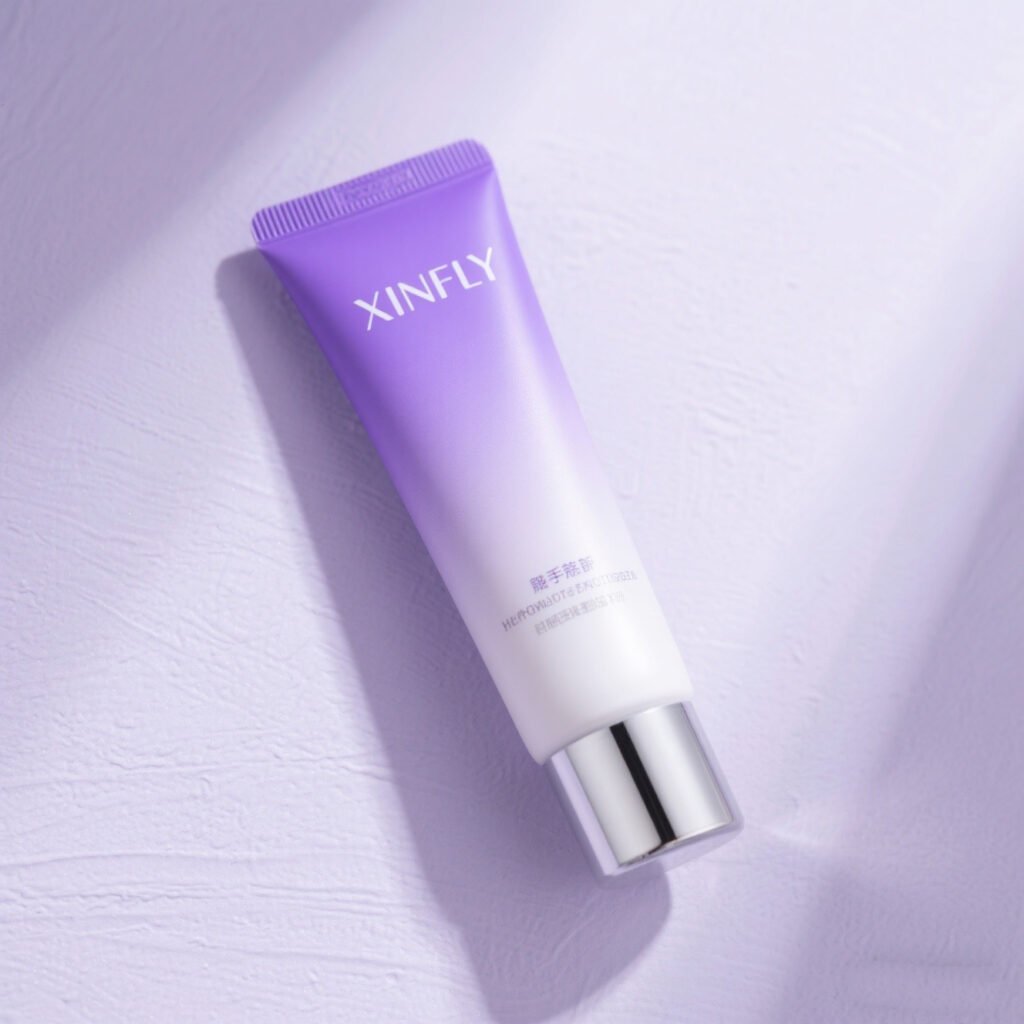
The beauty and personal care industry is booming like never before, and right at the heart of it lies a crucial element—packaging. Think about it: when you pick up your favorite moisturizer or foundation, the first thing you interact with is the packaging, not the product itself. That’s where a cosmetic tubes manufacturer steps in, ensuring brands can deliver not only a great formula but also a compelling first impression.
Today, cosmetic tubes dominate the packaging world because they’re lightweight, customizable, and practical. From luxury skincare to drugstore toothpaste, they’re everywhere. And with consumer expectations evolving, cosmetic tube manufacturers are rethinking materials, sustainability, and technology at a rapid pace.
Why Cosmetic Tubes Are the Backbone of Beauty Packaging
Functionality and Aesthetics Combined
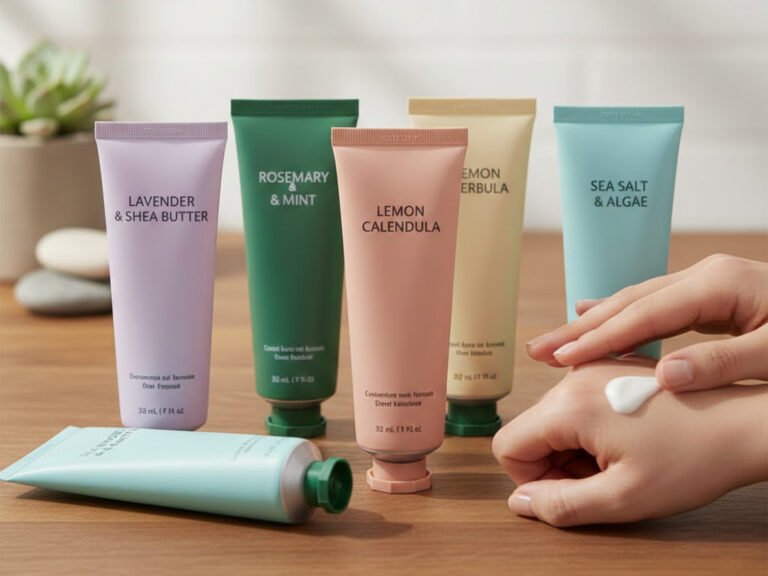
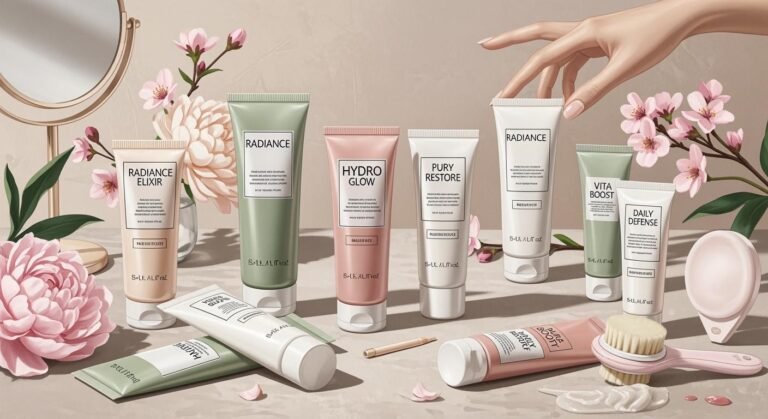
A cosmetic tube isn’t just a container—it’s the silent salesman. Imagine your favorite hand cream in a dull, generic tube versus one with sleek graphics and a smooth matte finish. The latter wins, right? Packaging influences purchasing decisions more than we realize, which is why cosmetics tube manufacturers focus on blending beauty with practicality.
Sustainability and Eco-Friendly Trends
Consumers now expect brands to care about the planet. This has led plastic cosmetic tube manufacturers to invest in recyclable materials, biodegradable plastics, and refillable tube systems. Companies that ignore sustainability risk falling behind, while those embracing it gain loyal customers.
The Role of a Cosmetic Tubes Manufacturer
From Concept to Final Packaging
A cosmetic tube manufacturer doesn’t just produce tubes—they help brands transform an idea into a shelf-ready product. This involves material selection (plastic, aluminum, laminate), shaping, printing, and testing durability. Top manufacturers also provide guidance on shelf appeal, ensuring tubes not only protect the formula but also catch consumer attention.
Innovations Driving the Industry
Smart closures, airless pumps, biodegradable materials, and even digital printing are shaking things up. For example, digital printing allows small-batch customization, perfect for niche beauty brands launching limited-edition collections.
Comparing Global Cosmetic Tube Manufacturers
Cosmetic Tube Manufacturers USA
The U.S. market is highly competitive, with an emphasis on premium packaging. Many cosmetic tube manufacturers USA focus on sustainable solutions and high-end finishes, catering to luxury skincare and makeup brands.
Cosmetic Tube Manufacturers in India
In India, the market is booming thanks to the rise of Ayurveda and herbal brands. Many cosmetic tube manufacturers in India offer cost-effective yet innovative packaging options, making them attractive to both domestic and global clients.
European & Asian Market Leaders
Europe leads in eco-regulations, pushing tube manufacturers to prioritize recyclability. Meanwhile, Asian countries, especially China and South Korea, are leading with innovative design trends and mass production capacity.
Spotlight on Cosmetic Plastic Tube Manufacturers
Plastic Cosmetic Tube Manufacturers vs. Aluminum Tube Manufacturers
Plastic tubes are lightweight, versatile, and cost-effective, making them a favorite among brands. However, aluminum tubes still hold ground in pharma and premium skincare because of their product protection qualities.
The Rise of Biodegradable Plastics
With plastic under fire, cosmetic plastic tube manufacturers are racing to integrate biodegradable and PCR (post-consumer recycled) materials. This transition isn’t just a trend—it’s the future of packaging.
Xinfly Packaging: A Trusted Cosmetic Tube Manufacturer
What Sets Xinfly Packaging Apart
When it comes to reliability, Xinfly Packaging shines as a leading cosmetic tubes manufacturer. Their edge lies in:
- High-quality materials (laminate, plastic, eco-friendly options).
- Customization capabilities (shape, size, decoration).
- Global distribution network with a focus on both small and large brands.
Case Studies of Brands Using Xinfly Packaging
Several mid-tier and luxury beauty brands have turned to Xinfly Packaging for eco-friendly packaging solutions, gaining both brand trust and consumer loyalty. For example, a skincare brand using refillable tubes saw sales rise 20% due to sustainability-driven customers.
Market Insights: Demand, Growth & Future Trends
Global Market Size and Forecasts
According to industry data, the cosmetic tube market is set to reach $4.5 billion by 2030, driven by demand for eco-packaging and premium beauty.
Consumer Preferences in Beauty Packaging
Trends show a shift toward minimalist, functional, and eco-conscious packaging, signaling that cosmetic tube manufacturers need to keep evolving to stay competitive.
Key Challenges Cosmetic Tube Manufacturers Face
Cost Pressures and Supply Chain Issues
The pandemic highlighted how vulnerable supply chains are. Manufacturers had to balance rising raw material costs with customer demands for affordability.
Balancing Innovation with Affordability
High-tech, eco-friendly packaging is attractive but often expensive. The challenge lies in making sustainable packaging scalable and affordable.
How to Choose the Right Cosmetic Tubes Manufacturer
Quality Standards and Certifications
Always look for manufacturers with ISO certifications and compliance with FDA/EU packaging standards.
Customization, MOQ, and Lead Times
Some cosmetic tube manufacturers cater to large corporations only, while others like Xinfly Packaging also support small to mid-sized businesses with low minimum order quantities.
Customer Support & Long-Term Partnership
A good manufacturer isn’t just a supplier—they’re a partner who helps your brand grow. After-sales support, design assistance, and flexibility matter as much as production capacity.
Future of Cosmetic Tubes Manufacturing
Smart Packaging & Digital Integration
Imagine scanning a QR code on your lotion tube to access authenticity checks or brand promotions. That’s the future.
The Shift Towards Refillable Tubes
Refill stations in stores are gaining traction. Cosmetic tube manufacturers that adapt to this trend will remain relevant.
Expanded Brand Comparisons: Global Cosmetic Tube Manufacturers
The world of cosmetic tube manufacturers isn’t dominated by a single player—it’s a vast, competitive market with leaders in the U.S., Europe, and Asia. Each region brings its strengths and challenges, and understanding these differences helps brands make informed decisions.
USA: Premium Packaging with Innovation at the Core
In the U.S., manufacturers focus heavily on luxury skincare, makeup, and personal care packaging. American brands demand high-end finishes like:
- Soft-touch coatings for luxury appeal.
- Airless pump tubes to preserve formulas.
- Digital and metallic printing for unique designs.
Leading cosmetic tube manufacturers USA serve giants like Estée Lauder, Clinique, and emerging indie brands. Their biggest strength is innovation-driven packaging, often integrating smart labels and sustainability into their products.
India: Affordability Meets Creativity
India is quickly becoming a powerhouse in the beauty packaging sector. Cosmetic tube manufacturers in India focus on affordability while maintaining quality. They excel at serving:
- Herbal and Ayurvedic brands.
- Mass-market cosmetics.
- Smaller startups that need flexible MOQ (Minimum Order Quantities).
Their pricing advantage is unmatched, making them a strong option for global brands looking to cut costs without sacrificing aesthetics.
Europe: Sustainability as the Gold Standard
European manufacturers, particularly in Germany, France, and Italy, are leaders in sustainable and eco-conscious packaging. The EU’s strict environmental laws push companies to adopt recyclable and biodegradable materials at scale.
European beauty giants like L’Oréal and Nivea often set the tone for global packaging trends, and their suppliers follow suit by pioneering refillable tubes, mono-material designs, and paper-based laminates.
Asia (China & South Korea): Speed, Scale, and Style
When it comes to mass production capacity and design innovation, Asia takes the crown. China has the infrastructure to manufacture millions of units quickly, while South Korea is celebrated for trendy, stylish packaging designs that reflect the fast-paced beauty industry.
Many global brands partner with cosmetic plastic tube manufacturers in Asia for cost efficiency, but also for cutting-edge designs inspired by K-beauty packaging.
Case Studies: Success Stories with Cosmetic Tube Manufacturers
To understand the real impact of choosing the right cosmetic tubes manufacturer, let’s look at a few case studies.
Case Study 1: Indie Skincare Brand Goes Green with Xinfly Packaging
An indie skincare startup in Europe wanted eco-friendly tubes without breaking their limited budget. Partnering with Xinfly Packaging, they launched a line of PCR plastic tubes with minimalist printing.
- Result: Within six months, sales grew by 35%, with customers highlighting packaging as a reason for purchase.
Case Study 2: U.S. Luxury Brand Adopts Airless Tubes
A high-end American skincare brand shifted to airless pump cosmetic tubes from a cosmetic tube manufacturer USA.
- Benefit: Their formulas lasted longer without preservatives, appealing to health-conscious buyers.
- Result: Positive reviews skyrocketed, and customer trust improved.
Case Study 3: Indian Ayurvedic Company Expands Globally
An Ayurvedic beauty brand in India scaled up by sourcing packaging from cosmetic tube manufacturers in India. Their cost-effective yet durable packaging allowed them to expand exports to the Middle East and Europe.
- Result: International sales now account for 40% of total revenue.
Case Study 4: Korean Cosmetics Brand Partners with Chinese Plastic Tube Manufacturer
A Korean brand famous for BB creams and sheet masks worked with a plastic cosmetic tube manufacturer in China to create trendy designs at scale.
- Benefit: Fast turnaround and low production cost.
- Result: They captured international markets with visually stunning, affordable products.
Market Insights: Growth Opportunities and Industry Shifts
The cosmetic packaging industry isn’t just growing—it’s transforming. According to research, the global cosmetic tube market is projected to grow at 5.7% CAGR from 2023 to 2030. Let’s break down why:
Sustainability as a Profit Driver
Eco-friendly packaging is no longer optional. Brands that adopt recyclable or refillable tubes see:
- Higher brand loyalty.
- Increased willingness among consumers to pay premium prices.
Digital Printing Boom
With digital printing, manufacturers can cater to small-batch orders. This helps indie brands compete with global giants without huge investments.
Regional Growth Trends
- Asia-Pacific: Fastest-growing market, thanks to beauty-conscious consumers in China, Japan, and Korea.
- North America: Growing demand for premium and luxury skincare packaging.
- Europe: Leading in regulation-driven sustainable packaging innovations.
How to Choose the Right Cosmetic Tubes Manufacturer (Deep Dive)
Choosing the right packaging partner can make or break a beauty brand. Here’s what to look for:
1. Quality Standards
Always confirm certifications like:
- ISO 9001 (Quality Management).
- ISO 14001 (Environmental Management).
- Compliance with FDA and EU cosmetic packaging guidelines.
2. Customization Options
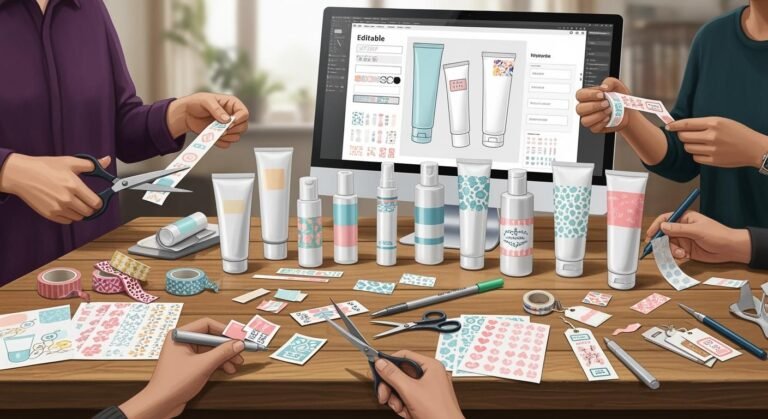
A great cosmetic tube manufacturer should provide flexibility in:
- Sizes, shapes, and diameters.
- Printing techniques (offset, silk-screen, hot stamping, digital).
- Caps and closures (flip-top, screw, airless).
3. Lead Times and MOQ
- Big players may require high MOQs, making them unsuitable for startups.
- Flexible manufacturers like Xinfly Packaging offer low MOQ orders, perfect for smaller brands.
4. Innovation Capacity
Ask: Does the manufacturer keep up with eco-trends, smart packaging, and refillable systems? If not, they may limit your brand’s growth potential.
5. Customer Support
Beyond production, look for:
- Design consulting services.
- After-sales assistance.
- Partnership mentality.
Future of Cosmetic Tube Manufacturing (Expanded)
The future is smart, sustainable, and refillable. Let’s explore:
Smart Packaging
- Tubes with QR codes for authenticity verification.
- Packaging with AR (Augmented Reality) experiences for consumer engagement.
Refillable Packaging Systems
Brands like L’Occitane are already experimenting with in-store refill stations. Cosmetic tubes designed for multiple refills could soon become standard.
Sustainable Materials
Expect more use of:
- Paper-based tubes.
- Sugarcane-derived bioplastics.
- Mono-material tubes for easy recycling.
Global Collaboration
We’ll see more cross-border partnerships between cosmetic tube manufacturers USA, India, and Asia, blending innovation, affordability, and sustainability.
Final Conclusion
The world of cosmetic tube manufacturers is vast, innovative, and evolving faster than ever. From luxury packaging in the U.S., to cost-effective solutions in India, and eco-trendsetting in Europe, brands have countless options to choose from.
But one truth remains: choosing the right cosmetic tubes manufacturer determines how consumers perceive your brand.
This is where Xinfly Packaging emerges as a global partner of choice. With its commitment to quality, customization, and sustainability, it stands out as a trusted supplier for both startups and established giants.
The future belongs to brands that embrace eco-conscious, innovative, and smart packaging—and the manufacturers that support them.
Top Cosmetic Tube Manufacturers – Frequently Asked Questions
How to evaluate suppliers, compare brands, choose materials/barriers, control color & QA, hit timelines and scale sustainably across PE/COEX/PBL/ABL platforms.
1) How do I compare cosmetic tube manufacturers objectively?
2) Which materials should top manufacturers offer?
3) What print/finish capabilities separate leaders from the pack?
4) Typical MOQs and how to assess flexibility?
5) How should I benchmark lead times?
6) What QA proofs must a top manufacturer provide?
7) What certifications matter for global brands?
8) How do I compare total cost of ownership (TCO), not just unit price?
9) What sustainability signals should I look for?
10) Which closures and applicators should be on the menu?
11) How to compare color accuracy across brands?
12) What are common risks and how do top vendors mitigate them?
13) How do I run an apples-to-apples brand comparison?
14) Red flags when selecting a “top manufacturer”?
15) Why shortlist Xinfly Packaging?
Ready to customize your packaging? Contact our team for detailed pricing, MOQ flexibility, and fast production samples.