
What Is the Difference Between ABL, PBL, and Co-Extruded Tubes?

You may ask what makes ABL, PBL, and co-extruded tubes different. Each tube uses special materials and has its own design, which contributes to the difference between ABL and other types. This changes how well it keeps your product safe. Aluminum barrier layer tubes (ABL) protect toothpaste and creams from light, air, and water. EVOH film tubes (PBL) stop oxygen and oil from getting in, making them suitable for cosmetics. Co-extruded tube packaging provides strong and bendy barriers for premium products. Picking the best tube helps you keep your product safe, save money, and care for the planet.
| Tube Type | Material Used | Barrier Properties | Suitable Products |
|---|---|---|---|
| ABL | Aluminum foil | Keeps out light, air, and water | Toothpaste, creams, gels |
| PBL | EVOH film | Stops oxygen and oil from passing through | Cosmetics, personal care |
| Co-Extruded | Various plastics | Strong and bendy barriers; smooth design | Premium products |
Key Takeaways
- ABL, PBL, and co-extruded tubes differ in materials and barrier properties, affecting product safety and shelf life.
- ABL tubes use aluminum layers for strong protection against light, moisture, and air; PBL tubes utilize EVOH film for oxygen barrier; co-extruded tubes combine materials for versatility.
- When choosing tubes, consider product sensitivity and packaging requirements; ABL is ideal for sensitive products, while PBL suits eco-conscious choices.
- Each tube type has its pros and cons; ABL offers exceptional protection, PBL provides easy recyclability, and co-extruded allows for creative designs.
- Trends in tube packaging include eco-friendly materials, consumer demand for sustainability, and innovative closures for better functionality.
Key Difference Between ABL, PBL, and Co-Extruded Tubes
Materials and Structure
You can tell ABL, PBL, and co-extruded tubes apart by their materials and how they are made. Each tube has its own mix of layers. This changes how the tube feels, protects your product, and looks on shelves.
- ABL tubes have an aluminum layer between plastic layers.
- PBL tubes use plastic layers with a special EVOH film.
- Co-extruded tubes have many plastic layers made together at once, often with EVOH.
Here is a table that shows how each tube type is built:
| Tube Type | Barrier Layer Material | Shape Retention | Construction Method |
|---|---|---|---|
| ABL | Aluminum foil | Does not return | Laminated layers |
| PBL | EVOH film | Returns to shape | Layered and welded |
| Co-Extruded | EVOH film | Returns to shape | Extruded layers |
Tip: If you want a tube to pop back after squeezing, pick PBL or co-extruded. If you want it to stay squeezed, choose ABL.
Barrier Properties
Barrier properties show how well a tube keeps air, water, and light out. These features help your product stay fresh and safe.
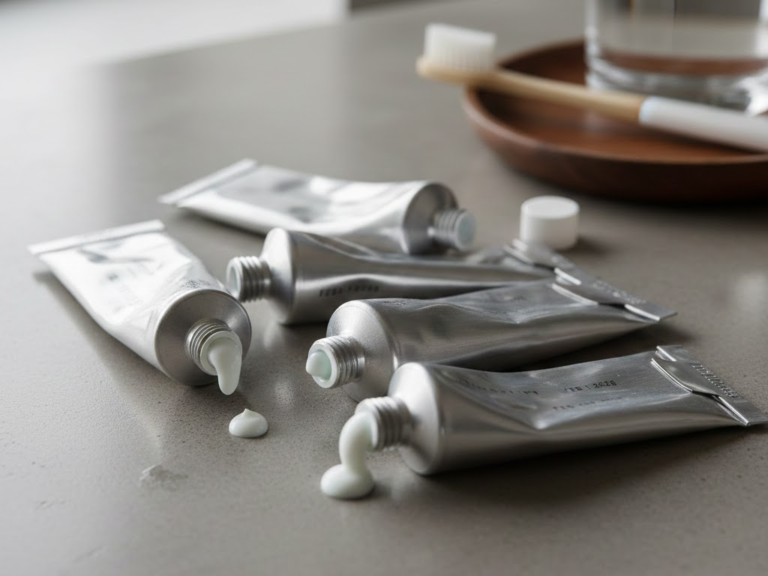
- ABL tubes block light, air, water, and smells. The aluminum layer gives strong protection. ABL tubes are best for things that spoil or react to air and light.
- PBL tubes use EVOH film to stop oxygen and gases. PBL tubes protect well, but not as much as ABL tubes. They are easier to recycle.
- Co-extruded tubes use many plastic layers, including EVOH, for a tough barrier. They protect well and are better for the environment.
Here is a table that compares how well each tube type protects:
| Tube Type | Barrier Properties (O2, Moisture, Light) |
|---|---|
| ABL | High resistance to oxygen, moisture, and light |
| PBL | Good protection, but less than ABL |
| Co-Extruded | Adequate protection, with focus on sustainability |
Pick the tube with the right protection for your product. For example, if your product needs to stay fresh longer, ABL tubes work best.
Typical Applications
Each tube type is used for different products. The choice depends on what the product needs and how much protection it should have.
| Tube Type | Industry | Common Applications |
|---|---|---|
| ABL | Pharmaceutical | Toothpaste, medicated creams, hair coloring |
| Cosmetic | Sensitive products, reactive ingredients | |
| PBL | Cosmetic | Organic skincare, lotions, natural cosmetics |
| Food | Condiments, flavored gels | |
| Co-Extruded | Cosmetic | Premium skincare, pharmaceutical gels, serums |
- ABL tubes are good for toothpaste, medicated creams, and things needing strong protection.
- PBL tubes are great for organic skincare, lotions, and foods that need a good barrier and care about recycling.
- Co-extruded tubes fit premium skincare and gels, where looks and protection matter.
Note: Makers think about product sensitivity, shelf life, and the environment before picking a tube. You should do this too when choosing packaging.
ABL Tubes Explained
Structure and Materials
ABL tubes are special because they have many layers. Each layer does something important. The outside layer is made of polyethylene (PE). It feels smooth and is good for printing. Inside, there are glue layers that hold the tube together. The aluminum foil layer is the most important part. It acts like a shield and keeps your product safe. Another glue layer connects the aluminum to the inside PE layer. The inner PE layer touches your product and keeps it steady.
Here is a table that shows how an ABL tube is built:
| Layer | Description |
|---|---|
| Outer PE Layer | This is the part you touch. It is smooth and easy to print on. |
| Adhesive Layer | This glue holds the outside plastic to the aluminum. |
| Aluminum Foil Layer | This thin layer blocks air, water, and light. |
| Adhesive Layer | This glue sticks the aluminum to the inside plastic. |
| Inner PE Layer | This layer touches your product and keeps it safe. |
Aluminum Barrier Layer
The aluminum layer gives ABL tubes strong protection. It blocks oxygen, water, and light very well. This keeps creams, gels, and ointments fresh. If your product has sensitive ingredients, the aluminum helps keep them strong. It also makes the product last longer. You can trust ABL tubes to keep your product safe.
Customization Options
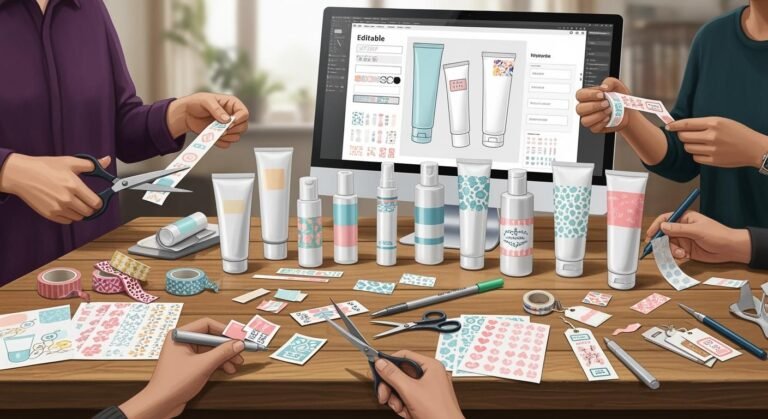
You can change ABL tubes in many ways. Pick shapes and sizes that fit your brand. The outside PE layer lets you print bright colors and logos. You can choose caps and ways to open the tube. These choices help your product look good and make it easy to use.
Barrier Properties of ABL
ABL tubes protect your product very well. The aluminum foil blocks air, water, and light. This keeps your product from going bad. Products in these tubes last longer and work better. ABL tubes are best for things that need extra care.
Tip: If your product reacts to air or light, use an ABL tube for the best safety.
Advantages of ABL Tubes
You get many good things when you use ABL tubes. Here is a table that shows the main benefits:
| Advantage | Description |
|---|---|
| Barrier Properties | Keeps out air, water, and light. This helps your product stay good longer. |
| Design Flexibility | You can pick the shape, size, and printing. This helps your brand stand out. |
| Lightweight Nature | These tubes are light. They cost less to ship and are better for the planet. |
| User-Friendly Features | Easy to open and use. This makes customers happy. |
ABL tubes give strong protection, many design choices, and are easy to use. You can count on them for products in cosmetics and medicine.
Disadvantages of ABL Tubes
ABL tubes give strong protection for your product. But there are some problems you should know. These tubes have many layers. This makes recycling harder. The mix of plastic and aluminum is tough to recycle. You cannot recycle them as easily as tubes made from one material. If you care about the planet, this matters.
Here is a table that shows the main disadvantages of ABL tubes:
| Disadvantage | Description |
|---|---|
| Recycling Difficulty | Multi-layer structure makes recycling more complex than single-material tubes |
| Cost Variation | Cost can change based on market and application |
You might think ABL tubes always save money. They often cost less than tubes made only from aluminum. But sometimes, the price changes. It depends on what you need and the market. You should check the price before you choose.
Other problems include:
- You cannot recycle ABL tubes as easily as plastic-only tubes.
- Some recycling centers do not take tubes with both aluminum and plastic.
- The tube does not pop back after you squeeze it. This can make the tube look old or used.
- If you want a tube that pops back, try another type.
Note: If you want easy-to-recycle packaging, you may want a different tube.
Best Uses for ABL
ABL tubes are best for products that need strong protection. Use them if your product reacts to air, water, or light. Many brands use ABL tubes for fancy items. These tubes keep products safe and fresh.
Here are some products that work best with ABL tubes:
- High-end skincare that needs to stay safe from air, water, or light.
- Luxury cosmetics and skincare brands that want special packaging.
- Medical creams and ointments that need a strong barrier.
You see ABL tubes in toothpaste, medicated creams, and hair dye. These products have ingredients that spoil or change with air or light. ABL tubes keep them safe and help them last longer.
If you sell a product that must stay fresh, ABL tubes help you worry less. You can pick different shapes and sizes for your brand. The smooth outside lets you print bright colors and designs. This helps your product stand out on the shelf.
Tip: Use ABL tubes for products that need extra care. This helps your customers get the best every time they use your product.
PBL Tubes Overview
Structure and Materials
Plastic Layers and EVOH Barrier
A PBL tube has many plastic layers. The main material is polyethylene, called PE. PE makes the outside and inside of the tube. In the middle, there is an EVOH barrier. This special layer keeps oxygen out. It helps your product stay fresh longer. The EVOH barrier stops oxidation. This means your product does not spoil fast.
Here is a simple table that shows how a PBL tube is built:
| Layer | Function |
|---|---|
| PE layers | Make the tube strong and flexible |
| EVOH barrier | Keeps the product fresh |
Some tubes use two PE layers with EVOH in the middle. This design makes the tube soft. It pops back after you squeeze it. You can print bright colors and patterns on the tube. This makes your product look nice.
Recyclability
If you care about the planet, PBL tubes are a good choice. These tubes do not have aluminum. Recycling centers can recycle them more easily. You help reduce waste by picking plastic tubes. Some brands use recycled PE in their tubes. This helps the earth and lowers pollution.
Tip: When you pick a tube, think about recycling. PBL tubes are easy to recycle and protect your product.
Barrier Properties of PBL
PBL tubes block oxygen very well. The EVOH layer keeps creams and gels safe. It stops spoilage. Aluminum tubes block light and water better. But the EVOH barrier works for most cosmetics and lotions.
Here is a table that compares the EVOH barrier with aluminum:
| Barrier Type | Key Properties | Applications |
|---|---|---|
| EVOH | Blocks oxygen, keeps products fresh, stops oxidation | Vitamin creams, anti-aging skincare, special formulas |
| Aluminum | Blocks light, oxygen, and water, keeps products safe longer | Sensitive products |
The EVOH barrier keeps your product safe. It helps your creams and lotions work well. For most skincare, this protection is enough.
Advantages of PBL Tubes
PBL tubes have many good points. You can print bright colors and cool designs on them. This helps your product stand out. The tube feels soft and bends easily. It is simple for customers to use. You can pick the shape and size you want.
Here are some key advantages:
- The tube is easy to recycle.
- It blocks oxygen well.
- You can print bright designs.
- The tube pops back after squeezing.
PBL tubes are great for lotions, gels, and cosmetics. They keep your product fresh and looking good.
Disadvantages of PBL Tubes
PBL tubes have some good points, but there are also problems. These tubes do not work for every product or use. Here are some things to think about:
- PBL tubes do not block UV light as well as ABL tubes. If your product reacts to sunlight, you may need better protection.
- PBL tubes can cost more at first than ABL tubes. You might save money later because they are easier to recycle.
- Not all recycling centers take every kind of plastic tube. Check your local recycling rules before you choose.
- PBL tubes stop oxygen, but not as well as aluminum. If your product needs the best barrier, you may want a different tube.
- The tube feels soft and bends easily, but it may not be strong enough for some uses.
Note: If your product is sensitive to light or needs the best barrier, think hard before picking PBL tubes.
Best Uses for PBL
PBL tubes are good for many products. They work well for things that need to block oxygen and are easy to recycle. These tubes are fine for products that do not need the best light protection. You will find PBL tubes in cosmetics, food, and home items. The table below shows some common ways to use PBL tubes. Each product type has a link so you can learn more.
| Product Type | Example Link |
|---|---|
| Lip Balm Tube | Lip Balm Tube |
| Skincare Packaging Tube | Skincare Packaging Tube |
| Pharmaceutical Packaging Tube | Pharmaceutical Packaging Tube |
| Food Packaging Tube | Food Packaging Tube |
| Household Packaging Tube | Household Packaging Tube |
| Eco Friendly Cosmetic Packaging | Eco Friendly Cosmetic Packaging |
You can use PBL tubes for lip balm, lotion, and cream. They also work for food pastes and gels. Many brands pick PBL tubes for eco-friendly cosmetic packaging. If you want a tube that looks nice, feels soft, and is better for the earth, PBL tubes are a good choice.
Tip: When you pick packaging, think about what your product needs and how people use it. PBL tubes give a mix of protection, style, and care for the planet for many daily products.
Co-Extruded Tubes in Packaging

Structure and Materials
Multi-Layer Construction
Co-extruded tubes have many layers. Each layer does something important. In a five-layer tube, the inside is HDPE. This makes the tube smooth. It helps your product come out easily. The middle layer is LLDPE. It helps the layers stick together. The outside layer is LDPE or PEBA. This layer lets you add your brand and designs.
Some co-extruded tubes use different plastics. These can be silicone, polypropylene, nylon, or polyurethane. Each plastic gives the tube special features. Some tubes have an aluminum sheet. This protects against oxygen, UV rays, and water vapor. It helps keep your product fresh and safe.
- Inner layer: HDPE makes the surface smooth.
- Middle layer: LLDPE sticks the layers together.
- Outer layer: LDPE or PEBA for branding.
- Optional: Aluminum sheet for extra safety.
Versatility in Design
Co-extruded tubes give you many design choices. You can mix plastics in one tube. This helps you pick the right look and feel. You can use fancy materials only where you need them. This saves money and keeps the tube strong. You can also pick the color, finish, and shape you want.
Tip: Co-extruded tubes help your package stand out and fit your product.
Barrier Properties of Co-Extruded Tubes
Co-extruded tubes keep out oxygen, water, and light. The layers work together to protect your product. If you add aluminum, you get even better safety. This helps your product last longer. It stays safe from things outside the tube. These tubes are good for products that need to stay fresh.
You can use co-extruded tubes for many things. They work for cosmetics, medicine, and food. The layers make the tube strong and bendy. Your product stays safe, and the tube looks nice.
Advantages of Co-Extruded Tubes
Co-extruded tubes have many good points:
- You can mix plastics for the best look and use.
- You use pricey materials only where needed, so you save money.
- The tube can be smooth and shiny to attract buyers.
- The layers give strong protection.
- Some co-extruded tubes can be recycled, which helps the earth.
Co-extruded tubes give you protection, design choices, and save money. You can use them for many products and trust they will keep your product safe.
Disadvantages of Co-Extruded Tubes
Co-extruded tubes have many good things. But there are some problems you should know. These tubes have layers made from different plastics. Sometimes, makers add special stuff to make the tube look or feel better. Mixing these materials can make recycling tough. If the layers do not match, recycling centers might not take them. You may have trouble recycling co-extruded tubes where you live.
You also need to think about how each layer works. Designers try to make tubes clear or shiny. This can make the tube weaker. If one layer is too thin or soft, the tube may not block air, water, or light well. You need to test the tube to make sure it works for your product.
Here is a table that shows the main problems with co-extruded tubes:
| Disadvantage | Description |
|---|---|
| Recycling Complexity | Mixing plastics can make recycling hard if layers do not match. |
| Layer Property Trade-offs | Making one layer clear can make another layer weaker, so you need to test the tube. |
Note: Always check with your local recycling center to see if they take co-extruded tubes. Ask your supplier what materials are in each layer. This helps you pick the best tube for your product and the planet.
Some co-extruded tubes cost more than tubes with one layer. You pay extra for special looks or better protection. If you want a fancy tube, you may spend more. Sometimes, the extra cost is worth it. Other times, you can pick a simple tube and save money.
Co-extruded tubes may not be right for every product. If your product needs the strongest barrier, compare co-extruded tubes with ABL or PBL tubes. You want your product to stay safe and fresh.
Best Uses for Co-Extruded Tubes
Co-extruded tubes work well for lots of products. You see them in stores all the time. These tubes protect your product and help it look nice on shelves. You can use co-extruded tubes for things that need a strong barrier and a smooth finish.
Here are some common products that use co-extruded tubes:
- Cosmetic products
- Pharmaceutical products
- Food products
Cosmetic brands use co-extruded tubes for creams, lotions, and serums. The tubes keep the product safe and are easy to use. You can print bright colors and cool designs on the tube. This helps your brand stand out.
Pharmaceutical companies use co-extruded tubes for gels and ointments. The tubes protect sensitive ingredients from air and light. People find the tubes easy to squeeze and carry.
Food makers use co-extruded tubes for sauces, pastes, and spreads. The tubes keep food fresh and stop leaks. You can open and close the tube many times without a mess.
Tip: If you want packaging that looks good and keeps your product safe, co-extruded tubes are a smart pick. You can change the tube to fit your brand and product.
Think about your product’s needs, how long it lasts, and how people use it. Co-extruded tubes give you choices and strong protection. They work for many industries and help your product do well.
Comparison Table: ABL vs PBL vs Co-Extruded Tubes
Materials and Structure Comparison
Each tube type uses special materials and is built in its own way. This changes how the tube feels, looks, and keeps your product safe.
Here is a table that compares the tubes:
| Tube Type | Composition | Barrier Properties | Applications |
|---|---|---|---|
| Aluminum Barrier Laminate (ABL) | Aluminum layer sandwiched between protective layers and lining film | Protects against light, moisture, and contaminants | Toothpaste, cosmetics, creams, ointments, controlled dispensing products |
| Plastic Barrier Laminate (PBL) | Double layer of polyethylene lined with EVOH film | Excellent barrier against air and oil | Cosmetics, shampoos, foods, creams, health products |
| Co-Extruded Plastic (CoEx) | Similar structure to PBL, made using a different process | EVOH protection, attractive retail presentation | Beauty creams, pharmaceuticals, foods, cosmetics |
ABL tubes use an aluminum layer for strong safety. PBL tubes use EVOH film to block air and oil. Co-extruded tubes mix layers together with a special process. This makes the tube smooth and bendy. Some co-extruded tubes have five layers for extra strength. These tubes work well for fancy products.
Tip: Pick the tube that fits your product best. Co-extruded tubes give you more ways to make your tube look cool.
Barrier Properties Comparison
Barrier properties show how well a tube keeps out air, water, and light. This helps your product stay fresh and safe.
- ABL tubes block light, water, and germs. The aluminum layer gives strong safety.
- PBL tubes use EVOH film to stop air and oil. These tubes are good for most creams and foods.
- Co-extruded tubes also use EVOH. The special process makes the tube look smooth and nice. You get good safety and a cool look.
If you need the best safety, pick ABL tubes. If you want to block air and oil, PBL tubes work well. Co-extruded tubes give you both safety and style.
Note: Always match the tube’s safety to your product’s needs. This helps your product stay fresh and safe.
Cost and Sustainability
You want to know how much each tube costs and how it helps the earth. Here is a table that shows cost and sustainability:
| Tube Type | Cost Comparison | Sustainability Profile |
|---|---|---|
| ABL | Lower cost | Less material used, resulting in better economy. |
| PBL | Higher cost | Made from recyclable materials, reducing environmental pollution, and offers color diversity. |
| Co-Extruded | N/A | No specific data available for comparison. |
ABL tubes cost less because they use fewer materials. PBL tubes cost more, but you can recycle them easily. These tubes help the earth and come in many colors. Co-extruded tubes do not have clear cost info. They focus on looking good and being flexible.
If you care about the earth, PBL tubes are a smart choice. You help the planet and get a tube that looks nice. ABL tubes save money and use less stuff, but recycling is harder. Co-extruded tubes may be recycled, but ask your supplier first.
Tip: Think about cost and the earth when you pick your tube. This helps you keep your product safe and care for the planet.
Application Suitability
When you pick a tube, match it to your product. Each tube type works best for certain uses. ABL, PBL, and co-extruded tubes help different industries. You can use these tubes for cosmetics, medicine, or food.
Here is a table that shows which tube fits each use:
| Application | ABL Tubes | PBL Tubes | Co-Extruded Tubes |
|---|---|---|---|
| Pharmaceuticals | Strong barrier, protects sensitive creams and ointments | Good for gels, easy to squeeze, moderate protection | Flexible, suitable for gels and ointments, customizable layers |
| Cosmetics | Shields light-sensitive formulas, luxury creams | Versatile, attractive designs, easy to recycle | Premium look, smooth finish, fits high-end skincare |
| Food Packaging | Airtight, keeps condiments fresh | Good for sauces and gels, blocks oxygen | Flexible, prevents leaks, suitable for spreads and pastes |
ABL tubes are common in medicine. They use an aluminum layer to block air and light. This keeps creams and ointments safe. If you need strong safety for sensitive stuff, pick ABL tubes. These tubes help medicine last longer and stay stable.
For cosmetics, you want packaging that looks nice and works well. PBL tubes let you print bright colors. They are easy to recycle. These tubes have many plastic layers and an EVOH barrier. This keeps lotions and gels fresh. Cosmetic tubes come in many shapes and sizes. You can pick what matches your brand. Co-extruded tubes are also good for cosmetics. They look fancy and feel smooth. You can change them for high-end skincare.
Food needs tubes that keep things fresh and safe. ABL tubes seal tight for sauces and spreads. PBL tubes block oxygen and work for gels and sauces. Co-extruded tubes use bendy layers to stop leaks. They keep food safe. Many kitchens use plastic squeeze tubes for sauces and pastes. These tubes make it easy to use food.
You can use composite tubes for medicine and food. These tubes mix materials to keep things fresh and safe. Flexible tubes are good for creams and gels. They let you squeeze out just what you need.
Here is a list to help you pick the right tube:
- Cosmetic Packaging: Pick PBL or co-extruded tubes for style and ease.
- Pharmaceutical Products: Use ABL tubes for strong safety or composite tubes for freshness.
- Food Packaging: Choose ABL or PBL tubes for airtight safety; co-extruded tubes for bendy, leak-proof use.
Tip: Think about how sensitive your product is, how long it should last, and how people use it. The right tube keeps your product fresh, looking good, and easy to use.
When you match the tube to your product, you make a smart choice. This helps protect your product and makes customers happy.
Choosing the Right Tube
Product Sensitivity
When you pick a tube, think about how easy your product spoils. Some things go bad fast if they touch air, water, or light. You want your creams and gels to stay fresh. If you make makeup or medicine, you must keep out oxygen and water.
Here is a table to help you match your product’s needs with the right tube:
| Tube Type | Material | Features | Common Uses |
|---|---|---|---|
| ABL | Aluminum Barrier Laminate | Strong protection against oxygen and moisture, maintains product stability | Whitening creams, toothpaste, long-lasting skincare |
| PBL | Plastic Barrier Laminate | Enhanced protection, laminated for stability and premium appearance | Whitening creams, toothpaste, long-lasting skincare |
| Co-Extruded (COEX) | PE with EVOH barrier layer | Exceptional gas barrier properties, flexible squeeze experience | Sunscreens, anti-aging formulas, high-performance skincare |
If your product changes with oxygen, use ABL tubes. For most skin care, PBL tubes are a good pick. Co-extruded tubes are bendy and protect strong skin care.
Tip: Always test your product in the tube before selling. This helps stop spoilage and keeps customers happy.
Cost Considerations
You want to spend less and not waste money. When you pick tubes, look at more than just the price. Think about all the costs that come with your choice.
Here are some important cost factors:
| Cost Factor | Description |
|---|---|
| Total Cost of Ownership | Considers all potential expenses and risks beyond just the per-unit price. |
| Product Loss | Spoilage due to material incompatibility can lead to significant losses. |
| Testing Costs | More complex materials may require extensive and costly testing for compatibility and stability. |
| Shipping Costs | Heavier materials increase shipping weights, raising logistics costs. |
| Lost Opportunity Cost | Long lead times can result in missed sales opportunities, especially during key retail seasons. |
- Pick ABL tubes for products that react to air.
- PBL tubes are good for most skin and body care.
- Co-extruded tubes are best for fancy looks and smooth design.
- If you want green packaging, choose recyclable tubes.
- Always check all costs, like printing, shipping, and storage.
- Make sure your tubes are safe for food, makeup, or medicine.
Note: A smart choice saves money and keeps your product safe.
Sustainability and Recycling
You want your tubes to be good for the earth. Many brands now care about eco-friendly packaging. If you want to recycle, check what your tube is made of. PBL tubes use plastic and are easier to recycle. Co-extruded tubes can be recycled if the layers match. ABL tubes mix aluminum and plastic, so recycling is harder.
- Pick PBL tubes for easy recycling.
- Ask your supplier if co-extruded tubes can be recycled.
- If you use ABL tubes, check if your recycling center takes them.
- Using recycled materials in tubes helps cut down on waste.
Tip: The right tube helps your brand care for the planet and makes customers happy.
Branding and Aesthetics
When you choose a tube for your product, you also decide how your brand will look and feel. The right tube can help your product stand out on the shelf. You want customers to notice your product and remember it. Each tube type gives you different options for design and appearance.
ABL tubes let you print bright colors and sharp images. You can use metallic effects to make your product look special. Many brands use ABL tubes for toothpaste and creams because the shiny finish looks clean and modern. If you want a tube that feels strong and looks high-end, ABL tubes work well.
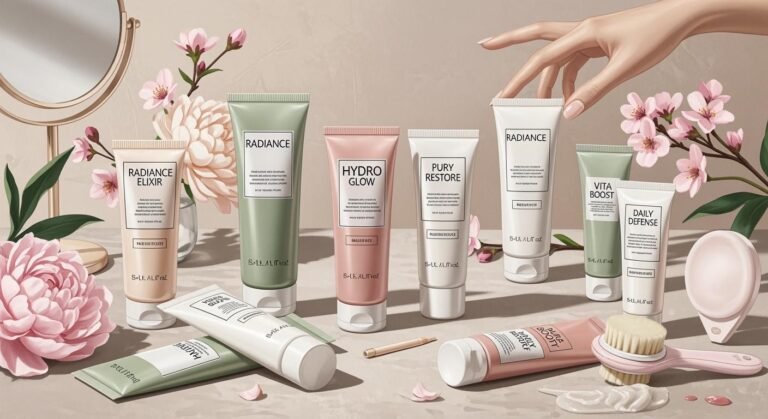
PBL tubes give you a smooth surface for printing. You can use many colors and patterns. These tubes feel soft and flexible in your hand. Many cosmetic brands pick PBL tubes because they look fresh and stylish. You can also use see-through windows to show the product inside. This helps customers trust what they buy.
Co-extruded tubes offer the most choices for shape and finish. You can pick glossy or matte looks. You can also choose special shapes that fit your brand. Some co-extruded tubes have soft-touch finishes or unique textures. These features make your product feel different from others. If you sell personal care products, you can use these tubes to create a fun or premium look.
Tip: Think about your target customer. Young people may like bold colors and fun shapes. Adults may prefer simple designs and soft finishes.
Here is a table to help you compare the design options:
| Tube Type | Print Quality | Special Effects | Shape Options | Best For |
|---|---|---|---|---|
| ABL | High | Metallic, glossy | Standard | Toothpaste, pharmaceutical creams |
| PBL | High | Soft touch, windows | Standard, some | Cosmetic, lotions |
| Co-Extruded | Very High | Matte, textures | Many shapes | Personal care products, premium brands |
You should match your tube design to your brand message. If you want to show that your product is safe and trusted, use clean lines and simple colors. If you want to look modern or fun, try bold prints and new shapes. The right tube helps your product get noticed and remembered.
Note: Good branding and design can turn a simple tube into a powerful marketing tool.
Trends in Tube Packaging
Material Innovations
Today, tube packaging uses many new materials. Companies pick advanced plastics, bio-based resins, and paper. These make tubes stronger and lighter. Some tubes have layers that block air and water better. This helps your product last longer on shelves. You get more choices for how tubes look and feel. Some brands use clear or frosted finishes to stand out. Others add soft-touch coatings for a fancy feel. Some tubes use less plastic but still protect well.
Tip: When picking a tube, look for new materials. Make sure they fit your product and brand style.
Eco-Friendly Solutions
Many brands care about the planet, just like you. Tube packaging now has more green options than before. Companies use biodegradable and recyclable materials to cut waste. Some brands use paper tubes, especially for cosmetics. Paper tubes break down faster and use fewer resources. New tube closures make recycling easier. These closures use less plastic and help you separate parts.
Here are some ways tube packaging helps the environment:
- Biodegradable and recyclable materials show brands care about waste.
- New closures and recycling steps make it easier to recycle tubes at home.
- Paper tubes are popular in cosmetics because they use renewable stuff and break down naturally.
You help the earth when you pick eco-friendly tubes. Brands see this and offer more green choices every year.
Consumer Preferences
Your choices change tube packaging trends. You want packaging that keeps your product safe, looks cool, and is easy to use. Many people now want tubes that are good for the earth. You also like tubes that open and close easily, so you do not waste product.
Brands answer your needs in these ways:
| Trend | How Brands Respond |
|---|---|
| Sustainability | Use recyclable, biodegradable, and paper tubes |
| Functionality | Better closures and easy designs |
| Visual Appeal | Custom colors, finishes, and shapes |
You see more brands using bright colors and cool shapes to get your attention. They also make tubes easy to squeeze and recycle. Your demand for better packaging makes companies improve their tubes.
Note: When you pick smart, eco-friendly tubes, you help start new packaging trends.
You now understand the difference between abl, PBL, and co-extruded tubes. If you need strong protection, choose an abl tube. For easy recycling, pick a PBL tube. Co-extruded tubes work well for cosmetic products that need a smooth look. Always match the tube to your product’s needs. Watch for new trends in tube packaging. If you want more details, read guides about tube materials and applications.
- 📚 Want to learn more? Explore packaging blogs and supplier resources.
Frequently Asked Questions
Explore how ABL (Aluminum Barrier Laminate), PBL (Plastic Barrier Laminate) and Co-Extruded tubes differ in construction, barrier, sustainability, cost and application.
Q1What are ABL, PBL and Co-Extruded tubes?
PBL (Plastic Barrier Laminate) tubes use all-plastic layers (often PE + EVOH + PE) for barrier performance with improved recyclability messaging.
Co-Extruded (COEX) tubes are created by extruding multiple plastic layers simultaneously, offering seamless structure and strong customization opportunities.
Q2How do their barrier protections compare?
PBL provides strong barrier (EVOH film) but less light shielding compared to ABL.
Co-Extruded tubes provide good barrier performance via plastic layers and EVOH, albeit slightly below ABL for extreme cases, but with seamless design and aesthetic advantages. [oai_citation:0‡星际包装](https://astralpak.com/guide-to-types-of-product-packaging-tubes/?utm_source=chatgpt.com)
Q3Which is best for recyclability and sustainability?
Q4What about cost, aesthetics and printing?
Q5Which product types fit each tube type?
Use PBL for daily lotions, shampoos, cosmetics where barrier needs are moderate.
Use co-extruded when premium appearance, seamless design or high brand visibility are priorities. [oai_citation:3‡E2 Global](https://e2global.com/blog/abl-vs-pbl-vs-co-extruded-tubes-whats-right-for-you/?utm_source=chatgpt.com)
Q6Are there any drawbacks?
PBL: excellent for many applications but may offer slightly lower barrier for ultra-sensitive formulas.
Co-Extruded: potentially higher tooling cost or specialized process; barrier may still lag ABL in extreme conditions. [oai_citation:4‡lissonpackaging.com](https://www.lissonpackaging.com/abl-and-pbl-cosmetic-tubes-understanding-the-differences-and-choosing-the-best-option-for-your-packaging-needs.html?utm_source=chatgpt.com)
Q7How should I select between them?
• Formulation sensitivity (light, oxygen, moisture)
• Shelf-life and logistic conditions
• Brand positioning & print/finish requirements
• Sustainability/recycling goals
• Budget and production volume
Match these criteria and consult with your packaging partner. [oai_citation:5‡Perfektüp Packaging](https://www.perfektup.com/abl-vs-pbl-laminate-tubes-whats-the-best-packaging-choice-for-your-product/?utm_source=chatgpt.com)
Need help choosing the right tube type?
Send us your formula, target shelf-life, branding goals and sustainability criteria—we’ll advise whether ABL, PBL or co-extruded tube is optimal and provide sample options.