
What is the Most Eco-Friendly Packaging for Cosmetics? | Xinfly Packaging

As the demand for eco-friendly products continues to grow, sustainable packaging has become a focal point for the cosmetic industry. Consumers are increasingly seeking brands that prioritize the environment, making it essential for cosmetic companies to adopt greener packaging solutions. But what is the most eco-friendly packaging for cosmetics? In this article, we’ll explore the various sustainable packaging options and explain how Xinfly Packaging is revolutionizing the industry with environmentally conscious solutions.
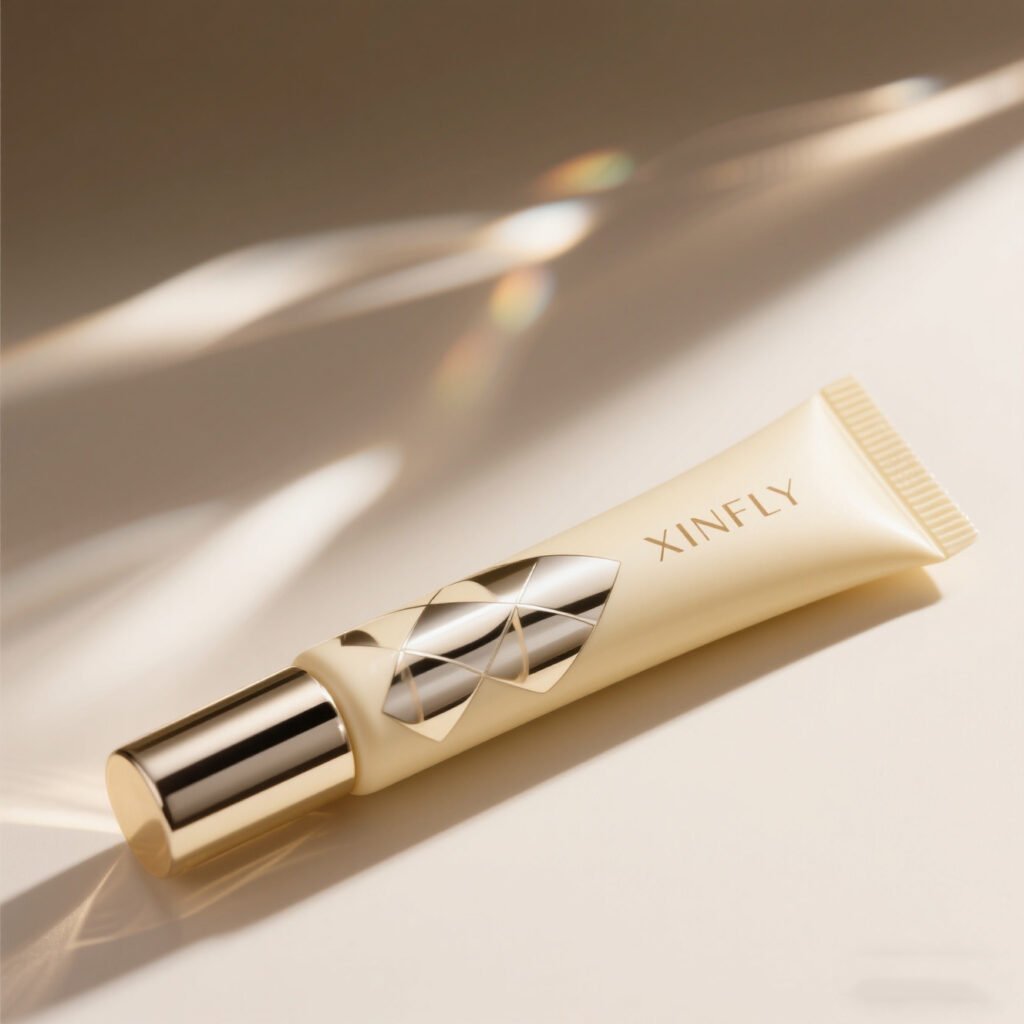
Why Eco-Friendly Packaging Matters for Cosmetics
The cosmetics industry, like many others, has a significant impact on the environment. Traditional cosmetic packaging often involves excessive plastic, non-biodegradable materials, and single-use containers that contribute to pollution and landfill waste. In fact, research shows that plastic packaging accounts for over 50% of the global plastic waste.
Eco-friendly packaging helps brands reduce their environmental footprint by minimizing waste, using renewable resources, and supporting recycling efforts. It’s not just about reducing plastic; it’s about adopting packaging materials that can be reused, recycled, or composted, contributing to a circular economy.
Most Eco-Friendly Packaging Options for Cosmetics
1. Biodegradable Packaging
Biodegradable packaging is one of the top contenders when it comes to eco-friendly cosmetic packaging. This type of packaging breaks down naturally, reducing the long-term environmental impact. Materials like plant-based plastics, cornstarch, and paperboard fall into this category. These materials decompose over time and are much less harmful to the environment compared to traditional plastic.
Benefits:
- Breaks down naturally without causing harm to wildlife or ecosystems.
- Reduces landfill waste.
- Can be made from renewable resources like corn or sugarcane.
Example: Xinfly Packaging offers a variety of biodegradable solutions, including cosmetic containers made from plant-based materials, which are perfect for brands that want to reduce their carbon footprint.
2. Glass Packaging
Glass has long been regarded as one of the most sustainable packaging materials. It is 100% recyclable, can be reused multiple times, and does not leach chemicals into products. When used for cosmetics, glass jars and bottles are not only luxurious but also durable and eco-friendly.
Benefits:
- Recyclable and reusable.
- Doesn’t degrade over time, unlike plastic.
- Provides a premium look and feel for high-end cosmetics.
Example: Xinfly Packaging’s custom glass bottles and jars are popular for skincare brands looking for sustainable yet elegant packaging solutions.
3. Recycled Paperboard and Cardboard
For cosmetic brands that prioritize eco-friendliness, recycled paperboard and cardboard are excellent choices. These materials are biodegradable, recyclable, and can be repurposed multiple times. They are typically used for outer packaging such as boxes, cartons, and labels.
Benefits:
- Made from post-consumer recycled materials.
- Easily recyclable.
- Lightweight, which helps reduce transportation emissions.
Example: Xinfly Packaging’s eco-friendly cardboard boxes are designed with sustainability in mind, offering a sturdy and compostable packaging solution.
4. Metal Packaging (Aluminum, Tin, Steel)
Metal packaging, particularly aluminum, is another great option for eco-conscious cosmetic brands. Aluminum is infinitely recyclable, meaning it can be recycled over and over without losing quality. It is often used for packaging products like deodorants, lip balms, and sprays.
Benefits:
- 100% recyclable.
- Lightweight and durable.
- Helps preserve product integrity due to its airtight properties.
Example: Xinfly Packaging’s aluminum tins and bottles are ideal for cosmetic brands that want to make a strong sustainability statement while offering a sleek, modern look.
5. Plant-Based Plastics (Bioplastics)
While plastic is often associated with environmental harm, plant-based plastics (also known as bioplastics) are an alternative that can reduce the reliance on petroleum-based plastics. Made from renewable plant resources like corn, sugarcane, or algae, bioplastics can be composted and are much more eco-friendly than traditional plastic.
Benefits:
- Made from renewable resources.
- Can be compostable or recyclable.
- Reduces reliance on fossil fuels.
Example: Xinfly Packaging offers bioplastic bottles and tubes that are perfect for companies seeking to reduce their environmental impact without sacrificing functionality.
How Xinfly Packaging Is Leading the Way in Sustainable Cosmetic Packaging
At Xinfly Packaging, sustainability is at the core of everything we do. We understand that eco-friendly packaging is not just a trend, but a crucial step towards creating a more sustainable future. Our commitment to the environment drives us to offer a wide range of sustainable packaging solutions tailored to meet the needs of the cosmetic industry.
Key Features of Xinfly Packaging’s Sustainable Solutions:
- Custom Designs: We offer bespoke packaging that meets both aesthetic and environmental standards, ensuring your brand stands out while being kind to the planet.
- High-Quality Materials: Our packaging options, including biodegradable plastics, glass, and recycled materials, are carefully sourced to ensure the highest quality and sustainability.
- Eco-Friendly Printing: We use environmentally responsible printing methods that minimize waste and use non-toxic inks, contributing to a cleaner planet.
Whether you’re a skincare brand, a makeup line, or a hair care company, Xinfly Packaging provides the eco-friendly solutions you need to align your brand with consumer demands for sustainability.
Frequently Asked Questions (FAQs) About Eco-Friendly Packaging for Cosmetics
1. What is eco-friendly packaging for cosmetics?
Eco-friendly packaging for cosmetics refers to materials and packaging designs that minimize environmental impact. These materials are recyclable, biodegradable, compostable, or reusable, helping to reduce waste and pollution. Common examples include plant-based plastics, glass, metal, and recycled paperboard.
2. Why is eco-friendly packaging important for cosmetics?
Eco-friendly packaging is essential because the cosmetics industry generates a significant amount of waste, particularly plastic waste. Switching to sustainable packaging reduces environmental pollution, supports a circular economy, and appeals to eco-conscious consumers who prefer brands that prioritize sustainability.
3. What are the most sustainable packaging materials for cosmetics?
The most sustainable packaging materials include:
- Biodegradable plastics: Made from renewable resources like cornstarch or sugarcane.
- Glass: Reusable and 100% recyclable.
- Recycled paperboard: Biodegradable and made from post-consumer waste.
- Metal (aluminum, tin, steel): Recyclable and durable.
- Plant-based plastics (bioplastics): Compostable and made from renewable resources.
4. How can I make my cosmetic packaging more eco-friendly?
To make your cosmetic packaging more eco-friendly, you can:
- Choose biodegradable or recyclable materials.
- Use minimal packaging designs to reduce waste.
- Incorporate refillable options.
- Select packaging that is sourced from sustainable or recycled materials.
- Work with packaging suppliers who use eco-friendly printing methods, like non-toxic inks.
5. Is glass a good choice for eco-friendly cosmetic packaging?
Yes, glass is an excellent choice for eco-friendly cosmetic packaging. It is 100% recyclable, does not degrade over time, and does not leach chemicals into products. Glass is often used for premium cosmetic products and is a sustainable alternative to plastic.
6. What makes Xinfly Packaging’s solutions eco-friendly?
Xinfly Packaging offers a range of sustainable packaging options, including biodegradable plastics, glass, recycled materials, and eco-friendly printing. Our designs are custom-made to meet both aesthetic and environmental standards, helping your brand reduce its carbon footprint while maintaining product quality.
7. Can bioplastics replace traditional plastic packaging?
Bioplastics made from renewable resources like corn or sugarcane are a promising alternative to traditional petroleum-based plastics. They are biodegradable, compostable, or recyclable, depending on the type, and they significantly reduce the environmental impact compared to conventional plastic packaging.
8. Is eco-friendly cosmetic packaging more expensive?
While some eco-friendly packaging options may be slightly more expensive than conventional plastic, the long-term benefits—such as reduced environmental impact and increased consumer demand for sustainable products—often outweigh the costs. Moreover, many eco-friendly materials are becoming more affordable as demand grows and technology improves.
9. How can I ensure my cosmetic packaging is recyclable?
To ensure your packaging is recyclable, choose materials like glass, metal, and certain types of paperboard. Make sure to check for recycling symbols and ensure that the materials are accepted by your local recycling program. Additionally, designing packaging that is easy to disassemble (e.g., separating labels from containers) helps improve the recycling process.
10. What are the environmental benefits of switching to eco-friendly packaging?
Switching to eco-friendly packaging helps reduce waste, lower carbon emissions, conserve natural resources, and prevent pollution. It also encourages recycling and composting, contributing to a circular economy where materials are reused and repurposed instead of ending up in landfills or oceans.
Conclusion
The most eco-friendly packaging for cosmetics varies depending on the materials used and the packaging design. Biodegradable packaging, glass, recycled paperboard, metal, and plant-based plastics are all excellent alternatives to traditional plastic. By choosing sustainable options, cosmetic brands can reduce their environmental impact and meet the growing demand for eco-conscious products.
Xinfly Packaging is here to help you transition to eco-friendly packaging with innovative, sustainable solutions that don’t compromise on quality. Explore our wide range of eco-friendly packaging options and join us in creating a greener future for the cosmetics industry.
Ready to customize your packaging? Contact our team for detailed pricing, MOQ flexibility, and fast production samples.