
What materials are commonly used in cosmetic tube packaging

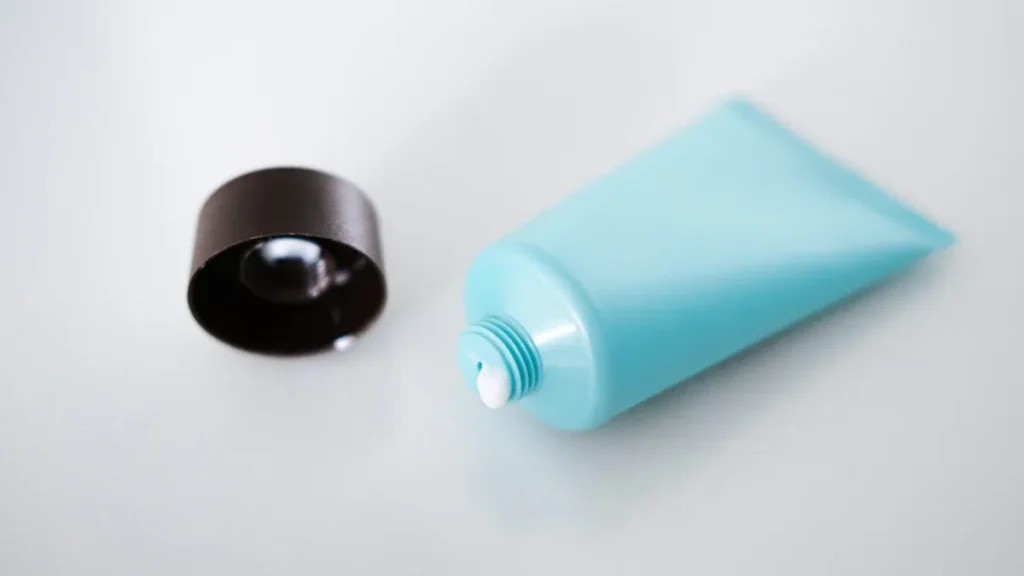
When you see cosmetic tube packaging, you notice many materials. Most tubes use plastics like polyethylene, polypropylene, or PET. Some tubes have aluminum or special laminated layers for more protection. You might see new choices like bioplastics, recycled plastics, or paper-based tubes. Each material has its own good points for cosmetics. These include flexibility, strength, or being better for the environment. The tube material you pick can change how well it protects your product. It also affects how eco-friendly the packaging is.
Key Takeaways
- Cosmetic tubes use many materials. These include plastics like polyethylene, polypropylene, and PET. They also use aluminum and laminated materials. Each material helps protect the product in its own way. Each one also makes the tube easy to use.
- Plastic tubes are very common. Polyethylene tubes are flexible and light. They can be recycled. These tubes work well for lotions and creams.
- Aluminum tubes keep out air, light, and water. This protects products that are sensitive. Aluminum tubes can be recycled many times. This is good for the environment.
- Laminated tubes have layers of different materials. These layers give more protection from outside things. Laminated tubes are good for products that need to last longer.
- Some tubes use bioplastics or recycled materials. These choices are better for the planet. They still keep the product safe. More people are choosing these eco-friendly options.
Plastic Materials in Cosmetic Tubes
When picking cosmetic packaging, you often see squeeze tubes. These tubes are made from different plastic materials. Each plastic type gives special benefits to your product. You can find tubes made from polyethylene, polypropylene, PET, and other plastics. These materials help keep your cosmetics safe. They also make the tubes easy to use.
Polyethylene (PE)
Polyethylene is a very popular choice for squeeze tubes. Many cosmetic tubes use it because it has many good points:
- Flexibility: You can bend and squeeze the tube easily. This helps you use all of your product.
- Chemical resistance: PE keeps your cosmetics safe from acids and solvents.
- Lightweight: This plastic makes tubes light and easy to carry. It also lowers shipping costs.
- Recyclability: You can recycle PE tubes. This helps the environment.
- Temperature resistance: PE tubes stay strong even in heat.
You often see PE used for lotions, creams, and gels. Xinfly Packaging uses PE to make tubes that feel soft and flexible.
Polypropylene (PP)
Polypropylene is another common plastic for squeeze tubes. You might pick PP tubes if you want a clear look or extra protection. Here is a table that shows the main good and bad points of PP:
| Advantages | Disadvantages |
|---|---|
| Lightweight, reducing shipping costs | Environmental impact due to non-renewable sources |
| High transparency for product visibility | Limited biodegradability |
| Exceptional chemical resistance | Improper disposal can harm ecosystems |
| Can withstand elevated temperatures | |
| Readily recyclable |
PP tubes give a strong barrier against chemicals. They help keep your cosmetics safe. You can recycle PP, but not all places accept it. PET is easier to recycle in most places. If you want a clear tube that protects your product, PP is a good choice.
Polypropylene is sometimes accepted for recycling. PET tubes are easier to recycle because more places take them. PET recycling is stronger, so you can recycle PET tubes more often.
PET and Other Plastics
PET is a popular plastic for squeeze tubes. You see PET tubes in gel water and daily cosmetics. PET gives high transparency and strong chemical resistance. It is also lightweight. You can recycle PET tubes easily, which is good for the environment.
Other plastics are also used in cosmetic tube packaging. Here is a table that shows what makes these materials special:
| Material | Unique Properties | Applications |
|---|---|---|
| PET | High transparency, chemical resistance, lightweight, unbreakable, environmentally friendly | Gel water, cosmetic bottles |
| PETG | Higher transparency than PET, better chemical and oil resistance, weather resistance | Cosmetic bottles, perfume bottles |
| AS | Higher impact strength, excellent heat and chemical resistance, good transparency | Lotion bottles, cream jars |
| ABS | High hardness, not environmentally friendly, cannot contact cosmetics directly | Inner covers, shoulder covers |
| Acrylic | Thick, glass-like, high permeability, poor chemical resistance | High-end cosmetic packaging, requires inner liners |
You can find squeeze tubes made from FDA-approved resins like PP, PET, and PS. These plastics help keep your cosmetics fresh and safe. Acrylic and ABS are used for special parts like caps or covers. They are not used for direct contact with cosmetics.
When you pick a squeeze tube, you should think about the plastic type. Each material gives different benefits for protection, looks, and the environment. Xinfly Packaging has many choices, so you can find the best tube for your needs.
Metal Tubes

Metal tubes are a strong choice for packaging. Aluminum is the metal you see most often. Tin tubes are not as common, but they have special uses. Metal tubes are good when you need extra protection.
Aluminum Tubes
Aluminum tubes keep cosmetics safe from air and light. They also block out moisture. This helps your product last longer and stay fresh. The table below shows how aluminum tubes help:
| Benefit | Description |
|---|---|
| Stops air, light, and water from getting in | Keeps ingredients working and makes products last longer. |
| Good for sensitive products | Protects things that can be hurt by outside factors. |
| Seals out bad things from the environment | Keeps products safe and helps them last longer. |
| Blocks air, light, and water | Stops skincare from going bad. |
| Protects light-sensitive ingredients | Keeps things like retinol and vitamin C safe from light. |
| Makes an air-tight seal | Stops air from getting in and keeps products fresh. |
| Great at blocking air | Stops products from spoiling. |
| Not see-through | UV rays cannot hurt the product. |
| Makes products last longer | Keeps products strong and fresh for more time. |
You can recycle aluminum tubes over and over. Aluminum does not lose quality when recycled. This makes aluminum better for the planet than plastic. Recycling aluminum saves energy and cuts down on pollution. Choosing aluminum tubes helps the environment. Xinfly Packaging has aluminum tubes for brands that want strong and green packaging.
Tin Tubes
Tin tubes are not used as much, but some products use them. Tin tubes are soft and easy to squeeze. You can get thick creams out easily. Tin tubes protect from air and light, but are not as strong as aluminum. People use tin tubes for small batches or fancy items. Some brands pick tin tubes for a classic or special look.
Tip: Aluminum tubes are best if you want strong protection and easy recycling.
Metal tubes keep products safe and fresh. Both aluminum and tin tubes block out air and light. Aluminum tubes are stronger and easier to recycle.
Laminated Tubes in Cosmetic Tube Packaging
Laminated tubes help protect your cosmetics in a smart way. These tubes have layers that make a strong shield. There are two main types of laminated tubes. One is plastic-laminated tubes (PBL). The other is aluminum-laminated tubes (ABL). Each type uses special materials to keep products safe and fresh.
Plastic-Laminated Tubes (PBL)
Plastic-laminated tubes have many layers of polyethylene and a barrier layer. The body of the tube is made from laminate. The laminate has three to five layers of polyethylene. A barrier layer, usually EVOH, sits between the PE layers.
Here is a table that shows the layers:
| Layer Type | Material Used | Function |
|---|---|---|
| Outer Layer | Polyethylene | Makes the tube strong and bendable |
| Bonding Layer | Not specified | Keeps all the layers together |
| Barrier Layer | Ethylene Vinyl Alcohol (EVOH) | Stops oxygen and oil from getting inside |
PBL tubes keep their shape after you squeeze them. They look smooth and shiny, which is good for cosmetics. The EVOH layer helps block oxygen and oil. PBL tubes give decent protection from light and air. Many brands use these tubes for creams and gels that do not need the strongest protection.
Note: PBL tubes work for most cosmetics, but they may not protect very sensitive formulas as well as ABL tubes.
Aluminum-Laminated Tubes (ABL)
Aluminum-laminated tubes have a thin layer of aluminum foil inside. This layer blocks light, air, and water. ABL tubes help your product last longer and stay safe. You can squeeze these tubes and they keep their shape. This lets you control how much comes out.
Some main benefits of ABL tubes are:
- They block light, air, and water to keep cosmetics fresh.
- They stop smells and flavors from moving between the tube and product.
- They are strong and do not rust easily.
- These tubes can protect products for up to 50 years.
You often see ABL tubes used for whitening creams, anti-aging serums, sunscreens, and products with sensitive ingredients like retinoids or vitamin C. If you want the best protection, pick an aluminum-laminated tube.
Sustainable Materials for Cosmetic Tube Packaging
Eco-friendly packaging is changing how people use cosmetic tubes. You can pick from different eco-friendly materials. These help protect the earth and support green beauty. Some choices are bioplastics, post-consumer recycled plastics, and paper-based tubes. Each tube material has special benefits for cosmetics and brands.
Bioplastics (Bio-PE)
Bioplastics are getting more popular for cosmetic tubes. They come from things like sugarcane and corn. These materials break down in nature or in special compost places. Using bioplastics helps lower greenhouse gases when making tubes. Bioplastics use farm leftovers, which supports a circular economy. They also help save energy and cut down on pollution. Bioplastics can break down and return to nature. This makes them good for the planet. If you want green beauty products, bioplastics are a smart pick.
- Made from things that grow back
- Breaks down in the right places
- Makes less greenhouse gas
- Helps the circular economy
- Cuts down on pollution
Recycled Materials (PCR)
Post-consumer recycled plastics are another green choice for tubes. Using PCR tubes helps cut down on waste. Many brands want to use half or all PCR in their tubes soon. This helps make less pollution when making new tubes. More beauty brands are starting to use PCR tubes.
| Aspect | Details |
|---|---|
| Market Growth | Beauty brands are using more PCR tubes |
| Adoption Rate | Brands want to use 50-100% PCR soon |
| Environmental Impact | PCR tubes help lower pollution |
Xinfly Packaging has PCR tubes to help you reach your green goals.
Paper-Based Tubes
Paper tubes are getting more popular as a green choice. You might see paper tubes in beauty packaging. But paper tubes have some problems. Paper lets water, air, and oil get inside. This can make products go bad. Paper tubes are not as strong and may lose their shape. They can also be hard to seal well. Pure paper does not give a smooth surface for nice printing. This can make the packaging look less good.
- Barrier problems: Paper lets water and air in
- Weakness: Tubes can lose shape or leak
- Printing issues: Hard to get a smooth, pretty look
Think about these things before picking paper tubes for cosmetics.
Tip: Green packaging helps your brand stand out and is better for the earth.
Comparison Guide for Cosmetic Tube Materials
Performance
When you pick a cosmetic tube, you want it to keep your product safe and last long. Different materials protect your product in different ways. Some tubes are strong, while others block air and light better. The table below shows how each material works:
| Material Type | Durability Characteristics | Product Protection Characteristics |
|---|---|---|
| Plastic | Tough against drops, does not crack easily | May not block oxygen or outside things as well |
| Aluminum | Can dent, but blocks air, light, and water | Very good at stopping oxygen, light, and moisture |
| Laminated | Strong because of layers | Blocks light, oxygen, and moisture very well |
| Sustainable | Depends on what it is made from | Made to help the planet and protect your product |
Plastic tubes can handle bumps and drops. They do not break easily. Aluminum tubes might dent, but they keep air, light, and water out. Laminated tubes have layers that make them strong and keep your cosmetics safe from things that spoil them. Sustainable tubes use recycled or plant-based stuff. These tubes help the earth and protect your product.
If you want to keep your product safe from air and light, pick aluminum or laminated tubes. Laminated tubes are good for toothpaste, retinol creams, and sunscreens. These products need strong protection to stay fresh.
Sustainability
You want to help the planet when you choose tube materials. Sustainability means using less energy, making less trash, and picking things that can be recycled or used again. Here are some things to think about:
- Recycled materials save energy and use fewer new resources.
- Bioplastics come from plants and break down in the right places.
- Metal tubes like aluminum can be recycled many times.
- Minimalist packaging uses less material and makes less waste.
- Refillable tubes let you use the same tube again, so you throw away less.
- Recycling programs help people recycle tubes.
- Glass is safe and can be recycled forever, but it is heavy.
You can help the earth by picking tubes made from recycled plastic or metal. Bioplastics are good if you want tubes that break down after you use them. Aluminum tubes are easy to recycle. Paper tubes use less plastic, but may not protect your product as well.
If you want your brand to look eco-friendly, pick sustainable tube options. Xinfly Packaging has tubes made from recycled plastic, bioplastics, and aluminum. These choices help you reach your green goals.
Cost and Applications
Cost is important when you pick tube materials for your cosmetics. Some materials cost more because they use special stuff or need extra steps to make. Here are some facts about cost:
- Sustainable packaging costs 15% to 50% more than regular packaging.
- Biodegradable plastics cost 20-30% more than normal plastics.
- Aluminum tubes cost more than plastic tubes, but protect better.
- Laminated tubes cost more than single-layer plastic tubes because they have more layers.
You should match the tube material to your product. Laminated tubes are best for things that need strong protection, like toothpaste, retinol creams, and sunscreens with high SPF. Plastic tubes work well for lotions and gels that do not need extra barriers. Aluminum tubes are good for products with sensitive ingredients that need to stay fresh longer.
Tip: You can balance cost, protection, and helping the planet by picking the right tube for your product. If you want to keep sensitive cosmetics safe and show you care about the earth, try sustainable or laminated tubes. Xinfly Packaging has many choices to fit your needs and budget.
You can pick from many types of cosmetic tube packaging. Each material has special benefits for your products. You can choose plastic, aluminum, laminated, or sustainable tubes. Look at the table to help you decide:
| Consideration | Description |
|---|---|
| Lifecycle of Materials | Think about how tubes are made and what happens after. |
| Recyclability | Aluminum is easy to recycle, but some plastics are not. |
| Renewable Resources | Tubes made from plants help lower pollution. |
| Innovative Materials | New tubes like compostable or mixed types are becoming popular. |
You should also look for tubes that are simple to use and look nice. Eco-friendly tubes are better for the planet. Rules now say tubes must be safer and greener. Xinfly Packaging can help you choose the best tube for your needs.
Cosmetic Tube Materials – Frequently Asked Questions
Understand PE/PP, COEX with EVOH, ABL vs PBL laminates, aluminum, PCR, bio-PE, and how to choose materials for barrier, print, sustainability and cost.
1) What are the most common plastics for cosmetic tubes?
2) What is COEX (co-extruded) with EVOH barrier?
3) How do ABL and PBL laminate tubes differ?
4) When should I choose aluminum tubes?
5) What is PCR (post-consumer recycled) plastic in tubes?
6) How does bio-PE (sugarcane-based) compare to fossil PE?
7) Are wheat-straw composite plastics used for tubes?
8) Which materials print and finish best?
9) How do I match material to my formula’s sensitivity?
10) Which options are most recycling-friendly?
11) What are the main cost drivers by material?
12) What files and tests should I prepare regardless of material?
Ready to customize your packaging? Contact our team for detailed pricing, MOQ flexibility, and fast production samples.