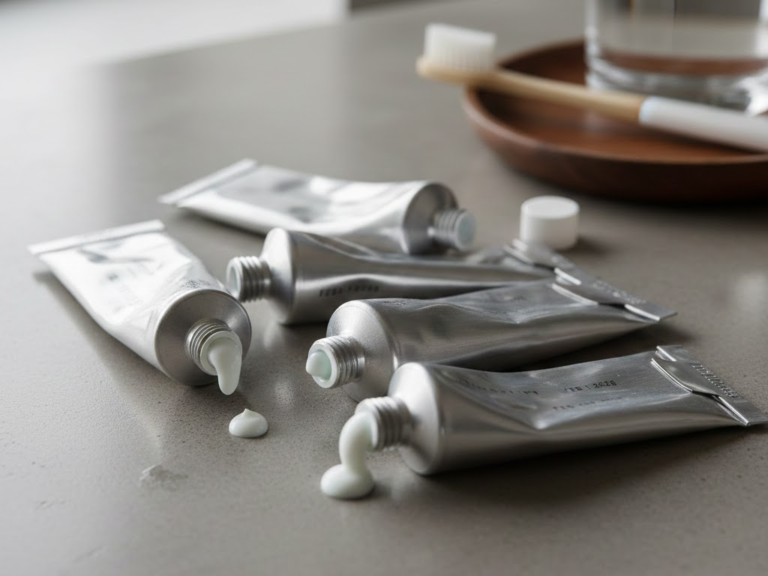

Why Aluminum Tubes Are a Sustainable Choice for Packaging

You see aluminum tubes as a good choice for the planet. They have great eco-friendly benefits. These tubes help the environment because they are easy to recycle. The recycling rate is 76% all over the world.
Recycling aluminum uses much less energy. It saves 95% of the energy compared to making new tubes from raw materials.
Pick aluminum tubes because they are light and strong. They protect what is inside very well. These tubes are good for the earth because you can recycle them many times. They help cut down on waste. You help nature when you choose aluminum tubes for packaging. The good things for the environment include less carbon released, safe disposal, and no rust. This makes aluminum a smart choice for you and your business.
Key Takeaways
- Aluminum tubes can be recycled again and again. They do not lose strength or quality when recycled. They are 100% recyclable.
- Recycling aluminum uses much less energy than making new aluminum. It saves up to 95% of the energy. This helps lower carbon emissions a lot.
- Picking aluminum tubes instead of plastic is better for the planet. Aluminum gets recycled more often than plastic. This helps cut down on pollution and waste.
- Aluminum tubes are light. This makes shipping easier and cheaper. It is good for the environment and saves you money.
- Always rinse aluminum tubes before you recycle them. This keeps them clean. Clean tubes help the recycling process work better.
Aluminum Tubes and Sustainability
100% Recyclable Material
You may ask why aluminum tubes are good for the earth. The main reason is that they can be recycled every time. When you pick aluminum packaging, you help make less trash. You also help keep materials strong, even after many times being recycled.
- Aluminum can be recycled over and over. It does not lose its strength or quality when recycled.
- You can recycle aluminum tubes as many times as you want. The metal stays strong and does not get weak.
- Plastics get weaker after recycling, but aluminum stays the same each time.
Aluminum tubes can be melted and made into new things again and again. The chemical makeup of aluminium does not change, so it never gets weaker. This makes aluminum packaging a top choice for using materials again. You help keep the cycle going when you recycle an aluminum tube.
Energy Savings and Circularity
Recycling aluminum tubes saves a lot of energy. Making new aluminum from bauxite ore uses much more power. Recycling only needs a small part of that energy. You save about 95% of the energy by using recycled aluminum.
- Recycling aluminum saves more than 90% of the energy needed to make new aluminum.
- The energy to make one aluminum tube from bauxite can make 20 tubes from recycled aluminum.
- Recycling aluminum cuts down carbon dioxide by about 1.4 metric tons for every ton recycled.
Recycling aluminum tubes is easy and works well:
- Sorting: Workers cut up aluminum tubes and sort out any dirt or other stuff.
- Melting: The clean pieces are melted at high heat to make liquid aluminum.
- Dross Removal: Workers take away any oxide that forms during melting.
- Ingot Formation: The liquid aluminum goes into molds to make ingots.
- Rolling: The ingots are rolled into thin sheets to make new packaging.
You help the earth every time you recycle aluminum tubes. This keeps aluminum in use and saves resources. Recycling also saves money. The world aluminum industry can save up to $2 billion each year by recycling.
Tip: Always rinse your aluminum tubes before recycling. Clean tubes are easier to recycle and help keep the recycling process working well.
Aluminum tubes are strong and light. They can be recycled forever and help you protect the planet.
Sustainable Packaging: Aluminum Tubes vs. Plastic
Environmental Impact Comparison
You want packaging that keeps products safe and helps the earth. Aluminum tubes are better for the planet than plastic tubes. You can recycle aluminum tubes many times. They do not lose their quality. Plastic tubes get weaker every time you recycle them. This means plastic tubes often become trash.
Making new aluminum tubes uses a lot of energy. Recycling aluminum tubes uses much less energy. You only need a small amount of energy to recycle aluminum tubes. Plastic tubes need more energy to make and recycle. They also get recycled less often. This causes more pollution over time. Picking aluminum tubes helps lower pollution.
- Aluminum gets recycled more than plastic.
- Using aluminum packaging helps the environment.
- Making aluminum tubes uses less energy than making plastic tubes.
- Plastic tubes break down after recycling and become waste.
- The impact of aluminum and plastic packaging is complicated. You should think about energy, waste, and pollution.
Note: Glass bottles need lots of energy to make and are heavy to move. Plastic bottles are light but often end up as trash in landfills or oceans. Aluminum cans and tubes are better because you can recycle them easily and they use less energy to make.
Recycling Rates and Challenges
You might wonder how well aluminum and plastic tubes get recycled. About 35% of aluminum tubes get recycled in the United States. Only about 9% of plastic tubes get recycled. Most plastic tubes end up as trash or litter. This hurts nature.
Recycling aluminum tubes works well. You can recycle them many times. The metal stays strong. Plastic tubes are harder to recycle. They get dirty and are hard to sort. Recycled plastic gets weaker each time. So, fewer plastic tubes get recycled.
- Recycling aluminum tubes works better than recycling plastic tubes.
- Plastic tubes get dirty and are hard to sort.
- Recycled plastic loses strength, so recycling rates stay low.
- Plastic tubes do not work well in single-stream recycling.
- There are rules about saying plastic tubes are recyclable.
- People are still working to make recycling plastic tubes better.
Sometimes, aluminum tubes are not accepted in curbside recycling. If there is leftover product inside, they may not get recycled. You help recycling when you rinse tubes before putting them in the bin.
Tip: Always rinse your aluminum tubes before recycling. Clean tubes help keep recycling pure and make it more likely your tube will be recycled.
Aluminum tubes are a good way to package products. You help the earth when you pick them instead of plastic tubes.
Practical Benefits of Aluminum Tubes
Durability and Protection
You want packaging that keeps products safe. Aluminum bottles and tubes are very strong. They stop light, air, and water from getting in. This helps keep products fresh and stops them from going bad. Many people use aluminum bottles for food, medicine, and beauty items. These bottles keep germs and dirt away.
Here is a table that shows how aluminum bottles compare to other materials:
| Feature | Aluminum Bottles and Tubes | Other Materials (Plastic, Glass) |
|---|---|---|
| Barrier Properties | Great at blocking moisture, oxygen, and light | Not good (Plastic) / Good but heavy (Glass) |
| Weight | Very light | Heavy (Glass) / Changes (Plastic) |
| Durability | Very strong and tough | Breaks easily (Glass) / Not as strong (Plastic) |
| Corrosion Resistance | Does not rust | Changes (Plastic) / Not needed (Glass) |
| Shelf Life Extension | Keeps things fresh longer | Not much (Plastic) / Good (Glass) |
Aluminum bottles and tubes protect better than plastic. They do not break as easily as glass. Here are more reasons to trust aluminum bottles:
- You can recycle aluminum bottles and tubes many times. Most aluminum ever made is still used today.
- Aluminum bottles keep sunlight and air out. This helps stop germs from getting in.
- Drug companies use aluminum bottles to keep air away. This keeps medicine safe.
Lightweight Advantages
Aluminum tubes are light and easy to ship. Using aluminum bottles makes packages lighter. Trucks and planes use less fuel to move them. This helps lower pollution and saves money.
Light aluminum tubes also make shipping cheaper. Companies like aluminum bottles because they cost less to move. You get strong packaging without extra weight. Aluminum bottles are good for the planet and your wallet.
Light aluminum tubes are used in beauty and health products. You can carry them easily. They fit in bags and do not weigh much. Picking light aluminum tubes helps make a greener future.
Tip: When you choose aluminum bottles and tubes, you get strong protection and help the earth by lowering your carbon footprint.
Recycled Aluminium: How to Recycle Tubes
Recycling Process
You help recycle aluminum packaging. When you finish using an aluminum tube, you can recycle it. Here are the main steps:
- First, empty the aluminum tube and put it in your recycling bin.
- At the recycling center, the tube is melted in a hot furnace.
- Workers use magnets to pull out the aluminum from other materials like plastic or glass.
- Chemicals are used to clean the metal and make it look better.
- The recycled aluminum is made into new things, like more tubes or cans.
Recycled aluminum stays strong and keeps its quality. You help use aluminum again and make less trash. If tubes have stuff left inside, workers must clean them more. This uses more energy and makes the recycled aluminum worth less. Clean tubes help recycling go faster and work better.
Tip: Always rinse your aluminum tubes before recycling. Clean tubes keep recycled aluminum pure and valuable.
Consumer Tips
You can make recycling aluminum easier and better. Try these tips:
- Rinse aluminum tubes to get rid of food or liquid. This stops contamination and keeps recycled aluminum good.
- Flatten tubes to save space. This helps with storage and moving them.
- Sort different metals. Sorting helps recycling centers work faster.
Here is a table that shows common mistakes and how to fix them:
| Mistake | How to Avoid |
|---|---|
| Not cleaning tubes | Rinse with warm water and dish soap |
| Mixing metals | Sort tubes from other metals |
| Leaving residue inside | Wipe with a rag before recycling |
If you do not clean tubes, recycling centers need more time and energy to fix dirty aluminum. This makes the recycled aluminum not as good and worth less. You help keep aluminum strong and useful when you follow these tips.
Note: Clean and sorted aluminum tubes help recycling work better. You help the planet every time you recycle a tube.
You help the earth when you pick aluminum tubes for packaging. These tubes can be recycled again and again. Recycling them saves up to 95% of energy. Making new tubes uses much more energy. Aluminum tubes are strong and light. They keep your products safe.
- Aluminum tubes last a long time. They help keep things fresh.
- Recycling one tube saves energy. It also lowers carbon emissions.
- You help keep waste low and support a circular economy.
| Future Trend | Description |
|---|---|
| Sustainability Focus | More recycled materials and saving energy |
| Smart Packaging Innovations | QR codes show how to recycle tubes |
| Environmental Responsibility | More people want eco-friendly packaging |
Aluminum Cosmetic Tubes – Frequently Asked Questions
Understand why aluminum tubes deliver circularity and performance: infinite recyclability, strong barrier, PCR content, coatings, print/finish options, e-commerce durability, MOQ/lead time and cost control.
1) Why are aluminum tubes considered sustainable?
2) What barrier advantages does aluminum provide?
3) Can aluminum tubes include recycled content (PCR)?
4) Are aluminum tubes easy to recycle after use?
5) Do aluminum tubes dent easily?
6) What internal coatings are used for safety?
7) Which closures and tips are available?
8) How do you prevent product backflow and contamination?
9) What printing and finish options work on aluminum?
10) Are aluminum tubes compatible with essential oils or acids?
11) How do aluminum tubes perform in e-commerce shipping?
12) What are typical MOQs and lead times?
13) How do aluminum tubes compare with PE/PBL/ABL?
14) What sustainability claims are safe to print?
15) Why choose Xinfly Packaging for aluminum tubes?
Ready to customize your packaging? Contact our team for detailed pricing, MOQ flexibility, and fast production samples.