
Why HDPE Mono-Material is the Future of Recyclable Toothpaste Tubes

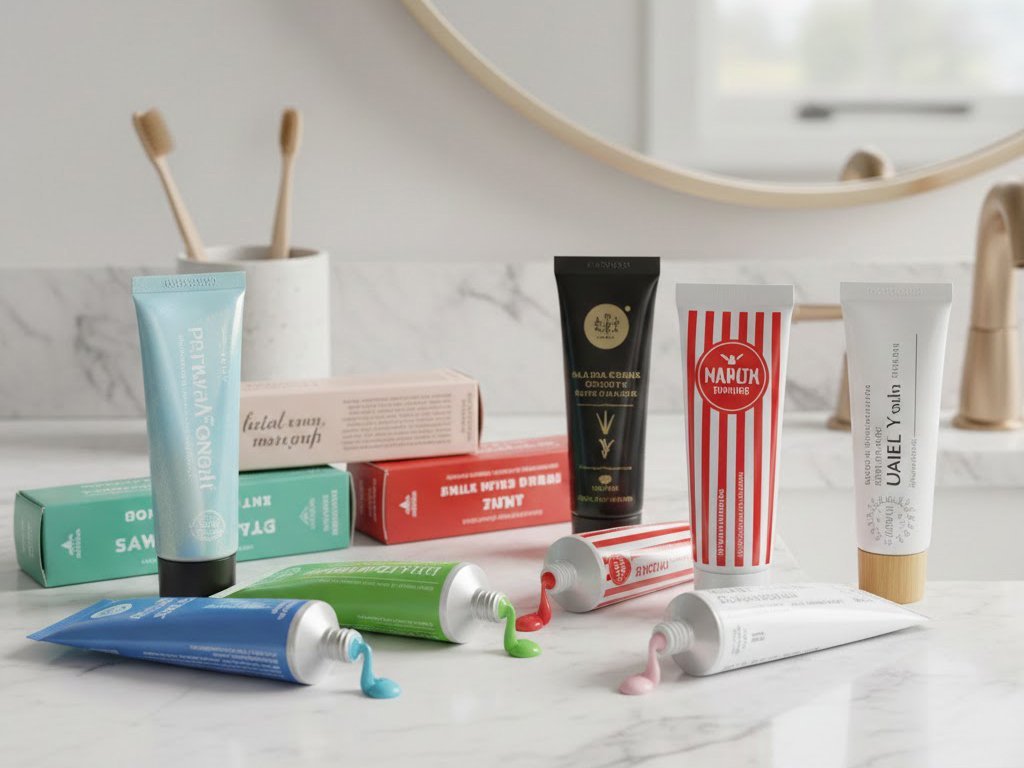
In the rapidly evolving world of oral care, “sustainability” is no longer just a marketing buzzword—it is a survival strategy. For decades, the toothpaste industry has relied on packaging that was efficient but environmentally disastrous. Today, as consumer awareness peaks and government regulations tighten, brands are facing a critical reckoning.
The era of vague eco-claims is over. The era of the recyclable toothpaste tube is here.
However, not all “recyclable” tubes are created equal. As a brand manager or procurement specialist, you may be navigating a minefield of conflicting information. Is Aluminum Barrier Laminate (ABL) still acceptable? What about bio-based plastics?
This comprehensive guide breaks down why HDPE Mono-material tubes have emerged as the gold standard for sustainable oral care packaging, and why switching now is the only way to future-proof your brand against “greenwashing” accusations.
Key Takeaways
- Sustainability in oral care packaging is vital; the recyclable toothpaste tube is now essential for brands.
- HDPE mono-material tubes have emerged as the best option due to their recyclability and effectiveness compared to ABL tubes.
- Switching to HDPE ensures compliance with regulations, meets consumer demand for recyclable products, and maintains product integrity.
- Xinfly Packaging offers high-quality HDPE tubes, customizable and compatible with existing filling lines.
- Combining HDPE with PCR content enhances sustainability, allowing brands to reduce waste and dependence on virgin materials.
The “Greenwashing” Trap: Why Traditional Tubes Failed
To understand the solution, we must first understand the problem. For the last 30 years, the industry standard for toothpaste packaging has been the ABL tube (Aluminum Barrier Laminate).
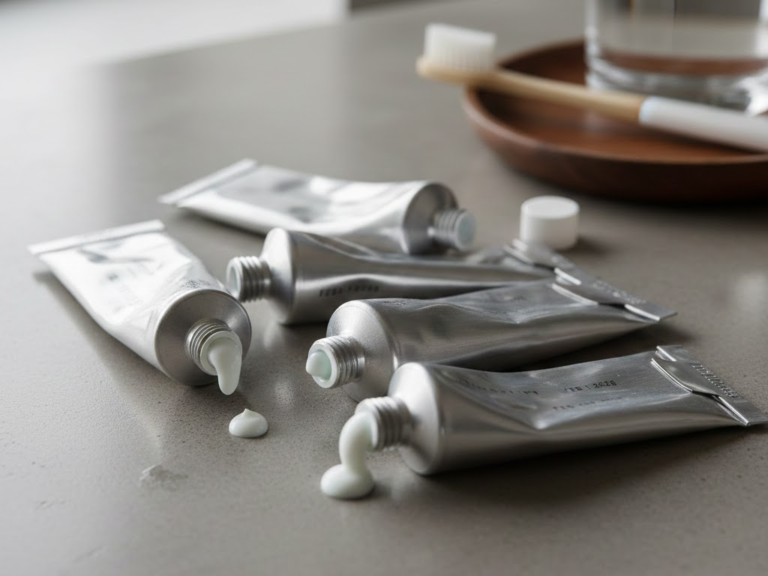
From a preservation standpoint, ABL is excellent. It combines plastic with a thin layer of aluminum foil to block oxygen and moisture, keeping the toothpaste fresh. But from a recycling standpoint, ABL is a nightmare.
The “Sandwich” Problem
Imagine trying to unbake a cake to get the eggs back. That is essentially what recycling facilities face with ABL tubes. Because the aluminum foil is fused between layers of plastic, standard recycling machinery cannot separate them.
- The Result: ABL tubes are rejected by sorting machines. They end up in landfills, where they will sit for centuries.
- The Risk: If your brand claims these tubes are “eco-friendly” simply because they contain some plastic, you are engaging in greenwashing. With strict new laws in the EU and states like California (SB 54), making false recyclability claims can lead to massive fines and reputational damage.
Enter the Hero: What is HDPE Mono-Material?
The solution to the recycling puzzle lies in simplification. Mono-material means the entire package is made from a single type of resin.
In the context of recyclable toothpaste tubes, the material of choice is HDPE (High-Density Polyethylene).
Why HDPE?
HDPE is the same plastic used to make milk jugs and detergent bottles—one of the most widely recycled plastics in the world (Code #2). By manufacturing the tube body, the shoulder, and the cap all from HDPE, we create a package that does not need to be disassembled.
When an HDPE mono-material tube arrives at a recycling facility, it can be shredded, melted, and repurposed into new plastic pellets without contaminating the stream.
But What About the Barrier? (The Technical Edge)
You might be asking: “If we remove the aluminum, won’t the toothpaste flavor degrade?”
This was the biggest technical hurdle in the past, but manufacturers like Xinfly Packaging have solved it. We utilize advanced EVOH (Ethylene Vinyl Alcohol) coatings.
- EVOH provides a powerful barrier against oxygen and moisture, comparable to aluminum.
- Crucially, the EVOH layer in our tubes is less than 5% of the total weight. According to the Association of Plastic Recyclers (APR) design guidelines, this low percentage allows the tube to still be classified and recycled as pure HDPE.
4 Reasons Why Your Brand Must Switch to HDPE Now
If you are launching a new toothpaste line or rebranding an existing one in 2026, here is why HDPE mono-material is your only safe bet.
1. Regulatory Compliance & Safety
Legislation is moving faster than ever. The European Union’s Packaging and Packaging Waste Directive (PPWD) and strict FTC Green Guides in the USA are cracking down on non-recyclable packaging. By choosing certified HDPE tubes, you are not just being “nice” to the planet; you are ensuring your product remains legal to sell on major supermarket shelves that now demand recyclable packaging mandates.
2. The “Recycle Ready” Consumer Demand
Modern consumers flip the product over. They look for the recycling symbol. If they see a complex code or “Not Recyclable,” they put it back. HDPE tubes allow you to proudly display the #2 recycling triangle (depending on local laws), giving eco-conscious consumers the permission to buy.
3. Preserving Product Integrity
There is a misconception that eco-friendly tubes feel “cheap.” This is false. High-quality HDPE tubes offered by Xinfly Packaging possess excellent “memory.” Unlike aluminum tubes which dent and stay deformed, HDPE tubes retain their shape after squeezing. This ensures your branding remains visible and legible throughout the product’s lifespan.
4. Compatibility with Existing Filling Lines
For many manufacturers, the fear of switching packaging is the fear of retooling factory lines. Fortunately, modern HDPE tubes are designed to run on standard tube filling and sealing machinery with minimal adjustments. You don’t need to overhaul your production facility to go green.
Leveling Up: PCR (Post-Consumer Recycled) Content
If you want to take your sustainability story from “Good” to “Best,” you should consider combining HDPE technology with PCR (Post-Consumer Recycled) materials.
While “Recyclable” means the tube can be recycled, “PCR” means the tube was made from recycled waste.
At Xinfly Packaging, we offer HDPE tubes with varying percentages of PCR content (e.g., 30%, 50%, or even 100% PCR).
- The Benefit: You are actively diverting plastic waste from landfills and reducing the demand for virgin fossil fuels.
- The Aesthetic: Historically, PCR tubes had a grey or yellowish tint. However, our advanced compounding technology now allows for high-PCR tubes that are nearly as white and pristine as virgin plastic, ensuring your design pops on the shelf.
How to Choose the Right Manufacturer?
Transitioning to recyclable toothpaste tubes requires a partner who understands the technical nuances of barrier properties and printability.
When selecting a supplier, ask these three questions:
- “Are your tubes APR or RecyClass certified?” (This ensures they are genuinely recyclable in real-world facilities).
- “Can you provide stability testing data for EVOH barriers?” (To ensure your mint flavor doesn’t vanish).
- “What are your decoration capabilities for HDPE?”
The Xinfly Packaging Advantage
At Xinfly Packaging, we specialize in the cosmetic and oral care tube industry. We don’t just sell tubes; we provide packaging solutions.
- Customization: From offset printing to silk screen and hot stamping, we ensure your eco-friendly tube looks premium.
- Scalability: Whether you are a boutique indie brand or a global conglomerate, our production lines are equipped to handle your volume.
- Guidance: We help you navigate the material selection process to find the perfect balance between sustainability, cost, and protection.
Conclusion: The Time to Switch is Now
The toothpaste tube is an icon of daily life, but it doesn’t have to be an icon of waste. The technology exists to close the loop. By switching to HDPE mono-material tubes, your brand can lead the charge towards a circular economy without sacrificing quality, protection, or profitability.
Don’t wait for regulations to force your hand. Be the brand that customers trust to do the right thing.
Ready to revolutionize your packaging? [Contact Xinfly Packaging today] to request a sample kit of our recyclable HDPE tubes and see the quality for yourself. Let’s build a greener future, one tube at a time.
Frequently Asked Questions
Key points: what HDPE mono-material means, recyclability benefits, barrier & performance, cap/shoulder matching, printing guidance, typical specs, testing, MOQ/lead time, and how to make accurate sustainability claims.
Q1What does “HDPE mono-material toothpaste tube” mean?
Q2Why is mono-material better for recycling than traditional laminate tubes?
Q3Is HDPE suitable for toothpaste formulas and daily squeezing?
Q4How do you achieve barrier protection with a recyclable tube?
Q5Should the cap and shoulder also be HDPE?
Q6Can I add PCR content to an HDPE mono-material toothpaste tube?
Q7What printing and finishes work best on HDPE tubes?
Q8What tests ensure HDPE toothpaste tubes are leak-proof and shipping-safe?
Q9What are typical MOQ and lead time for custom HDPE toothpaste tubes?
Q10What is the correct way to communicate recyclability on packaging?
Need recyclable toothpaste tubes with HDPE mono-material design?
Send your tube size (ml), cap style, printing, target PCR %, and estimated quantity — we’ll reply within 24 hours with structure suggestions and pricing.