
How to Choose the Right Empty Squeeze Tube for Your Product in 2025

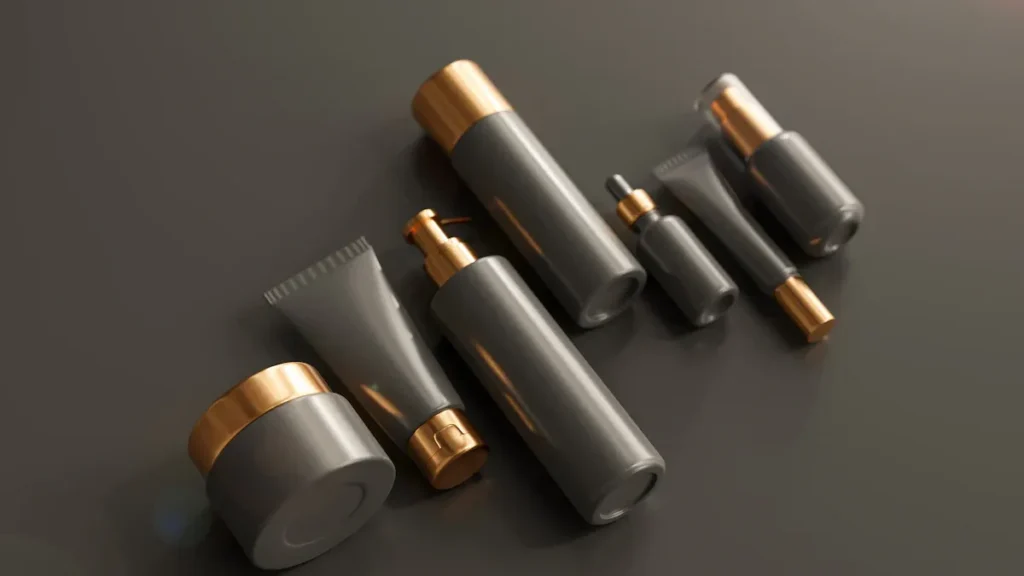
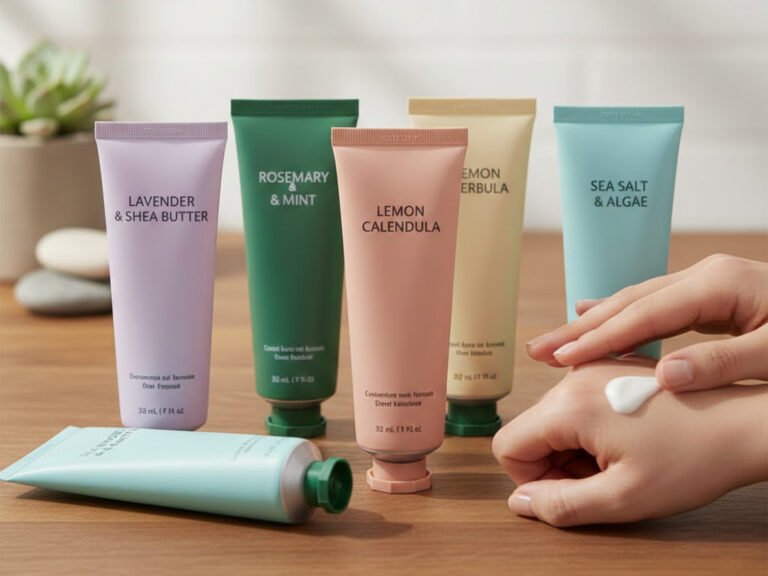
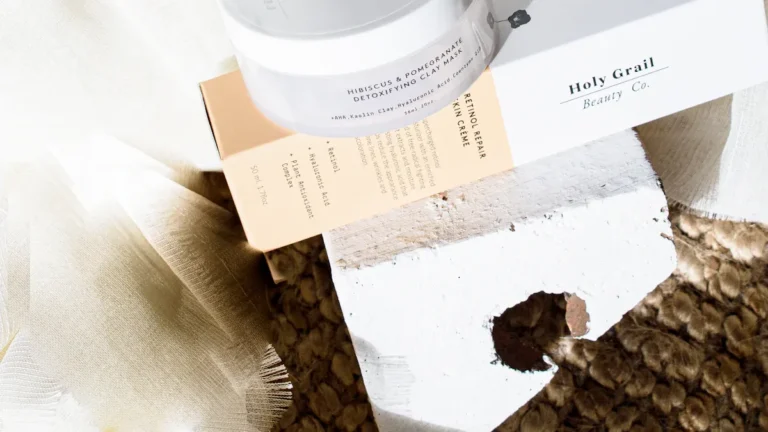
Choosing the right Empty Squeeze Tubes can help your product do well in 2025. Packaging does more than just keep things safe. It acts like a quiet salesperson on the shelf. It grabs people’s attention with how it looks. You want packaging that is easy to carry, works well, and gives good information. This helps your product look better and sell more.
| Evidence Description | Source |
|---|---|
| Packaging acts like a ‘salesman on the shelf.’ It affects quick buying choices and helps people know your product. | Narayanan and Sharma (2020) |
| People like packaging that is easy to carry, works well, and gives information. This makes products look better and more valuable. | Singh et al. (2021) |
| Packaging is the last way to market before someone buys. It gets people’s attention with how it looks. | Polyakova (2013) |
| Good-looking packaging is very important for cosmetics. It shows quality and style, and it affects how people live. | White (2020) |
In 2025, you will see big changes in packaging:
- Multi-functional tubes make things easier and add new uses.
- Eco-friendly packaging is wanted by many people.
- Fancy packaging makes brands look better.
- Special designs help brands get noticed.
- New technology makes packaging easier to use.
Pick the right tube for your formula. Think about the environment. Make smart choices for your brand. This will help your product do well on the shelf.
Key Takeaways
- Pick packaging that looks good and shows your brand’s value. Nice packaging can help you sell more.
- Make sure your product’s formula works with the tube material. This stops leaks and keeps your product safe. Test if they work together before you decide.
- Think about using eco-friendly choices like bioplastics or recycled stuff. These options are good for people who care about the environment.
- Choose the best cap for your squeeze tube. A good cap makes it easy to use and keeps your product fresh.
- Change your tube’s shape, size, and design to stand out. Special packaging helps people remember your product.
Product Compatibility
Formula Needs
You need to match your product’s formula with the right packaging. The way your formula looks, feels, and lasts can change how you choose empty squeeze tubes. Some formulas have special needs. For example, thick creams need tubes that are easy to squeeze. Thin liquids may leak if the tube is too soft.
| Type of Compatibility | Description |
|---|---|
| Chemical Compatibility | Some ingredients can react with the tube material. This can change the smell or look of your product. |
| Biological Compatibility | Additives in plastic can move into your product. This can harm the quality. |
| Physical Compatibility | The tube must hold its shape and protect your product. |
You should also think about what is inside your formula. Here are some common issues:
- Fragrance oils can soften plastic tubes and change the texture.
- Strong surfactants or solvents may weaken thin-walled tubes.
- Very acidic or alkaline formulas can break down some plastics faster.
Viscosity is another key factor. If your product is thick, you want a tube that lets you squeeze out every drop. If your product is runny, you need a tube that keeps it from leaking.
“We have seen companies that are packaging in bottles or jars convert to tubes, especially in lotions, creams, salves… products with some viscosity to them, where being able to squeeze that tube makes it easier for the consumer to dispense the product.”
You can choose from different tube types:
- Soft tubes made from LDPE work well for lotions and hair products. They are easy to squeeze.
- Co-extruded or laminated tubes keep their shape after squeezing. They give a smooth feel when you use them.
- Aluminum tubes are less flexible. They are good for products that need careful dispensing and extra protection.
Filling Methods
You need to talk with your supplier about how you will fill your squeeze tubes. The filling method can affect the tube you choose. There are two main ways to fill tubes:
- Back filling: You fill the tube from the bottom, then seal it. This method works for most creams and gels.
- Top filling: You fill the tube from the top, then attach the cap. This is better for some special formulas or when you need a certain look.
If you pick the wrong filling method, you might damage your product or slow down your production. Always check with your supplier to make sure your packaging matches your filling process. This helps you avoid leaks, spills, and wasted product.
When you match your formula and filling method to the right tube, you protect your product and make it easy for people to use. This step helps your packaging work well and keeps your brand strong.
Empty Squeeze Tubes Material
Material Types
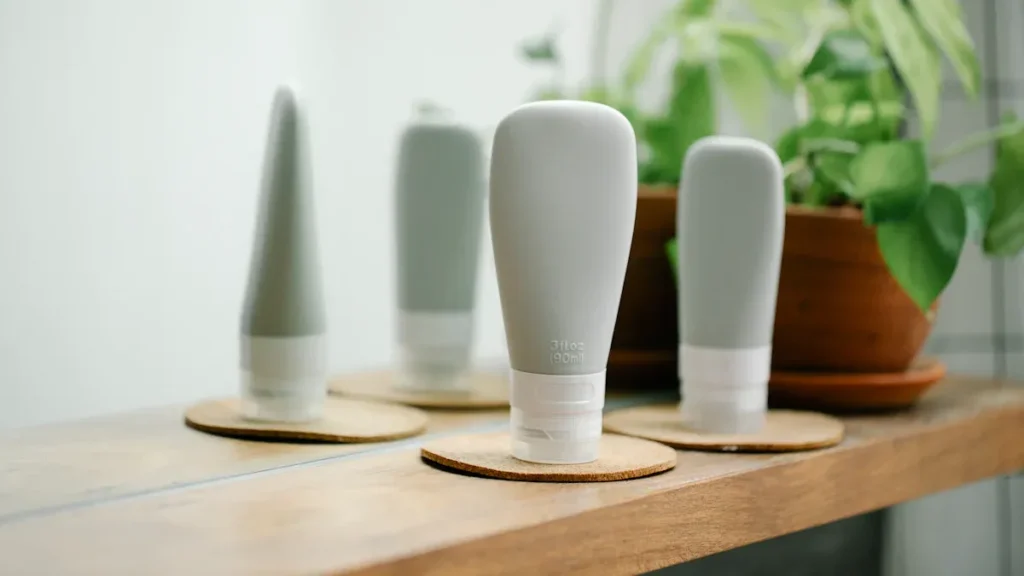
There are many materials for empty squeeze tubes. Each material has its own good points. The right material keeps your product safe. It helps your brand look good. It also follows new eco-friendly rules in 2025.
Here is a simple look at popular materials:
| Tube Type | Benefits | Drawbacks |
|---|---|---|
| PE Tubes | Cheap, bendy, strong, safe for many products | Not great for items that need to avoid air, fewer design choices, not fancy looking |
| Laminated Tubes | Blocks air, water, and light well; can be changed to fit your needs | Costs more, harder to recycle because of mixed stuff |
| Aluminum Tubes | Blocks things best, can be recycled, feels fancy, tough | Costs more, stiff, not many ways to print designs |
| Bioplastics | Good for the planet, breaks down, liked by green shoppers | Costs more, not easy to find |
You can also pick new and cool choices in 2025:
| Material Type | Description |
|---|---|
| Biodegradable Sugarcane Cosmetic Tubes | Made from sugarcane, these tubes are liked for being good for the planet. |
| Soft-Touch Matte Squeeze Tubes | These tubes feel smooth and look cool, great for summer. |
| Metallic Foil Cosmetic Tubes | These tubes shine and get noticed with their shiny look. |
| Clear Cosmetic Tubes with Gradient Tint | These tubes show your product and have fun colors that look fancy. |
Plastic squeeze tubes are good for lotions and creams. They use polyethylene (PE) or PET plastic. Aluminum tubes are best for formulas that need to stay safe from air and light. Laminate tubes have layers for extra strength and bending. Bioplastics, like sugarcane tubes, help you be eco-friendly.
Tip: In 2025, you need to follow new rules about single-use plastics and pollution. Eco-friendly tubes help you follow world laws and show you care about nature.
Xinfly Packaging has many kinds of these materials. You can get regular PE tubes, strong laminated tubes, and new bioplastic tubes. Xinfly also has soft-touch and shiny metallic tubes to help your brand stand out.
Barrier Protection
Barrier protection keeps your product fresh and safe. You want your empty squeeze tubes to block things like air, water, and light.
Here are some important features to look for:
- Tubes that are not see-through and have UV coatings stop sunlight. This keeps your product from changing or losing color.
- Tubes with many layers use special barriers to keep out air and water. This helps your product last longer.
- Safe materials like PET and PP make sure your packaging is safe for skin or mouth products.
You can make protection better with these ideas:
- Put UV-blocking layers in the tube.
- Use colored or not see-through tubes to stop bad light.
- Mix UV protection with other barriers in tubes with many layers.
These things stop spoilage, color loss, and losing nutrients. They matter a lot for products that are hurt by light, like creams, serums, and some medicines.
Note: Good barrier protection means your product stays safe and works well until the end. This helps customers trust you and keeps your brand strong.
When you pick the right material and barriers, your packaging works well. You also follow new rules and show you care about quality and the planet.
Sustainability & Usability
Eco Choices
You can help the planet by picking eco-friendly materials. Many brands use recycled plastics, bioplastics, or sugarcane tubes. These choices follow new packaging trends. They show you care about nature. If you pick materials that are easy to recycle or compost, you help cut down on waste and pollution.
Colgate leads in this area. More plastic squeeze tubes now have recycling labels and instructions. But just because tubes say recyclable, it does not mean they get recycled. The Tube Recycling Project found that plastic squeeze tubes can be recycled in modern systems. Now, the project works on better ways to collect, sort, and process tubes. They want to do this on a big scale so recyclers will want to join.
You can look for certifications to prove your packaging is really green. Here are some well-known certifications:
| Certification Name | Description |
|---|---|
| FSC® (Forest Stewardship Council®) | Makes sure paper and wood come from good forests. |
| PEFC | Supports healthy forests and tracks materials. |
| Cradle to Cradle® Certified™ | Checks packaging health and supports reuse. |
| OK Compost | Shows materials break down safely in compost. |
| ISO 14021 | Gives rules for saying your packaging is green. |
| USDA BioPreferred® Program | Proves packaging uses renewable plant materials. |
Eco-friendly materials may cost more at first. Over time, they help people trust your brand and keep buying from you.
Green materials can cost more at first. But they help your brand and make customers loyal. The price gap between new plastic and PCR plastic is getting smaller because more people want it and recycling is better.
Cap Selection
The cap you pick for your empty squeeze tubes matters. Caps come in different shapes and styles. Some caps are easy to open and close. Others help keep your product fresh and safe from air.
| Packaging Type | Advantages | Disadvantages |
|---|---|---|
| Traditional Tube | Cheap, good for making lots, easy to use | Lets in air, can hurt product quality |
| Airless Tube | Stops air and germs, keeps things clean, less waste | Costs more, harder to make |
- Special cap designs make cosmetic products look different and cool. This helps them stand out but does not cost too much.
- Short caps look modern and stylish. This is important for how people see your product.
- Short caps are easy to use and make squeezing simple.
- Caps change how your packaging looks. They affect what people think about your product.
- Caps that are easy to use make customers happy and help them use your product better.
If you pick the right cap, your packaging looks good and works well. This helps your product get noticed and keeps customers pleased.
Right Cosmetic Tube for Branding
Shape & Size
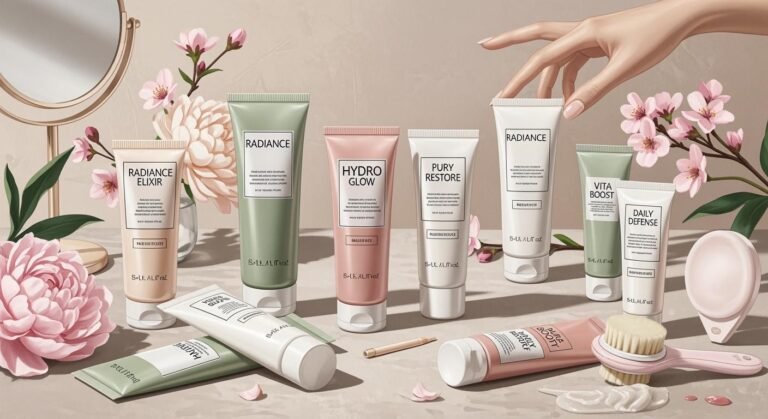
When you choose the right cosmetic tube, you shape how people see your brand. The tube’s shape can be round, oval, or even irregular. Each shape stands out in a different way on the shelf. Round tubes look classic and fit well in your hand. Oval tubes save space and look modern. Irregular shapes catch the eye and make your packaging unique.
The size of the right cosmetic tube matters, too. You want a tube that holds enough product but is not too big or hard to use. The opening should let people get the product out easily, without mess or waste. Proportional dimensions help the tube feel balanced and easy to squeeze. Tube thickness protects the product and keeps the tube flexible. When you match the shape and size to your brand, your packaging looks better and works better.
- The tube’s shape and size affect how much product fits inside.
- The opening size should make it easy to use.
- Proportional tubes look good and feel good in your hand.
- Tube thickness keeps the product safe and the tube easy to squeeze.
- Good dimensions help your brand stand out on the shelf.
Customization
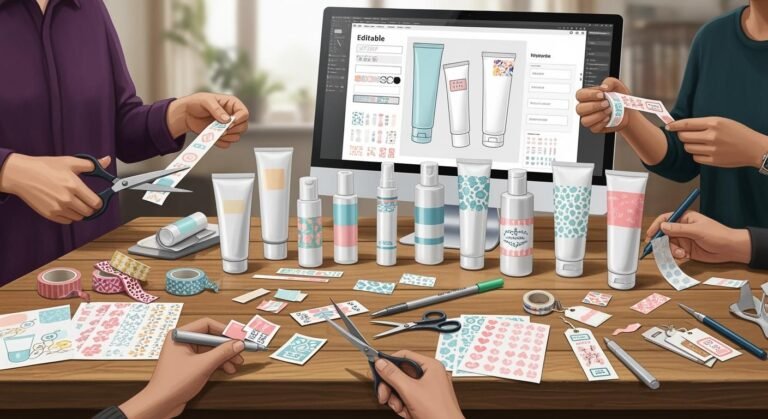
You can make the right cosmetic tube special with many customization options. You can pick from different materials, shapes, finishes, and printing styles. This helps your packaging match your brand and attract customers.
| Customization Aspect | Options |
|---|---|
| Materials | PE, PP, LAM, EVOH, PCR, Sugarcane-based PE |
| Shapes | Round, Oval, Flat, Airless |
| Finishes | Matte, Glossy, Metallic, Soft-touch |
| Printing Techniques | Silk Screen, Offset, Hot Stamping, Heat Transfer, Digital |
| Decoration Techniques | Embossing, Pearl/Iridescent Effects, Gradient Coloring, Soft-Touch Coating, Metallic Layers |
| Caps and Applicators | Flip-top, Screw caps, Needle tips, Roller ball, Pump mechanisms |
| Sustainability Options | PCR plastic, Bio-based PE, Refillable structures |
Printing options let you show your logo and design in bold or detailed ways. Silk screen printing works well for strong logos. Offset printing is best for colorful designs. Hot stamping adds a shiny, luxury look. Heat transfer and digital printing help you use full-color images or small runs.
You can also add special touches:
- Embossing or debossing gives the tube a raised or pressed feel.
- Pearl or iridescent effects add shimmer.
- Gradient coloring creates smooth color changes.
- Soft-touch coating makes the tube feel nice to hold.
- Metallic layers reflect light and look high-end.
Xinfly Packaging gives you many ways to customize the right cosmetic tube. You can choose the shape and size, pick colors and finishes, and use advanced printing. This helps your packaging fit your brand and stand out in stores.
Testing & Expert Advice
Prototype & Test
You should always test your empty squeeze tubes before selling your product. Making a prototype lets you see how your formula works in different tubes. You can check if the tube is easy to squeeze. You can also see if your product stays fresh inside. Try out different caps and closures to find what your customers like best.
Here are some good ways to test:
- See how your formula acts with each tube material.
- Make sure the product comes out easily and stays good.
- Ask real people to try it and give their thoughts.
You can use different tests to make sure your tubes are safe and strong:
| Testing Method | Description |
|---|---|
| Pressure Testing | Pump air into a closed tube to check for leaks at different pressures. |
| Crush Testing | Use a machine to press the tube and see if it stays strong. |
| Hot Air Sealing | Seal the tube with hot air to make a clean and strong finish. |
Quality checks are important too. You want your packaging to last and keep your product safe. Here are some main standards:
| Quality Assurance Standard | Description |
|---|---|
| Adhesion Tests | Make sure the graphics do not peel or fade in tough places. |
| Functional Performance Testing | Drop, pressure, and leak tests for real-life use. |
| Environmental Durability Checks | Test for heat, cold, sunlight, and water resistance. |
| Compliance with Industry Standards | Follow ISO, FDA, and other world rules. |
| Customer Feedback and Improvement | Listen to users and keep making your packaging better. |
Mistakes to Avoid
Many brands make the same mistakes when picking squeeze tubes. You can skip these problems by using a simple checklist:
| Mistake | Description | Solution |
|---|---|---|
| Incorrect Material Selection | The wrong material can ruin your product. | Use strong materials like aluminum or laminated tubes for sensitive items. |
| Not Considering Product Compatibility | Some formulas do not work well with some tubes. | Test your product with the tube before you sell it. |
| Overlooking Customization Needs | Plain tubes can hurt your brand’s look. | Pick custom designs that match your brand. |
| Ignoring Cap and Closure Selection | Bad caps make tubes hard to use. | Choose caps that fit your product and what users need. |
| Poor Quality Control | Weak tubes can leak or break. | Work with trusted makers who test their products. |
Tip: Packaging experts can help you at every step. They know about design, materials, and making tubes. Experts help you avoid mistakes and make sure your packaging fits your brand and what your customers want.
You can pick the right empty squeeze tube by following these main steps:
| Key Step | Description |
|---|---|
| Material | Choose strong and earth-friendly materials like polyethylene or bioplastics. |
| Size | Pick a size that fits your product and is simple to hold. |
| Dispensing Mechanism | Use flip-top caps or nozzle tips for easy and exact use. |
| Barrier Protection | Pick tubes with UV coatings or thick walls to keep products safe. |
| Customization | Add your brand’s colors and logo so people notice your product in stores. |
When you choose squeeze tubes, match the material to your formula. Think about if your product needs to be safe from light or air. Use recyclable or plant-based tubes to help the earth. Make sure your design shows your brand and teaches people how to recycle.
- Try matte finishes for a cool, modern style.
- Use airless pumps to keep products fresh longer.
- Add QR codes so people can get more information.
- Work with refillable packaging experts for better ideas.
- Ask for samples from suppliers like Xinfly Packaging to test what works best.
You can make your packaging better by thinking about compatibility, being green, and showing off your brand. Ask experts for help and test samples before you make your final choice.
Empty Squeeze Tubes in 2025 – Frequently Asked Questions
Quick guidance on materials (PE/PP, COEX, ABL/PBL, PCR & bio-PE), barrier, sizes, orifices, closures, printing, sustainability, compliance, MOQ and lead time.
1) Which tube materials are best in 2025?
2) How do I decide between PE, COEX, ABL and PBL?
3) What sizes/diameters fit typical fills?
4) How to choose the right orifice and tip?
5) Which closures are popular now?
6) What printing and finishes work best on squeeze tubes?
7) Can my tubes be more sustainable without losing quality?
8) What tests should be done before mass production?
9) What’s the typical MOQ and timeline?
10) How do I brief the supplier for an accurate quote?
11) Any compliance or labelling tips for 2025?
12) What factors affect cost the most—and how to control it?
Ready to customize your packaging? Contact our team for detailed pricing, MOQ flexibility, and fast production samples.