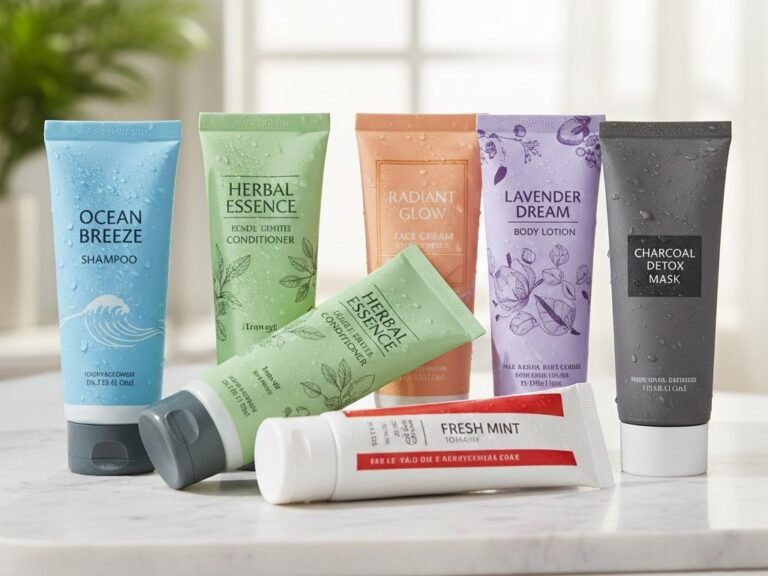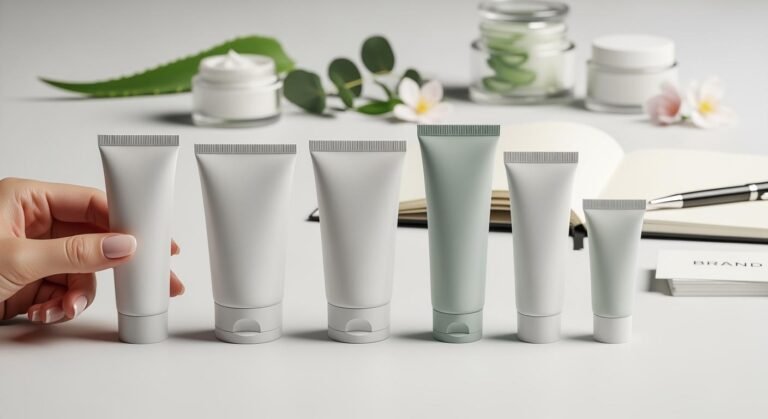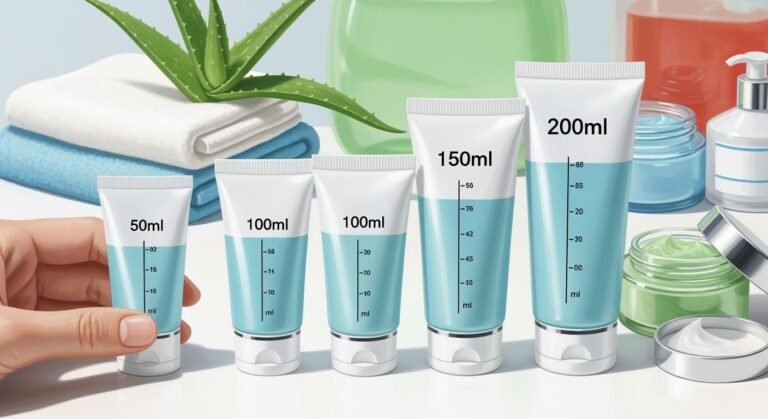

PCR vs. Bio-based Plastic Tubes: Which Is Better for Your Cosmotics Brand?

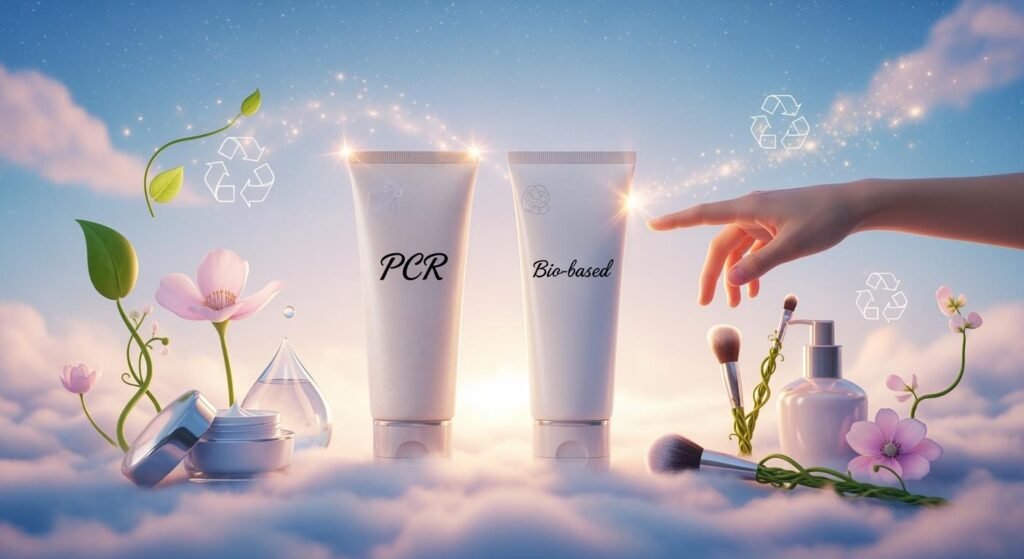
When you pick between PCR and bio-based Plastic Tubes for your cosmetics brand, the best choice depends on what is most important to you. Many brands want packaging that helps the planet. They want to support a better future. Your main goals might be:
- PCR tubes use recycled stuff. This makes them more earth-friendly and good for shoppers who care about the environment.
- Regular tubes usually cost less to make.
- Virgin plastics give great protection and work well for your products.
- Many people like beauty packaging that is good for the planet. They will pay more for it.
Cutting down on plastic waste starts with your packaging choices. Think about how each type of packaging fits your goals. It can help your brand be a leader in caring for the planet.
Plastic Tubes Overview
PCR Plastic Tubes
You might see more brands using pcr squeeze tubes now. These tubes are made from recycled plastic that people throw away. Workers collect plastic waste from recycling bins. They sort the plastic and clean it. Then, they turn the plastic into small pellets. The pellets are like the original plastic. Pcr cosmetic tubes can have all recycled content. This helps make less pollution. Pcr squeeze tubes work almost the same as regular tubes. Many brands pick pcr squeeze tubes to help the planet. You can use these tubes for lotions, creams, and other products.
- Pcr squeeze tubes are made from recycled plastic.
- The steps are sorting, cleaning, and making pellets.
- Pcr cosmetic tubes help cut down on plastic waste.
Bio-based Plastic Tubes
Bio-based cosmetic tubes use stuff that comes from plants. Sugarcane is one plant used for these tubes. Bio-based plastic tubes look and feel like normal tubes. The big difference is where the material comes from. Bio-based squeeze tubes do not use oil. They use plants instead. This helps your brand be better for the earth. Bio-based cosmetic tubes are good for creams, gels, and other products. You can tell customers your tubes come from plants, not oil.
- Bio-based squeeze tubes use plants that grow again.
- Sugarcane is a common plant for these tubes.
- These tubes help use less oil.
Key Differences
When you look at pcr squeeze tubes and bio-based cosmetic tubes, you see some main differences. Pcr squeeze tubes use old plastic that gets recycled. Bio-based squeeze tubes use new plastic from plants. Both types help the earth. Pcr squeeze tubes use plastic that already exists. Bio-based squeeze tubes use plants that can grow again. Pcr squeeze tubes might look or feel a little different than bio-based tubes. Both kinds are good for cosmetic tubes. You should pick what fits your brand best.
Tip: Pick pcr squeeze tubes if you want to talk about recycling. Pick bio-based cosmetic tubes if you want to talk about using plants.
Sustainable Packaging and Environmental Impact
Reducing Plastic Waste
You want your cosmetics brand to help the earth. Picking packaging that is good for the planet is a smart idea. PCR and bio-based cosmetic tubes both help cut down on plastic waste. PCR tubes use recycled plastic that might end up in landfills or oceans. This helps recycling and lowers waste. Bio-based tubes use plants like sugarcane instead of oil. These plants grow back, so you do not use up things that cannot be replaced. When you pick eco-friendly packaging, you show customers you care about the earth.
Here are some good things about using PCR plastic tubes instead of virgin plastic tubes:
- Smaller carbon footprint
- Use of recycled materials
- More trust from shoppers and your brand stands out
Both choices help the planet and make your brand look eco-friendly.
Carbon Footprint Comparison
You may wonder which tube is better for the earth. The answer depends on how each tube is made and used. Bio-based tubes help the planet because plants take in carbon dioxide as they grow. PCR tubes lower carbon emissions since they use recycled plastic, but they still need fossil fuels. The table below shows how each type compares:
| Type of Plastic | Carbon Footprint Impact |
|---|---|
| Bio-based Plastics | Smaller carbon footprint because plants take in carbon as they grow. |
| PCR Plastics | Lower carbon emissions than virgin plastics, but still use fossil fuels. |
Both types of packaging are good for the planet. Bio-based tubes are extra eco-friendly because plants absorb carbon from the air.
Lifecycle and End-of-Life
Think about what happens to your packaging after people use it. PCR tubes support recycling because they come from recycled plastic and can be recycled again. This keeps plastic out of landfills. Bio-based tubes can also be recycled in many places, but you need to check local recycling rules. Both types of packaging help cut down on waste and support caring for the planet. When you pick sustainable packaging, you help the earth at every step—from making the tube to its end.
Tip: Tell your customers how to recycle your packaging. This helps them make good choices for the planet and builds trust in your brand.
You can help your brand be more eco-friendly by picking packaging that supports recycling, cuts waste, and lowers harm to the planet.
Cost and Supply Chain Factors
PCR Tube Pricing
Pcr squeeze tubes usually cost more than normal plastic tubes. This is because making them takes extra steps. Workers have to collect, sort, and clean the recycled plastic. These steps make the price go up. Still, many brands pick pcr squeeze tubes. They want to help the planet and cut down on waste. You can see the price difference in this table:
| Tube Type | Cost Implication |
|---|---|
| Traditional Plastic Tubes | Generally less expensive to manufacture |
| PCR Squeeze Tubes | Slightly higher production cost due to recycling |
You pay a little more for pcr squeeze tubes. But you show customers you care about the earth. Many people like brands that use eco-friendly packaging.
Bio-based Tube Costs
Bio-based cosmetic tubes use plants like sugarcane, not oil. Making these tubes costs more than making regular plastic tubes. Growing and turning plants into tubes takes more work and money. Bio-based tubes usually cost about the same as pcr squeeze tubes. Both types are good for the planet. Bio-based tubes use things that can grow again. Here is a table that shows how much different tubes cost:
| Feature | Traditional PE Plastic | Sugarcane (Bio-PE) | PCR Plastic | Paper/Cardboard |
|---|---|---|---|---|
| Cost | Low | Moderate | Moderate | Moderate/High |
Bio-based and pcr squeeze tubes both have medium costs. Picking bio-based tubes shows your brand cares a lot about the earth.
MOQ and Availability
MOQ means the smallest number of tubes you can buy at once. For pcr squeeze tubes and bio-based tubes, the MOQ is often bigger than for normal tubes. Factories need special machines and materials for these tubes. You might have to order more tubes to get a good price. Sometimes, you may wait longer for your order. These tubes are not as common as regular ones. Mono-material and bio-based tubes can also take longer to make. You should plan ahead and talk to your supplier about how many tubes you need.
Tip: Ask your packaging partner about MOQ and delivery times before you order. This helps you avoid waiting and keeps your products ready to sell.
Picking the best packaging means thinking about price, helping the planet, and how easy it is to get the tubes. Pcr squeeze tubes and bio-based tubes may cost more, but they help your brand look like a leader in caring for the earth.
Cost Comparison Table
You want to know how much each type of cosmetic tube costs. This helps you pick the best one for your brand and your budget. The table below shows the main types of tubes and how their costs compare. You can see which tubes cost less and which ones cost more.
| Tube Type | Material Source | Cost Level | Main Cost Factors |
|---|---|---|---|
| Traditional Plastic | Virgin PE/PP | Low | Cheap raw materials, easy to make |
| PCR Plastic | Recycled PE/PP | Moderate | Sorting, cleaning, recycling steps |
| Bio-based Plastic | Sugarcane, Plants | Moderate | Farming, processing, special machines |
| Mono-material Plastic | Single PE/PP | Moderate | Special design, easier recycling |
| Paper/Cardboard | Wood Pulp | Moderate/High | Extra layers, waterproofing, printing |
You see that traditional plastic tubes cost the least. Factories make them fast and the materials do not cost much. PCR plastic tubes cost more because workers must collect, sort, and clean the old plastic. This takes more time and energy. Bio-based plastic tubes also cost more. Farmers grow the plants, and factories turn them into plastic. This process uses more steps and special machines.
Mono-material tubes use only one type of plastic. This makes recycling easier. The cost is about the same as PCR or bio-based tubes. Paper or cardboard tubes can cost the most. They need extra layers to keep your products safe. They also need special coatings to stop leaks.
Tip: If you want to save money, traditional plastic tubes are the cheapest. If you want to show your brand cares about the earth, PCR or bio-based tubes are a smart choice. Paper tubes look eco-friendly but may cost more.
You should also think about the size of your order. If you buy more tubes at once, you can get a better price. Factories often give discounts for big orders. Small orders may cost more per tube.
Supply chain issues can change prices too. If there is not enough recycled plastic or sugarcane, prices can go up. You should talk to your supplier about prices and how long it takes to get your tubes.
Here are some questions to ask yourself:
- Do you want the lowest cost, or do you want to help the planet?
- Can you order a lot of tubes at one time?
- Do you need special printing or colors?
You can use this table to compare your options. Pick the tube that fits your brand, your budget, and your values.
Performance of Plastic Cosmetic Tubes
Durability and Protection
You want your makeup to stay safe and fresh. The tube you pick helps protect your products. Tubes made from virgin plastic are strong and flexible. They can handle drops and squeezes without breaking. PCR tubes use recycled plastic. Sometimes, recycled plastic is more breakable. This can change how well the tube protects your makeup. PCR tubes may not bend as much as regular tubes. New recycling methods make PCR tubes stronger now. These tubes work better than before. You can trust modern PCR tubes to keep most makeup safe.
- Virgin plastic tubes are strong and protect well.
- PCR tubes can break easier, but new methods help.
- Both types keep your makeup safe.
Note: If your makeup is sensitive, test the tube first. This helps you avoid leaks or cracks.
Compatibility with Formulations
You need to make sure your tube works with your makeup. Some ingredients can react with certain plastics. Virgin plastic tubes usually work with most makeup. PCR tubes may have small changes because they are recycled. This can affect how well they hold some products. Bio-based tubes use plant materials. These tubes also work with many formulas, but you should check for reactions. Always test your makeup in the tube before selling it.
- Test your makeup in the tube for reactions.
- PCR tubes may have small changes in structure.
- Bio-based tubes use plants and work with many formulas.
Tip: Ask your supplier for samples. Try your makeup in different tubes to find the best one.
Shelf Life and Storage
You want your makeup to last a long time. The tube you pick affects how long your makeup stays fresh. Virgin plastic tubes keep products fresh for a long time. PCR tubes now last longer because of new recycling methods. You can store most makeup in PCR tubes without problems. Bio-based tubes also protect your products well. Keep your tubes in a cool, dry place. This helps keep your makeup safe and fresh.
- Virgin plastic tubes keep makeup fresh for a long time.
- PCR tubes last longer now because of new methods.
- Bio-based tubes protect your products well.
Reminder: Always check storage instructions for your tubes. This helps you keep your makeup in good shape.
Pick plastic tubes that fit your needs. Think about strength, how well they work with your makeup, and how long your products last. Testing and storing your tubes carefully helps you give safe and high-quality makeup to your customers.
Xinfly Packaging Examples
You want to see how PCR and bio-based tubes work in real life. Xinfly Packaging gives you many examples that show the strengths of each type. You can learn from these cases and decide what fits your brand.
Xinfly Packaging works with brands that need eco-friendly solutions. They offer PCR tubes for creams, lotions, and gels. You can choose tubes with different levels of recycled content. Some brands use 30% PCR, while others pick 50% or even 100%. You get to decide how much recycled material you want. This helps you balance cost, performance, and sustainability.
Bio-based tubes from Xinfly Packaging use sugarcane plastic. You can use these tubes for face wash, sunscreen, or hair care products. The tubes look and feel like regular plastic. You can print your logo and colors on them. Customers see your brand cares about the planet.
Here are some examples from Xinfly Packaging:
- PCR Cosmetic Tubes:
You can use PCR tubes for hand cream. The tube protects the cream and shows your brand’s green values. Xinfly Packaging makes PCR tubes that resist cracking. You get strong tubes that last. - Bio-based Squeeze Tubes:
You can use bio-based tubes for shampoo. The tube uses sugarcane plastic. It feels smooth and squeezes easily. You can print bright colors and designs. Your customers notice the eco-friendly message. - Custom Solutions:
Xinfly Packaging helps you pick the right tube for your product. You can ask for samples. You test your formula in the tube. You check for leaks, reactions, and shelf life. Xinfly Packaging supports you at every step.
Tip: Ask Xinfly Packaging about their PCR and bio-based tube options. You can get advice on printing, decoration, and tube shape.
You can see how Xinfly Packaging helps brands stand out. They offer tubes that protect your products and support your values. You get packaging that fits your needs and shows your care for the planet.
Here is a table that shows how Xinfly Packaging matches tube types to product needs:
| Tube Type | Product Example | Key Benefit |
|---|---|---|
| PCR Plastic Tube | Hand Cream | Strong, eco-friendly image |
| Bio-based Tube | Shampoo | Plant-based, smooth feel |
| Custom Tube | Face Wash, Lotion | Tailored fit, tested quality |
You can use these examples to guide your choice. Xinfly Packaging gives you options that help your brand grow and protect the earth.
Design and Printability
Aesthetics of PCR Tubes
You want your cosmetic tubes to look good on the shelf. PCR tubes have a unique look because they use recycled plastic. Sometimes, you may notice small color differences or tiny specks in the tube. These marks show that the tube comes from recycled materials. Many brands use this as a way to show their eco-friendly values. The natural look of PCR tubes can help your brand stand out. You can choose different finishes, like matte or glossy, to match your style.
- PCR tubes often have a slightly gray or off-white color.
- Small marks or specks can appear, showing the recycled content.
- You can pick from several finishes to fit your brand.
Tip: Use the unique look of PCR tubes to tell your sustainability story. Customers like to see real signs of recycling.
Bio-based Tube Design Options
Bio-based tubes use plant-based plastic, so they look almost the same as regular plastic tubes. You get a clean, smooth surface that works well for bright colors and sharp designs. These tubes come in many shapes and sizes. You can choose round, oval, or flat tubes. Bio-based tubes usually have a natural white color, but you can add color if you want.
- Bio-based tubes give you a smooth and even surface.
- You can pick many shapes and sizes for your products.
- The color is usually pure white, but you can choose other colors.
If you want your packaging to look just like traditional plastic, bio-based tubes are a great choice. You can make your brand look modern and clean.
Printing and Decoration
You want your brand to shine. Both PCR and bio-based tubes let you print your logo, product name, and designs. You can use many printing methods, like silk screen, offset, or hot stamping. Some printing methods work better on certain tubes. PCR tubes may need special inks because of their recycled surface. Bio-based tubes have a smooth surface, so most printing looks sharp and bright.
| Tube Type | Print Quality | Decoration Options | Branding Potential |
|---|---|---|---|
| PCR Plastic | Good | Silk screen, hot stamp | Eco-friendly message |
| Bio-based | Excellent | All standard methods | Clean, modern look |
- PCR tubes work well for simple designs and bold logos.
- Bio-based tubes let you use detailed graphics and bright colors.
Note: Always test your design on the tube before you order a large batch. This helps you see how your logo and colors will look.
You can use your tube design to tell your brand story. Choose colors, shapes, and finishes that match your values. Good design helps your products stand out and makes customers remember your brand.
Recyclable Cosmetic Tubes and Consumer Perception
Recyclability of PCR Tubes
You want your makeup tubes to be good for the earth. PCR plastic cosmetic tubes are a strong choice. These tubes use recycled plastic. You can recycle them again after you finish using them. Most recycling centers take PCR tubes. They are made from common plastics like PE or PP. When you pick recyclable cosmetic tubes made from PCR, you help keep plastic out of landfills. You also help make a system where plastic gets used again and again.
- PCR tubes can go in regular recycling bins in many places.
- Picking recyclable packaging helps cut down on waste.
- Many brands use PCR tubes to show they care about the earth.
Note: Always check your local recycling rules. Some places have different rules for plastic cosmetic tubes.
Bio-based Tube Recycling
Bio-based plastic cosmetic tubes are also easy to recycle. These tubes use plant-based materials like sugarcane. They look and act like regular plastic tubes. Most recycling programs take bio-based tubes if they use the same plastic as normal tubes. You can recycle these tubes just like other recyclable cosmetic tubes. This makes it simple for your customers to recycle.
- Bio-based tubes work with most recycling systems.
- You can tell your customers your packaging is plant-based and recyclable.
- Recycling bio-based tubes helps use less oil.
Tip: Put clear recycling instructions on your packaging. This helps your customers recycle your cosmetic tubes the right way.
Consumer Attitudes
You might wonder if eco-friendly packaging matters to shoppers. Many people now look for recyclable cosmetic tubes when they buy beauty products. They want to support brands that care about the planet. Studies show that people who care about the earth will pay more for eco-friendly choices.
Here is what recent surveys found:
| Evidence | Statistic |
|---|---|
| Willingness to pay more for eco-friendly packaging | 24% of respondents |
| Willingness to pay more among consumers | 82% overall, 90% for Gen Z |
| Consumers choosing products for sustainable packaging | 71% in the last six months |
You can see that most shoppers want recyclable and eco-friendly packaging. Gen Z shoppers care even more. They often pick brands that use recyclable cosmetic tubes and other green materials.
- You can get new customers by using eco-friendly packaging.
- Your brand stands out when you use recyclable cosmetic tubes.
- More shoppers trust brands that care about recycling and the earth.
Eco-friendly choices help you build a strong brand image. You show your customers that you care about the planet and their values.
When you use recyclable cosmetic tubes, you give shoppers what they want. You also help protect the earth for the future.
Brand Image and Marketing
You want your cosmetics brand to be noticed. Using recyclable cosmetic tubes helps your brand look good. When you pick recyclable packaging, you show you care about the earth. This makes your products different from others.
Many shoppers want brands that use recyclable materials. They like companies that help the planet. If you use recyclable cosmetic tubes, you can share your brand story with these shoppers. Your packaging can show your values and what your brand stands for.
Here are some ways recyclable cosmetic tubes help your brand:
- You show your brand cares about the earth.
- You get shoppers who want eco-friendly choices.
- You build trust with people who like honesty.
- You make your products look modern and smart.
Tip: Put a clear message on your packaging about using recyclable materials. This lets customers see you care right away.
Marketing with recyclable cosmetic tubes gives you many chances. You can use social media to tell your story. You can post about your packaging and why you picked recyclable tubes. You can also use your website to teach customers about recycling and how to throw away your tubes the right way.
A simple table shows the benefits:
| Marketing Benefit | How Recyclable Cosmetic Tubes Help |
|---|---|
| Eco-friendly image | Shows you care about the planet |
| Customer loyalty | Attracts shoppers who want to recycle |
| Social media content | Gives you stories to share online |
| Positive press | Gets attention from green beauty bloggers |
You may have some problems. Some shoppers do not know how to recycle cosmetic tubes. You can help by giving easy instructions. You can also work with stores to set up recycling programs. When you make recycling simple, you help your customers and the earth.
Note: Always tell the truth in your message. Shoppers trust brands that are honest about their packaging.
When you use recyclable cosmetic tubes, your brand stands for something good. You give shoppers a reason to pick your products. You also help make the world cleaner for everyone.
Compliance and Practical Implementation
Regulatory Requirements
You need to follow rules when you choose packaging for your cosmetics brand. Each country has its own laws about what materials you can use. The United States, Europe, and Asia all have different rules for plastic tubes. You must check if your packaging meets safety and labeling laws. Some places want you to list what is in your packaging. Others want proof that your tubes are safe for skin contact. You should ask your supplier for documents that show your tubes meet these rules. If you sell in more than one country, you need to check the rules for each place.
Tip: Always keep records of your packaging materials and safety tests. This helps you if you need to show proof to the government.
Certifications and Standards
Certifications help you show customers that your packaging is safe and eco-friendly. You can look for tubes with certifications like ISO, FDA, or SGS. These groups test packaging to make sure it is safe and high quality. Some certifications focus on recycled content or plant-based materials. For example, you can find tubes with a “Bio-based” or “Recycled Content” label. These labels help shoppers trust your brand.
Here is a table of common certifications:
| Certification | What It Means |
|---|---|
| ISO | Meets international quality standards |
| FDA | Safe for use with cosmetics |
| SGS | Tested for safety and quality |
| Bio-based Label | Made from plants |
| Recycled Content | Made from recycled plastic |
You should ask your supplier which certifications their packaging has. This helps you pick the best tubes for your brand.
Logistics and Manufacturing
You need to plan how to get your packaging from the factory to your warehouse. Good planning helps you save money and avoid delays. You should ask your supplier how long it takes to make and ship your tubes. Some eco-friendly tubes take longer to make because they use special materials. You may need to order early to get your packaging on time.
You also need to think about storage. Some tubes need to stay in a cool, dry place. You should check if your warehouse has the right space for your packaging. If you want to know how to implement recyclable tubes, you can talk to your supplier about recycling programs and collection systems. They can help you set up a plan that works for your brand.
Note: Good communication with your supplier helps you avoid problems with shipping and storage.
You can make your brand stronger by following the rules, picking certified packaging, and planning your logistics. This helps you give your customers safe, eco-friendly products.
Xinfly Packaging Solutions
You want a packaging partner who makes things easy. Xinfly Packaging helps you follow the rules and get the right certifications. They also help you with your supply chain. You do not have to do everything by yourself. Xinfly guides you one step at a time.
Here is how Xinfly Packaging supports your brand:
- Regulatory Guidance:
Xinfly knows the rules in many countries. They tell you what materials you can use. Xinfly helps you get the right safety and labeling papers. You are ready for checks and inspections. - Certified Materials:
Xinfly has tubes with important certifications. You can pick packaging with ISO, FDA, or SGS approval. If you want bio-based or PCR content, Xinfly gives you proof. You show customers and inspectors that your packaging is high quality. - Custom Solutions:
You can ask for tubes that match your product and brand. Xinfly helps you choose the best size, shape, and material. You get samples to test with your products. You check for leaks, reactions, and shelf life before buying. - Efficient Logistics:
Xinfly takes care of shipping and storage. You get updates about your order. Xinfly helps you plan for busy times. You avoid delays and keep your products ready to sell. - Sustainability Support:
Xinfly helps you pick eco-friendly options. You can choose PCR, bio-based, or mono-material tubes. Xinfly tells you how to recycle or throw away each type. You get tips for adding recycling info to your packaging.
Tip: Ask Xinfly for a packaging meeting. You get expert help with rules, design, and planning.
Sample Support Table:
| Xinfly Service | What You Get | How It Helps Your Brand |
|---|---|---|
| Regulatory Guidance | Compliance documents, advice | Pass audits, avoid fines |
| Certified Materials | ISO, FDA, SGS, bio-based, PCR proof | Build trust with customers |
| Custom Solutions | Samples, design help | Perfect fit for your products |
| Efficient Logistics | Shipping updates, storage tips | On-time delivery, less stress |
| Sustainability Support | Eco-friendly options, recycling info | Strong green brand image |
You can trust Xinfly Packaging to handle the hard work. You focus on your products and customers. Xinfly makes sure your packaging follows the rules, looks good, and matches your brand’s values.
Choosing the Right Plastic Tubes
Decision Criteria
You want to pick the best plastic tubes for your brand. First, think about what is most important to you. Ask yourself which tube is right for your products. Here are some things to think about:
- Product safety: Make sure the tube keeps your makeup safe and fresh.
- Appearance: Do you want a smooth, clear look? Or do you like a tube that looks more natural and recycled?
- Cost: Check how much money you can spend. Some tubes cost more because they use special stuff.
- Sustainability: Think about how the tube helps the earth. Some tubes use recycled plastic. Others use plants like sugarcane.
- Customer preference: Many shoppers want green packaging. They like brands that care about the planet.
- Supply chain: Make sure you can get enough tubes when you need them.
You can use a table to compare your choices:
| Criteria | PCR Plastic Tubes | Bio-based Plastic Tubes |
|---|---|---|
| Sustainability | Uses recycled plastic | Made from renewable plants |
| Appearance | May have gray/yellow tint | Smooth, white, easy to color |
| Cost | Moderate | Moderate |
| Recyclability | Yes | Yes |
| Brand Story | Focus on recycling | Focus on plant-based values |
Pick the tube that fits your brand and what your customers want. If you want to talk about recycling, PCR plastic tubes are a good pick. If you want to talk about using plants, bio-based tubes are a smart choice.
Practical Scenarios
You might wonder how these choices work in real life. Here are some examples to help you choose:
- If your brand sells natural or organic makeup, bio-based tubes show you care about the earth. These tubes come from sugarcane and look clean and new.
- If you want to show your brand fights plastic waste, PCR plastic tubes are a strong pick. These tubes use recycled stuff and help lower pollution.
- If you need tubes that are very clear, PCR tubes may not work. They can look a little gray or yellow. Pick bio-based or regular tubes for a clear look.
- If you want to save money, regular plastic tubes cost less. But they do not help with your green goals.
- If your shoppers care about recycling, both PCR and bio-based tubes can be recycled in many places.
Tip: Always test your makeup in the tube before you sell it. Make sure the tube keeps your product safe and matches your brand’s style.
Aligning with Brand Values
You want your packaging to match your brand’s story. Many brands use green materials to show they care about the planet. You can do this by picking tubes made from recycled or plant-based stuff. Here are some ways to match your packaging with your brand values:
- Use green materials for your plastic tubes.
- Use less extra packaging to make less trash.
- Make sure your packaging looks and feels like your brand.
- Get special labels to build trust with shoppers.
- Tell your packaging story to connect with buyers.
As more brands go green, you can stand out by using less material and making your packaging smaller. This helps the earth and gives shoppers a better experience. You can also look at what is popular now. For example, refillable beauty packaging is selling more. The waterless beauty market is also getting bigger. These trends show that shoppers want smart and green packaging.
Note: When you pick green plastic tubes, you show your shoppers that you care about the earth and their values.
You can build a strong brand by making smart choices about your packaging. Pick tubes that fit your goals, your products, and what your shoppers need.
Transitioning to Sustainable Packaging
You want your cosmetics brand to move toward sustainable packaging. This change can help your products stand out and show your commitment to the planet. You may feel unsure about where to start. You can follow a step-by-step plan to make the process easier.
Steps for Transitioning:
- Assess Your Current Packaging
Look at your current packaging. Check what materials you use. Find out how much waste your packaging creates. You can ask your supplier for details about your plastic tubes. - Set Clear Sustainability Goals
Decide what you want to achieve. You may want to reduce plastic waste, use more recycled materials, or switch to plant-based options. Write down your goals so you can track your progress. - Research Eco-friendly Options
Learn about PCR and bio-based plastic tubes. Compare their benefits and challenges. You can talk to packaging experts or suppliers for advice. Ask for samples to test with your products. - Test Compatibility and Performance
Try your products in new tubes. Check for leaks, reactions, and shelf life. Make sure the tubes protect your cosmetics and keep them fresh. - Plan Your Supply Chain
Work with your supplier to set up orders. Ask about minimum order quantities and delivery times. Make sure you can get enough tubes when you need them. - Update Your Branding and Messaging
Tell your customers about your new packaging. Use clear labels and instructions. Share your story on social media and your website. Explain why you chose sustainable plastic tubes. - Educate Your Team and Customers
Teach your staff about the new packaging. Show them how to handle and recycle the tubes. Give your customers tips on recycling and caring for their products.
Tip: Start with one product line. You can test the new packaging and get feedback. If it works well, you can expand to other products.
Common Challenges and Solutions
| Challenge | Solution |
|---|---|
| Higher costs | Order in bulk, negotiate with suppliers |
| Supply chain delays | Plan ahead, keep extra stock |
| Customer confusion | Use clear recycling instructions |
| Compatibility issues | Test products in new tubes |
You may face some problems during the transition. You can solve these by planning ahead and working closely with your supplier. You can also ask for help from packaging experts.
Benefits of Sustainable Packaging
- You show your brand cares about the planet.
- You attract customers who value eco-friendly products.
- You help reduce waste and pollution.
- You build trust and loyalty with your shoppers.
You can make your transition smooth by following these steps. You can start small and grow your sustainable packaging program over time. You help your brand become a leader in green beauty.
You need to pick between PCR and bio-based plastic tubes. Both types can be recycled. They help your brand meet new rules. Look at the table below to compare them:
| Feature | PCR Plastic Tubes | Bio-based Plastic Tubes |
|---|---|---|
| Source | Recycled materials | Renewable sugarcane |
| Recyclable | Yes, widely accepted | Yes, similar to PE |
| Appearance | Gray tint, unique look | Bright colors, smooth finish |
| Cost | Moderate | Moderate to high |
To find the best recyclable cosmetic tubes, you should:
- Check your packaging and try recyclable tubes.
- Get help from experts to check costs and finishes.
- Make clear goals for recyclable tubes and watch your progress.
- Ask your customers what they think about recyclable packaging.
Recyclable cosmetic tubes show your customers you care about their needs. This choice helps build trust and meets the demand for recycling.
You can ask Xinfly Packaging for help with recyclable materials and design. Make your packaging match your brand values. This helps your brand stand out and keeps shoppers coming back.
PCR vs Bio-based Plastic Tube FAQ
Understand the difference and choose the right sustainable packaging solution.
Q1: What is PCR plastic in cosmetic tubes?
Q2: What is bio-based plastic in cosmetic tubes?
Q3: What is the main difference between PCR and bio-based plastic?
Q4: Which is more sustainable, PCR or bio-based plastic?
Q5: Does PCR plastic affect packaging quality?
Q6: Is bio-based plastic fully biodegradable?
Q7: Which is better for skincare brands?
Q8: Can PCR tubes be fully recyclable?
Q9: Are bio-based tubes compatible with existing packaging lines?
Q10: Which option has lower carbon footprint?
Q11: Can I combine PCR and bio-based materials?
Q12: Can you recommend the right material for my brand?
Not sure whether PCR or Bio-based is right for your product?
Get Expert Recommendation